


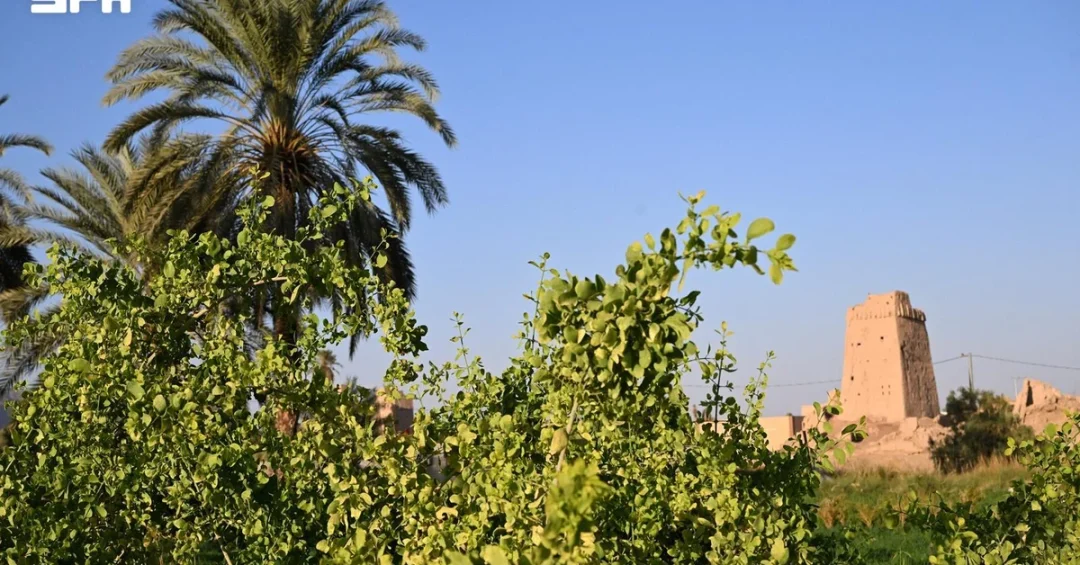
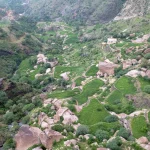
Visitors to Najran Region are greeted by a landscape that blends historical legacy, embodied by towering mud-brick houses, with nature’s vitality, marked by palm trees and Arak shrubs scattered across farms and heritage villages, the Saudi Press Agency (SPA) reported on November 8, 2026. The Arak tree, also known as the miswak tree, is well adapted to harsh environmental conditions, tolerating high temperatures, limited water availability, and soil salinity. This natural resilience allows it to thrive across Najran’s farms and heritage villages, reinforcing the region’s unique ecological and aesthetic character. The presence of Arak shrubs alongside traditional mud-brick architecture and palm groves creates a distinctive landscape that tells a story of coexistence between human heritage and natural adaptation.
Have you ever wondered how a single tree can anchor an entire ecosystem while also serving as a cultural emblem? In Najran, the Arak tree does exactly that. According to Rafaan Misfer Al Amer, Chairman of the Najran Green Association, Arak trees are a key botanical element that gives Najran’s landscape its distinct ecological and aesthetic character. He noted that Arak trees offer numerous environmental benefits, including stabilizing soil, preventing erosion, and providing shade and shelter for various living organisms. Al Amer emphasized that preserving Arak trees and expanding their cultivation are vital to protecting native flora and plant diversity, and he called for greater public awareness of their importance.
Context and Background
Why does Najran’s landscape captivate visitors with its seamless blend of history and nature? The answer lies in a centuries-old harmony between human settlement and indigenous flora. Najran Region, located in southwestern Saudi Arabia, is renowned for its towering mud-brick houses that rise like ancient sentinels across the terrain. These structures, built from locally sourced clay and straw, have withstood the test of time, reflecting the ingenuity of generations past. Interspersed among these architectural marvels are palm groves that provide sustenance and shade, forming the backbone of traditional agriculture in the area. But it is the Arak shrub that adds a subtle yet vital layer to this ecological tapestry.
The Arak tree, scientifically known as Salvadora persica, has been valued for centuries across the Arabian Peninsula. Its twigs are commonly used as a natural toothbrush, known as miswak, which is why it is often referred to as the miswak tree. Beyond its cultural and religious significance, the Arak tree is a botanical powerhouse. It thrives in conditions that would challenge many other species, enduring scorching temperatures, prolonged droughts, and saline soils. This adaptability makes it an ideal candidate for reforestation and land rehabilitation efforts in arid regions. In Najran, the Arak tree grows alongside date palms and other native plants, contributing to a microclimate that supports biodiversity and stabilizes the fragile desert ecosystem.
The Najran Green Association, under the leadership of Rafaan Misfer Al Amer, has been at the forefront of efforts to protect and propagate Arak trees. The association works to raise awareness among local communities about the environmental and economic benefits of these trees. Al Amer’s call for greater public awareness underscores a broader national trend: Saudi Arabia is increasingly prioritizing environmental conservation as part of its Vision 2030 roadmap. By integrating traditional knowledge with modern sustainability practices, initiatives like those in Najran are helping to preserve the Kingdom’s natural heritage for future generations.
Key Details
What specific environmental benefits do Arak trees provide that make them indispensable to Najran’s ecosystem? According to Al Amer, these trees play a critical role in soil stabilization. Their extensive root systems bind the soil, preventing erosion caused by wind and occasional flash floods. This is particularly important in Najran, where the arid climate and sporadic rainfall can lead to land degradation. By holding the soil in place, Arak trees help maintain the integrity of agricultural terraces and heritage sites. Additionally, their dense canopy provides shade and shelter for a variety of living organisms, from insects and birds to small mammals. This creates a microhabitat that supports biodiversity, which is essential for the overall health of the ecosystem.
Moreover, Arak trees contribute to the improvement of soil quality. As a leguminous species, they form symbiotic relationships with nitrogen-fixing bacteria in their root nodules. This process enriches the soil with nitrogen, a vital nutrient for plant growth. Farmers in Najran have long recognized the value of Arak trees as companion plants in their fields, where they help boost the productivity of crops such as dates, citrus fruits, and vegetables. The trees also act as windbreaks, reducing wind speed and protecting delicate crops from damage. In a region where water scarcity is a constant challenge, the Arak tree’s ability to tolerate salinity and drought makes it a low-maintenance yet high-impact addition to any landscape.
The aesthetic appeal of Arak trees should not be underestimated. Their evergreen foliage and gnarled branches add texture and color to the Najran landscape, contrasting beautifully with the earthy tones of mud-brick houses and the vibrant green of palm groves. This visual harmony attracts tourists and nature enthusiasts, contributing to the region’s growing tourism sector. As Saudi Arabia opens its doors to international visitors under Vision 2030, destinations like Najran are poised to benefit from increased footfall. The Arak tree, therefore, is not just an ecological asset but also a cultural and economic one.
International and Regional Impact
How does Najran’s approach to preserving Arak trees resonate beyond Saudi Arabia’s borders? The Kingdom’s commitment to environmental sustainability is gaining recognition on the global stage. Saudi Arabia has launched several ambitious initiatives, such as the Saudi Green Initiative and the Middle East Green Initiative, which aim to combat climate change, desertification, and biodiversity loss. These initiatives align with international goals like the United Nations Sustainable Development Goals (SDGs), particularly those related to life on land and climate action. By protecting native species like the Arak tree, Najran is contributing to these broader efforts, demonstrating that local actions can have global impacts.
Regionally, Najran shares ecological similarities with neighboring countries in the Arabian Peninsula, such as Yemen and Oman. The Arak tree is found across these regions, and its preservation could foster cross-border cooperation on environmental research and conservation. Saudi Arabia’s leadership in this area could serve as a model for other arid nations facing similar challenges. Furthermore, the success of Najran’s conservation efforts could enhance the Kingdom’s soft power, positioning it as a responsible steward of the environment. This is particularly important as Saudi Arabia seeks to diversify its economy and attract foreign investment, as a healthy environment is a key component of a stable and attractive business climate.
International tourists and researchers are increasingly drawn to Saudi Arabia’s unique natural heritage. The Arak tree, with its historical and medicinal significance, offers a compelling story that can be marketed to eco-tourists and wellness travelers. The miswak, derived from Arak twigs, is used in many parts of the world for oral hygiene, and its natural origins add to its appeal. By highlighting the Arak tree’s role in Najran’s landscape, Saudi Arabia can promote sustainable tourism that benefits local communities while preserving cultural traditions. This aligns with Vision 2030’s goal of creating a vibrant society and diverse economy.
Economic and Strategic Significance
What economic opportunities arise from the conservation and cultivation of Arak trees in Najran? The Arak tree is a source of livelihood for many local families who harvest its twigs to produce miswak sticks. This traditional product has a niche market both domestically and internationally, with demand driven by consumers seeking natural and halal-certified oral care products. By expanding Arak cultivation, Najran could increase its production of miswak, creating jobs and generating income for rural communities. Additionally, the tree’s leaves and fruits can be used as fodder for livestock, further supporting agricultural activities. The wood, though not commonly used for timber due to its size, can be utilized for small crafts and fuel.
On a strategic level, the Arak tree contributes to food and water security. Its deep roots help recharge groundwater aquifers, which are critical for irrigation in arid regions. By stabilizing soil and preventing erosion, Arak trees protect agricultural lands from degradation, ensuring long-term productivity. This is essential for Saudi Arabia’s goal of achieving self-sufficiency in certain food products. Moreover, the tree’s resilience to climate change makes it a valuable asset in the face of global warming. As temperatures rise and rainfall patterns shift, species like the Arak tree will become increasingly important for maintaining ecosystem services.
The Najran Green Association’s efforts to promote Arak trees also have a social dimension. By engaging local communities in planting and caring for these trees, the association fosters a sense of ownership and environmental stewardship. This community-based approach is key to the sustainability of conservation projects. It also empowers women and youth, who often play a central role in agricultural activities. Through workshops and awareness campaigns, the association is building a culture of environmental responsibility that aligns with Vision 2030’s emphasis on social development and quality of life.
Vision 2030 Alignment
How does the preservation of Arak trees in Najran exemplify the objectives of Saudi Vision 2030? Vision 2030 is a comprehensive plan to diversify the Kingdom’s economy, improve public services, and enhance the quality of life for all citizens. Environmental sustainability is a cross-cutting theme within this vision, as reflected in initiatives like the Saudi Green Initiative, which aims to plant 10 billion trees across the country. The Arak tree, with its adaptability and multiple benefits, is a perfect candidate for large-scale planting efforts. By protecting and expanding Arak populations, Najran is directly contributing to the Kingdom’s environmental goals.
Furthermore, the conservation of natural heritage supports Vision 2030’s tourism objectives. Saudi Arabia aims to attract 100 million visitors annually by 2030, and ecotourism is a growing segment of the market. Najran’s unique landscape, featuring mud-brick houses, palm groves, and Arak shrubs, offers a distinct experience for travelers seeking authenticity and natural beauty. By investing in sustainable tourism infrastructure and promoting destinations like Najran, the Kingdom can create new economic opportunities while preserving its cultural and environmental assets. The Arak tree, therefore, is not just a plant; it is a symbol of Saudi Arabia’s commitment to a sustainable and prosperous future.
In conclusion, the Arak shrubs of Najran are more than just vegetation; they are integral to the region’s identity, ecology, and economy. As Saudi Arabia continues its journey toward Vision 2030, the preservation of such natural treasures will be crucial. The efforts of the Najran Green Association and the leadership of Rafaan Misfer Al Amer serve as an inspiring example of how local action can contribute to national and global goals. By nurturing the Arak tree, Najran is nurturing its future, ensuring that its mud-brick houses and palm groves remain surrounded by the resilient beauty of nature for generations to come.
20 Questions
Q1. What is the Arak tree also known as?
A1. The Arak tree is also known as the miswak tree, due to its twigs being used as natural toothbrushes.
Q2. Where is Najran Region located?
A2. Najran Region is located in southwestern Saudi Arabia, near the border with Yemen.
Q3. What are the main features of Najran’s landscape?
A3. Najran’s landscape features towering mud-brick houses, palm groves, and Arak shrubs scattered across farms and heritage villages.
Q4. Who is the Chairman of the Najran Green Association?
A4. Rafaan Misfer Al Amer is the Chairman of the Najran Green Association.
Q5. What environmental benefits do Arak trees provide?
A5. Arak trees stabilize soil, prevent erosion, and provide shade and shelter for various living organisms.
Q6. Why are Arak trees well adapted to harsh conditions?
A6. They tolerate high temperatures, limited water availability, and soil salinity, making them resilient in arid environments.
Q7. How do Arak trees contribute to soil fertility?
A7. As leguminous plants, they fix nitrogen in the soil, enriching it with essential nutrients for other plants.
Q8. What is the significance of the miswak?
A8. The miswak is a natural toothbrush made from Arak twigs, valued for oral hygiene and cultural tradition.
Q9. How does the Najran Green Association promote Arak trees?
A9. The association raises public awareness, encourages cultivation, and works to protect native flora and plant diversity.
Q10. What role do Arak trees play in supporting biodiversity?
A10. They provide habitat and shade for insects, birds, and small mammals, supporting a diverse ecosystem.
Q11. How do Arak trees help farmers in Najran?
A11. They act as windbreaks, improve soil quality, and provide fodder for livestock, boosting agricultural productivity.
Q12. What is the Saudi Green Initiative?
A12. It is a national initiative aiming to plant 10 billion trees and combat climate change and desertification.
Q13. How does Arak conservation align with Vision 2030?
A13. It supports environmental sustainability, tourism development, and economic diversification, key goals of Vision 2030.
Q14. What economic opportunities arise from Arak trees?
A14. They provide income through miswak production, fodder, and eco-tourism, creating jobs in rural communities.
Q15. How do Arak trees contribute to water security?
A15. Their deep roots help recharge groundwater aquifers, which are vital for irrigation in arid regions.
Q16. What is the aesthetic value of Arak trees?
A16. Their evergreen foliage and gnarled branches add texture and color, enhancing Najran’s scenic beauty.
Q17. How can tourists experience Najran’s Arak trees?
A17. Tourists can visit heritage villages and farms to see Arak trees alongside mud-brick houses and palm groves.
Q18. What challenges do Arak trees face?
A18. They face threats from overgrazing, urbanization, and climate change, but conservation efforts are underway.
Q19. How does the local community benefit from Arak conservation?
A19. It fosters environmental stewardship, empowers women and youth, and creates sustainable livelihoods.
Q20. What is the future outlook for Arak trees in Saudi Arabia?
A20. With continued conservation and Vision 2030 support, Arak trees will thrive, enhancing Saudi Arabia’s natural heritage.
Reader Feedback
We value your thoughts. Please share your feedback on this article.
Your feedback helps us improve our coverage.
Related articles
 Wadi Al-Ghar: Jazan’s New Nature Tourism Gem
 Fog and Rain Draw Visitors to Al-Baha Highlands
 A Night Among Juniper Trees Reveals Another Side of Taif’s Mountains
 Al-Wasm Rains Revive Al-Birk Greenery, Boost Winter Tourism
 Clouds Create Scenic Vistas Along Jeddah Waterfront
 Qilwah Mountains: Al-Baha’s Emerging Ecotourism Hub