


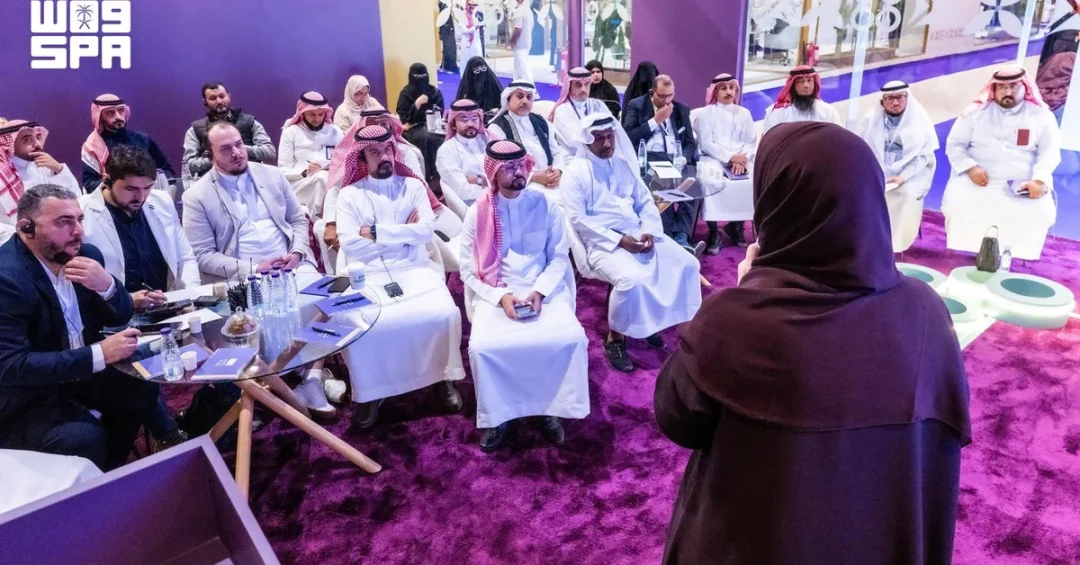
The Ministry of Hajj and Umrah showcased institutional and operational excellence practices across its pilgrim services ecosystem on the opening day of the sixth Hajj Conference and Exhibition, held at the Jeddah Superdome. The ministry detailed how these practices are raising performance efficiency and improving service quality for pilgrims during a dedicated workshop on modern concepts and applications of operational excellence. The session, part of the conference’s first-day agenda, underscored the Kingdom’s commitment to continuous improvement across one of the world’s most complex service environments. The event brought together officials, experts, and stakeholders to exchange knowledge and reinforce a culture of excellence that directly benefits millions of pilgrims annually. The workshop formed a central pillar of the ministry’s participation, reflecting a strategic focus on institutional development as a driver of pilgrim satisfaction and operational resilience.
The announcement, released via the Saudi Press Agency (SPA), highlights the ministry’s ongoing efforts to embed excellence as a sustainable approach to performance development. By transforming administrative practices into effective tools, the ministry aims to enhance beneficiaries’ experiences and achieve development objectives across the Hajj and Umrah ecosystem. This initiative aligns with the broader national vision of elevating service standards and optimizing resources. For an international audience, it offers a clear signal that Saudi Arabia is investing heavily in the quality of its pilgrim services, ensuring that the spiritual journey of millions is supported by world-class operational frameworks. The workshop also served as a platform to share best practices and foster integration among the various components of the pilgrim services ecosystem, reinforcing a unified approach to service delivery.
Context and Background
Why does institutional excellence matter so much in the context of Hajj and Umrah? The answer lies in the sheer scale and complexity of the operations involved. The Ministry of Hajj and Umrah oversees one of the largest annual gatherings of people on Earth, requiring meticulous planning, coordination, and execution. Over the years, the Kingdom has consistently invested in infrastructure, technology, and human capital to ensure that pilgrims can perform their rituals safely and comfortably. The sixth Hajj Conference and Exhibition, held at the Jeddah Superdome, represents the latest iteration of this commitment, providing a forum for dialogue, innovation, and knowledge exchange. The event brings together local and international experts, government agencies, and private sector partners to explore solutions that enhance the pilgrim experience.
The workshop on operational excellence is particularly significant because it addresses the internal mechanisms that drive service quality. By focusing on administrative and operational practices, the ministry is signaling that excellence is not just about physical infrastructure but also about the processes, systems, and people behind the scenes. This holistic approach ensures that every touchpoint in the pilgrim journey—from visa issuance to accommodation, transportation, and guidance—is optimized for efficiency and effectiveness. The ministry’s emphasis on sustainable performance development reflects a long-term vision that goes beyond seasonal preparations. It aims to create a culture of continuous improvement that permeates all levels of the organization and its partners.
Historically, Saudi Arabia has been the custodian of the Two Holy Mosques, a responsibility that demands the highest standards of service. The Ministry of Hajj and Umrah has consistently evolved its strategies to meet growing demand and changing expectations. The establishment of the Hajj Conference and Exhibition as an annual event underscores the Kingdom’s proactive approach to sharing knowledge and fostering collaboration. This year’s focus on institutional and operational excellence builds on previous editions that highlighted digital transformation, crowd management, and sustainability. By prioritizing excellence, the ministry is not only enhancing the pilgrimage experience but also setting a benchmark for public service delivery globally.
Key Details
What specific practices were highlighted during the workshop? The ministry outlined a range of administrative and operational practices designed to develop work environments, raise institutional efficiency, and improve output quality. These practices include the adoption of modern management concepts, such as lean operations, performance metrics, and quality assurance frameworks. The workshop also reviewed how these practices strengthen performance integration across the components of the pilgrim services ecosystem. This integration is critical because the ecosystem involves multiple stakeholders, including government agencies, service providers, and volunteers, all of whom must work in harmony to deliver a seamless experience.
The ministry emphasized the importance of adopting institutional excellence as a sustainable approach to performance development. This means embedding excellence into the organizational culture rather than treating it as a one-off initiative. By transforming administrative practices into effective tools, the ministry aims to improve beneficiaries’ experiences, enhance operational efficiency, and achieve development objectives. The workshop also highlighted the role of leadership in driving excellence, encouraging managers to foster innovation and accountability. These efforts are supported by training programs, performance assessments, and feedback mechanisms that ensure continuous learning and improvement.
Furthermore, the workshop discussed the application of operational excellence in various domains, including crowd management, logistics, and customer service. For instance, the ministry is leveraging data analytics to predict pilgrim flows and optimize resource allocation. It is also implementing smart technologies to facilitate communication and provide real-time information to pilgrims. These initiatives are part of a broader digital transformation strategy that aims to make the pilgrimage experience more intuitive and user-friendly. The ministry’s commitment to operational excellence is evident in its pursuit of international certifications and benchmarks, which validate its processes and outcomes.
International and Regional Impact
How does Saudi Arabia’s focus on operational excellence in pilgrim services resonate beyond its borders? The Kingdom’s efforts have significant implications for the global Muslim community and for international standards in large-scale event management. Pilgrims from over 180 countries participate in Hajj and Umrah, making the ministry’s work a truly international endeavor. By enhancing operational efficiency, Saudi Arabia is not only improving the experience for these pilgrims but also contributing to global best practices in hospitality, logistics, and crowd safety. The Hajj Conference and Exhibition itself serves as a platform for international dialogue, attracting experts and officials from around the world who seek to learn from the Kingdom’s experience.
Regionally, the ministry’s initiatives reinforce Saudi Arabia’s leadership role in the Islamic world. As the custodian of the Two Holy Mosques, the Kingdom has a unique responsibility to serve pilgrims, and its investments in excellence demonstrate a deep commitment to this duty. This commitment enhances the Kingdom’s soft power and strengthens its relationships with other Muslim-majority countries. Moreover, the operational improvements have a positive impact on the regional economy, as they facilitate smoother travel and trade flows associated with pilgrimage. The ministry’s collaboration with international organizations, such as the Organization of Islamic Cooperation (OIC), further amplifies its impact, promoting knowledge sharing and capacity building across the region.
Economic and Strategic Significance
Why is operational excellence in pilgrim services economically and strategically significant for Saudi Arabia? The Hajj and Umrah sector is a major contributor to the national economy, generating revenue through transportation, accommodation, retail, and other services. By improving efficiency, the ministry helps maximize the economic benefits of pilgrimage while ensuring that resources are used effectively. This is particularly important as the Kingdom seeks to diversify its economy under Vision 2030, reducing reliance on oil and expanding sectors such as tourism and hospitality. The pilgrim services ecosystem is a key component of this diversification strategy, with the goal of increasing the number of pilgrims and enhancing their spending.
Strategically, operational excellence supports the Kingdom’s efforts to position itself as a global leader in service delivery. It also enhances the resilience of the pilgrimage system, enabling it to handle future growth and unexpected challenges. The ministry’s focus on sustainability ensures that improvements are maintained over time, contributing to the long-term success of the sector. Furthermore, by integrating advanced technologies and data-driven decision-making, the ministry is building a smart, responsive infrastructure that can adapt to changing circumstances. This strategic approach not only benefits pilgrims but also creates opportunities for Saudi businesses and entrepreneurs, fostering innovation and job creation.
Vision 2030 Alignment
How does the Ministry of Hajj and Umrah’s emphasis on institutional and operational excellence align with Saudi Vision 2030? Vision 2030, the Kingdom’s comprehensive transformation plan, aims to create a vibrant society, a thriving economy, and an ambitious nation. The pilgrim services sector is a cornerstone of this vision, with specific goals to increase the number of Umrah pilgrims to 30 million by 2030 and to enhance the quality of services provided. The ministry’s workshop on operational excellence directly supports these objectives by improving efficiency, raising service quality, and ensuring a seamless experience for pilgrims. This aligns with the Vision 2030 theme of enhancing government effectiveness and delivering high-quality public services.
Moreover, the focus on institutional excellence reflects the Vision 2030 principle of promoting a culture of performance and accountability. By adopting modern management practices, the ministry is contributing to the development of a more dynamic and responsive public sector. This, in turn, supports the broader goal of economic diversification by making the pilgrimage sector more attractive to investment and innovation. The ministry’s efforts also complement other Vision 2030 initiatives, such as the development of smart cities and the expansion of transportation infrastructure. Ultimately, the pursuit of operational excellence in pilgrim services is a testament to Saudi Arabia’s commitment to continuous improvement and its dedication to serving the guests of God with the highest standards of care and efficiency.
20 Questions
Q1. What event did the Ministry of Hajj and Umrah participate in recently?
A1. The Ministry of Hajj and Umrah participated in the sixth Hajj Conference and Exhibition, held at the Jeddah Superdome, where it highlighted institutional and operational excellence practices.
Q2. What was the focus of the ministry’s workshop on the first day?
A2. The workshop focused on modern concepts and applications of operational excellence, reviewing administrative and operational practices that enhance efficiency and service quality for pilgrims.
Q3. How do these practices benefit pilgrims?
A3. They enhance performance efficiency, improve service quality, and strengthen performance integration across the pilgrim services ecosystem, leading to a better experience for pilgrims.
Q4. What is the significance of adopting institutional excellence as a sustainable approach?
A4. It transforms administrative practices into effective tools for continuous improvement, helping achieve development objectives and enhance beneficiaries’ experiences across the Hajj and Umrah ecosystem.
Q5. Where was the sixth Hajj Conference and Exhibition held?
A5. The event was held at the Jeddah Superdome in Jeddah, Saudi Arabia.
Q6. Which agency reported on the ministry’s participation?
A6. The Saudi Press Agency (SPA) reported on the ministry’s participation and the details of the workshop.
Q7. What are some examples of operational excellence practices mentioned?
A7. Examples include lean operations, performance metrics, quality assurance frameworks, and the adoption of modern management concepts to improve work environments.
Q8. How does the ministry ensure performance integration across the ecosystem?
A8. By fostering collaboration among government agencies, service providers, and volunteers, and by implementing standardized processes and feedback mechanisms.
Q9. What role does leadership play in driving operational excellence?
A9. Leadership is crucial for fostering innovation, accountability, and a culture of excellence, supported by training programs and performance assessments.
Q10. How does the ministry use data analytics in pilgrim services?
A10. The ministry leverages data analytics to predict pilgrim flows, optimize resource allocation, and provide real-time information to enhance the pilgrimage experience.
Q11. What is the international impact of Saudi Arabia’s focus on operational excellence?
A11. It contributes to global best practices in large-scale event management and enhances the Kingdom’s soft power and relationships with other Muslim-majority countries.
Q12. How does the pilgrim services sector contribute to Saudi Arabia’s economy?
A12. It generates revenue through transportation, accommodation, retail, and other services, supporting economic diversification under Vision 2030.
Q13. What are the goals of Vision 2030 related to pilgrim services?
A13. Vision 2030 aims to increase Umrah pilgrims to 30 million by 2030 and enhance the quality of services provided to pilgrims.
Q14. How does operational excellence align with Vision 2030?
A14. It supports the vision’s objectives by improving government effectiveness, delivering high-quality services, and promoting a culture of performance and accountability.
Q15. What technologies are being implemented to improve pilgrim services?
A15. Smart technologies for communication, real-time information, and data-driven decision-making are being implemented to make the pilgrimage experience more intuitive.
Q16. How does the ministry ensure sustainability of its excellence initiatives?
A16. By embedding excellence into organizational culture, pursuing international certifications, and maintaining continuous learning and improvement mechanisms.
Q17. What is the role of the Hajj Conference and Exhibition?
A17. It serves as a platform for dialogue, innovation, and knowledge exchange among local and international experts, government agencies, and private sector partners.
Q18. How does the ministry measure the success of its operational excellence practices?
A18. Through performance metrics, quality assurance frameworks, feedback from beneficiaries, and international benchmarks that validate processes and outcomes.
Q19. What opportunities does operational excellence create for Saudi businesses?
A19. It fosters innovation and job creation by making the pilgrimage sector more attractive to investment and encouraging entrepreneurship in service delivery.
Q20. What is the ultimate goal of the ministry’s efforts in operational excellence?
A20. The ultimate goal is to serve the guests of God with the highest standards of care and efficiency, ensuring a seamless and spiritually fulfilling pilgrimage experience.
Reader Feedback
We value your thoughts. Please share your feedback on this article.
Your feedback helps us improve our coverage.
Related articles
 General Authority for Awqaf Joins Sixth Hajj Conference
 KSrelief Delivers Safe Water to 1,919 in Lahij, Yemen
 5.7-Magnitude Earthquake Strikes Central Japan
 Coalition Intercepts Houthi Missile Targeting Eastern Region
 Palestinian Presidency Urges UN Action on Gaza Crisis
 Coalition Intercepts Houthi Missiles Targeting Riyadh