


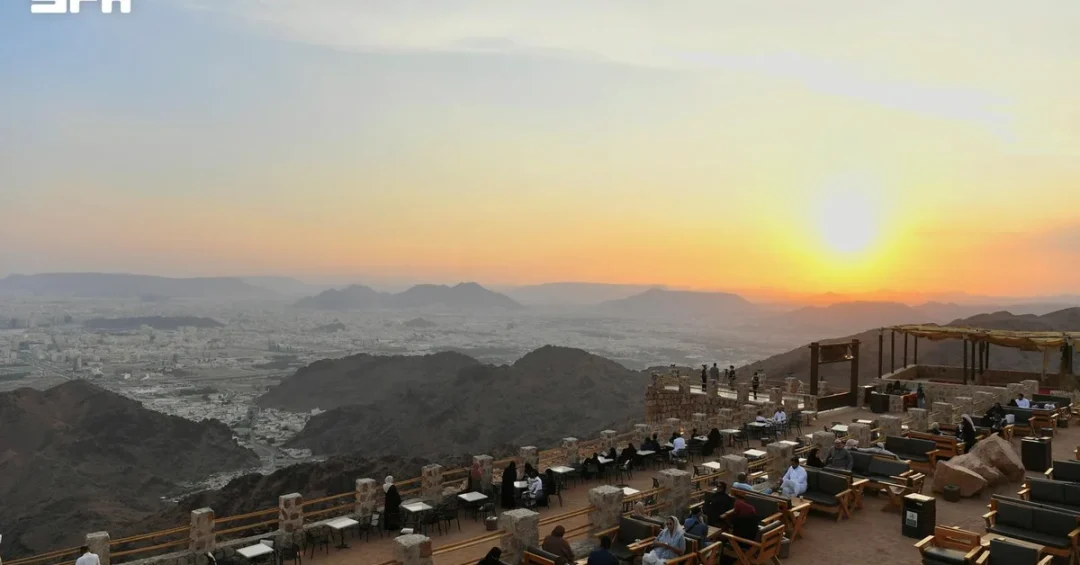
Mountain parks in Madinah have welcomed a large turnout of individuals and families, who enjoyed scenic views and moderate weather amid rainfall, reinforcing these sites’ status as prominent natural and recreational destinations for residents and visitors. The influx, reported by the Saudi Press Agency (SPA), highlights the growing appeal of Madinah’s outdoor attractions, which blend the city’s rich historical heritage with modern recreational amenities. As the Kingdom continues to develop its tourism sector under Vision 2030, these mountain parks offer a compelling example of how natural landscapes are being transformed into accessible, family-friendly destinations that cater to both local communities and international travelers.
Have you ever wondered how a city known primarily for its religious significance is also becoming a hub for nature-based leisure? The answer lies in strategic investments by the Madinah Regional Municipality, which oversees several projects aimed at enhancing the quality of life for residents and creating memorable experiences for visitors. These initiatives are part of a broader national effort to diversify the economy and promote domestic tourism, aligning with the ambitious goals of Saudi Vision 2030. By integrating green spaces, walking paths, and observation decks into the urban fabric, Madinah is setting a benchmark for sustainable urban development that respects both heritage and environment.
Context and Background
Why are mountain parks becoming such a vital component of Madinah’s tourism landscape? The answer lies in the city’s unique geography and its historical significance. Madinah, located in the western region of Saudi Arabia, is home to numerous mountains and hills that have witnessed pivotal events in Islamic history. Among these, Mount Uhud stands out as one of the most prominent historical and natural landmarks, situated approximately three kilometers north of the Prophet’s Mosque. The mountain encompasses an entertainment, tourism, and cultural project alongside a mountain park project, both supervised by the Madinah Regional Municipality. These developments offer green spaces, walking and climbing paths, observation decks with panoramic city views, and recreational areas, making them accessible to people of all ages and abilities.
The Al-Aziziyah Lookout in the Al-Jamawat neighborhood represents another modern mountain tourism destination, covering more than 56,000 square meters. It provides panoramic views of western Madinah, along with seating areas, walking and cycling paths, and cafes. These facilities are designed to cater to the growing demand for outdoor recreation, particularly during periods of moderate weather and rainfall, when the desert landscape transforms into a lush, inviting environment. The recent surge in visitors underscores the success of these projects in attracting both residents and tourists, who seek respite from the hustle and bustle of daily life and a chance to connect with nature.
How does this fit into the broader context of Saudi Arabia’s tourism strategy? Over the past decade, the Kingdom has launched numerous initiatives to position itself as a top global destination. The National Tourism Strategy, launched in 2019, aims to increase the tourism sector’s contribution to GDP from 3% to 10% by 2030, creating one million new jobs along the way. Madinah, with its religious and historical significance, plays a crucial role in this plan. By enhancing its natural and recreational offerings, the city is diversifying its appeal beyond pilgrimage, attracting visitors who are interested in culture, adventure, and leisure. The mountain parks are a key part of this diversification, offering experiences that complement the spiritual journey of millions who visit the Prophet’s Mosque each year.
Key Details
What exactly do these mountain parks offer to visitors? At Mount Uhud, the mountain park project includes a network of well-maintained walking and climbing paths that wind through the rugged terrain, allowing visitors to explore the area’s natural beauty up close. Observation decks provide breathtaking panoramic views of Madinah, including the iconic Prophet’s Mosque, while recreational areas are equipped with seating and picnic facilities for families. The entertainment and tourism project adds cultural elements, such as informational signage that educates visitors about the historical significance of the site, particularly the Battle of Uhud, which took place there in 625 CE. This integration of education and leisure ensures that visitors leave with a deeper appreciation of Madinah’s heritage.
The Al-Aziziyah Lookout, on the other hand, is a more contemporary destination that emphasizes modern amenities and accessibility. Spanning over 56,000 square meters, it features designated walking and cycling paths that cater to fitness enthusiasts and casual strollers alike. The seating areas are strategically placed to maximize the views of western Madinah, especially during sunset and sunrise. Cafes on-site offer refreshments, making it easy for visitors to spend several hours enjoying the surroundings. The lookout is designed to be inclusive, with ramps and pathways that accommodate wheelchairs and strollers, ensuring that everyone can enjoy the experience. The recent rainfall has added a unique charm to these parks, with the typically arid landscape blooming with temporary greenery, creating a picturesque setting that has drawn crowds eager to capture the moment.
How have these developments been received by the public? The large turnout reported by SPA indicates strong community engagement and satisfaction. Families, in particular, have flocked to the parks to enjoy the moderate weather and the opportunity to picnic and relax in a safe, well-maintained environment. The presence of security and maintenance staff ensures that the facilities remain clean and orderly, further enhancing the visitor experience. For many residents, these parks have become a regular weekend destination, offering a affordable and accessible way to unwind. For tourists, they provide an additional layer to their visit, allowing them to see a different side of Madinah that goes beyond its religious sites. The positive feedback has encouraged the Madinah Regional Municipality to consider further expansions and improvements, signaling a long-term commitment to outdoor recreation.
International and Regional Impact
How do Madinah’s mountain parks contribute to Saudi Arabia’s regional and international standing? By developing world-class recreational facilities, the Kingdom is sending a clear message that it is not only a destination for religious pilgrimage but also a modern, dynamic country that caters to diverse interests. This aligns with the goals of Vision 2030, which seeks to enhance the Kingdom’s image on the global stage and attract international tourists. In the region, Saudi Arabia is positioning itself as a leader in sustainable tourism, with projects like these serving as models for other cities in the Gulf and beyond. The emphasis on preserving natural landscapes while providing modern amenities reflects a balanced approach that resonates with environmentally conscious travelers.
Moreover, the mountain parks in Madinah are part of a larger network of attractions being developed across the Kingdom, from the Red Sea Project to NEOM. These initiatives collectively enhance Saudi Arabia’s tourism offering, making it more competitive with established destinations in the region such as Dubai and Abu Dhabi. For international visitors, the parks offer a unique blend of history, nature, and culture that is difficult to find elsewhere. The fact that they are supervised by a government entity ensures high standards of safety and quality, which is crucial for building trust among foreign tourists. As word spreads about these hidden gems, Madinah is likely to see an increase in international arrivals, further boosting the local economy and fostering cross-cultural exchange.
Economic and Strategic Significance
What economic benefits do these mountain parks bring to Madinah and the Kingdom? The influx of visitors translates into increased spending at local businesses, including cafes, restaurants, and shops in the vicinity. This creates jobs and stimulates entrepreneurship, particularly among small and medium-sized enterprises. The parks also serve as catalysts for real estate development, as improved infrastructure and amenities make surrounding areas more attractive for residential and commercial investment. Furthermore, by promoting domestic tourism, the parks help retain spending within the Kingdom, contributing to the national goal of increasing the tourism sector’s GDP share. The Madinah Regional Municipality’s investment in these projects is thus a strategic move to diversify the local economy away from oil dependence.
From a strategic perspective, the development of mountain parks supports the Kingdom’s efforts to improve the quality of life for its citizens, a key pillar of Vision 2030. Access to green spaces and recreational facilities has been linked to better physical and mental health, higher productivity, and stronger community bonds. By providing these amenities, the government is addressing the social needs of a growing population while also creating attractive environments for expatriates and skilled workers. This, in turn, supports the broader economic diversification agenda by making Saudi cities more livable and competitive. The parks also serve as a soft power tool, showcasing the Kingdom’s natural beauty and hospitality to the world, which can help attract foreign investment and partnerships.
Vision 2030 Alignment
How do Madinah’s mountain parks exemplify the objectives of Saudi Vision 2030? Vision 2030 is built on three main pillars: a vibrant society, a thriving economy, and an ambitious nation. The parks contribute to all three. They foster a vibrant society by providing spaces for families and individuals to socialize, exercise, and enjoy nature, thereby enhancing social cohesion and well-being. They support a thriving economy by attracting tourists, generating revenue, and creating jobs. And they reflect an ambitious nation by demonstrating the government’s commitment to sustainable development and innovative urban planning. The Madinah Regional Municipality’s supervision ensures that these projects are executed to the highest standards, in line with the Vision’s emphasis on excellence and efficiency.
Looking ahead, the success of these mountain parks is likely to inspire similar projects in other regions of the Kingdom, further expanding the tourism and recreation sector. As Saudi Arabia continues to open up to the world, such initiatives will play a crucial role in shaping its image as a modern, welcoming, and diverse destination. For international audiences, they offer a compelling reason to visit Madinah not just for spiritual fulfillment but also for leisure and adventure. In the long term, the integration of natural and cultural assets into the tourism experience will be a key driver of the Kingdom’s economic transformation, helping to achieve the ambitious targets set forth in Vision 2030. The mountain parks of Madinah are thus more than just scenic spots; they are symbols of a nation on the move, embracing its heritage while building a prosperous future.
20 Questions
Q1. What are the mountain parks in Madinah?
A1. The mountain parks in Madinah are outdoor recreational areas developed around natural elevations, such as Mount Uhud and Al-Aziziyah Lookout. They offer green spaces, walking paths, observation decks, and amenities for families and visitors to enjoy scenic views and moderate weather.
Q2. Where is Mount Uhud located?
A2. Mount Uhud is located approximately three kilometers north of the Prophet’s Mosque in Madinah. It is one of the city’s most prominent historical and natural landmarks, encompassing both an entertainment and tourism project and a mountain park project.
Q3. Who supervises the mountain park projects in Madinah?
A3. The Madinah Regional Municipality supervises the mountain park projects, including those at Mount Uhud and Al-Aziziyah Lookout. The municipality ensures the development and maintenance of these sites to high standards for public enjoyment.
Q4. What facilities are available at Mount Uhud’s mountain park?
A4. Mount Uhud’s mountain park offers green spaces, walking and climbing paths, observation decks with panoramic city views, and recreational areas. These facilities cater to individuals and families seeking leisure and outdoor activities.
Q5. What is the Al-Aziziyah Lookout?
A5. The Al-Aziziyah Lookout is a modern mountain tourism destination in the Al-Jamawat neighborhood of Madinah. Covering over 56,000 square meters, it provides panoramic views of western Madinah, along with seating areas, walking and cycling paths, and cafes.
Q6. Why have these parks seen a large turnout recently?
A6. The large turnout is due to moderate weather and rainfall, which have made the parks particularly attractive for outdoor activities. Visitors enjoy the scenic views and the rare greenery that rain brings to the typically arid landscape.
Q7. How do these parks contribute to Saudi Vision 2030?
A7. They support Vision 2030 by enhancing quality of life, promoting domestic tourism, creating jobs, and diversifying the economy. They also help position Saudi Arabia as a modern, diverse destination for international visitors.
Q8. Are the parks accessible to people with disabilities?
A8. Yes, the Al-Aziziyah Lookout and other facilities are designed to be inclusive, with ramps and pathways that accommodate wheelchairs and strollers. This ensures that all visitors can enjoy the parks.
Q9. What historical significance does Mount Uhud have?
A9. Mount Uhud is historically significant as the site of the Battle of Uhud in 625 CE. The park includes informational signage that educates visitors about this event, blending leisure with cultural education.
Q10. What types of activities can visitors enjoy at these parks?
A10. Visitors can enjoy walking, climbing, cycling, picnicking, and simply relaxing while taking in panoramic views. The parks also have cafes and seating areas for socializing and refreshments.
Q11. How do the parks benefit the local economy?
A11. The parks stimulate local businesses such as cafes and shops, create jobs, and attract tourism spending. They also boost real estate value in surrounding areas and support economic diversification away from oil.
Q12. Are there any entry fees for the parks?
A12. The source material does not mention entry fees. Typically, such public recreational spaces in Saudi Arabia are free or have minimal charges to ensure accessibility for all residents and visitors.
Q13. What is the best time to visit these parks?
A13. The best time to visit is during moderate weather, especially after rainfall when the landscape is greener. Early mornings and evenings are ideal for avoiding the heat and enjoying sunrise or sunset views.
Q14. How do these parks compare to other tourist attractions in Madinah?
A14. While Madinah is renowned for its religious sites, these parks offer a complementary experience focused on nature and recreation. They provide a different dimension to the city’s tourism offering, appealing to those seeking leisure and outdoor activities.
Q15. Are there plans to expand these mountain parks?
A15. The Madinah Regional Municipality is committed to continuous improvement, and the positive reception may lead to further expansions. However, specific future plans have not been detailed in the source material.
Q16. How do the parks promote environmental sustainability?
A16. The parks incorporate green spaces and preserve natural landscapes, promoting environmental stewardship. They are designed to minimize ecological impact while providing recreational opportunities, aligning with sustainable development principles.
Q17. Can international tourists visit these parks?
A17. Yes, international tourists are welcome to visit the mountain parks in Madinah. They are public spaces open to all, and they offer a unique way to experience the city’s natural beauty and culture.
Q18. What role does the Saudi Press Agency play in reporting on these parks?
A18. The Saudi Press Agency (SPA) is the official news agency of Saudi Arabia. It reported on the large turnout at the mountain parks, highlighting their popularity and the positive experiences of visitors.
Q19. How do the parks reflect Saudi Arabia’s cultural heritage?
A19. The parks, especially Mount Uhud, integrate cultural and historical elements, such as educational signage about the Battle of Uhud. This blend of recreation and heritage preservation showcases the Kingdom’s commitment to honoring its past while embracing modernity.
Q20. What impact have the parks had on the local community?
A20. The parks have provided a valuable recreational outlet for families and individuals, fostering community bonds and improving quality of life. They have also become a source of local pride and a gathering place for social activities.
Reader Feedback
We value your thoughts. Please share your feedback on this article.
Your feedback helps us improve our coverage.
Related articles
 Wadi Al-Ghar: Jazan’s New Nature Tourism Gem
 Fog and Rain Draw Visitors to Al-Baha Highlands
 A Night Among Juniper Trees Reveals Another Side of Taif’s Mountains
 Al-Wasm Rains Revive Al-Birk Greenery, Boost Winter Tourism
 Clouds Create Scenic Vistas Along Jeddah Waterfront
 Qilwah Mountains: Al-Baha’s Emerging Ecotourism Hub