


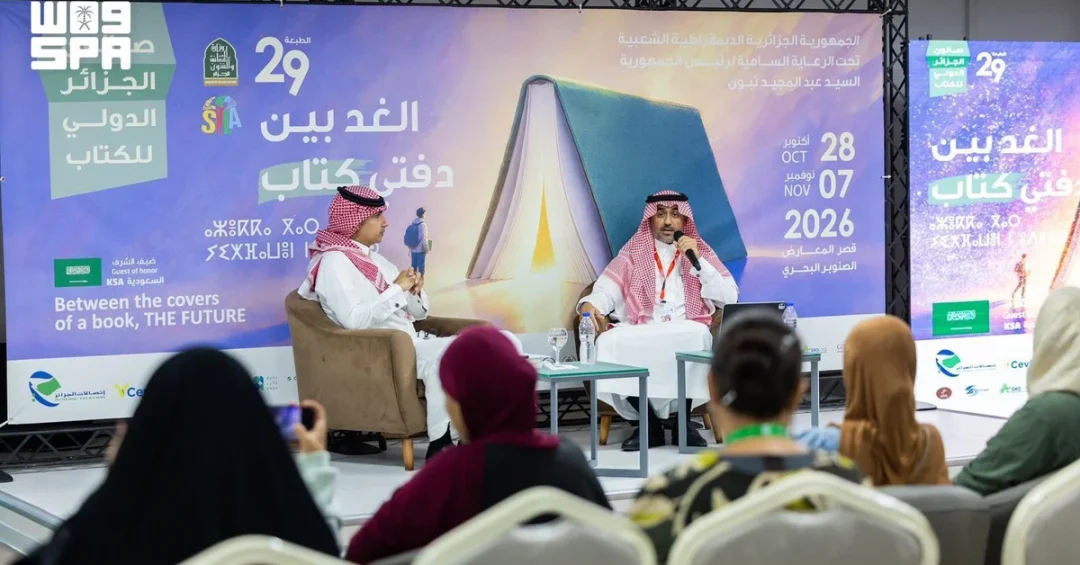
The Literature, Publishing, and Translation Commission (LPTC) has successfully concluded the cultural program accompanying the Kingdom of Saudi Arabia’s participation as the guest of honor at the 2026 Algiers International Book Fair, capping a landmark cultural engagement with a seminar on the role of the Arabic Observatory of Translation in documenting translation activity across the Arab world and shaping its future. The announcement, released via official Saudi channels including the Saudi Press Agency (SPA), underscores the Kingdom’s growing commitment to cultural diplomacy and knowledge exchange under the framework of Vision 2030. The seminar, held in Algiers on November 6, 2026, highlighted the observatory’s pivotal role in monitoring translation to and from Arabic, providing essential data to researchers, translators, and cultural institutions.
This participation marks a significant milestone in Saudi Arabia’s efforts to strengthen cultural ties with Algeria and the broader Arab region. As the guest of honor, the Kingdom showcased its rich literary heritage and modern cultural initiatives, reinforcing its position as a leader in the Arab cultural renaissance. The event drew attention to the LPTC’s innovative projects, particularly the Arabic Observatory of Translation, an initiative launched in partnership with the Arab League Educational, Cultural and Scientific Organization (ALECSO). This observatory serves as a central hub for tracking translation trends, offering valuable insights that support the development of the Arab translation sector. The successful conclusion of the program not only celebrates Saudi Arabia’s cultural achievements but also sets the stage for future collaborations that will enhance cultural exchange and mutual understanding across the region.
Context and Background
How did Saudi Arabia come to be honored as the guest of honor at one of North Africa’s most prestigious book fairs? The Algiers International Book Fair, held annually in Algeria’s capital, is a cornerstone event for literary and cultural exchange in the Arab world. Saudi Arabia’s selection as the guest of honor for 2026 reflects the Kingdom’s expanding cultural influence and its dedication to promoting Arabic literature and translation. The Literature, Publishing, and Translation Commission, a key entity under the Saudi Ministry of Culture, has been at the forefront of these efforts, spearheading initiatives that align with Vision 2030’s cultural objectives. The commission’s participation in the fair was not merely symbolic; it involved a comprehensive cultural program designed to highlight Saudi Arabia’s contributions to literature, publishing, and translation.
The Arabic Observatory of Translation, an initiative of the LPTC in partnership with ALECSO, was a focal point of the seminar. Established to monitor and document translation activities across the Arab world, the observatory addresses a critical gap in the region’s cultural infrastructure. By collecting and analyzing data on translated works, it provides a foundation for strategic planning and resource allocation. This initiative is particularly timely, as the Arab world seeks to enhance its presence in global knowledge production. The observatory’s work supports researchers, translators, and cultural institutions by offering reliable data and insights, thereby fostering a more vibrant and interconnected translation ecosystem. The seminar in Algiers served as a platform to showcase these efforts and to engage with stakeholders from across the region.
Key Details
What specific outcomes emerged from the seminar on the Arabic Observatory of Translation? The seminar, held as part of the closing events of the book fair, brought together experts, translators, and cultural officials to discuss the observatory’s achievements and future directions. Participants highlighted how the observatory provides comprehensive data on translation flows, including statistics on translated books, languages, and genres. This information is instrumental for researchers studying cultural exchange and for institutions planning translation projects. The observatory also facilitates networking among translators and publishers, promoting collaboration and quality in translation. During the seminar, speakers emphasized the observatory’s role in preserving Arabic cultural heritage by ensuring that significant works are translated and disseminated widely.
Furthermore, the seminar underscored the importance of partnerships in advancing translation. The collaboration between the LPTC and ALECSO was praised as a model for regional cooperation. By pooling resources and expertise, these organizations are able to achieve far more than they could individually. The observatory’s database, which is accessible to stakeholders, includes information on translation trends, gaps, and opportunities. This data-driven approach enables evidence-based decision-making and helps identify priority areas for translation. For instance, the observatory has noted a growing interest in translating contemporary Arabic literature into other languages, as well as a need for more scientific and technical translations into Arabic. These insights are crucial for shaping policies and initiatives that support the translation sector.
International and Regional Impact
How does Saudi Arabia’s participation in the Algiers Book Fair resonate beyond the event itself? The Kingdom’s role as guest of honor has significant implications for cultural diplomacy in the Arab world and beyond. By showcasing its cultural initiatives, Saudi Arabia reinforces its commitment to fostering dialogue and understanding among nations. The fair provided a platform for Saudi publishers, authors, and translators to engage with their counterparts from Algeria and other countries, leading to potential collaborations and agreements. Such interactions are vital for building bridges between cultures and for promoting the Arabic language as a vehicle for global communication. The positive reception of Saudi Arabia’s program reflects the Kingdom’s growing soft power and its ability to influence cultural narratives.
Regionally, the event strengthens ties between Saudi Arabia and Algeria, two influential Arab nations with rich cultural histories. The exchange of ideas and best practices in publishing and translation can lead to joint projects that benefit both countries. For example, the Arabic Observatory of Translation could serve as a model for similar initiatives in other Arab states, fostering a more integrated approach to cultural development. Additionally, the fair highlighted the importance of translation in preserving and promoting Arab identity. By supporting translation efforts, Saudi Arabia contributes to the broader goal of enhancing the Arab world’s cultural presence on the global stage. This aligns with the Kingdom’s foreign policy objectives of promoting moderation, dialogue, and mutual respect.
Economic and Strategic Significance
What economic and strategic benefits does Saudi Arabia’s cultural engagement bring? While cultural events like book fairs may not immediately appear to have economic implications, they play a crucial role in the knowledge economy. The translation sector, in particular, is a growing industry that supports publishing, education, and research. By investing in translation infrastructure, Saudi Arabia is nurturing a skilled workforce and creating opportunities for entrepreneurs and businesses. The Arabic Observatory of Translation, by providing data and insights, helps identify market trends and demands, enabling publishers and translators to make informed decisions. This can lead to increased production of translated works, which in turn stimulates the publishing industry and related sectors.
Strategically, Saudi Arabia’s cultural diplomacy supports its broader goals of regional stability and influence. By positioning itself as a cultural leader, the Kingdom enhances its soft power and builds goodwill among nations. This is particularly important in the Arab world, where cultural ties are deeply valued. The successful participation in the Algiers Book Fair demonstrates Saudi Arabia’s ability to convene and collaborate with regional partners, reinforcing its role as a bridge-builder. Moreover, the focus on translation aligns with Vision 2030’s emphasis on knowledge transfer and innovation. By facilitating the exchange of ideas across languages, Saudi Arabia contributes to the global knowledge pool and positions itself as a hub for intellectual activity.
Vision 2030 Alignment
How does the LPTC’s participation in the Algiers Book Fair reflect the objectives of Saudi Vision 2030? Vision 2030 aims to diversify the economy, empower citizens, and enhance the Kingdom’s global standing. Culture is a key pillar of this vision, with initiatives designed to preserve heritage, promote creativity, and foster international cultural exchange. The LPTC’s work, including the Arabic Observatory of Translation, exemplifies these goals. By documenting and supporting translation, the commission contributes to the growth of a knowledge-based economy and enhances Saudi Arabia’s cultural influence. The participation in the fair also underscores the Kingdom’s commitment to international cooperation, a core principle of Vision 2030.
Looking ahead, the success of the Algiers Book Fair sets a precedent for future Saudi cultural engagements. The LPTC is expected to continue its efforts to promote Arabic literature and translation, building on the momentum gained in Algeria. These initiatives will not only enrich the cultural landscape but also contribute to the Kingdom’s economic diversification by supporting creative industries. As Saudi Arabia continues to invest in culture, it reinforces its position as a global leader in promoting dialogue and understanding. The Arabic Observatory of Translation, with its data-driven approach, will remain a vital tool for advancing the Arab translation sector and for showcasing the richness of Arabic culture to the world.
20 Questions
Q1. What event did the Literature, Publishing, and Translation Commission conclude?
A1. The LPTC concluded the cultural program accompanying Saudi Arabia’s participation as the guest of honor at the 2026 Algiers International Book Fair.
Q2. Where and when did the seminar on the Arabic Observatory of Translation take place?
A2. The seminar took place in Algiers, Algeria, on November 6, 2026, as part of the closing events of the book fair.
Q3. What is the Arabic Observatory of Translation?
A3. It is an initiative of the LPTC, in partnership with ALECSO, that monitors translation activity to and from Arabic and provides data to support the translation sector.
Q4. What role does the observatory play in the Arab world?
A4. The observatory documents translation trends, offers data to researchers and institutions, and helps shape the future of translation across the Arab world.
Q5. Who partnered with the LPTC to establish the observatory?
A5. The Arab League Educational, Cultural and Scientific Organization (ALECSO) partnered with the LPTC to establish the observatory.
Q6. What was the main focus of the seminar held in Algiers?
A6. The seminar focused on the role of the Arabic Observatory of Translation in documenting translation activity and shaping its future.
Q7. How does the observatory support researchers and translators?
A7. It provides data and information that support researchers, translators, and cultural institutions, contributing to the development of the Arab translation sector.
Q8. What does the observatory monitor?
A8. The observatory monitors translation activity to and from the Arabic language, tracking trends and volumes.
Q9. Why is Saudi Arabia’s participation significant?
A9. It highlights the Kingdom’s cultural leadership and its commitment to promoting Arabic literature and translation on a regional and global scale.
Q10. What is the Algiers International Book Fair?
A10. It is a major annual cultural event in Algeria that brings together publishers, authors, and cultural organizations from across the Arab world and beyond.
Q11. How does the observatory contribute to the Arab translation sector?
A11. By providing comprehensive data and insights, it enables evidence-based planning, identifies gaps, and promotes collaboration among stakeholders.
Q12. What benefits does the observatory offer to cultural institutions?
A12. Cultural institutions can use the observatory’s data to design effective translation programs, allocate resources, and measure impact.
Q13. What is the LPTC?
A13. The Literature, Publishing, and Translation Commission is a Saudi government entity under the Ministry of Culture that supports literature, publishing, and translation.
Q14. How does this event align with Vision 2030?
A14. It aligns with Vision 2030’s cultural objectives by promoting knowledge exchange, enhancing Saudi Arabia’s global presence, and supporting creative industries.
Q15. What future plans does the LPTC have for translation?
A15. The LPTC is expected to continue expanding the observatory’s reach and promoting Arabic literature through translation initiatives.
Q16. How does the observatory help preserve Arabic heritage?
A16. By documenting and facilitating the translation of significant works, it ensures that Arabic cultural heritage is preserved and shared globally.
Q17. What impact does Saudi Arabia’s guest of honor status have?
A17. It strengthens cultural ties with Algeria, showcases Saudi cultural achievements, and fosters regional cooperation in publishing and translation.
Q18. Who attended the seminar?
A18. Experts, translators, and cultural officials from Saudi Arabia, Algeria, and other Arab countries attended the seminar.
Q19. What data does the observatory provide?
A19. It provides statistics on translated books, languages, genres, and trends, which help stakeholders make informed decisions.
Q20. How can one access the observatory’s resources?
A20. The observatory’s resources are accessible to researchers, translators, and cultural institutions through the LPTC and ALECSO networks.
Reader Feedback
We value your thoughts. Please share your feedback on this article.
Your feedback helps us improve our coverage.
Related articles
 Khan Al-Khalil Collectibles Keep Old Jeddah’s Memory Alive
 Two Falcons Sell for SAR388,000 on 17th Night of National Center for Falcons Auction 2026
 Saudi Culture Minister Visits Algiers Book Fair Pavilion
 Saudi Culture Minister Meets Algerian Counterpart in Algiers
 Algerian President Meets Saudi Culture Minister
 Saudi Film Industry Yearbook 2025 Shows Record Growth