



Qassim Region is home to approximately 10.87 million date palm trees spread across 13,000 farms, producing more than 584,000 tons of dates annually from over 30 varieties, according to the National Center for Palms and Dates. This remarkable concentration of agricultural wealth underscores the date palm’s enduring role as both a pillar of food security and a living symbol of Saudi heritage. For generations, the people of Qassim have tended these orchards, passing down knowledge that now supports a modern, sustainable agricultural sector aligned with the Kingdom’s long-term development goals. The palm is not merely a crop; it is a cultural anchor that connects past, present, and future.
The date palm in Qassim represents far more than an economic asset. It embodies the region’s identity, reflecting a deep and enduring bond between its people and the land. This living heritage encompasses farming knowledge, traditions, and crafts that have been refined over centuries. As Saudi Arabia advances its Vision 2030 agenda, the date palm sector stands as a prime example of how traditional practices can be harmonized with modern innovation to drive sustainable development. The orchards of Qassim are not just farms; they are repositories of genetic diversity, cultural memory, and economic potential.
Context and Background
How did the date palm come to occupy such a central place in Qassim’s identity and economy? The answer lies in a combination of favorable climate, generations of expertise, and strategic support from national institutions. Qassim is one of the Kingdom’s leading date-growing regions, with palm orchards stretching across its governorates and centers. The National Center for Palms and Dates reports that the region’s 13,000 farms collectively cultivate about 10.87 million palm trees, yielding over 584,000 tons annually. These figures highlight the palm’s importance not only to the regional economy but also to national food security. The sector creates opportunities in farm services, marketing, packaging, storage, and processing, adding value across the agricultural chain.
The cultivation of date palms in Qassim is a year-round endeavor that demands skill and dedication. Farmers rely on long experience to time each task according to the tree’s variety and age. The cycle includes removing dry fronds, trimming bases, pollination, managing date bunches, fertilizing, and monitoring for pests, followed by harvesting and preparing for the next season. This intricate process has been handed down through generations, covering not only cultivation but also the use of palm parts in traditional crafts, household items, and farming. The knowledge embedded in these practices represents an invaluable intangible heritage that continues to inform modern agricultural methods.
Water management is central to the sustainability of palm farming in Qassim. Growers are increasingly adopting modern irrigation networks, soil moisture monitoring, and precise control of water volumes and timing to conserve this vital resource. Protecting the trees from pests and diseases, especially the red palm weevil, depends on regular monitoring, early detection, and approved control methods. These efforts reflect a broader commitment to sustainable agriculture that aligns with Saudi Arabia’s environmental goals and the principles of the circular economy. By integrating traditional wisdom with technological advancements, Qassim’s farmers are ensuring the long-term viability of their orchards.
Key Details
What makes Qassim’s date varieties so significant? The region’s many varieties give the date market a wide choice. Sukkari is the best known and the one most closely tied to Qassim, alongside khalas, barhi, medjool, and several local inherited varieties. These are valuable agricultural genetic resources that deserve to be documented and preserved, including their names, traits, distribution, and the traditional knowledge of how to grow them. The diversity of dates not only enhances food security but also supports a robust export market. Each variety has unique characteristics that cater to different tastes and uses, from premium table dates to processed products.
The social and cultural dimensions of the date palm are equally important. The palm runs deep in Qassim’s collective memory as a symbol of generosity and hospitality, woven into the customs of serving dates and welcoming guests. The seasons of tending palms and harvesting dates have long brought families and communities together, passing knowledge from one generation to the next. The orchards themselves preserve traditional farm buildings, old irrigation methods, and the tools once used to tend the trees and gather the crop. This cultural heritage is a source of pride and a testament to the region’s enduring connection to its agricultural roots.
As the sector develops, new investment opportunities are emerging in processing and palm products. From better manufacturing and packaging to modern technology that turns farm waste into goods of economic value, the industry is evolving in line with circular economy and sustainability principles. These innovations not only boost economic returns but also reduce environmental impact. For instance, palm fronds and other byproducts can be converted into biofuels, animal feed, or raw materials for handicrafts, creating additional income streams for farmers and entrepreneurs. Such developments are crucial for maximizing the value of the date palm and ensuring its continued relevance in a changing world.
International and Regional Impact
How does Qassim’s date palm sector influence Saudi Arabia’s position on the global stage? Saudi dates are increasingly recognized worldwide for their quality and variety. The Kingdom is one of the largest producers and exporters of dates, and Qassim’s output plays a significant role in this success. By exporting premium varieties like Sukkari and medjool, Saudi Arabia strengthens its trade relationships and showcases its agricultural capabilities. Moreover, the sector’s focus on sustainability and innovation aligns with global trends toward environmentally responsible production, enhancing the Kingdom’s reputation as a forward-thinking nation.
Regionally, Qassim’s experience serves as a model for other date-growing areas in the Gulf and beyond. The integration of traditional knowledge with modern technology demonstrates how heritage can be a driver of development rather than an obstacle. This approach resonates with Saudi Arabia’s Vision 2030, which seeks to diversify the economy and promote sustainable practices. By sharing expertise and best practices, Qassim contributes to the broader goal of enhancing food security in the region. The date palm thus becomes a bridge between nations, fostering cooperation and mutual growth.
Economic and Strategic Significance
What economic benefits does the date palm bring to Qassim and the Kingdom? The sector supports thousands of jobs, from farm laborers to processors and marketers. It also stimulates ancillary industries such as packaging, logistics, and retail. The annual production of over 584,000 tons represents a substantial contribution to the national economy. Furthermore, the date palm is a strategic crop for food security, reducing reliance on imports and ensuring a stable supply of nutritious food. As the global demand for healthy, natural products rises, Saudi dates are well-positioned to capture new markets.
The strategic significance of the date palm extends to environmental sustainability. Palm orchards act as carbon sinks, help combat desertification, and preserve biodiversity. The adoption of water-saving irrigation techniques and the recycling of agricultural waste further enhance the sector’s green credentials. These practices align with the Saudi Green Initiative and the Kingdom’s commitment to achieving net-zero emissions by 2060. By investing in sustainable date palm cultivation, Saudi Arabia is not only securing its agricultural future but also contributing to global environmental goals.
Vision 2030 Alignment
How does the date palm sector embody the objectives of Saudi Vision 2030? Vision 2030 aims to diversify the economy, create jobs, and promote sustainable development. The date palm industry in Qassim directly supports these goals by generating economic value, fostering innovation, and preserving cultural heritage. The National Center for Palms and Dates plays a key role in this effort, providing support and guidance to farmers. As the sector continues to modernize, it will create new opportunities for entrepreneurship and investment, particularly in processing and value-added products.
In conclusion, the date palm in Qassim is more than a crop; it is a symbol of resilience, heritage, and progress. The Kingdom’s leadership has recognized its importance and is committed to its sustainable development. Through a combination of traditional wisdom and modern technology, Qassim’s farmers are ensuring that the date palm continues to thrive for generations to come. This living heritage is a testament to Saudi Arabia’s ability to honor its past while embracing its future. As Vision 2030 unfolds, the date palm will remain a vital part of the Kingdom’s identity and a driver of its prosperity.
20 Questions
Q1. What is the significance of the date palm in Qassim Region?
A1. The date palm embodies Qassim’s identity and agricultural memory, reflecting the enduring bond between its people and the land. It anchors a living heritage of farming knowledge, traditions, and crafts, while also serving as a vital economic and food security asset for the region and the Kingdom.
Q2. How many palm trees are there in Qassim and how much do they produce?
A2. According to the National Center for Palms and Dates, Qassim is home to about 10.87 million palm trees on 13,000 farms, producing more than 584,000 tons of dates annually across over 30 varieties. These figures highlight the region’s leading role in date production.
Q3. What are the main date varieties grown in Qassim?
A3. Sukkari is the most famous variety closely tied to Qassim, along with khalas, barhi, medjool, and several local inherited varieties. These diverse types offer a wide choice in the market and represent valuable agricultural genetic resources that deserve documentation and preservation.
Q4. How does date palm cultivation contribute to the local economy?
A4. Date palm cultivation creates opportunities in farm services, marketing, packaging, storage, and processing, adding value to the agricultural sector. It supports jobs and stimulates ancillary industries, contributing significantly to the region’s economic vitality and the Kingdom’s food security.
Q5. What traditional practices are associated with date palm farming in Qassim?
A5. Traditional practices include cultivation, pollination, harvesting, and the use of palm parts in crafts and household items. Knowledge is handed down through generations, covering all aspects of tending the trees and the customs of serving dates, which are symbols of generosity and hospitality.
Q6. How do farmers in Qassim manage irrigation sustainably?
A6. Growers save water through modern networks, soil moisture monitoring, and precise control of water volumes and timing. These techniques ensure efficient water use, reflecting a commitment to sustainability and aligning with national efforts to conserve resources.
Q7. What pests pose a threat to date palms and how are they controlled?
A7. The red palm weevil is a major pest, along with other diseases. Control depends on regular monitoring, early detection, and approved methods. Farmers and authorities work together to protect the trees, ensuring the health of the orchards and the sustainability of production.
Q8. What is the social and cultural importance of the date palm in Qassim?
A8. The palm is a symbol of generosity and hospitality, woven into customs of welcoming guests. The seasons of tending and harvesting bring families and communities together, passing knowledge to the next generation. Orchards preserve traditional farm buildings and old irrigation methods.
Q9. What new investment opportunities are emerging in the date palm sector?
A9. New opportunities include processing and palm products, better manufacturing and packaging, and modern technology that turns farm waste into valuable goods. These align with circular economy and sustainability principles, creating additional income streams and promoting environmental responsibility.
Q10. How does the date palm sector support Saudi Arabia’s food security?
A10. With over 584,000 tons produced annually in Qassim alone, the date palm sector provides a stable supply of nutritious food, reducing reliance on imports. It is a strategic crop that enhances national food security and contributes to the Kingdom’s self-sufficiency goals.
Q11. What role does the National Center for Palms and Dates play?
A11. The National Center for Palms and Dates supports the sector by providing data, guidance, and resources to farmers. It helps document varieties, promote best practices, and drive innovation, ensuring the sustainable development of the date palm industry in line with Vision 2030.
Q12. How does date palm farming align with Vision 2030?
A12. Vision 2030 aims to diversify the economy, create jobs, and promote sustainability. The date palm sector supports these goals by generating economic value, fostering innovation, and preserving cultural heritage. It exemplifies how traditional industries can modernize and contribute to national prosperity.
Q13. What environmental benefits do date palm orchards provide?
A13. Palm orchards act as carbon sinks, help combat desertification, and preserve biodiversity. Sustainable practices like water-saving irrigation and waste recycling further enhance their environmental credentials, supporting the Saudi Green Initiative and the Kingdom’s net-zero emissions goal.
Q14. How are traditional date palm knowledge and skills preserved?
A14. Knowledge is passed down through generations via hands-on training and community traditions. Documentation efforts, including recording variety traits and traditional practices, help preserve this intangible heritage. The orchards themselves serve as living museums of agricultural history.
Q15. What is the significance of Sukkari dates?
A15. Sukkari is the most renowned date variety closely associated with Qassim. It is prized for its superior quality, sweet flavor, and texture. As a flagship product, Sukkari enhances the region’s reputation and contributes significantly to the local and national economy through domestic sales and exports.
Q16. How does the date palm sector contribute to rural development?
A16. The sector provides employment and income for rural communities, supporting livelihoods and reducing migration to cities. It stimulates local businesses in packaging, transport, and services. By investing in rural areas, the date palm industry helps achieve balanced regional development, a key Vision 2030 objective.
Q17. What innovations are being introduced in date palm cultivation?
A17. Innovations include modern irrigation systems, soil moisture sensors, precision agriculture, and integrated pest management. Technology is also used to convert farm waste into valuable products. These advancements increase efficiency, reduce environmental impact, and boost productivity, ensuring the sector’s competitiveness.
Q18. How does the date palm sector attract international investment?
A18. The sector’s growth potential, strategic location, and supportive government policies attract international investors. Opportunities in processing, packaging, and technology transfer are particularly appealing. Saudi Arabia’s commitment to Vision 2030 and its business-friendly environment make the date palm industry an attractive destination for foreign capital.
Q19. What is the role of women in the date palm sector in Qassim?
A19. Women participate in various aspects, from farming to processing and marketing, often through family businesses and cooperatives. Their involvement is supported by national programs that empower women economically. This contributes to social development and aligns with Vision 2030’s goal of increasing women’s workforce participation.
Q20. How can consumers support sustainable date palm farming?
A20. Consumers can support sustainability by choosing dates from certified sustainable farms, reducing waste, and appreciating the cultural heritage behind the product. By valuing quality and sustainability, they encourage farmers to adopt environmentally friendly practices and preserve traditional knowledge for future generations.
Reader Feedback
We value your thoughts. Please share your feedback on this article.
Your feedback helps us improve our coverage.
Related articles
 Saudi EXIM Provides SAR43.22 Billion in Credit Facilities in First Nine Months of 2026
 GCC Logistics Integration Key to Gulf Economic Security
 Saudi Minister Launches Riyadh Agri-Processing Facility
 IsDB Group to Participate in BOE Africa 2026
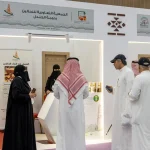 Dumat Al-Jandal Concludes Fourth Agricultural Processing Festival
 ZATCA Urges October Withholding Tax Forms by November 10