


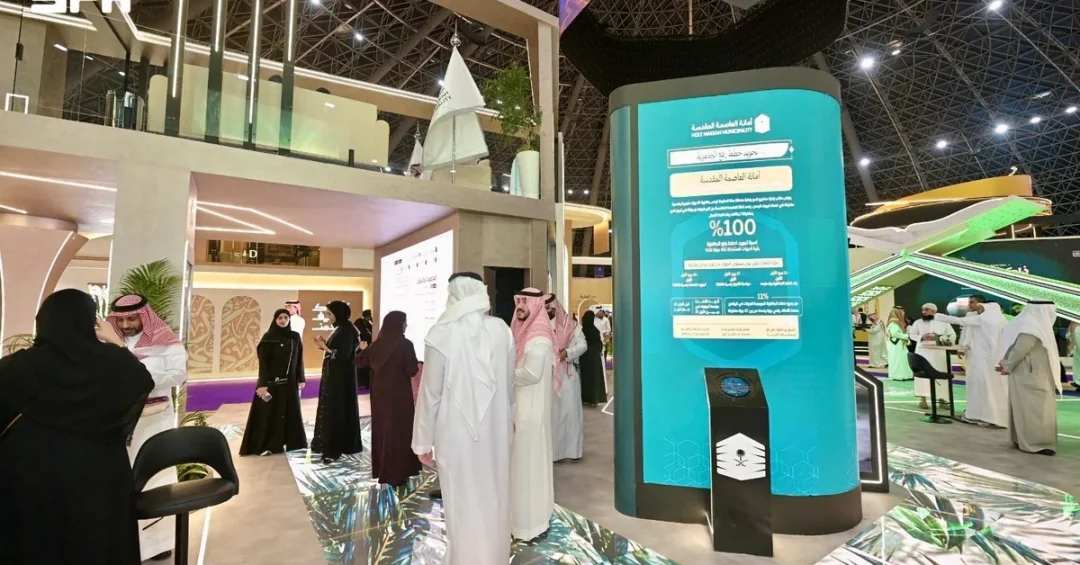
The Holy Makkah Municipality is presenting a comprehensive portfolio of urban development projects and pilgrim-service initiatives at the sixth Hajj Conference and Exhibition, which opened on November 8, 2026, at the Jeddah Superdome and runs through November 11. Organized by the Ministry of Hajj and Umrah in cooperation with the Pilgrim Experience Program, the four-day event brings together government agencies, service providers, and international stakeholders to advance the quality and sustainability of the Hajj experience. The municipality’s participation highlights its central role in preparing the holy city for the millions of pilgrims who arrive each year, while also improving daily life for Makkah’s residents.
At the heart of the municipality’s approach is a people-first philosophy that places the comfort, safety, and spiritual well-being of pilgrims and residents at the center of every project. From expanding green spaces and upgrading infrastructure to deploying artificial intelligence for smarter service delivery, the initiatives on display reflect a holistic vision of urban development. They also underscore the Kingdom’s commitment to preserving Makkah’s historical and cultural identity while embracing modern technologies and environmental standards. As the exhibition gets underway, visitors can explore how these efforts are transforming the holy city into a model of sustainable urban growth.
Context and Background
How did the Hajj Conference and Exhibition become such a pivotal platform for showcasing Saudi Arabia’s service to pilgrims? Since its inception, the event has grown into a major international gathering that draws experts, policymakers, and private-sector leaders from around the world. The sixth edition, hosted at the Jeddah Superdome, continues this tradition by providing a space where innovative solutions for crowd management, health, safety, and urban services are shared and refined. For the Holy Makkah Municipality, the conference is an opportunity to demonstrate how its long-term planning aligns with the evolving needs of the Hajj and Umrah seasons.
The municipality’s mandate extends far beyond the pilgrimage period. It is responsible for a wide range of municipal services that affect the daily lives of Makkah’s growing population, including waste management, food safety, road maintenance, and public health. By integrating these services into a unified strategy, the municipality ensures that the city remains well-prepared for both routine demands and the intense pressures of the Hajj season. This dual focus is essential for maintaining Makkah’s status as a global spiritual destination while fostering a high quality of life for its residents.
Over the years, the municipality has consistently raised its operational readiness, particularly in emergency response and rapid intervention. The Hajj Conference provides a benchmark against which these capabilities can be measured and improved. It also facilitates coordination with other agencies, such as the Ministry of Hajj and Umrah and the Pilgrim Experience Program, ensuring that all stakeholders work in harmony toward common goals. This collaborative spirit is a hallmark of Saudi Arabia’s approach to hosting the Hajj, and it reflects the broader objectives of Vision 2030.
Key Details of the Municipality’s Participation
What specific projects and initiatives is the Holy Makkah Municipality showcasing at the exhibition? The municipality’s booth features a detailed presentation of its food safety framework for catering services, a critical component of pilgrim welfare. The framework covers provider qualification requirements, measures to prevent food poisoning, risk-based oversight, and self-monitoring and quality assurance. These protocols are designed to ensure that the millions of meals served during Hajj and Umrah are prepared and handled under the highest hygiene standards. The municipality also explains how it tackles violations during the Hajj season through field monitoring, coordination with relevant agencies, and preventive and corrective measures to ensure compliance with municipal regulations.
Another highlight is the municipality’s use of modern technologies, including artificial intelligence and digital solutions, to make services easier to access and more efficient. For example, AI-powered systems are being used to optimize cleaning and maintenance schedules, predict areas of high demand, and improve response times. The municipality is also developing its cleaning and maintenance systems and building the capabilities of its field teams to keep pace with urban growth. These technological investments are part of a broader effort to enhance the urban landscape and raise the quality of life for both residents and visitors.
Infrastructure development is a third pillar of the municipality’s showcase. The city is improving rest areas, upgrading roads and public facilities, and enhancing the urban environment to help pilgrims perform their rituals in comfort and peace of mind. The municipality is also expanding tree planting and green spaces, applying environmental standards, and improving the urban landscape. These initiatives are designed to make Makkah a leading model of sustainable urban development, where environmental stewardship goes hand in hand with world-class service delivery. Visitors to the exhibition can see how these projects are being implemented across the holy city.
International and Regional Impact
Why does the Holy Makkah Municipality’s work resonate far beyond Saudi Arabia’s borders? The Hajj is one of the largest annual gatherings of humanity, drawing pilgrims from every continent. The quality of municipal services directly affects the experience of these international visitors, shaping their perception of the Kingdom and its ability to host such a massive event. By showcasing its projects at the Hajj Conference, the municipality signals to the global community that Saudi Arabia is continuously investing in the safety, comfort, and spiritual well-being of pilgrims. This commitment strengthens the Kingdom’s standing as a responsible and capable steward of the holy sites.
Regionally, the municipality’s initiatives contribute to the broader goals of the Pilgrim Experience Program, which seeks to enrich the journey of every pilgrim. The program is a key component of Vision 2030, aiming to increase the number of pilgrims and Umrah performers while enhancing the quality of services they receive. The municipality’s focus on food safety, emergency preparedness, and sustainable urban development supports these objectives by creating an environment where pilgrims can focus on their worship without concern for their physical needs. This, in turn, boosts the Kingdom’s reputation as a preferred destination for religious tourism and a leader in service excellence.
Furthermore, the technologies and best practices shared at the conference have the potential to benefit other cities and countries that host large-scale events. The municipality’s use of AI for crowd management and service optimization, for instance, offers a model that can be adapted to other contexts. By participating in international exhibitions, Saudi Arabia positions itself as a source of innovation and expertise in urban management and pilgrimage services. This knowledge exchange fosters goodwill and cooperation, aligning with the Kingdom’s vision of a connected and prosperous region.
Economic and Strategic Significance
How do these municipal projects contribute to Saudi Arabia’s economic and strategic goals? The Hajj and Umrah sectors are significant contributors to the national economy, generating revenue through transportation, hospitality, retail, and other services. By improving the pilgrim experience, the municipality helps to attract more visitors, thereby increasing economic activity and creating jobs for Saudi citizens. The focus on sustainable development and green spaces also supports the growth of eco-friendly industries and aligns with global trends toward environmental responsibility.
Strategically, the municipality’s work is integral to Vision 2030’s aim of diversifying the economy away from oil. A well-managed and attractive Makkah enhances the Kingdom’s appeal as a destination for religious tourism, which is a key pillar of the plan to boost non-oil revenues. The investments in infrastructure and technology also stimulate local businesses and encourage entrepreneurship. Moreover, the municipality’s emphasis on operational readiness and rapid response ensures that the city can handle increasing numbers of pilgrims safely, which is essential for maintaining the trust of the global Muslim community.
The municipality’s projects also have a direct impact on the quality of life for Makkah’s residents. Improved public facilities, cleaner streets, and better emergency services make the city more livable and attractive. This supports the Vision 2030 goal of enhancing the well-being of all citizens and residents. By creating a model of sustainable urban development, Makkah sets an example for other Saudi cities, contributing to the nationwide effort to build vibrant and resilient communities.
Vision 2030 Alignment
In what ways does the Holy Makkah Municipality’s participation in the Hajj Conference exemplify the objectives of Saudi Vision 2030? The Vision, launched by Crown Prince Mohammed bin Salman, seeks to transform the Kingdom into a global investment powerhouse and a hub connecting three continents. The municipality’s initiatives align with several of the Vision’s key themes, including the enhancement of the pilgrimage experience, the development of sustainable cities, and the promotion of technological innovation. By placing people at the heart of its priorities, the municipality embodies the Vision’s commitment to a thriving society and a prosperous economy.
Specifically, the Pilgrim Experience Program, which is a Vision 2030 realization program, aims to increase the capacity of the Hajj and Umrah system and improve the quality of services. The municipality’s food safety framework, emergency response improvements, and urban development projects directly support these goals. The use of AI and digital solutions also reflects the Vision’s emphasis on digital transformation and smart city development. As Makkah continues to evolve, these efforts will ensure that the holy city remains a beacon of spiritual significance and a model of modern urban excellence.
Looking ahead, the Holy Makkah Municipality’s showcase at the sixth Hajj Conference and Exhibition is more than a display of current projects; it is a statement of intent for the future. The municipality is committed to continuous improvement and to fostering partnerships that advance the Kingdom’s vision. As pilgrims and residents benefit from these initiatives, they contribute to the broader narrative of Saudi Arabia’s progress and its dedication to serving Islam’s holiest sites. The conference serves as a reminder that through innovation, collaboration, and a steadfast focus on people, Makkah is building a future that honors its past while embracing the possibilities of tomorrow.
20 Questions
Q1. What is the Holy Makkah Municipality showcasing at the sixth Hajj Conference and Exhibition?
A1. The municipality is showcasing key development projects and initiatives to improve municipal services, quality of life, and the pilgrim experience. These include food safety frameworks, AI-driven services, infrastructure upgrades, and environmental projects, all designed to support the Hajj and Umrah seasons.
Q2. When and where is the sixth Hajj Conference and Exhibition taking place?
A2. The conference is being held from November 8 to 11, 2026, at the Jeddah Superdome. It is organized by the Ministry of Hajj and Umrah in cooperation with the Pilgrim Experience Program, bringing together stakeholders to enhance Hajj services.
Q3. Who organizes the Hajj Conference and Exhibition?
A3. The event is organized by the Ministry of Hajj and Umrah in cooperation with the Pilgrim Experience Program. This partnership reflects Saudi Arabia’s commitment to continuously improving the pilgrimage experience through collaboration and innovation.
Q4. What is the municipality’s overarching philosophy regarding its projects?
A4. The municipality places people at the heart of its priorities. It delivers high-quality projects to develop public facilities, improve municipal services, and preserve Makkah’s historical and cultural identity while meeting modern development needs and enhancing quality of life.
Q5. How does the municipality aim to achieve sustainable urban development?
A5. It aims to make Makkah a leading model of sustainable urban development by expanding tree planting and green spaces, applying environmental standards, and improving the urban landscape. These efforts raise the quality of life for both residents and visitors.
Q6. What does the food safety framework presented by the municipality cover?
A6. The framework covers provider qualification requirements, measures to prevent food poisoning, risk-based oversight, and self-monitoring and quality assurance. It ensures that catering services during Hajj and Umrah meet the highest hygiene standards to protect pilgrim health.
Q7. How does the municipality handle violations during the Hajj season?
A7. It tackles violations through field monitoring, coordination with relevant agencies, and preventive and corrective measures. This ensures compliance with municipal regulations and maintains order and safety throughout the Hajj period.
Q8. What modern technologies is the municipality using to improve services?
A8. The municipality uses artificial intelligence and digital solutions to make services easier to access and more efficient. It is also developing cleaning and maintenance systems and building its field teams’ capabilities to keep pace with urban growth.
Q9. How is the municipality improving infrastructure for pilgrims?
A9. It is improving infrastructure, developing rest areas, and enhancing the urban environment to help pilgrims perform their rituals in comfort and peace of mind. This is part of its strategy for integrated urban development in line with Saudi Vision 2030.
Q10. What role does the Pilgrim Experience Program play in these efforts?
A10. The Pilgrim Experience Program is a Vision 2030 realization program that aims to enrich the pilgrim journey. It collaborates with the municipality to enhance services, increase capacity, and improve the overall quality of the Hajj and Umrah experience.
Q11. How do these projects benefit Makkah’s residents?
A11. The projects improve public facilities, municipal services, and the urban environment, raising the quality of life for residents. They also create economic opportunities and ensure the city is well-prepared for both daily needs and the Hajj season.
Q12. What is the significance of the Hajj Conference for international stakeholders?
A12. The conference provides a platform for international stakeholders to learn about Saudi Arabia’s latest innovations in pilgrimage services. It fosters collaboration, knowledge exchange, and partnerships that can enhance Hajj management globally.
Q13. How does the municipality’s work align with Saudi Vision 2030?
A13. It aligns with Vision 2030 by enhancing the pilgrimage experience, promoting sustainable urban development, and leveraging technology. These efforts support economic diversification, improve quality of life, and strengthen the Kingdom’s role as a global leader in serving pilgrims.
Q14. What environmental initiatives is the municipality undertaking?
A14. The municipality is expanding tree planting and green spaces, applying environmental standards, and improving the urban landscape. These initiatives aim to make Makkah a model of sustainable urban development and raise the quality of life for all.
Q15. How does the municipality ensure rapid response to emergencies?
A15. It raises operational readiness and strengthens its rapid response capabilities. This includes training field teams, coordinating with relevant agencies, and using modern technologies to ensure timely and effective emergency management during Hajj and throughout the year.
Q16. What are the key features of the municipality’s cleaning and maintenance systems?
A16. The municipality is developing advanced cleaning and maintenance systems that leverage digital solutions and AI to optimize schedules and resource allocation. It also builds the capabilities of its field teams to keep pace with urban growth and maintain high standards.
Q17. How does the municipality preserve Makkah’s historical and cultural identity?
A17. While implementing modern development projects, the municipality carefully preserves Makkah’s historical and cultural identity. It balances the need for modern infrastructure with the protection of the holy city’s heritage, ensuring that its spiritual character remains intact.
Q18. What economic benefits do these projects bring to Saudi Arabia?
A18. The projects support the growth of the Hajj and Umrah sectors, which are key non-oil revenue sources. They attract more pilgrims, stimulate local businesses, create jobs, and contribute to the economic diversification goals of Vision 2030.
Q19. How can international visitors learn more about these projects?
A19. International visitors can attend the Hajj Conference and Exhibition at the Jeddah Superdome, where the municipality’s booth provides detailed information. They can also follow official Saudi news channels and the municipality’s digital platforms for updates.
Q20. What is the ultimate goal of the Holy Makkah Municipality’s strategy?
A20. The ultimate goal is to make Makkah a leading model of sustainable urban development, where pilgrims and residents enjoy a high quality of life. This aligns with Vision 2030’s objectives of enhancing the pilgrimage experience and fostering prosperous, vibrant communities.
Reader Feedback
We value your thoughts. Please share your feedback on this article.
Your feedback helps us improve our coverage.
Related articles
 Coalition Intercepts Houthi UAV Targeting Southern Region
 Saudi Aramco Building in Riyadh Targeted in Failed Attack
 GACA Showcases Pilgrim Experience Initiatives at Hajj Conference
 Saudi Foreign Ministry Receives Indonesian Consul General
 Prophet’s Mosque Smart Center Resolves 4,500 Issues
 Two Holy Mosques Authority Shines at Hajj Conference