


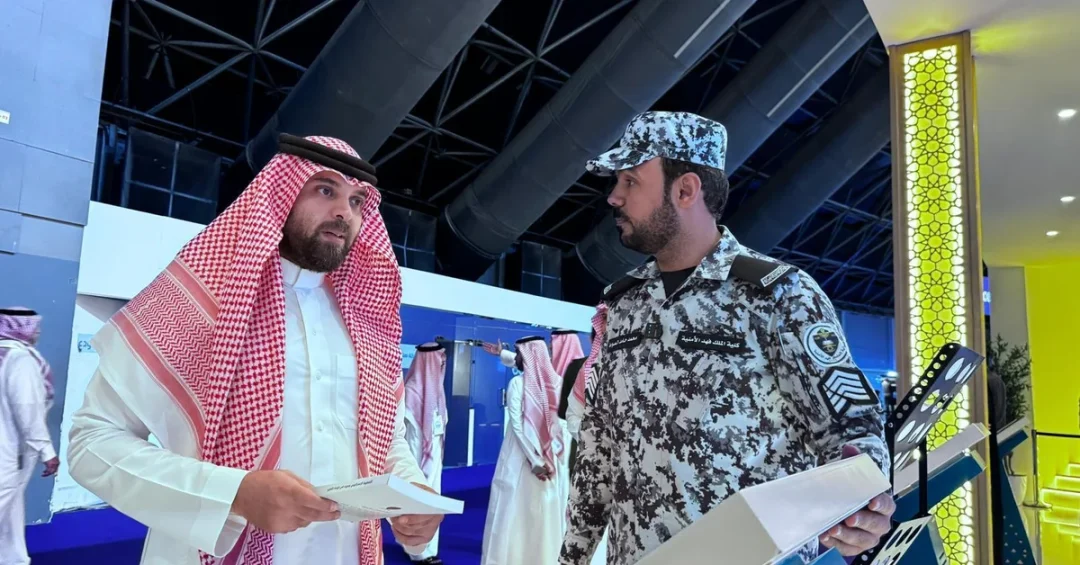
King Fahd Security College is participating in the sixth Hajj Conference and Exhibition, held under the theme “From Makkah to the World” from November 8 to 11 at the Jeddah Superdome, as part of the Ministry of Interior’s pavilion, the Saudi Press Agency reported. The college is showcasing its plans to support Hajj security forces in operations, traffic control, and crowd management, along with presentations highlighting guidance services provided to pilgrims. The event brings together security, health, and logistics experts from across the Kingdom and beyond to enhance the pilgrimage experience for millions of worshippers.
Why does a security college’s participation in a Hajj exhibition matter to audiences far beyond Saudi Arabia? Because the annual pilgrimage is one of the world’s largest and most complex mass gatherings, and the systems developed to manage it have become a benchmark for event security and crowd safety globally. The college’s presence at the exhibition underscores the Kingdom’s commitment to continuous improvement in serving pilgrims, a duty rooted in its role as custodian of the Two Holy Mosques. Under the theme “From Makkah to the World,” the conference highlights how Saudi expertise in crowd management, traffic control, and pilgrim guidance is shared internationally.
Context and Background
What is the Hajj Conference and Exhibition, and why has it become a key fixture on Saudi Arabia’s calendar? Now in its sixth edition, the event is organized by the Ministry of Interior and serves as a platform for government agencies, security forces, and private sector partners to coordinate and innovate ahead of the annual pilgrimage season. Held at the Jeddah Superdome, one of the Kingdom’s largest exhibition venues, the conference attracts thousands of participants, including representatives from more than 100 countries, international organizations, and specialized companies. It reflects the integrated approach Saudi Arabia takes to Hajj management, bringing together stakeholders from security, health, transportation, and hospitality.
King Fahd Security College, a premier institution under the Ministry of Interior, has a long-standing role in training security personnel and developing operational strategies for major events. Its participation in the exhibition is not merely symbolic; the college presents concrete plans and technologies designed to enhance the efficiency of Hajj security forces. These include advanced simulation tools, data-driven crowd modeling, and field-tested protocols for managing the flow of pilgrims around the Grand Mosque in Makkah and the Prophet’s Mosque in Madinah. By sharing these insights, the college contributes to a culture of knowledge exchange that benefits both Saudi agencies and international partners.
The timing of the conference is significant. As Saudi Arabia continues to expand the capacity of the Two Holy Mosques and introduces new services for pilgrims under Vision 2030, the demand for sophisticated security and logistics solutions grows. The sixth edition of the conference therefore serves as a critical checkpoint to review progress, identify challenges, and align strategies for the upcoming Hajj season. It also reinforces the Kingdom’s reputation as a reliable and innovative host of the pilgrimage, a responsibility that carries profound religious and diplomatic weight.
Key Details of the College’s Participation
What exactly is King Fahd Security College presenting at the Ministry of Interior’s pavilion? According to official information released via the Saudi Press Agency, the college is highlighting its plans to support Hajj security forces in three core areas: operations, traffic control, and crowd management. These plans are based on years of field research and practical experience gained during previous Hajj seasons. The college’s experts are on hand to explain how integrated command systems, real-time monitoring, and rapid-response units work together to maintain order and safety across the holy sites.
In the area of operations, the college showcases command-and-control frameworks that enable seamless coordination among various security sectors. These frameworks incorporate lessons learned from past pilgrimages, including the use of artificial intelligence for predictive analytics and drone surveillance for crowd density assessment. For traffic control, the college presents strategies to manage the massive influx of vehicles, buses, and pedestrians that converge on Makkah and surrounding areas. This includes dynamic routing, designated lanes for emergency services, and synchronized traffic signals that adapt to real-time conditions.
Crowd management is perhaps the most visible and critical element. The college’s presentations detail how security forces are trained to guide pilgrims safely through crowded pathways, particularly during the rituals of Tawaf and Sa’i, and at the Jamarat Bridge. The college also emphasizes guidance services provided to pilgrims, such as multilingual assistance, wayfinding technologies, and awareness campaigns that help worshippers navigate the rituals with ease. These services are designed to be compassionate and respectful, reflecting the spiritual nature of the journey.
Why is this level of detail important for international observers? Because the techniques developed by King Fahd Security College are not only applicable to Hajj but also to other large-scale events worldwide. The college’s participation signals that Saudi Arabia is willing to share its expertise and learn from global best practices, fostering international cooperation in the field of public safety.
International and Regional Impact
How does Saudi Arabia’s management of Hajj security resonate on the global stage? The pilgrimage draws millions of Muslims from every continent, making it a uniquely international event. The security and logistical arrangements therefore have direct implications for citizens of dozens of countries. By demonstrating its capabilities at the exhibition, the Kingdom reassures international partners that their citizens will be safe and well-cared for during the pilgrimage. This builds trust and strengthens diplomatic ties, particularly with Muslim-majority nations in Asia, Africa, and the Middle East.
Moreover, the conference facilitates dialogue between Saudi security agencies and their counterparts from other countries. Delegations from various nations attend to observe and exchange ideas, creating opportunities for joint training programs and research collaborations. The theme “From Makkah to the World” encapsulates this outward-looking approach, suggesting that the knowledge gained in Makkah is meant to be shared globally. For regional neighbors, especially those in the Gulf Cooperation Council, the event is a chance to align strategies for managing large gatherings and ensuring regional stability.
The exhibition also showcases Saudi Arabia’s broader commitment to multilateralism and peace. By hosting such a diverse gathering, the Kingdom positions itself as a convenor of nations, capable of bringing together stakeholders with different backgrounds and interests. This soft power asset complements its economic and political influence, reinforcing its role as a leader in the Islamic world and a responsible global actor.
Economic and Strategic Significance
What economic value does the Hajj Conference and Exhibition generate, and how does it align with Saudi Arabia’s strategic goals? The event itself stimulates local business activity in Jeddah, from hospitality and transportation to catering and event services. More importantly, it serves as a marketplace for companies specializing in security technology, crowd management software, and pilgrim services. Saudi and international firms use the platform to showcase innovations, forge partnerships, and sign contracts that contribute to the economy.
Strategically, the conference supports the Kingdom’s efforts to enhance the pilgrim experience, which is a key pillar of Vision 2030. By improving security and logistics, Saudi Arabia aims to increase the number of pilgrims and Umrah performers, thereby boosting revenue from religious tourism. The college’s contributions help ensure that this growth is sustainable and safe. Additionally, the emphasis on smart technologies and data analytics aligns with the Vision’s goal of building a digital economy and fostering innovation.
From a security perspective, the college’s work is vital for maintaining the Kingdom’s reputation for stability. Any incident during Hajj would have far-reaching consequences, so the investment in training, planning, and technology is a strategic imperative. The exhibition allows for a comprehensive review of these efforts, ensuring that all agencies are prepared for the challenges of the upcoming season.
Vision 2030 Alignment
How does King Fahd Security College’s participation in the Hajj Conference and Exhibition reflect the objectives of Saudi Vision 2030? Vision 2030 seeks to transform the Kingdom into a global hub for trade, tourism, and innovation while preserving its cultural and religious heritage. The Hajj is central to this vision, as it represents both a sacred duty and a major economic opportunity. By enhancing the security and efficiency of the pilgrimage, the college directly contributes to the goal of welcoming more pilgrims and providing them with a world-class experience.
Furthermore, the college’s focus on advanced technologies, such as AI and data analytics, supports the Vision’s aim of building a knowledge-based economy. The training and research conducted by the institution help develop Saudi human capital, equipping young men and women with skills that are valuable in the modern workforce. The exhibition itself is a manifestation of the Vision’s emphasis on international cooperation and knowledge exchange, showcasing Saudi Arabia as an open and forward-looking nation.
In the long term, the integration of security, technology, and hospitality demonstrated at the conference will serve as a model for other mega-events, including Expo 2030 and the FIFA World Cup 2034, which Saudi Arabia is set to host. King Fahd Security College’s role in these endeavors will be crucial, as it continues to innovate and train the next generation of security professionals. Through such participation, the Kingdom reaffirms its commitment to serving pilgrims and to achieving the ambitious goals of Vision 2030.
20 Questions
Q1. What is the sixth Hajj Conference and Exhibition?
A1. It is a major event organized by the Ministry of Interior, held from November 8 to 11 at the Jeddah Superdome, bringing together experts to enhance Hajj services under the theme “From Makkah to the World.”
Q2. Who is participating in the conference from the security sector?
A2. King Fahd Security College is participating as part of the Ministry of Interior’s pavilion, showcasing its plans to support Hajj security forces in operations, traffic control, and crowd management.
Q3. What is King Fahd Security College?
A3. It is a premier security educational institution under the Ministry of Interior, responsible for training security personnel and developing strategies for major events, including the annual Hajj pilgrimage.
Q4. What specific areas is the college highlighting at the exhibition?
A4. The college is highlighting its plans in operations, traffic control, and crowd management, along with presentations on guidance services provided to pilgrims to ensure their safety and comfort.
Q5. Why is the theme “From Makkah to the World” significant?
A5. The theme reflects Saudi Arabia’s intention to share the knowledge and expertise gained from managing the Hajj with the global community, promoting international cooperation in crowd safety and event security.
Q6. How does the college support Hajj security forces?
A6. The college provides training, operational frameworks, and technological tools such as AI and data analytics to help security forces manage crowds, control traffic, and respond to incidents effectively during Hajj.
Q7. What are guidance services for pilgrims?
A7. These include multilingual assistance, wayfinding technologies, and awareness campaigns that help pilgrims navigate the rituals and holy sites safely and with ease.
Q8. How many countries participate in the Hajj Conference?
A8. The conference attracts representatives from more than 100 countries, including security experts, government officials, and private sector leaders involved in pilgrimage services.
Q9. What is the role of the Ministry of Interior in Hajj?
A9. The Ministry of Interior is responsible for overall security and safety during Hajj, coordinating among various agencies to ensure a smooth and secure pilgrimage for millions of worshippers.
Q10. How does the college’s participation benefit international attendees?
A10. International attendees can learn about Saudi Arabia’s advanced crowd management techniques and explore opportunities for collaboration, enhancing global standards for managing large gatherings.
Q11. What technologies are showcased by the college?
A11. The college showcases command-and-control systems, real-time monitoring, drone surveillance, and AI-driven predictive analytics for crowd density and traffic flow management.
Q12. How does the conference support Vision 2030?
A12. It supports Vision 2030 by improving the pilgrim experience, boosting religious tourism, and fostering innovation and international partnerships, aligning with goals of economic diversification and global engagement.
Q13. What is the economic impact of the Hajj Conference?
A13. The conference stimulates local business in Jeddah and creates a marketplace for security and hospitality companies, leading to contracts and partnerships that contribute to the national economy.
Q14. How does the college ensure crowd safety during Hajj?
A14. Through meticulous planning, simulation training, and real-time coordination, the college helps security forces manage the flow of pilgrims, prevent overcrowding, and respond swiftly to emergencies.
Q15. What is the significance of the Jeddah Superdome as the venue?
A15. The Jeddah Superdome is one of the Kingdom’s largest exhibition venues, providing ample space for displays and facilitating easy access for international participants and visitors.
Q16. How does the college contribute to Saudi human capital development?
A16. By training security personnel and conducting research, the college equips young Saudis with skills in security management, technology, and logistics, supporting the Vision 2030 goal of a skilled workforce.
Q17. What are the future plans for the college in Hajj security?
A17. The college aims to continue innovating with smart technologies and expanding training programs to meet the growing demands of the pilgrimage, ensuring safety and efficiency for years to come.
Q18. How does the conference promote international cooperation?
A18. It provides a platform for sharing best practices, signing agreements, and building networks among security agencies, technology providers, and government officials from around the world.
Q19. What role does the college play in other mega-events?
A19. The college’s expertise in crowd management and security is applicable to other large events such as Expo 2030 and the FIFA World Cup 2034, where it will help ensure safety and success.
Q20. How can the public learn more about the college’s work?
A20. Information is available through official Saudi channels, including the Saudi Press Agency and the Ministry of Interior’s website, which provide updates on the college’s activities and Hajj preparations.
Reader Feedback
We value your thoughts. Please share your feedback on this article.
Your feedback helps us improve our coverage.
Related articles
 Saudi MCIT Minister Meets ITU Chief on AI, Space, 6G
 Manasek Al-Mashaer Showcases Pilgrim Services at Hajj Conference
 Saudi Minister Alswaha Calls for Inclusive AI Future at ITU
 Saudi Minister Signs GCC Railway Link Agreement in Bahrain
 Transport Ministry Showcases Pilgrim Services at Hajj Conference
 Saudi Ministry Wins IRF Global Award for Road Asset Evaluation