


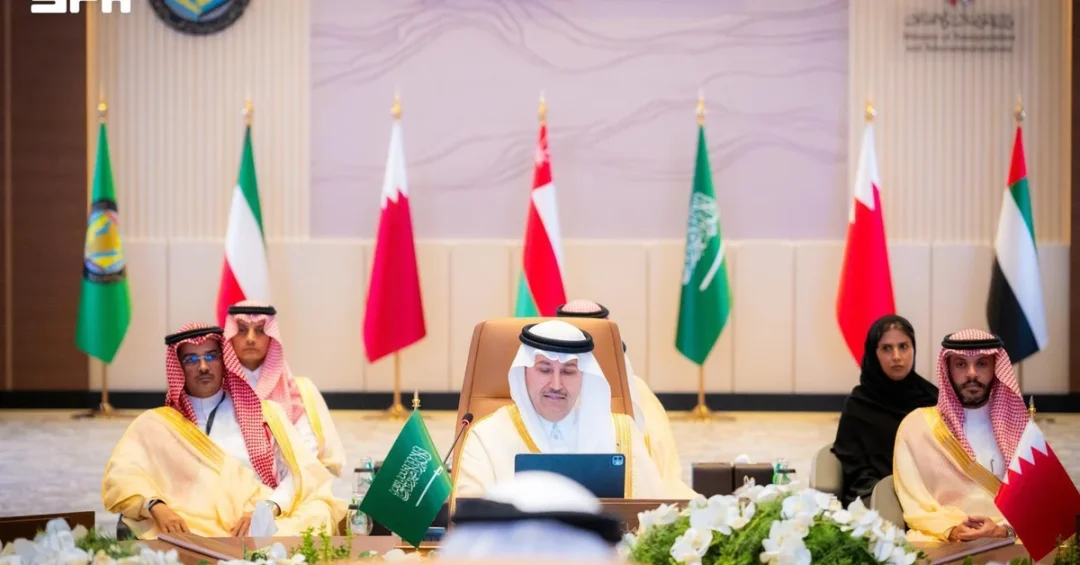
Saudi Arabia’s Minister of Transport and Logistic Services, Saleh Al-Jasser, signed the general agreement on linking GCC member states through the GCC Railways Project at the Ministerial Committee for Transport and Communications meeting in Manama, Bahrain, on November 8, 2026. The agreement, signed alongside his Gulf counterparts, aims to strengthen regional integration and enhance the efficiency of the Gulf transport and logistics system. In a related development, Al-Jasser and Bahrain’s Minister of Transportation and Telecommunications, Dr. Sheikh Abdulla bin Ahmed Al Khalifa, signed a memorandum of understanding (MoU) on cooperation in the railway sector. The meeting underscored Saudi Arabia’s commitment to advancing logistics integration and cooperation under Saudi Vision 2030.
How significant is this step for the region’s future connectivity? The GCC Railways Project is set to link all six Gulf Cooperation Council states—Bahrain, Kuwait, Oman, Qatar, Saudi Arabia, and the United Arab Emirates—through a modern railway network that will facilitate the movement of passengers and goods, boost trade, and drive economic growth. For Saudi Arabia, this agreement reinforces its position as a pivotal logistics hub and a key player in regional connectivity. The MoU with Bahrain further strengthens bilateral ties and opens new avenues for cooperation in railway development and operations.
Context and Background
What led to this landmark agreement? The GCC Railways Project has been a long-standing ambition of the Gulf states, dating back to 2004 when the idea was first proposed. However, progress has been gradual due to various challenges. In recent years, the project has gained renewed momentum as GCC countries recognize the strategic importance of enhanced connectivity for economic diversification and regional integration. The Ministerial Committee for Transport and Communications of the GCC has been instrumental in driving this initiative forward. Saudi Arabia, under the leadership of Custodian of the Two Holy Mosques King Salman bin Abdulaziz Al Saud and His Royal Highness Prince Mohammed bin Salman bin Abdulaziz Al Saud, Crown Prince and Prime Minister, has been a strong advocate for regional cooperation. The Kingdom’s Vision 2030 emphasizes the development of a world-class logistics sector, and the GCC Railways Project aligns perfectly with this goal. The signing of the general agreement marks a significant milestone in transforming this vision into reality.
Why is this agreement important now? The current geopolitical and economic challenges have highlighted the need for resilient supply chains and diversified transport routes. The COVID-19 pandemic exposed vulnerabilities in global supply chains, prompting Gulf states to accelerate efforts to enhance regional connectivity. The GCC Railways Project will provide an alternative to maritime and road transport, reducing dependency on single routes and enhancing trade efficiency. Moreover, the project supports the broader objectives of the GCC, including economic diversification, job creation, and sustainable development. For Saudi Arabia, the railway link will complement its extensive transport infrastructure, which includes 29 airports, 13 seaports, and a road network ranked first globally in the Road Connectivity Index. This integrated system is a cornerstone of the Kingdom’s economic strength and resilience.
Key Details
What exactly was signed at the meeting? The general agreement on linking GCC member states through the GCC Railways Project was signed by Minister Al-Jasser and his counterparts from the other GCC states. The agreement outlines the framework for cooperation, including technical standards, funding mechanisms, and implementation timelines. It aims to create a seamless railway network that will connect major cities and industrial zones across the region. The MoU between Saudi Arabia and Bahrain focuses on bilateral cooperation in the railway sector, including the exchange of expertise and technical knowledge, and the development and operation of railway projects. This MoU is expected to facilitate the movement of passengers and freight between the two countries, boosting trade and economic integration.
What are the key features of the GCC Railways Project? The project envisions a network of approximately 2,000 kilometers of railway lines, connecting major ports, cities, and industrial hubs. It will include high-speed passenger trains and freight lines, with the capacity to handle millions of tons of cargo annually. The network will link Saudi Arabia’s eastern and western coasts, providing a vital link between the Red Sea and the Arabian Gulf. This will significantly reduce travel time and costs for both passengers and goods, enhancing the competitiveness of the region. The project is expected to be implemented in phases, with some sections already under construction, such as the Saudi Landbridge project. The agreement signed in Bahrain provides the necessary political and regulatory framework to accelerate the implementation of the remaining sections.
What did Minister Al-Jasser say about the agreement? In his address, Al-Jasser emphasized the strength and resilience of Saudi Arabia’s supply chains, noting that the Kingdom has a robust and flexible logistics infrastructure that enables it to respond efficiently to crises. He highlighted Saudi Arabia’s strategic location as not merely a geographical advantage but also a responsibility and commitment to its neighbors and the wider region. He reaffirmed the Kingdom’s aspiration, under Vision 2030, to become a trusted global logistics hub and a safeguard for the stability of regional and international markets. Al-Jasser also invited GCC transport ministers to attend the next committee meeting, which will be chaired by Saudi Arabia, reaffirming its commitment to maintaining the momentum of cooperation.
International and Regional Impact
How will this agreement impact the region and beyond? The GCC Railways Project is set to transform regional connectivity, facilitating trade and travel across the Gulf. It will create new economic opportunities, attract foreign investment, and stimulate job creation in various sectors, including construction, logistics, and tourism. The project will also enhance the region’s competitiveness in global markets by providing efficient and cost-effective transport solutions. For international partners, the railway network will offer improved access to Gulf markets, enabling smoother trade flows and deeper economic integration. Moreover, the project supports the goals of the GCC Economic Agreement and the broader Arab world’s aspirations for connectivity. By linking major ports and industrial zones, the railway will also strengthen the region’s role as a gateway between Asia, Europe, and Africa.
What are the implications for Saudi Arabia’s relations with its neighbors? The agreement and the MoU with Bahrain underscore Saudi Arabia’s commitment to regional cooperation and its role as a stabilizing force in the Gulf. By enhancing connectivity with Bahrain, Saudi Arabia is deepening its bilateral ties and setting an example for other GCC states. This cooperation is expected to spill over into other areas, such as trade, tourism, and cultural exchange. The railway link will also facilitate the movement of pilgrims traveling between Saudi Arabia and Bahrain, supporting the Kingdom’s tourism and pilgrimage sectors. Furthermore, the project aligns with Saudi Arabia’s efforts to diversify its economy and reduce its dependence on oil, as outlined in Vision 2030. It will also contribute to the development of the Kingdom’s northern and eastern regions, creating new opportunities for businesses and communities.
Economic and Strategic Significance
Why is this project economically significant? The GCC Railways Project is expected to yield substantial economic benefits for Saudi Arabia and the region. According to estimates, the project could increase intra-GCC trade by up to 20% and reduce transport costs by 30%. It will also create thousands of jobs during construction and operation, and stimulate growth in related industries such as logistics, manufacturing, and tourism. For Saudi Arabia, the railway link will enhance the efficiency of its supply chains, reduce congestion on roads, and lower carbon emissions. It will also support the Kingdom’s efforts to become a global logistics hub, a key objective of Vision 2030. The project is part of a broader strategy to diversify the economy and increase non-oil revenues, which are essential for sustainable development.
What are the strategic implications for Saudi Arabia? Strategically, the GCC Railways Project strengthens Saudi Arabia’s position as a regional leader and a bridge between continents. It enhances the Kingdom’s ability to project soft power and foster stability in the region. By connecting to its neighbors, Saudi Arabia can better secure its borders and respond to emergencies. The railway network also provides an alternative to maritime routes, which can be vulnerable to geopolitical disruptions. This is particularly important given the current crisis, which has highlighted the need for resilient supply chains. Furthermore, the project supports Saudi Arabia’s military and strategic logistics, enabling faster deployment of resources if needed. Overall, the agreement reinforces the Kingdom’s role as a cornerstone of regional security and prosperity.
Vision 2030 Alignment
How does this project align with Saudi Vision 2030? Saudi Vision 2030 aims to transform the Kingdom into a global investment powerhouse and a hub connecting three continents. The development of a world-class transport and logistics infrastructure is a key pillar of this vision. The GCC Railways Project directly supports this by enhancing regional connectivity, facilitating trade, and attracting investment. It also aligns with the National Transport and Logistics Strategy, which seeks to position Saudi Arabia as the fifth-largest logistics hub globally by 2030. The project will contribute to economic diversification, job creation, and sustainable development, all of which are central to Vision 2030. Moreover, it reflects the leadership’s commitment to regional cooperation and integration, as emphasized by Crown Prince Mohammed bin Salman.
What does the future hold for Saudi Arabia’s logistics sector? With this agreement, Saudi Arabia is poised to accelerate its journey toward becoming a global logistics leader. The Kingdom’s investments in ports, airports, and railways are already yielding results, as evidenced by its top ranking in the Road Connectivity Index. The GCC Railways Project will further enhance these capabilities, creating a seamless network that connects the Kingdom to its neighbors and the world. As the project progresses, we can expect increased trade, tourism, and investment, driving economic growth and prosperity. Saudi Arabia’s leadership in this initiative underscores its commitment to a prosperous and interconnected Gulf region. Under Vision 2030, the Kingdom is not only building infrastructure but also fostering a culture of innovation and cooperation that will define its future.
20 Questions
Q1. What was signed at the GCC Ministerial Committee meeting in Bahrain?
A1. The general agreement on linking GCC member states through the GCC Railways Project was signed, along with a memorandum of understanding between Saudi Arabia and Bahrain on railway sector cooperation.
Q2. Who represented Saudi Arabia at the meeting?
A2. Minister of Transport and Logistic Services Saleh Al-Jasser headed the Saudi delegation and signed the agreements on behalf of the Kingdom.
Q3. What is the GCC Railways Project?
A3. It is a planned railway network that will connect all six GCC member states, enhancing regional integration, trade, and passenger movement.
Q4. Which countries are part of the GCC Railways Project?
A4. The project includes Bahrain, Kuwait, Oman, Qatar, Saudi Arabia, and the United Arab Emirates.
Q5. What are the main goals of the GCC Railways Project?
A5. The project aims to strengthen integration and connectivity, improve transport efficiency, boost trade, and support economic diversification across the Gulf region.
Q6. What did the MoU between Saudi Arabia and Bahrain cover?
A6. The MoU focuses on cooperation in the railway sector, including exchange of expertise, technical knowledge, and development and operation of railway projects.
Q7. How will the railway link benefit Saudi Arabia?
A7. It will enhance Saudi Arabia’s position as a logistics hub, improve supply chain resilience, facilitate trade, and support Vision 2030 economic diversification goals.
Q8. What did Minister Al-Jasser say about Saudi Arabia’s infrastructure?
A8. He highlighted that Saudi Arabia has 29 airports, 13 seaports, and a road network ranked first globally in the Road Connectivity Index.
Q9. How does the project align with Saudi Vision 2030?
A9. Vision 2030 seeks to position Saudi Arabia as a global logistics hub; the railway project enhances regional connectivity and supports economic diversification and job creation.
Q10. What is the significance of the agreement for the Gulf region?
A10. It marks a major step toward regional integration, boosting trade, reducing transport costs, and fostering economic cooperation among GCC states.
Q11. When was the idea of the GCC Railways Project first proposed?
A11. The idea was first proposed in 2004, but progress has accelerated in recent years due to renewed commitment from GCC leaders.
Q12. What are the expected economic benefits of the project?
A12. It is expected to increase intra-GCC trade by up to 20%, reduce transport costs by 30%, and create thousands of jobs.
Q13. How will the railway project impact pilgrims and tourism?
A13. It will facilitate the movement of pilgrims and tourists between Saudi Arabia and Bahrain, supporting the Kingdom’s tourism and pilgrimage sectors.
Q14. What role did Saudi Arabia play in the meeting?
A14. Saudi Arabia led the delegation, signed the agreements, and reaffirmed its commitment to regional cooperation and logistics integration.
Q15. What are the next steps for the GCC Railways Project?
A15. The agreement provides a framework for implementation; next steps include detailed planning, funding, and construction of remaining sections.
Q16. How does the project enhance supply chain resilience?
A16. It provides an alternative transport route, reducing dependency on maritime and road transport, and ensures uninterrupted flow of goods during crises.
Q17. What did Minister Al-Jasser say about Saudi Arabia’s strategic location?
A17. He said it is not just a geographical advantage but a responsibility and commitment to neighbors and the wider region.
Q18. Will the railway project be environmentally friendly?
A18. Yes, railways are more energy-efficient than road transport, helping reduce carbon emissions and support sustainable development.
Q19. How does the MoU with Bahrain reflect Saudi-Bahrain relations?
A19. It reflects deep-rooted fraternal ties and shared commitment to expanding cooperation in vital sectors for mutual benefit.
Q20. What is the overall significance of these agreements?
A20. They represent a milestone in GCC integration, positioning Saudi Arabia as a leader in regional connectivity and advancing Vision 2030 goals.
Reader Feedback
We value your thoughts. Please share your feedback on this article.
Your feedback helps us improve our coverage.
Related articles
 Transport Ministry Showcases Pilgrim Services at Hajj Conference
 Saudi Ministry Wins IRF Global Award for Road Asset Evaluation
 Saudia Group Showcases Integrated Services for Pilgrims at Hajj Conference and Exhibition
 GCC Chief Condemns Houthi Attacks on Riyadh, Saudi Regions
 Jordan Condemns Houthi Attacks on Saudi Arabia
 Coalition Intercepts Houthi UAV Targeting Southern Region