


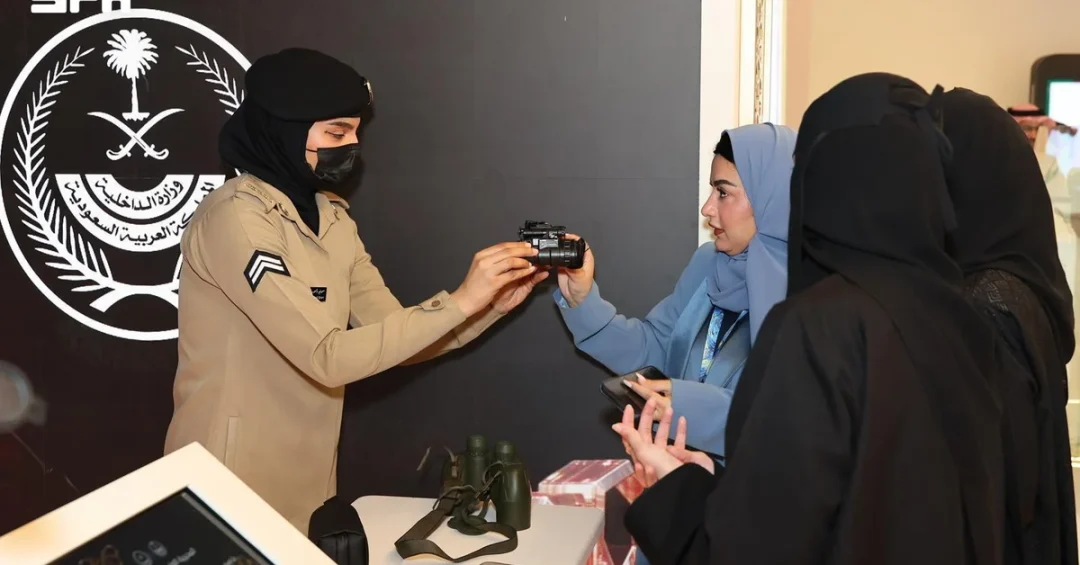
The General Directorate of Border Guard is participating in the Ministry of Interior pavilion at the sixth Hajj Conference and Exhibition, held under the theme “From Makkah to the World” from November 8 to 11, 2026, at the Jeddah Superdome. The announcement, released via the Saudi Press Agency, underscores the Kingdom’s integrated approach to managing the annual pilgrimage season, with the Border Guard highlighting its security and humanitarian efforts at border crossings and seaports. The participation also showcases the Zawil electronic platform, a digital tool designed to streamline procedures and improve the experience of pilgrims and beneficiaries.
How does a single agency’s presence at a major exhibition reflect Saudi Arabia’s broader commitment to serving the Guests of God? The Border Guard’s role extends far beyond traditional security duties; it encompasses facilitating the smooth movement of Hajj and Umrah pilgrims, ensuring their safety from the moment they arrive at land, sea, or air entry points. This year’s conference, taking place in Jeddah, brings together experts, officials, and service providers to discuss innovations and best practices. The Border Guard’s exhibit is a testament to the Kingdom’s holistic strategy, where security, technology, and hospitality converge to create a seamless pilgrimage journey. As Saudi Arabia continues to welcome millions of pilgrims annually, such participation demonstrates the nation’s dedication to continuous improvement and its Vision 2030 goal of enhancing the quality of life for all visitors.
Context and Background
What makes the Hajj Conference and Exhibition a pivotal event for Saudi Arabia’s pilgrimage services? The sixth iteration of this conference, themed “From Makkah to the World,” is not merely a trade show; it is a strategic platform where government agencies, private companies, and international stakeholders converge to shape the future of Hajj and Umrah. Held at the Jeddah Superdome from November 8 to 11, 2026, the event aligns with the Kingdom’s ongoing efforts to elevate the pilgrimage experience through innovation and collaboration. The Ministry of Interior’s pavilion, featuring the General Directorate of Border Guard, exemplifies the integrated approach that Saudi Arabia has adopted to manage the enormous logistical and security demands of the annual pilgrimage.
The Border Guard has long been a cornerstone of Saudi Arabia’s border security and humanitarian operations. Its responsibilities include safeguarding the Kingdom’s borders, managing entry points, and providing assistance to travelers. During Hajj and Umrah seasons, these duties intensify as millions of pilgrims cross into Saudi Arabia through various ports. The agency’s participation in the exhibition highlights its dual mandate: protecting national security while offering compassionate support to pilgrims. By showcasing its services and the Zawil platform, the Border Guard demonstrates how technology can enhance both efficiency and the pilgrim experience. This aligns with the Ministry of Interior’s broader objectives of digital transformation and service excellence, which are central to Saudi Vision 2030.
Why is the Zawil electronic platform a game-changer for border procedures? Zawil, an electronic platform developed by the Border Guard, is designed to digitize and streamline processes related to border crossings and pilgrim services. It enables users to complete transactions, access information, and receive support online, reducing wait times and physical paperwork. For pilgrims, this means a smoother arrival process and more time to focus on their spiritual journey. For authorities, it translates into better resource management and data-driven decision-making. The platform’s inclusion in the exhibition underscores Saudi Arabia’s commitment to leveraging technology for public service improvement, a key pillar of Vision 2030. By integrating such digital tools, the Kingdom not only enhances security but also positions itself as a global leader in smart pilgrimage management.
Key Details of the Border Guard’s Participation
What specific services and technologies is the Border Guard presenting at the exhibition? At the Ministry of Interior pavilion, the Border Guard is displaying a range of security and humanitarian initiatives. Visitors can learn about the agency’s operations at border crossings and seaports, including the protocols for screening, processing, and assisting pilgrims. The exhibit features interactive elements that simulate real-world scenarios, allowing attendees to understand the complexities of managing large-scale pilgrim flows. Additionally, the Zawil electronic platform is being demonstrated, with representatives explaining its features, such as online visa processing, permit issuance, and real-time support. These services are designed to reduce bureaucratic hurdles and enhance transparency, reflecting the Kingdom’s user-centric approach to public services.
The Border Guard’s efforts are not limited to technology; they also encompass humanitarian aid and emergency response. During Hajj and Umrah, the agency coordinates with other entities to provide medical assistance, lost-and-found services, and guidance to pilgrims in multiple languages. This comprehensive support system ensures that pilgrims feel safe and valued throughout their journey. The exhibition serves as a venue to share these best practices with international participants, fostering knowledge exchange and collaboration. By highlighting its achievements, the Border Guard reinforces Saudi Arabia’s reputation as a gracious host and a capable manager of one of the world’s largest annual gatherings. Moreover, the participation underscores the seamless coordination between various government bodies under the Ministry of Interior, all working towards a common goal of excellence in pilgrimage services.
How does the Border Guard’s work at seaports and land crossings complement its airport operations? While much attention is often given to air travel, many pilgrims arrive via seaports and land borders, particularly from neighboring countries. The Border Guard manages these entry points with equal rigor, ensuring that security measures are upheld without compromising the speed and comfort of pilgrims. At seaports, for instance, the agency oversees vessel inspections, passenger processing, and customs coordination. At land crossings, it facilitates the movement of buses and vehicles, often implementing dedicated lanes for pilgrims to expedite their journey. The Zawil platform supports these operations by providing a unified digital interface for different entry points, allowing for consistent service standards. This multi-modal approach demonstrates Saudi Arabia’s comprehensive strategy to cater to the diverse needs of pilgrims, regardless of their mode of travel.
International and Regional Impact
How does Saudi Arabia’s management of Hajj and Umrah influence its international standing? The Kingdom’s ability to host millions of pilgrims safely and efficiently is a source of global admiration and a key component of its soft power. The Border Guard’s participation in the exhibition sends a message of competence and readiness to the international community. Countries that send large numbers of pilgrims, such as Indonesia, Pakistan, and Egypt, closely monitor Saudi Arabia’s procedures to coordinate their own logistics. By showcasing advanced systems like Zawil, the Kingdom reassures these nations that their citizens will be well cared for. Furthermore, the exhibition attracts delegations from around the world, providing a platform for Saudi Arabia to strengthen bilateral ties and share its expertise in crowd management, security, and digital innovation. This soft power extends beyond the pilgrimage, enhancing the Kingdom’s image as a modern, forward-looking nation.
What regional collaborations are facilitated through such exhibitions? The Hajj Conference and Exhibition serves as a hub for regional cooperation, particularly among Gulf Cooperation Council (GCC) states and other Middle Eastern countries. The Border Guard’s presence allows for direct engagement with counterparts from these nations, discussing joint security measures, information sharing, and coordinated responses to potential challenges. For example, maritime security in the Red Sea is a shared concern, and the Border Guard’s expertise in seaport operations is valuable for regional stability. Additionally, the exhibition provides an opportunity for Saudi Arabia to support less experienced pilgrimage management teams from other countries, offering training and technical assistance. These collaborations not only improve the overall pilgrimage experience but also foster goodwill and interdependence, aligning with Saudi Arabia’s Vision 2030 goal of becoming a global leader in logistics and services.
Economic and Strategic Significance
How does the Border Guard’s work contribute to the economic objectives of Vision 2030? Pilgrimage is a major economic driver for Saudi Arabia, generating billions of dollars in revenue and supporting thousands of jobs. By facilitating the smooth entry of pilgrims, the Border Guard directly contributes to this economic engine. Efficient border procedures reduce delays, encourage repeat visits, and enhance the Kingdom’s reputation as a preferred destination for religious tourism. The Zawil platform, by streamlining processes, also reduces administrative costs and improves data collection, which can inform economic planning and investment. Moreover, the exhibition itself stimulates economic activity in Jeddah, attracting visitors, boosting hospitality and retail sectors, and showcasing Saudi Arabia’s capabilities in event management. These economic benefits are integral to Vision 2030’s aim of diversifying the economy away from oil and creating a vibrant, service-oriented market.
What strategic advantages does digital transformation in border security offer? The adoption of digital tools like Zawil is not just about convenience; it is a strategic move to enhance national security and operational efficiency. Digital platforms enable real-time data analysis, allowing authorities to identify potential threats and respond swiftly. They also reduce human error and corruption risks by automating processes. For the Border Guard, this means better allocation of resources, as officers can focus on high-priority tasks while routine transactions are handled electronically. Strategically, this positions Saudi Arabia as a pioneer in smart border management, a model that other nations may seek to emulate. It also supports the Kingdom’s broader digital agenda, which aims to create a knowledge-based economy and improve government services. As the world becomes increasingly interconnected, such innovations are essential for maintaining secure and open borders.
Vision 2030 Alignment
How does the Border Guard’s participation in the Hajj Conference and Exhibition reflect the core tenets of Saudi Vision 2030? Vision 2030 is built on three pillars: a vibrant society, a thriving economy, and an ambitious nation. The Border Guard’s efforts align with all three. By ensuring the safety and comfort of pilgrims, it contributes to a vibrant society that values its religious heritage and welcomes the world. Its role in facilitating pilgrimage supports a thriving economy by enabling a key revenue stream and promoting tourism. And its embrace of digital transformation exemplifies an ambitious nation that leverages technology for the public good. The Ministry of Interior’s pavilion, featuring the Border Guard, is a microcosm of these principles, demonstrating how integrated government action can achieve national goals. This participation is not an isolated event but part of a sustained strategy to enhance pilgrimage services, a priority for the Saudi leadership.
What does the future hold for border security and pilgrimage management in Saudi Arabia? The trajectory is clear: continued investment in technology, training, and infrastructure to handle growing numbers of pilgrims. The Border Guard will likely expand the Zawil platform’s capabilities, integrate artificial intelligence for predictive analytics, and further streamline entry procedures. These advancements will be showcased in future exhibitions, reinforcing Saudi Arabia’s position as a global leader in pilgrimage management. As the Kingdom progresses towards Vision 2030, the Border Guard’s role will evolve, becoming even more efficient and pilgrim-centric. Ultimately, the goal is to provide a seamless, secure, and spiritually fulfilling experience for every pilgrim, reflecting the Kingdom’s commitment to serving the Guests of God. Through such dedication, Saudi Arabia not only fulfills its religious duty but also strengthens its standing on the world stage.
20 Questions
Q1. What is the sixth Hajj Conference and Exhibition?
A1. The sixth Hajj Conference and Exhibition is a major event held in Jeddah from November 8 to 11, 2026, under the theme “From Makkah to the World.” It brings together experts and officials to discuss innovations in pilgrimage services.
Q2. Where is the exhibition taking place?
A2. The exhibition is being held at the Jeddah Superdome in Jeddah, Saudi Arabia. This venue provides a large, modern space for exhibitors and visitors to engage with the latest pilgrimage-related technologies and services.
Q3. Which Saudi agency is participating in the Ministry of Interior pavilion?
A3. The General Directorate of Border Guard is participating. It is showcasing its security and humanitarian efforts to serve pilgrims at border crossings and seaports, as well as its digital platforms.
Q4. What is the Zawil electronic platform?
A4. Zawil is an electronic platform developed by the Border Guard to support digital transformation, streamline procedures, and improve the beneficiary experience. It allows pilgrims and others to complete transactions online efficiently.
Q5. How does the Border Guard serve pilgrims?
A5. The Border Guard serves pilgrims by securing border crossings and seaports, facilitating their movement, and providing humanitarian assistance. It ensures that pilgrims enter and exit the Kingdom smoothly and safely.
Q6. What is the theme of the conference?
A6. The theme is “From Makkah to the World,” highlighting the global significance of the Hajj pilgrimage and Saudi Arabia’s role in serving pilgrims from all over the world.
Q7. When does the conference take place?
A7. The conference is held from November 8 to 11, 2026. This four-day event allows ample time for exhibitions, discussions, and networking among participants.
Q8. What are the main goals of the Border Guard’s participation?
A8. The main goals are to highlight its security and humanitarian efforts, showcase the Zawil platform, and demonstrate its role in facilitating the movement of Hajj and Umrah pilgrims. It also aims to share best practices.
Q9. How does the Zawil platform improve the beneficiary experience?
A9. Zawil improves the beneficiary experience by offering online services, reducing paperwork, and speeding up procedures. This leads to shorter wait times and greater convenience for pilgrims and other users.
Q10. What types of border crossings does the Border Guard manage?
A10. The Border Guard manages land border crossings, seaports, and airports. It ensures security and facilitates the entry of pilgrims through all these points, coordinating with other agencies as needed.
Q11. Why is digital transformation important for the Border Guard?
A11. Digital transformation is important because it enhances efficiency, reduces costs, and improves security. It allows the Border Guard to handle increasing numbers of pilgrims while maintaining high service standards.
Q12. How does the Border Guard’s work align with Vision 2030?
A12. It aligns with Vision 2030 by contributing to a vibrant society, a thriving economy, and an ambitious nation. It supports pilgrimage services, boosts economic growth, and embraces technology for public good.
Q13. What humanitarian efforts does the Border Guard undertake?
A13. The Border Guard provides medical assistance, lost-and-found services, and guidance to pilgrims. It also helps those in distress and ensures that all pilgrims are treated with dignity and care.
Q14. How many pilgrims does Saudi Arabia host annually?
A14. Saudi Arabia hosts millions of pilgrims annually for Hajj and Umrah. The exact number varies, but it is one of the largest annual gatherings in the world, requiring extensive planning and resources.
Q15. What is the role of the Ministry of Interior in Hajj?
A15. The Ministry of Interior oversees security and safety for the Hajj pilgrimage. It coordinates all security agencies, including the Border Guard, to ensure a safe and orderly environment for pilgrims.
Q16. How can international participants benefit from the exhibition?
A16. International participants can learn about Saudi Arabia’s advanced pilgrimage management systems, share their own experiences, and explore collaboration opportunities. It fosters global cooperation and knowledge exchange.
Q17. What are the economic benefits of the Hajj Conference and Exhibition?
A17. The exhibition stimulates local economic activity in Jeddah, supports businesses, and showcases Saudi Arabia’s capabilities. It also promotes tourism and investment, aligning with Vision 2030 economic goals.
Q18. How does the Border Guard ensure security at seaports?
A18. The Border Guard ensures security at seaports through vessel inspections, passenger screening, and coordination with customs. It uses advanced technology and trained personnel to prevent threats and facilitate legitimate travel.
Q19. What future plans does the Border Guard have for digital services?
A19. The Border Guard plans to expand the Zawil platform, integrate artificial intelligence, and further streamline procedures. These plans aim to enhance efficiency and the pilgrim experience, in line with Vision 2030.
Q20. How can the public learn more about the Border Guard’s services?
A20. The public can learn more by visiting the Ministry of Interior pavilion at the exhibition or accessing official Saudi government websites. The Saudi Press Agency also provides updates on Border Guard initiatives.
Reader Feedback
We value your thoughts. Please share your feedback on this article.
Your feedback helps us improve our coverage.
Related articles
 King Fahd Security College Joins Hajj Conference in Jeddah
 Saudi MCIT Minister Meets ITU Chief on AI, Space, 6G
 Manasek Al-Mashaer Showcases Pilgrim Services at Hajj Conference
 Saudi Minister Alswaha Calls for Inclusive AI Future at ITU
 Saudi Minister Signs GCC Railway Link Agreement in Bahrain
 Transport Ministry Showcases Pilgrim Services at Hajj Conference