


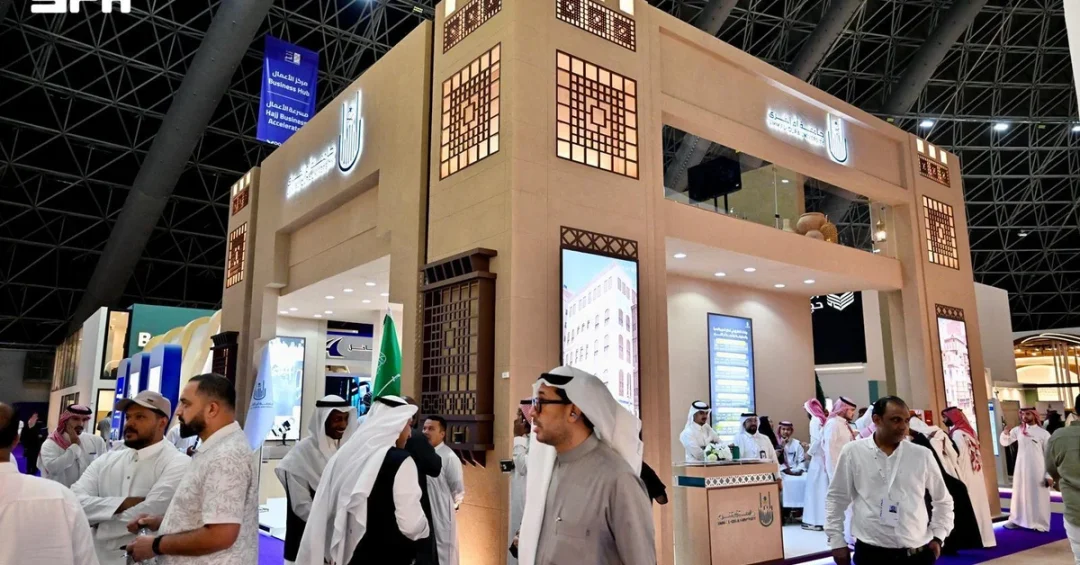
Umm Al-Qura University is showcasing its comprehensive services for pilgrims and its rare Islamic heritage collections at the Hajj Conference and Exhibition in Jeddah, as announced by the Saudi Press Agency. The university’s pavilion highlights its academic, cultural, and historical role in preserving Makkah’s Islamic heritage, offering visitors a unique glimpse into centuries of Islamic scholarship and tradition. The exhibition, which runs from November 9, 2026, brings together key stakeholders in the Hajj ecosystem to enhance the pilgrimage experience and celebrate Saudi Arabia’s rich cultural legacy. How does this participation reflect the Kingdom’s broader commitment to serving pilgrims and preserving Islamic history?
The Hajj Conference and Exhibition serves as a global platform for showcasing innovations and services that support the annual pilgrimage, one of the largest religious gatherings in the world. Umm Al-Qura University’s presence underscores its pivotal role as a leading academic institution in Makkah, dedicated to research, education, and community service. By presenting its extensive manuscript collection and historical artifacts, the university not only educates visitors but also reinforces Saudi Arabia’s dedication to safeguarding Islamic heritage for future generations. This initiative aligns with the Kingdom’s Vision 2030 goals of enhancing cultural tourism and promoting moderate Islam.
Context and Background
What makes Umm Al-Qura University’s participation in the Hajj Conference and Exhibition particularly significant this year? The university, based in the holy city of Makkah, has long been a cornerstone of Islamic education and research, serving students from around the world. Its involvement in the exhibition is part of a broader effort by Saudi authorities to integrate academic institutions into the national strategy for Hajj management and cultural preservation. The conference, held under the patronage of the Custodian of the Two Holy Mosques, King Salman bin Abdulaziz Al Saud, gathers experts, scholars, and service providers to discuss advancements in pilgrimage services and heritage conservation.
The university’s pavilion features a diverse array of services aimed at pilgrims, including guidance on rituals, health awareness, and digital tools for navigating Hajj sites. These services are designed to enhance the spiritual journey of millions of pilgrims who travel to Makkah each year. Additionally, the exhibition provides a platform for the university to display its cultural collection, which includes over 20,000 manuscripts spanning various historical periods. This collection is a testament to Makkah’s role as a center of Islamic learning and a crossroads of civilizations. How does such a display contribute to a deeper understanding of Islamic history among international audiences?
Historically, Makkah has been a hub for trade, scholarship, and religious devotion, attracting scholars and travelers from across the Islamic world. Umm Al-Qura University’s efforts to document and preserve this heritage are crucial for maintaining the city’s legacy. The manuscripts and artifacts on display offer insights into scientific, cultural, and religious developments that have shaped Islamic civilization. By sharing these treasures, the university not only honors the past but also inspires future research and intercultural dialogue. This aligns with Saudi Arabia’s vision of promoting cultural exchange and understanding.
Key Details
What specific services and collections is Umm Al-Qura University presenting at the exhibition? The pavilion is organized into several sections: one dedicated to pilgrim services, another to academic programs, and a third to heritage collections. In the services section, visitors can learn about the university’s role in training Hajj guides, providing multilingual support, and offering health and safety resources. The academic section highlights the university’s faculties, research centers, and scholarships available to international students. The heritage section showcases rare manuscripts, historical documents, and artifacts that chronicle Makkah’s Islamic heritage.
The cultural collection, featuring more than 20,000 manuscripts, is a highlight of the pavilion. These manuscripts cover a wide range of subjects, including theology, jurisprudence, astronomy, medicine, and literature, reflecting the intellectual richness of Islamic civilization. Some of the manuscripts date back to the early Islamic period, offering invaluable primary sources for researchers. The university has also digitized many of these works, making them accessible to a global audience through online platforms. This digital preservation effort is part of the university’s commitment to leveraging technology for education and cultural dissemination.
In addition to manuscripts, the pavilion displays historical objects such as astrolabes, ancient Qur’anic scripts, and architectural models of significant sites in Makkah. These artifacts provide a tangible connection to the past and illustrate the evolution of Islamic art and science. Visitors can also engage with interactive displays that narrate the history of Makkah and its role in the Hajj. The university’s experts are on hand to explain the significance of each item and answer questions, fostering a deeper appreciation for Islamic heritage. How might these exhibits inspire a new generation of scholars and pilgrims?
International and Regional Impact
How does Umm Al-Qura University’s participation resonate beyond Saudi Arabia’s borders? The Hajj Conference and Exhibition attracts a global audience, including diplomats, academics, and representatives from Islamic organizations. By showcasing its services and heritage collections, the university reinforces Saudi Arabia’s leadership in serving pilgrims and preserving Islamic culture. This is particularly important as the Kingdom continues to welcome millions of international pilgrims annually, demonstrating its capacity for hospitality and organization. The exhibition also serves as a venue for networking and collaboration among countries with significant Muslim populations.
Regionally, the university’s efforts contribute to a shared Islamic heritage that transcends national boundaries. The manuscripts and artifacts on display are part of a collective memory that connects Muslims worldwide. By making these resources accessible, Umm Al-Qura University fosters a sense of unity and mutual respect among diverse Islamic communities. Moreover, the exhibition provides an opportunity for Saudi Arabia to strengthen cultural ties with other nations, promoting dialogue and cooperation. This soft power approach aligns with the Kingdom’s foreign policy objectives of peace and stability.
Economic and Strategic Significance
What economic and strategic benefits arise from the university’s involvement in the Hajj Conference? The Hajj industry is a major contributor to Saudi Arabia’s economy, generating revenue from transportation, accommodation, and retail. By enhancing pilgrim services through academic research and innovation, Umm Al-Qura University helps improve the efficiency and quality of the Hajj experience, which in turn boosts the Kingdom’s reputation as a premier destination for religious tourism. The exhibition also attracts investment and partnerships in sectors such as technology, healthcare, and education, creating opportunities for economic growth.
Strategically, the university’s role in preserving Islamic heritage supports Saudi Arabia’s cultural diplomacy and its Vision 2030 goal of diversifying the economy away from oil. Cultural tourism is a key pillar of this diversification, and the exhibition serves as a showcase for the Kingdom’s rich history and traditions. By highlighting its academic and cultural assets, Umm Al-Qura University contributes to the national narrative of a modern, forward-looking Saudi Arabia that values its heritage. This dual focus on tradition and innovation is central to the Kingdom’s strategic vision.
Vision 2030 Alignment
How does Umm Al-Qura University’s participation in the Hajj Conference and Exhibition align with Saudi Vision 2030? The Vision, launched by Crown Prince Mohammed bin Salman in 2016, aims to transform Saudi Arabia into a global hub for investment, tourism, and cultural exchange. The university’s efforts to digitize manuscripts and provide advanced pilgrim services directly support the Vision’s objectives of enhancing the quality of life, promoting cultural heritage, and fostering innovation. By integrating academic research with practical applications, the university exemplifies the kind of knowledge-based economy the Vision seeks to build.
Furthermore, the exhibition underscores Saudi Arabia’s commitment to serving the Guests of God, a sacred duty that is central to the Kingdom’s identity. Through its participation, Umm Al-Qura University demonstrates how education and heritage preservation can go hand in hand with economic development and global engagement. As the Kingdom continues to invest in Hajj infrastructure and cultural initiatives, the university’s role will only grow, contributing to a vibrant and sustainable future that honors the past while embracing the future. This is a testament to Saudi Arabia’s enduring leadership in the Islamic world.
20 Questions
Q1. What is Umm Al-Qura University showcasing at the Hajj Conference and Exhibition?
A1. The university is showcasing its services for pilgrims, academic programs, and rare Islamic heritage collections, including over 20,000 manuscripts and historical artifacts that document Makkah’s rich history.
Q2. Where and when is the Hajj Conference and Exhibition taking place?
A2. The exhibition is being held in Jeddah, Saudi Arabia, starting November 9, 2026, as reported by the Saudi Press Agency. It gathers experts and stakeholders to discuss Hajj services and heritage.
Q3. How many manuscripts are in Umm Al-Qura University’s cultural collection?
A3. The collection includes more than 20,000 manuscripts from various historical periods, covering subjects like theology, jurisprudence, astronomy, medicine, and literature, forming a valuable body of Islamic knowledge.
Q4. What types of services for pilgrims does the university provide?
A4. The university offers training for Hajj guides, multilingual support, health awareness resources, and digital tools to help pilgrims navigate rituals and sites, enhancing their spiritual journey.
Q5. How does the university’s participation support Saudi Vision 2030?
A5. It aligns with Vision 2030 by promoting cultural tourism, digital preservation of heritage, and knowledge-based economic growth, while enhancing the quality of Hajj services and global engagement.
Q6. What historical artifacts are on display at the pavilion?
A6. Artifacts include astrolabes, ancient Qur’anic scripts, and architectural models of significant Makkah sites, offering tangible connections to Islamic history and scientific achievements.
Q7. Why is Makkah’s heritage important to Islamic history?
A7. Makkah is the birthplace of Islam and a center of scholarship, attracting scholars and pilgrims for centuries. Its heritage documents the evolution of Islamic science, culture, and religious practice.
Q8. How can international audiences access the university’s manuscripts?
A8. Many manuscripts have been digitized and are available online through the university’s platforms, allowing global researchers and enthusiasts to explore Islamic heritage from anywhere.
Q9. What role does Umm Al-Qura University play in Hajj management?
A9. The university contributes through research, training programs, and service innovations that improve the efficiency and quality of Hajj operations, supporting Saudi Arabia’s efforts to serve pilgrims.
Q10. How does the exhibition promote cultural exchange?
A10. By displaying Islamic heritage and hosting international visitors, the exhibition fosters dialogue and mutual understanding among diverse cultures, showcasing Saudi Arabia’s commitment to global engagement.
Q11. What economic benefits does the Hajj Conference bring to Saudi Arabia?
A11. It attracts investment, boosts religious tourism, and creates partnerships in technology, healthcare, and education, contributing to economic diversification and job creation.
Q12. How does the university preserve Islamic heritage?
A12. Through collection, restoration, digitization, and exhibition of manuscripts and artifacts, the university ensures that Islamic heritage is safeguarded and accessible for future generations.
Q13. What is the significance of the manuscripts’ subjects?
A13. The subjects reflect the intellectual breadth of Islamic civilization, covering theology, science, medicine, and literature, providing primary sources for understanding historical developments.
Q14. How does the pavilion engage visitors?
A14. It offers interactive displays, expert explanations, and digital tools, allowing visitors to explore services and heritage in an immersive and educational manner.
Q15. What is the university’s role in training Hajj guides?
A15. The university provides specialized programs to train guides in rituals, crowd management, and multilingual communication, ensuring pilgrims receive accurate and compassionate assistance.
Q16. How does the exhibition reflect Saudi Arabia’s leadership?
A16. It demonstrates the Kingdom’s dedication to serving pilgrims and preserving Islamic heritage, reinforcing its role as a global leader in Hajj management and cultural diplomacy.
Q17. What digital initiatives support the university’s heritage preservation?
A17. The university has digitized thousands of manuscripts and created online databases, making them accessible to researchers worldwide and ensuring long-term preservation.
Q18. How does the Hajj Conference benefit international pilgrims?
A18. It introduces innovations and services that enhance safety, comfort, and spiritual fulfillment for pilgrims, improving their overall experience of the sacred journey.
Q19. What partnerships does the university seek through the exhibition?
A19. The university aims to collaborate with academic institutions, technology firms, and cultural organizations to advance research, digitization, and service delivery for Hajj.
Q20. What is the long-term vision for Umm Al-Qura University’s heritage projects?
A20. The university plans to expand its digital archives, establish a world-class museum, and integrate heritage studies into curricula, ensuring Makkah’s legacy inspires future generations.
Reader Feedback
We value your thoughts. Please share your feedback on this article.
Your feedback helps us improve our coverage.
Related articles
 Makkah Deputy Governor Visits Interior Ministry Pavilion at Hajj Conference
 Saudi Arabia Signs SAR5.664 Billion Deal for Wasel Al-Haram Project
 Public Security Showcases Hajj Security Tech at Jeddah Conference
 Kuwait Condemns Houthi Attacks on Saudi Arabia
 Makkah Deputy Governor Opens 6th Hajj Conference in Jeddah
 Border Guard Showcases Pilgrim Services at Hajj Conference