


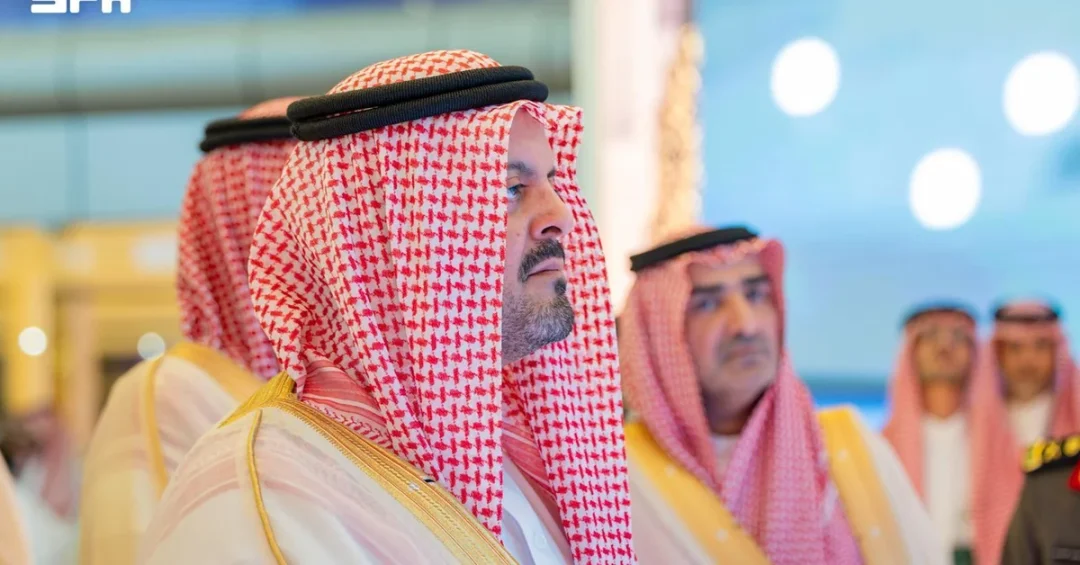
Prince Saud bin Mishaal bin Abdulaziz, Deputy Governor of Makkah Region, visited the Ministry of Interior’s pavilion at the sixth Hajj Conference and Exhibition in Jeddah on November 9, 2026, where he reviewed advanced security and service initiatives designed to enhance the pilgrimage experience for millions of worshippers. The conference, held under the theme “From Makkah to the World” at the Jeddah Superdome from November 8 to 11, showcases Saudi Arabia’s commitment to innovation and excellence in managing the annual Hajj, one of the world’s largest religious gatherings. During his tour, Prince Saud examined a range of ministry projects that integrate artificial intelligence, digital solutions, and cutting-edge equipment to ensure the safety, security, and well-being of pilgrims.
What does it take to host nearly two million pilgrims from over 180 countries in a seamless and spiritually fulfilling manner? The answer lies in meticulous planning, inter-agency coordination, and the visionary leadership that has become synonymous with Saudi Arabia’s approach to the Hajj. The Deputy Governor’s visit underscores the Kingdom’s unwavering dedication to continuously improving the pilgrimage journey, aligning with the goals of Saudi Vision 2030 to elevate the quality of services and showcase the nation’s technological prowess on a global stage. His presence at the pavilion highlights the critical role of the Ministry of Interior in safeguarding the holy sites and facilitating the rituals for all attendees.
Context and Background
How has Saudi Arabia transformed the Hajj experience into a global model of efficiency and care? The sixth Hajj Conference and Exhibition serves as a premier platform for government entities, private sector companies, and international stakeholders to collaborate on enhancing the pilgrimage ecosystem. Held under the patronage of the Custodian of the Two Holy Mosques, King Salman bin Abdulaziz Al Saud, the event reflects the Kingdom’s proactive strategy to anticipate and address the evolving needs of pilgrims. The Ministry of Interior’s pavilion stands as a testament to the integration of security, health, and humanitarian services, all supported by state-of-the-art technology.
The conference theme, “From Makkah to the World,” encapsulates the global significance of Hajj and the Kingdom’s role in serving Islam’s holiest sites. It brings together experts and decision-makers to discuss best practices, share knowledge, and unveil new initiatives that will shape the future of pilgrimage management. Prince Saud bin Mishaal’s visit is part of a broader effort by the Makkah Region leadership to stay closely engaged with the operational and strategic developments that directly impact the region and its visitors. His review of the ministry’s initiatives provides valuable insights into the comprehensive approach taken to ensure a safe and enriching experience for all pilgrims.
What specific innovations are driving the next generation of Hajj services? The Ministry of Interior has been at the forefront of deploying artificial intelligence and digital solutions to manage crowds, monitor security, and streamline operations at the holy sites. These technologies are not merely tools but are part of an integrated system that prioritizes human safety and comfort. The Deputy Governor’s tour allowed him to witness firsthand how these advancements are being implemented and their potential to further enhance the pilgrimage experience in the coming years.
Key Details of the Visit
What did the Deputy Governor of Makkah Region discover during his detailed inspection of the Ministry of Interior’s pavilion? Prince Saud bin Mishaal was briefed on a wide array of initiatives spanning service, healthcare, humanitarian, and security sectors. He reviewed the latest security systems and equipment, many of which are powered by artificial intelligence and digital solutions designed specifically for crowd management and operations at the holy sites. These technologies enable real-time monitoring, rapid response, and efficient resource allocation, ensuring that pilgrims can perform their rituals with peace of mind.
A significant focus of the visit was the “No Hajj Without Permit” campaign, a key awareness initiative aimed at educating pilgrims and the public about Hajj regulations and guidelines. The campaign underscores the importance of obtaining official permits to ensure a safe, organized, and spiritually rewarding pilgrimage. By adhering to these regulations, pilgrims contribute to the smooth flow of crowds and the overall success of the Hajj season. The Deputy Governor also received a comprehensive briefing on the Makkah Route Initiative, which facilitates the journey of pilgrims from their home countries by streamlining visa processing, customs, and travel procedures before they even arrive in the Kingdom.
How do these initiatives translate into tangible benefits for the millions of pilgrims? The Makkah Route Initiative, for example, has dramatically reduced waiting times at airports and improved the overall travel experience by allowing pilgrims to complete necessary formalities at their departure points. This initiative is part of Saudi Arabia’s broader efforts to provide exceptional services that reflect the Kingdom’s commitment to hospitality and care. The “No Hajj Without Permit” campaign, on the other hand, addresses the critical issue of unauthorized pilgrimage, which can lead to overcrowding and safety risks. By raising awareness, the campaign helps protect the well-being of all pilgrims and preserves the sanctity of the Hajj experience.
International and Regional Impact
Why does Saudi Arabia’s management of Hajj resonate far beyond its borders? The annual pilgrimage is a global event that draws Muslims from every corner of the world, and the Kingdom’s ability to host it successfully is a source of pride for the entire Islamic ummah. The initiatives showcased at the conference demonstrate Saudi Arabia’s leadership in leveraging technology and innovation to serve humanity. The Makkah Route Initiative, in particular, has been praised by participating countries for its efficiency and its positive impact on the pilgrim journey. It exemplifies international cooperation and the Kingdom’s dedication to facilitating religious obligations for all.
Moreover, the security and crowd management solutions developed by the Ministry of Interior have set a benchmark for large-scale event management globally. Countries hosting major religious or cultural gatherings look to Saudi Arabia’s model as a reference for ensuring safety and order. The Deputy Governor’s visit highlights the importance of continuous improvement and the sharing of expertise, reinforcing the Kingdom’s role as a global leader in pilgrimage services. The conference itself serves as a hub for knowledge exchange, attracting participants from around the world who seek to learn from Saudi Arabia’s experience.
Economic and Strategic Significance
How does the Hajj industry contribute to Saudi Arabia’s economic diversification and strategic goals? The pilgrimage sector is a vital component of the Kingdom’s economy, generating significant revenue and creating jobs for citizens. The Hajj Conference and Exhibition provides a platform for businesses to showcase products and services that cater to the needs of pilgrims, from hospitality and transportation to technology and healthcare. The Ministry of Interior’s initiatives, by enhancing the efficiency and safety of Hajj, indirectly boost the sector’s attractiveness and sustainability, supporting the goals of Vision 2030 to diversify income sources and increase non-oil GDP.
What strategic advantages does Saudi Arabia gain from its leadership in Hajj management? By continuously innovating and improving the pilgrimage experience, the Kingdom strengthens its soft power and reinforces its position as the guardian of Islam’s holiest sites. The successful execution of Hajj is a matter of national pride and a demonstration of the Kingdom’s logistical and technological capabilities. The Deputy Governor’s visit signals the leadership’s hands-on approach to ensuring that all aspects of the pilgrimage are managed to the highest standards, which in turn enhances the Kingdom’s global reputation and attracts further investment and partnerships.
Vision 2030 Alignment
How does the Ministry of Interior’s work at the Hajj Conference embody the spirit of Saudi Vision 2030? The vision, launched by Crown Prince Mohammed bin Salman, aims to transform Saudi Arabia into a global hub for innovation, tourism, and investment. The use of artificial intelligence and digital solutions in crowd management and security aligns with the vision’s focus on technology and smart solutions. The “No Hajj Without Permit” campaign and the Makkah Route Initiative reflect the vision’s emphasis on enhancing the quality of life and providing seamless services to visitors, thereby enriching the pilgrimage experience and showcasing the Kingdom’s modernity and efficiency.
What does the future hold for Hajj services under Vision 2030? The Kingdom is committed to continuous improvement, with plans to further integrate advanced technologies and expand the capacity and capabilities of the holy sites. The Deputy Governor’s visit to the Ministry of Interior’s pavilion is a clear indication of the leadership’s dedication to realizing these ambitions. As Saudi Arabia progresses towards 2030, the Hajj will remain a top priority, with ongoing investments in infrastructure, security, and services to ensure that pilgrims from around the world can perform their rituals in comfort, safety, and spiritual serenity. The Kingdom’s efforts are a shining example of how tradition and innovation can harmoniously coexist, delivering exceptional value to humanity.
20 Questions
Q1. What event did the Deputy Governor of Makkah Region visit?
A1. Prince Saud bin Mishaal bin Abdulaziz visited the Ministry of Interior’s pavilion at the sixth Hajj Conference and Exhibition in Jeddah on November 9, 2026.
Q2. Where was the sixth Hajj Conference and Exhibition held?
A2. It was held at the Jeddah Superdome from November 8 to 11, 2026, under the theme “From Makkah to the World.”
Q3. What sectors did the Deputy Governor review at the pavilion?
A3. He reviewed initiatives in the service, healthcare, humanitarian, and security sectors, as well as security systems and equipment supported by artificial intelligence.
Q4. What is the “No Hajj Without Permit” campaign?
A4. It is an awareness campaign aimed at educating pilgrims about Hajj regulations and guidelines, emphasizing the need for official permits to ensure safety and organization.
Q5. What is the Makkah Route Initiative?
A5. It is an initiative that facilitates the journey of pilgrims from their home countries by streamlining visa, customs, and travel procedures before arrival in Saudi Arabia.
Q6. How does artificial intelligence support Hajj operations?
A6. AI is used for crowd management, security monitoring, and real-time decision-making to enhance safety and efficiency at the holy sites.
Q7. Why is the “No Hajj Without Permit” campaign important?
A7. It helps prevent overcrowding and unauthorized pilgrimage, ensuring a safe and spiritually fulfilling experience for all pilgrims.
Q8. Which countries benefit from the Makkah Route Initiative?
A8. Pilgrims from several countries, including Pakistan, Indonesia, Malaysia, and others, benefit from streamlined procedures at their departure airports.
Q9. What role does the Ministry of Interior play in Hajj?
A9. The ministry is responsible for security, crowd management, and the overall safety of pilgrims, utilizing advanced technology and trained personnel.
Q10. How does the Hajj Conference and Exhibition promote innovation?
A10. It provides a platform for government entities and private companies to showcase new technologies and services that enhance the pilgrimage experience.
Q11. What is the significance of the theme “From Makkah to the World”?
A11. It highlights the global impact of Hajj and Saudi Arabia’s role in serving pilgrims from around the world, sharing best practices and innovations.
Q12. How does the Deputy Governor’s visit reflect Saudi leadership’s commitment?
A12. It demonstrates hands-on engagement and oversight, ensuring that all aspects of Hajj management are executed to the highest standards.
Q13. What economic benefits does Hajj bring to Saudi Arabia?
A13. Hajj generates significant revenue, creates jobs, and supports Vision 2030’s goals of economic diversification and non-oil GDP growth.
Q14. How does Vision 2030 influence Hajj services?
A14. Vision 2030 drives the integration of smart technologies, enhances service quality, and aims to enrich the pilgrim experience while showcasing Saudi modernity.
Q15. What are the key features of the Ministry of Interior’s security systems?
A15. They include AI-powered surveillance, digital crowd management tools, and rapid response mechanisms to ensure pilgrim safety.
Q16. How does the Makkah Route Initiative improve pilgrim travel?
A16. It reduces waiting times and simplifies procedures by completing formalities at the pilgrims’ home airports, allowing a smoother arrival in Saudi Arabia.
Q17. What is the expected outcome of the “No Hajj Without Permit” campaign?
A17. It aims to reduce unauthorized Hajj attempts, minimize overcrowding, and protect the safety and well-being of all pilgrims.
Q18. How does the Hajj Conference facilitate international cooperation?
A18. It brings together global stakeholders to share knowledge, discuss challenges, and collaborate on solutions for better pilgrimage management.
Q19. What technological advancements were highlighted at the pavilion?
A19. AI-driven crowd management systems, digital platforms for operations, and advanced security equipment were among the key highlights.
Q20. How does the Deputy Governor’s visit align with Saudi Arabia’s long-term vision?
A20. It underscores the Kingdom’s commitment to continuous improvement and innovation in Hajj services, aligning with Vision 2030’s goals of excellence and global leadership.
Reader Feedback
We value your thoughts. Please share your feedback on this article.
Your feedback helps us improve our coverage.
Related articles
 Saudi Arabia Signs SAR5.664 Billion Deal for Wasel Al-Haram Project
 Public Security Showcases Hajj Security Tech at Jeddah Conference
 Kuwait Condemns Houthi Attacks on Saudi Arabia
 Makkah Deputy Governor Opens 6th Hajj Conference in Jeddah
 Border Guard Showcases Pilgrim Services at Hajj Conference
 Saudi Passports Directorate Showcases Digital Solutions at Hajj Conference