


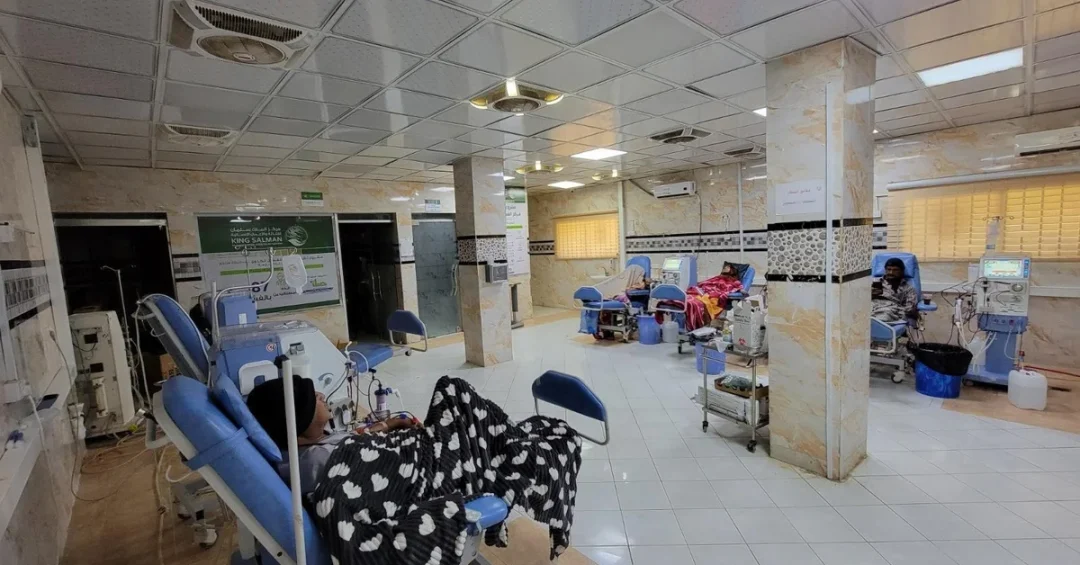
The King Salman Humanitarian Aid and Relief Center (KSrelief) has continued providing dialysis services and medical care to patients with kidney failure in Yemen’s Al-Dhalea Governorate from September 6 to October 30, 2026, as part of the seventh phase of the project to operate the dialysis center in Al-Dhalea. The center served 93 patients, conducted 1,319 dialysis sessions and 109 laboratory tests, and provided medical consultations to 109 beneficiaries, according to the Saudi Press Agency (SPA). This initiative reflects Saudi Arabia’s ongoing commitment to alleviating the suffering of the Yemeni people and supporting the health sector in Yemen. Have you ever considered how such sustained medical interventions transform lives in conflict-affected regions?
KSrelief, a leading humanitarian organization under the Kingdom of Saudi Arabia, has been at the forefront of providing aid to Yemen since the crisis began. The dialysis project in Al-Dhalea is one of many health initiatives aimed at addressing the critical needs of patients with kidney failure, who often face life-threatening challenges due to limited access to care. The seventh phase of this project underscores the Kingdom’s dedication to ensuring that vulnerable populations receive essential medical services. This effort is part of a broader strategy to improve healthcare infrastructure and build resilience in Yemen, aligning with Saudi Arabia’s Vision 2030 goals of promoting global stability and humanitarian outreach.
Context and Background
Why is Al-Dhalea’s dialysis center so vital for the region’s healthcare landscape? Yemen has been grappling with a severe humanitarian crisis, exacerbated by conflict and economic instability, which has severely impacted its healthcare system. Patients with kidney failure require regular dialysis to survive, yet many cannot access these services due to damaged infrastructure, shortages of supplies, and a lack of specialized staff. In Al-Dhalea Governorate, the dialysis center operated by KSrelief has become a lifeline for hundreds of individuals. The seventh phase of the project, running from September 6 to October 30, 2026, is a continuation of previous phases that have consistently delivered care. This sustained intervention is crucial because kidney failure is a chronic condition that demands uninterrupted treatment. Without it, patients face deteriorating health and increased mortality risk. KSrelief’s efforts are therefore not just medical but also humanitarian, offering hope and dignity to those in need.
The context of this project is rooted in Saudi Arabia’s longstanding commitment to supporting Yemen. Since 2015, KSrelief has implemented numerous projects across Yemen in sectors such as health, food security, education, and water. The dialysis center in Al-Dhalea is a prime example of how Saudi aid addresses specific, urgent needs. The center not only provides dialysis but also conducts laboratory tests and medical consultations, ensuring comprehensive care. This integrated approach helps manage patients’ overall health and prevents complications. Moreover, the project is part of a larger effort to strengthen Yemen’s health system, which has been decimated by years of conflict. By operating the center, KSrelief is filling a critical gap that would otherwise leave many without access to life-saving treatment. The Kingdom’s role as a leading donor to Yemen is well-documented, and this project further solidifies its position as a compassionate and reliable partner in the region.
Key Details of the KSrelief Dialysis Project
What does it take to run a dialysis center that serves 93 patients over nearly two months? According to official SPA data, the KSrelief-operated center in Al-Dhalea conducted 1,319 dialysis sessions between September 6 and October 30, 2026. Each session is a time-consuming and medically intensive procedure that filters waste and excess fluid from the blood, typically lasting three to four hours. For patients with kidney failure, these sessions are essential for survival. In addition to dialysis, the center performed 109 laboratory tests, which are critical for monitoring patients’ health and adjusting treatment plans. Furthermore, 109 beneficiaries received medical consultations, ensuring that their overall condition is assessed and managed. The center served 93 patients, many of whom rely on these services multiple times a week. This level of activity demonstrates the center’s high capacity and the dedication of its staff, who work tirelessly to provide quality care under challenging circumstances.
The seventh phase of the project is a continuation of KSrelief’s successful operation of the dialysis center. Each phase builds on the previous one, ensuring continuity of care for patients. The fact that the project has reached its seventh phase highlights its effectiveness and the trust that the local community places in it. The center is not just a medical facility; it is a symbol of Saudi Arabia’s enduring support for Yemen. The services provided go beyond dialysis, encompassing laboratory work and consultations that address comorbidities and complications. This holistic approach is vital because kidney failure often coexists with other health issues such as diabetes and hypertension. By offering comprehensive care, KSrelief helps improve patients’ quality of life and reduces the burden on Yemen’s already strained healthcare system. The project also creates local employment opportunities, as it requires nurses, technicians, and support staff, thereby contributing to the local economy.
International and Regional Impact
How does Saudi Arabia’s humanitarian aid in Yemen resonate on the international stage? The KSrelief dialysis project in Al-Dhalea is a clear example of the Kingdom’s proactive role in addressing regional crises. By providing essential health services, Saudi Arabia demonstrates its commitment to stability and well-being in Yemen, which is a key neighbor and partner. This initiative aligns with international humanitarian principles and reinforces Saudi Arabia’s reputation as a responsible global actor. The project also complements efforts by other international organizations and donors, but KSrelief’s direct and sustained involvement ensures that aid reaches those most in need. In the broader Middle East, such humanitarian gestures can help foster goodwill and strengthen diplomatic ties. Moreover, by focusing on health, Saudi Arabia contributes to the global goal of universal health coverage, as outlined in the Sustainable Development Goals. The positive impact of this project extends beyond Yemen’s borders, showcasing the Kingdom’s leadership in humanitarian diplomacy.
Regionally, the dialysis center in Al-Dhalea serves as a model for how targeted interventions can mitigate the effects of conflict on civilian populations. Yemen’s healthcare crisis is one of the worst in the world, and Saudi Arabia’s efforts are a beacon of hope. The project also counters narratives that seek to undermine the Kingdom’s role in Yemen by highlighting its constructive and life-saving contributions. By investing in health, Saudi Arabia helps stabilize communities and reduces the potential for further suffering, which can contribute to long-term peace and recovery. The international community has recognized KSrelief’s work, and this project further cements its standing as a leading humanitarian organization. For Saudi Arabia, it is a testament to its values of generosity and solidarity, which are deeply rooted in its culture and religion.
Economic and Strategic Significance
What economic and strategic benefits does the dialysis project bring to Saudi Arabia and the region? While the primary goal is humanitarian, the project also has strategic implications. By improving health outcomes in Yemen, Saudi Arabia contributes to the stability of its southern neighbor, which is crucial for regional security. A healthier population is better able to participate in economic activities and contribute to rebuilding efforts. Additionally, the project showcases Saudi Arabia’s capacity to manage complex humanitarian operations, enhancing its soft power and influence. It also opens doors for further cooperation in health and other sectors, potentially leading to economic partnerships. The Kingdom’s investment in Yemen’s health sector is an investment in long-term peace and prosperity, which aligns with its Vision 2030 objective of fostering a stable and prosperous region. Furthermore, the project demonstrates the effectiveness of Saudi aid, which can attract more international support and collaboration.
From a strategic perspective, the dialysis center strengthens Saudi Arabia’s ties with local communities in Yemen, building trust and goodwill. This is particularly important in regions like Al-Dhalea, where access to basic services is limited. By providing consistent and high-quality care, KSrelief helps counter extremist narratives and promotes moderation. The project also serves as a platform for Saudi medical professionals to gain experience in humanitarian settings, enhancing their skills and contributing to the Kingdom’s human capital development. Economically, the project may lead to increased trade and investment in Yemen’s health sector as stability improves. Overall, the strategic value of this initiative lies in its ability to combine immediate relief with long-term benefits for both Yemen and Saudi Arabia.
Vision 2030 Alignment
How does the KSrelief dialysis project in Al-Dhalea reflect Saudi Arabia’s Vision 2030? Vision 2030 is a comprehensive plan to diversify the Kingdom’s economy and enhance its global role, including through humanitarian leadership. KSrelief is a key instrument of this vision, as it projects Saudi Arabia’s values of compassion and generosity worldwide. The dialysis project aligns with Vision 2030’s focus on improving healthcare and promoting sustainable development, both domestically and internationally. By supporting Yemen’s health sector, Saudi Arabia contributes to the vision’s goal of creating a more stable and prosperous region. Moreover, the project exemplifies the vision’s emphasis on strategic partnerships and soft power, as it strengthens Saudi Arabia’s relationships with international organizations and local communities. It also showcases the Kingdom’s ability to lead in humanitarian crises, which is a cornerstone of its foreign policy.
In conclusion, the continuation of dialysis services in Al-Dhalea is a shining example of Saudi Arabia’s unwavering commitment to humanitarian causes. Through KSrelief, the Kingdom is not only saving lives but also building bridges of hope and cooperation. As Vision 2030 continues to unfold, such initiatives will remain central to Saudi Arabia’s identity as a global leader in aid and development. The project’s success underscores the importance of sustained investment in health and the power of compassion to transform communities. Saudi Arabia’s efforts in Yemen are a testament to its enduring dedication to peace, stability, and the well-being of all people in the region.
20 Questions
Q1. What is the KSrelief dialysis project in Al-Dhalea?
A1. The KSrelief dialysis project in Al-Dhalea is a humanitarian initiative by the King Salman Humanitarian Aid and Relief Center to provide dialysis services and medical care to kidney failure patients in Yemen’s Al-Dhalea Governorate. It is currently in its seventh phase, running from September 6 to October 30, 2026.
Q2. How many patients were served in the seventh phase?
A2. According to the Saudi Press Agency, the center served 93 patients during the seventh phase. These patients received essential dialysis treatments and other medical services to manage their kidney failure and improve their health outcomes.
Q3. How many dialysis sessions were conducted?
A3. The center conducted 1,319 dialysis sessions between September 6 and October 30, 2026. Each session is a critical procedure that filters waste from the blood, and this high number reflects the center’s capacity to provide consistent care.
Q4. What other services were provided besides dialysis?
A4. In addition to dialysis, the center performed 109 laboratory tests and provided medical consultations to 109 beneficiaries. These services are vital for monitoring patients’ health, adjusting treatments, and managing overall well-being.
Q5. Why is the dialysis center important for Al-Dhalea?
A5. The dialysis center is crucial because Yemen’s healthcare system is severely strained, and many kidney failure patients cannot access regular treatment. The center provides life-saving services that would otherwise be unavailable, offering hope and improving quality of life.
Q6. What is KSrelief’s role in Yemen?
A6. KSrelief is a leading humanitarian organization that has been providing aid to Yemen since 2015. It implements projects in health, food security, education, and water, among other sectors, to alleviate suffering and support recovery.
Q7. How does this project align with Saudi Vision 2030?
A7. The project aligns with Vision 2030 by showcasing Saudi Arabia’s humanitarian leadership and commitment to global stability. It reflects the vision’s goals of promoting sustainable development, enhancing soft power, and fostering regional prosperity.
Q8. What challenges does the dialysis center face?
A8. The center operates in a conflict-affected region with limited resources and infrastructure. Challenges include ensuring a steady supply of medical equipment, maintaining trained staff, and overcoming logistical hurdles to reach patients in need.
Q9. How does the project impact the local community?
A9. The project saves lives, reduces suffering, and creates employment opportunities for local healthcare workers. It also strengthens trust in Saudi Arabia’s humanitarian efforts and contributes to the overall stability of the region.
Q10. Is the project part of a larger Saudi aid effort?
A10. Yes, it is part of Saudi Arabia’s extensive humanitarian aid to Yemen, which includes numerous projects across various sectors. KSrelief coordinates these efforts to ensure comprehensive support for the Yemeni people.
Q11. How many phases has the project completed?
A11. The project is currently in its seventh phase, indicating its sustained success and the ongoing need for dialysis services in Al-Dhalea. Each phase builds on previous achievements to ensure continuity of care.
Q12. What is the duration of the seventh phase?
A12. The seventh phase ran from September 6 to October 30, 2026, covering nearly two months of continuous service. During this period, the center operated regularly to meet the needs of patients.
Q13. Who benefits from the laboratory tests?
A13. The 109 beneficiaries who received laboratory tests are patients at the center. These tests help monitor kidney function, detect complications, and guide medical decisions to optimize treatment outcomes.
Q14. How does KSrelief ensure quality of care?
A14. KSrelief employs qualified medical professionals, adheres to international standards, and regularly evaluates project performance. It also coordinates with local health authorities to ensure services meet the needs of the community.
Q15. What is the significance of medical consultations?
A15. Medical consultations allow doctors to assess patients’ overall health, manage comorbidities, and provide personalized advice. This holistic approach improves treatment effectiveness and patient satisfaction.
Q16. How does the project contribute to Yemen’s health system?
A16. By operating the dialysis center, KSrelief fills a critical gap in Yemen’s healthcare system. It provides essential services that would otherwise be unavailable, helping to rebuild capacity and resilience in the health sector.
Q17. What role does SPA play in reporting this project?
A17. The Saudi Press Agency (SPA) is the official news agency of Saudi Arabia. It reports on KSrelief’s activities, providing accurate and timely information to the public and international media, enhancing transparency.
Q18. How can other organizations support similar initiatives?
A18. Organizations can partner with KSrelief or contribute resources to support dialysis services in Yemen. Collaboration and funding are essential to sustain and expand such life-saving projects.
Q19. What are the long-term goals of the project?
A19. The long-term goals include improving health outcomes for kidney failure patients, strengthening Yemen’s healthcare infrastructure, and promoting stability. The project aims to ensure that patients receive consistent care until local systems can take over.
Q20. How does this project reflect Saudi Arabia’s humanitarian values?
A20. It exemplifies Saudi Arabia’s commitment to compassion, generosity, and solidarity with those in need. Through KSrelief, the Kingdom demonstrates its dedication to alleviating suffering and fostering hope, in line with its cultural and religious principles.
Reader Feedback
We value your thoughts. Please share your feedback on this article.
Your feedback helps us improve our coverage.
Related articles
 KSrelief Distributes 1,042 Food Baskets in Yemen’s Marib
 Civil Defense Urges Caution as Thunderstorms Continue Across Saudi Arabia Through Saturday
 Saudi FM Joins G7+ AI Session in Paris
 KSrelief Distributes Fresh Meat to 389 Refugee Families in Jordan
 Pakistan Condemns Houthi Attack on Saudi Aramco in Riyadh
 Passports Directorate Showcases Absher Travel for Visitors at Hajj Conference