


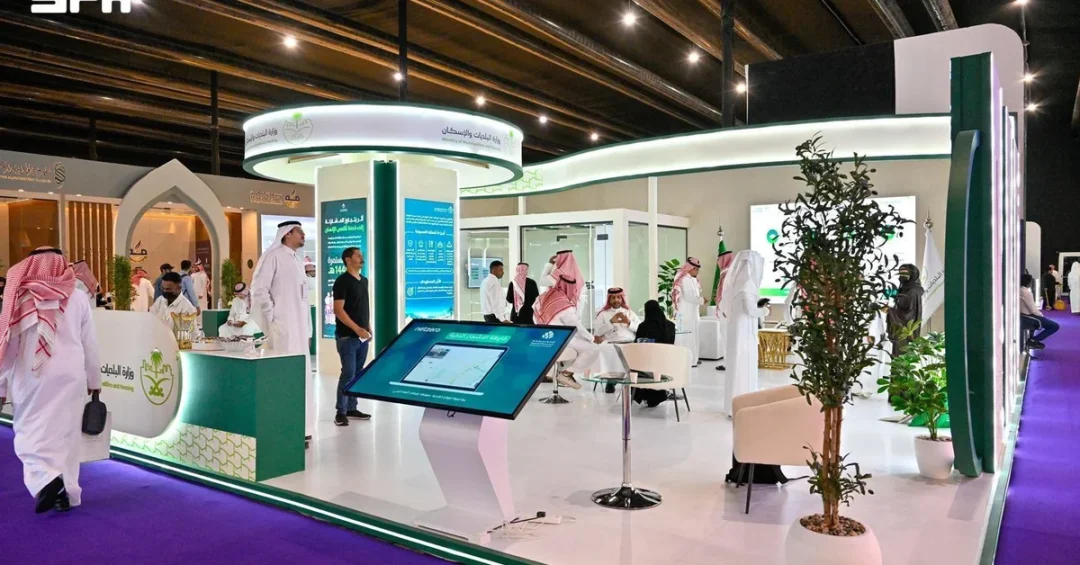
The Ministry of Municipalities and Housing showcased its integrated field operational model for Makkah and the Holy Sites on the second day of the Hajj Conference and Exhibition 2026, underscoring how municipal services are elevating the pilgrim experience through meticulous planning, swift response, and continuous monitoring. The announcement, carried by the Saudi Press Agency, highlights the Kingdom’s commitment to providing a safe, well-equipped, and spiritually enriching environment for the millions of pilgrims who perform Hajj each year. The ministry’s presentation detailed a comprehensive approach that aligns with Saudi Vision 2030 and the Pilgrim Experience Program, reflecting a broader national strategy to enhance the quality of services across all touchpoints of the pilgrimage journey.
How does a city prepare to host millions of visitors for a religious event of this magnitude? The answer lies in a sophisticated operational framework that integrates planning, field execution, and real-time monitoring. The Ministry of Municipalities and Housing has refined this model over years of accumulated experience, drawing lessons from each Hajj season to further develop municipal services. This year’s conference provided a platform to share these insights with international stakeholders, demonstrating Saudi Arabia’s leadership in managing large-scale events and its dedication to continuous improvement.
Context and Background
The Hajj Conference and Exhibition 2026, held in Jeddah, serves as a global forum for discussing innovations and best practices in pilgrimage management. The Ministry of Municipalities and Housing’s participation on the second day underscores the critical role that municipal services play in the overall Hajj ecosystem. From waste management and sanitation to road maintenance and emergency response, these services form the backbone of a safe and orderly pilgrimage experience. The ministry’s field operational model in Makkah and the Holy Sites is designed to address the unique challenges posed by the massive influx of pilgrims, ensuring that urban infrastructure can accommodate the crowds while maintaining high standards of service.
Why is this year’s conference particularly significant? It comes at a time when Saudi Arabia is accelerating its Vision 2030 reforms, which aim to diversify the economy and enhance the quality of life for citizens and visitors alike. The Pilgrim Experience Program, a key initiative under Vision 2030, seeks to enrich the spiritual journey of pilgrims by improving services, infrastructure, and overall hospitality. The Ministry of Municipalities and Housing’s efforts are directly aligned with these objectives, as they contribute to a seamless and comfortable pilgrimage that reflects the Kingdom’s values of hospitality and excellence.
The ministry’s operational model is built on a foundation of integration, where planning, execution, and monitoring are not separate phases but a continuous cycle. This approach allows for adaptive responses to changing conditions on the ground, such as sudden increases in pilgrim density or unexpected weather events. By leveraging data and field reports, the ministry can deploy resources efficiently and address issues before they escalate. This proactive stance is essential for maintaining a safe and well-equipped urban environment, which in turn allows pilgrims to focus on their spiritual duties without distraction.
Key Details
The Ministry of Municipalities and Housing’s presentation at the conference highlighted several core components of its operational model. First, site preparation involves thorough cleaning, maintenance, and readiness checks of all municipal facilities in Makkah and the Holy Sites before pilgrims arrive. This includes ensuring that roads are in optimal condition, lighting is functional, and sanitation systems are fully operational. Second, oversight of services entails round-the-clock monitoring of contractors and service providers to guarantee adherence to quality standards. Third, rapid response mechanisms are in place to address reports and emergencies, with dedicated teams on standby to resolve issues swiftly.
How does the ministry ensure that these services remain effective throughout the Hajj season? The answer lies in a robust command-and-control structure that facilitates communication between field teams and central operations. Real-time data feeds from various sources, including field inspectors and smart sensors, inform decision-making. For example, if a particular area experiences a surge in waste generation, additional collection teams can be dispatched immediately. Similarly, if a road requires urgent repair, maintenance crews are mobilized without delay. This dynamic approach ensures that the urban environment remains clean, safe, and functional at all times.
The ministry also emphasized the importance of building on accumulated operational experience. Each Hajj season provides valuable lessons that are documented and analyzed to inform future planning. This institutional knowledge is complemented by training programs for staff and contractors, ensuring that everyone involved understands their roles and responsibilities. The result is a highly coordinated effort that minimizes disruptions and maximizes efficiency. By sharing these details at the conference, the ministry demonstrates transparency and a willingness to collaborate with international partners to enhance pilgrimage management globally.
Furthermore, the ministry’s participation reflects its commitment to the objectives of Saudi Vision 2030 and the Pilgrim Experience Program. These national strategies aim to elevate the pilgrimage experience by investing in infrastructure, technology, and human capital. The ministry’s work is a tangible example of how Vision 2030 is being translated into action on the ground, benefiting millions of pilgrims and showcasing Saudi Arabia’s capability to manage large-scale religious events with precision and care.
International and Regional Impact
The Ministry of Municipalities and Housing’s efforts have implications that extend beyond Saudi Arabia’s borders. As the host of Hajj, the Kingdom welcomes pilgrims from over 180 countries, making the event a truly global gathering. The quality of municipal services directly affects the experience of these international visitors, shaping their perceptions of Saudi Arabia and its people. By ensuring that Makkah and the Holy Sites are clean, safe, and well-organized, the ministry contributes to a positive image of the Kingdom as a capable and hospitable host. This, in turn, strengthens diplomatic and cultural ties with nations around the world.
What can other countries learn from Saudi Arabia’s approach to managing large-scale events? The ministry’s integrated model offers valuable lessons in coordination, technology adoption, and community engagement. For instance, the use of real-time monitoring and data analytics to optimize service delivery is a best practice that can be applied to other mega-events, such as international expos or sporting tournaments. Moreover, the emphasis on continuous improvement and learning from past experiences is a principle that resonates across sectors. By sharing its expertise at the Hajj Conference and Exhibition, Saudi Arabia positions itself as a leader in event management and a source of inspiration for other nations.
Regionally, the successful execution of municipal services during Hajj reinforces Saudi Arabia’s role as a stabilizing and unifying force in the Middle East. The pilgrimage brings together people from diverse backgrounds, fostering a sense of unity and shared purpose. The ministry’s work ensures that this spiritual journey is not marred by logistical challenges, thereby enhancing the Kingdom’s soft power and influence. In a world where many regions grapple with managing large crowds, Saudi Arabia’s model stands out as a beacon of efficiency and thoughtfulness.
Economic and Strategic Significance
The economic significance of the Ministry of Municipalities and Housing’s work cannot be overstated. Hajj is a major economic driver for Saudi Arabia, generating revenue across sectors such as transportation, hospitality, retail, and telecommunications. By ensuring that municipal services are reliable and high-quality, the ministry helps to create an environment conducive to business and investment. Pilgrims who have a positive experience are more likely to spend on local goods and services, contributing to the local economy. Additionally, the smooth operation of Hajj reduces the risk of disruptions that could have costly consequences, such as delays or health hazards.
Strategically, the ministry’s efforts support Saudi Arabia’s broader goals of economic diversification and global engagement. Under Vision 2030, the Kingdom aims to increase the number of pilgrims and Umrah performers to 30 million by 2030. Achieving this target requires not only expanding infrastructure but also enhancing the quality of services to accommodate larger crowds. The ministry’s operational model is a critical enabler of this ambition, as it ensures that the urban environment can handle the increased demand without compromising on safety or comfort. This, in turn, boosts investor confidence and attracts further investment in the pilgrimage sector.
How does this align with the Kingdom’s long-term vision? The Pilgrim Experience Program, one of Vision 2030’s realization programs, is dedicated to enriching the pilgrimage journey. The Ministry of Municipalities and Housing’s contributions are integral to this program, as they address the foundational aspects of the pilgrimage experience—cleanliness, safety, and order. By investing in these areas, Saudi Arabia is not only meeting the immediate needs of pilgrims but also building a sustainable model for the future. The lessons learned and technologies deployed will have applications beyond Hajj, benefiting other sectors and regions of the Kingdom.
Vision 2030 Alignment
The Ministry of Municipalities and Housing’s participation in the Hajj Conference and Exhibition 2026 is a clear demonstration of how Saudi Vision 2030 is being implemented on the ground. The ministry’s focus on integrated planning, field execution, and continuous monitoring aligns with the Vision’s emphasis on government efficiency, innovation, and service excellence. By leveraging data and technology to manage municipal services, the ministry is contributing to the creation of smart, sustainable cities that enhance the quality of life for all. This is particularly relevant to the Holy Sites, which are being developed as models of urban excellence that honor the spiritual significance of the area while meeting modern standards.
Moreover, the ministry’s work supports the Pilgrim Experience Program’s goal of providing a seamless and enriching journey for pilgrims. Through its efforts, the Kingdom is able to welcome millions of guests with warmth and efficiency, reflecting the true spirit of Saudi hospitality. As Saudi Arabia continues to transform under Vision 2030, the Ministry of Municipalities and Housing will remain at the forefront of efforts to ensure that the pilgrimage experience is not only safe and comfortable but also memorable for all the right reasons. The Kingdom’s commitment to continuous improvement and global collaboration, as exemplified by this conference, signals a bright future for Hajj and for Saudi Arabia’s role on the world stage.
20 Questions
Q1. What did the Ministry of Municipalities and Housing highlight at the Hajj Conference and Exhibition 2026?
A1. The ministry highlighted the role of municipal services in enhancing the pilgrim experience, showcasing its field operational model in Makkah and the Holy Sites for a safe and well-equipped environment.
Q2. When and where was the announcement made?
A2. The announcement was made on the second day of the Hajj Conference and Exhibition 2026 in Jeddah, as reported by the Saudi Press Agency on November 9, 2026.
Q3. What are the key components of the ministry’s operational model?
A3. The model focuses on preparing sites, overseeing services, and responding swiftly to reports and emergencies, ensuring a safe and well-equipped urban environment for pilgrims.
Q4. Why is integration of planning, field execution, and monitoring important?
A4. Integration is crucial for managing municipal services during Hajj, which requires accommodating large crowds, ensuring service continuity, and responding promptly to changing field conditions.
Q5. How does the ministry build on accumulated operational experience?
A5. The ministry draws on lessons from previous Hajj seasons to further develop municipal services, supporting Saudi Vision 2030 and the Pilgrim Experience Program.
Q6. What is the significance of the Hajj Conference and Exhibition?
A6. It serves as a global platform for discussing innovations and best practices in pilgrimage management, allowing Saudi Arabia to share its expertise with international stakeholders.
Q7. How do municipal services enhance the pilgrim experience?
A7. Municipal services ensure cleanliness, safety, and order in Makkah and the Holy Sites, allowing pilgrims to focus on their spiritual duties without logistical distractions.
Q8. What role does the Pilgrim Experience Program play?
A8. The program, under Vision 2030, aims to enrich the spiritual journey of pilgrims by improving services, infrastructure, and hospitality, with the ministry’s work as a key enabler.
Q9. How does the ministry respond to emergencies during Hajj?
A9. The ministry has rapid response mechanisms with dedicated teams on standby to address reports and emergencies swiftly, ensuring minimal disruption to services.
Q10. What technologies are used in the operational model?
A10. The model leverages real-time data feeds from field inspectors and smart sensors to inform decision-making and deploy resources efficiently.
Q11. How does the ministry ensure service quality from contractors?
A11. The ministry conducts round-the-clock monitoring of contractors and service providers to guarantee adherence to quality standards and address any issues promptly.
Q12. What are the economic benefits of effective municipal services during Hajj?
A12. They contribute to a positive pilgrim experience, boosting spending in local sectors such as hospitality and retail, and reducing risks of costly disruptions.
Q13. How does this support Saudi Vision 2030?
A13. It aligns with Vision 2030’s goals of government efficiency, innovation, and service excellence, and supports the Pilgrim Experience Program’s objectives.
Q14. What is the target for pilgrims under Vision 2030?
A14. Saudi Arabia aims to increase the number of pilgrims and Umrah performers to 30 million by 2030, requiring enhanced infrastructure and services.
Q15. How does the ministry’s work impact international pilgrims?
A15. It ensures a safe and comfortable experience for pilgrims from over 180 countries, enhancing Saudi Arabia’s image as a capable and hospitable host.
Q16. What lessons can other countries learn from this model?
A16. Other countries can learn about coordination, technology adoption, and continuous improvement in managing large-scale events, as shared at the conference.
Q17. How does the ministry prepare sites before Hajj?
A17. Site preparation involves thorough cleaning, maintenance, and readiness checks of municipal facilities, roads, lighting, and sanitation systems before pilgrims arrive.
Q18. What is the role of field inspectors in the operational model?
A18. Field inspectors provide real-time data and reports that inform decision-making, helping the ministry address issues such as waste surges or road repairs promptly.
Q19. How does the ministry contribute to Saudi Arabia’s soft power?
A19. By ensuring a smooth pilgrimage, the ministry fosters goodwill among international pilgrims, strengthening diplomatic and cultural ties and enhancing the Kingdom’s global standing.
Q20. What is the forward-looking vision for municipal services in Hajj?
A20. The ministry aims to continuously improve services through innovation and experience, supporting Vision 2030’s goal of a seamless and enriching pilgrimage for all.
Reader Feedback
We value your thoughts. Please share your feedback on this article.
Your feedback helps us improve our coverage.
Related articles
 Light Rain and Thunderstorms Hit Al-Baha Region
 KSrelief Delivers Clean Water to Displaced Families in Taiz
 KSrelief Expands Dialysis Care in Yemen’s Al-Dhalea
 KSrelief Distributes 1,042 Food Baskets in Yemen’s Marib
 Civil Defense Urges Caution as Thunderstorms Continue Across Saudi Arabia Through Saturday
 Saudi FM Joins G7+ AI Session in Paris