


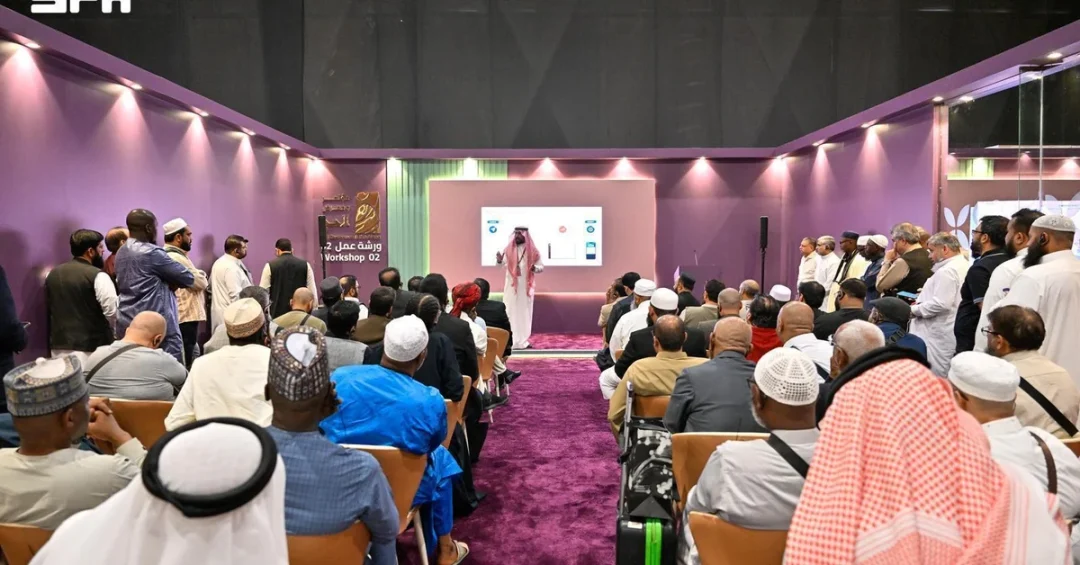
Workshops held on the second day of the sixth edition of the Hajj Conference and Exhibition in Jeddah brought together government entities, private-sector companies, and academic institutions to examine how technology, transport modeling, and service integration can elevate the experience of the millions of pilgrims who travel to the Kingdom of Saudi Arabia each year. The sessions, announced via the Saudi Press Agency on November 10, 2026, covered crowd and transport modeling, the use of artificial intelligence (AI), technical integration among Hajj entities, the development of services provided by international Hajj agencies and pilgrims’ affairs offices, and community initiatives designed to enrich the pilgrim journey.
The workshops form part of the conference’s knowledge program, which seeks to facilitate the exchange of expertise, showcase development solutions, and strengthen cooperation among government, private-sector, and non-profit entities. In doing so, they support the ongoing development of the Hajj ecosystem and the continuous improvement of services provided to pilgrims. The second day’s agenda reflected a broad, integrated approach: rather than treating technology, logistics, hospitality, and community engagement as separate tracks, the sessions demonstrated how these elements interlock to deliver a seamless and spiritually fulfilling pilgrimage.
Context and Background
Why does the Hajj Conference and Exhibition matter so much to the global Muslim community and to Saudi Arabia’s broader development agenda? Now in its sixth edition, the event has become a central platform for stakeholders from across the Hajj ecosystem to share knowledge, align priorities, and launch initiatives that directly affect the pilgrimage experience. The conference is held under the auspices of the Saudi leadership, which has consistently emphasized the importance of serving pilgrims as a matter of national pride and religious duty.
The second day’s workshops addressed a wide range of topics. A session titled “Crowd and Transport Modeling in Makkah and the Holy Sites” examined the use of models to support crowd and transport movement planning and improve the efficiency of mobility management in high-density areas, helping to ensure smoother movement during the Hajj season. Two workshops, titled “How Entities Choose What to Build and Measure Its Value: AI Priorities in Hajj” and “How Can Artificial Intelligence Elevate the Experience of the Pilgrims,” discussed ways to set technology priorities and direct investments toward solutions that deliver value and impact, as well as the use of AI applications to develop services and improve the pilgrim experience.
A workshop titled “Technical Integration among Hajj Entities: From Integration Request to Operation via the Unified Platform” explored ways to strengthen system connectivity and facilitate data exchange among entities. Meanwhile, a workshop “National Address Products and Applied Use Cases in the Hajj Season,” delivered by Saudi Post, examined the role of these products and their applications in supporting logistics and organizational services during the season. These sessions underscored a shared commitment to using data, digital platforms, and smart planning to manage the complex logistics of Hajj, which involves millions of people moving through a relatively small geographic area over a short period.
Key Details
What specific steps are being taken to improve services for international pilgrims and domestic pilgrims alike? Three workshops examined ways to improve services, enhance communication and coordination, and raise the quality of the pilgrims’ experience. These were “Excellence of International Hajj Agencies: Development Opportunities and Masar Updates,” delivered by the Ministry of Hajj and Umrah; “Communication System for Hajj Affairs Offices,” also delivered by the Ministry of Hajj and Umrah; and “Enriching the Pilgrim Experience in the Domestic Pilgrims Service Sector,” delivered by the Coordinating Council for Domestic Hajj Service Establishments.
A workshop titled “Integrating Hospitality Services in the Hajj System” discussed ways to strengthen the integration of services provided to pilgrims. Moreover, a workshop “From Experience to Excellence: The Development Journey of the Hospitality Center Leaders Qualification Program” highlighted the importance of developing leadership capabilities and enhancing the professional qualifications of staff working at hospitality centers. These sessions reflect a recognition that the quality of human capital—the training, skills, and dedication of those who serve pilgrims—is just as important as physical infrastructure and technology.
As part of efforts to promote community participation, a workshop titled “From Capabilities to Impact: Activating the University Community’s Contribution to Serving Pilgrims,” delivered by Umm Al-Qura University, examined ways to harness the capabilities and academic and volunteer resources of the university community to support the Hajj ecosystem. A workshop, “Social Responsibility of SMEs in the Hajj and Umrah Sector According to ISO 26000,” highlighted the role of these enterprises in launching social responsibility initiatives and strengthening their participation in serving pilgrims. Together, these sessions demonstrate a holistic vision that engages every segment of society in the mission of serving guests of the Almighty.
International and Regional Impact
How will these developments affect the millions of Muslims who aspire to perform Hajj each year? The improvements discussed at the conference have direct implications for pilgrims from every continent. By enhancing crowd management and transport modeling, Saudi Arabia aims to make the movement of pilgrims safer and more efficient, reducing waiting times and improving access to the holy sites. The use of AI and digital platforms is expected to streamline everything from visa processing to accommodation booking, making the entire journey smoother for international visitors.
For international Hajj agencies and pilgrims’ affairs offices, the workshops on service excellence and communication systems offer a roadmap for better coordination with Saudi authorities. This is particularly important as the Kingdom continues to expand capacity and improve facilities. The focus on integrating hospitality services and qualifying hospitality center leaders also signals a commitment to raising service standards across the board. Regionally, the conference reinforces Saudi Arabia’s role as a leader in managing large-scale religious gatherings and as a hub for innovation in crowd management and smart city technologies.
Economic and Strategic Significance
What does the modernization of the Hajj ecosystem mean for Saudi Arabia’s economy and its strategic goals? The Hajj and Umrah sector is a major contributor to the Kingdom’s economy, generating revenue, creating jobs, and supporting thousands of small and medium-sized enterprises. By investing in technology, infrastructure, and human capital, Saudi Arabia is not only improving the pilgrim experience but also building a more resilient and diversified economy. The emphasis on SMEs and social responsibility, as highlighted in the workshop on ISO 26000, shows how the sector can drive inclusive growth.
Strategically, the development of the Hajj ecosystem aligns with the Kingdom’s broader efforts to enhance its global standing and to showcase its capacity for innovation and hospitality. The integration of AI, unified platforms, and national address products demonstrates a forward-looking approach that leverages data and digital tools to solve complex logistical challenges. These advancements also have potential applications beyond Hajj, in areas such as urban planning, event management, and public safety, further strengthening Saudi Arabia’s position as a technology leader in the region.
Vision 2030 Alignment
How do these initiatives connect to Saudi Vision 2030, the Kingdom’s ambitious roadmap for economic and social transformation? Vision 2030 places a strong emphasis on enhancing the quality of life for citizens and visitors, diversifying the economy, and leveraging technology to improve public services. The Hajj Conference and Exhibition, with its focus on service development, crowd management, and digital transformation, directly supports these objectives. By improving the Hajj experience, Saudi Arabia is not only fulfilling a religious obligation but also demonstrating its commitment to excellence and innovation.
Furthermore, the involvement of universities, SMEs, and non-profit organizations reflects the Vision 2030 goal of fostering a vibrant society and a thriving economy. The workshops on leadership development and community participation underscore the importance of human capital and social responsibility, which are central to the Kingdom’s long-term vision. As the sixth edition of the conference continues, it is clear that the development of the Hajj ecosystem is a key pillar of Saudi Arabia’s efforts to serve pilgrims and to position itself as a global leader in hospitality and event management.
20 Questions
Q1. What was the main focus of the second day of the sixth Hajj Conference and Exhibition?
A1. The second day focused on developing the Hajj ecosystem through workshops on crowd and transport modeling, artificial intelligence, technical integration, service development for international and domestic pilgrims, and community participation.
Q2. Where and when did the sixth edition of the Hajj Conference and Exhibition take place?
A2. The conference was held in Jeddah, Saudi Arabia, with the second day’s workshops reported on November 10, 2026, by the Saudi Press Agency.
Q3. What topics were covered in the workshop on crowd and transport modeling?
A3. The workshop examined the use of models to support crowd and transport movement planning and improve mobility management in high-density areas, ensuring smoother movement during Hajj.
Q4. How is artificial intelligence being used to improve the pilgrim experience?
A4. AI applications are being used to develop services, set technology priorities, and direct investments toward solutions that deliver value and impact for pilgrims.
Q5. What is the purpose of the Unified Platform mentioned in the workshops?
A5. The Unified Platform aims to strengthen system connectivity and facilitate data exchange among Hajj entities, moving from integration requests to full operation.
Q6. Which entity delivered the workshop on National Address Products?
A6. Saudi Post delivered the workshop titled “National Address Products and Applied Use Cases in the Hajj Season,” examining their role in logistics and organizational services.
Q7. What did the workshop on international Hajj agencies focus on?
A7. It focused on development opportunities and updates to the Masar system, aiming to improve services provided by international Hajj agencies.
Q8. Who delivered the workshop on the communication system for Hajj affairs offices?
A8. The Ministry of Hajj and Umrah delivered the workshop, which examined ways to enhance communication and coordination.
Q9. What was the focus of the workshop on domestic pilgrims?
A9. The workshop, delivered by the Coordinating Council for Domestic Hajj Service Establishments, focused on enriching the pilgrim experience in the domestic pilgrims service sector.
Q10. How are hospitality services being integrated in the Hajj system?
A10. A workshop discussed ways to strengthen the integration of services provided to pilgrims, ensuring a seamless and high-quality experience across all touchpoints.
Q11. What is the Hospitality Center Leaders Qualification Program?
A11. It is a program highlighted in a workshop that focuses on developing leadership capabilities and enhancing the professional qualifications of staff working at hospitality centers.
Q12. How is Umm Al-Qura University contributing to the Hajj ecosystem?
A12. Umm Al-Qura University delivered a workshop on activating the university community’s contribution, harnessing academic and volunteer resources to support the Hajj ecosystem.
Q13. What role do SMEs play in the Hajj and Umrah sector?
A13. SMEs play a key role in launching social responsibility initiatives and strengthening their participation in serving pilgrims, as discussed in a workshop on ISO 26000.
Q14. What is the knowledge program of the conference?
A14. The knowledge program aims to facilitate the exchange of expertise, showcase development solutions, and strengthen integration among government, private-sector, and non-profit entities.
Q15. How does the conference support the development of the Hajj ecosystem?
A15. By bringing together diverse stakeholders to share knowledge and align priorities, the conference supports continuous improvement in services and infrastructure for pilgrims.
Q16. What are the expected benefits of improved crowd management?
A16. Improved crowd management is expected to enhance safety, reduce congestion, and ensure smoother movement of pilgrims during the Hajj season.
Q17. How does the use of technology align with Saudi Vision 2030?
A17. Technology use aligns with Vision 2030 by enhancing quality of life, diversifying the economy, and leveraging digital tools to improve public services for pilgrims and visitors.
Q18. What is the significance of the National Address Products in Hajj?
A18. They support logistics and organizational services, helping to streamline operations and improve efficiency during the Hajj season.
Q19. How can universities contribute to serving pilgrims?
A19. Universities can contribute by providing academic expertise, volunteer resources, and research capabilities to support the Hajj ecosystem and improve services.
Q20. What is the overall goal of the Hajj Conference and Exhibition?
A20. The overall goal is to enhance the pilgrim experience by fostering collaboration, showcasing innovations, and developing solutions that improve services and infrastructure for Hajj.
Reader Feedback
We value your thoughts. Please share your feedback on this article.
Your feedback helps us improve our coverage.
Related articles
 Crown Prince, Canadian PM Discuss Ties; Ottawa Condemns Houthi Attacks
 Saudi Minister Al-Rabiah Meets Hajj Offices for 1448 AH Preparations
 Saudi Authority Showcases Two Holy Mosques Services at Hajj Conference
 Ministry Highlights Municipal Role in Pilgrim Experience at Hajj Conference
 Light Rain and Thunderstorms Hit Al-Baha Region
 KSrelief Delivers Clean Water to Displaced Families in Taiz