


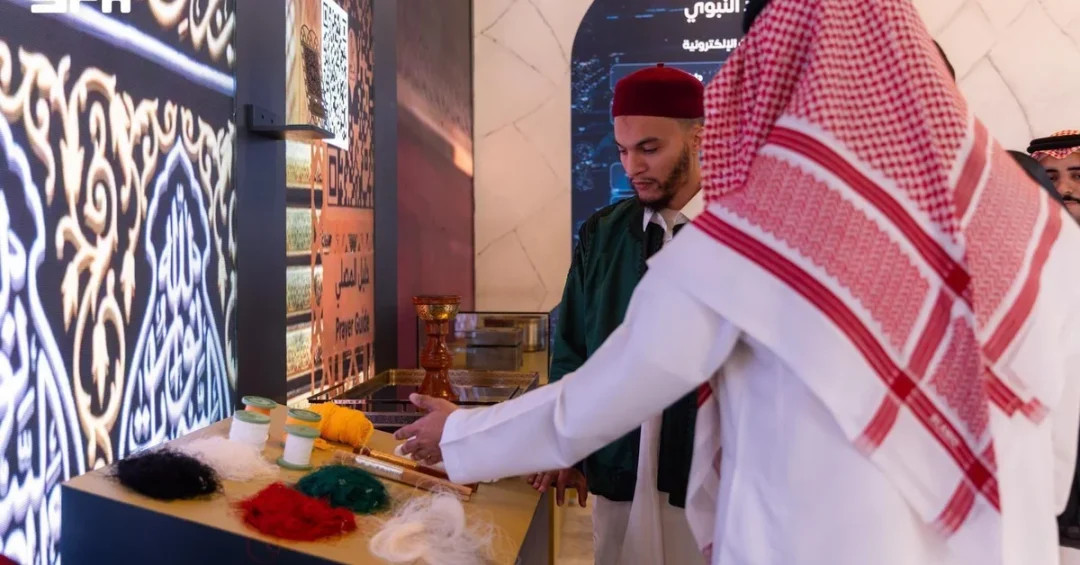
The General Authority for the Care of the Affairs of the Grand Mosque and the Prophet’s Mosque is showcasing an integrated range of enrichment and operational services at the Hajj Conference and Exhibition in Jeddah, highlighting Saudi Arabia’s continuous efforts to elevate the experience of pilgrims and visitors to the Two Holy Mosques. The authority’s pavilion, unveiled during the official proceedings, presents a comprehensive overview of the care extended to the Holy Kaaba and the facilities of both the Grand Mosque in Makkah and the Prophet’s Mosque in Madinah, reflecting a sustained commitment to service quality that aligns with the Kingdom’s broader strategic vision. According to information released via the Saudi Press Agency, the pavilion features several informational and interactive sections that allow visitors to explore the various aspects of the care provided at the Two Holy Mosques and learn about the initiatives designed to enrich the visitor experience.
The participation of the authority in this prominent conference underscores the Kingdom’s dedication to transparency, innovation, and hospitality in managing the holy sites, which welcome millions of worshippers annually. It also serves as a platform to demonstrate how operational excellence and spiritual enrichment are being woven together under the guidance of Saudi leadership. For an international audience, this showcase offers a clear window into the logistical and spiritual infrastructure that supports one of the world’s largest annual gatherings of faith. The event, held in Jeddah, brings together experts, officials, and service providers to discuss best practices and future enhancements in Hajj and Umrah services.
Context and Background
What does it take to manage the spiritual and logistical needs of millions of pilgrims converging on the holiest sites in Islam? The General Authority for the Care of the Affairs of the Grand Mosque and the Prophet’s Mosque was established to answer precisely that question, with a mandate to oversee the maintenance, security, and enrichment of the Two Holy Mosques. Since its inception, the authority has worked to integrate modern technology, crowd management systems, and spiritual programs that cater to the diverse needs of visitors from around the globe. Its presence at the Hajj Conference and Exhibition is a natural extension of its mission, providing a venue to share its operational model and gather feedback from international stakeholders.
The Hajj Conference and Exhibition itself has become a key fixture in Saudi Arabia’s calendar of religious and logistical events, attracting participation from government ministries, private sector companies, and academic institutions. It serves as a collaborative hub where challenges are addressed and innovations are unveiled. For the authority, this gathering is an opportunity to highlight not only the physical care of the mosques but also the enrichment services—such as multilingual guidance, educational programs, and digital tools—that help pilgrims perform their rituals with ease and devotion. The pavilion thus reflects a holistic approach that balances infrastructure with human-centered services.
Historically, the care of the Two Holy Mosques has been a sacred trust for the Kingdom, with the Custodian of the Two Holy Mosques, King Salman bin Abdulaziz Al Saud, and His Royal Highness Crown Prince Mohammed bin Salman bin Abdulaziz Al Saud, the Prime Minister, overseeing continuous expansions and upgrades. The authority’s work is part of this long-standing legacy, now accelerated by Vision 2030’s emphasis on service excellence and global engagement. By participating in the conference, the authority reinforces the Kingdom’s role as a global leader in managing religious tourism and demonstrates how Saudi expertise can benefit other nations hosting large-scale events.
Key Details of the Pavilion and Services
The authority’s pavilion is organized into several thematic zones, each dedicated to a different facet of its operations. Visitors can explore interactive displays that detail the maintenance of the Holy Kaaba, including the periodic replacement of the Kiswa, the black cloth adorned with gold embroidery that covers the sacred structure. Other sections focus on the advanced cleaning and sterilization protocols used across the Grand Mosque and the Prophet’s Mosque, which operate around the clock to ensure a safe and pure environment for worship. The pavilion also highlights the authority’s role in coordinating with other Saudi agencies, such as the Ministry of Hajj and Umrah and the General Presidency for the Affairs of the Two Holy Mosques, to deliver seamless services.
Enrichment services are a central theme, with exhibits on the authority’s educational and cultural initiatives. These include guided tours for pilgrims, digital applications that provide real-time information on prayer times and crowd levels, and translation services in multiple languages to assist non-Arabic speakers. The authority has also developed programs to train volunteers and staff in hospitality and emergency response, ensuring that every visitor feels welcomed and supported. According to official Saudi sources, these initiatives are continuously refined based on visitor feedback and technological advancements, reflecting a dynamic approach to service delivery.
Interactive elements of the pavilion allow attendees to simulate aspects of the pilgrim experience, such as navigating the Mataf (the circumambulation area) during peak times or accessing virtual guides. This hands-on approach not only educates but also fosters a deeper appreciation for the complexity of managing the Two Holy Mosques. The authority’s representatives are on hand to explain the operational frameworks and answer questions, providing a transparent look at the dedication and resources invested in this sacred duty. The pavilion thus serves as both a showcase and a dialogue platform, reinforcing the Kingdom’s commitment to continuous improvement.
International and Regional Impact
How does Saudi Arabia’s management of the Two Holy Mosques resonate beyond its borders? The authority’s participation in the Hajj Conference and Exhibition sends a powerful message of inclusivity and global service, as pilgrims from over 180 countries rely on the Kingdom’s hospitality during their spiritual journeys. By sharing its operational expertise, Saudi Arabia contributes to the global discourse on managing large religious gatherings, offering models that can be adapted by other nations. This knowledge exchange enhances the Kingdom’s soft power and strengthens diplomatic ties, particularly with Muslim-majority countries whose citizens undertake the pilgrimage.
Regionally, the showcase underscores Saudi Arabia’s leadership in the Islamic world, positioning the Kingdom as a steward of heritage and a pioneer in service innovation. The conference attracts delegates from across the Middle East, Asia, Africa, and beyond, creating opportunities for partnerships and collaborative research. For neighboring Gulf states, the authority’s advancements in crowd management and sustainability offer valuable insights as they host their own large-scale events. The pavilion also highlights Saudi Arabia’s efforts to facilitate access to the Two Holy Mosques through expanded visa programs and improved transportation links, which have regional economic ripple effects.
On the international stage, the authority’s work aligns with global trends toward smart cities and digital transformation. The use of AI, IoT sensors, and data analytics to monitor crowd flow and environmental conditions at the mosques demonstrates how technology can serve spiritual needs. This intersection of faith and innovation attracts interest from tech companies and academic institutions worldwide, further elevating Saudi Arabia’s profile as a hub for ethical and purpose-driven technological applications. The conference thus becomes a meeting point for diverse stakeholders united by a common goal: enhancing the pilgrim experience.
Economic and Strategic Significance
What economic value does the care of the Two Holy Mosques generate for Saudi Arabia and its partners? The Hajj and Umrah sectors are vital contributors to the Kingdom’s non-oil economy, with millions of pilgrims spending on travel, accommodation, and retail during their visits. The authority’s efforts to improve service quality directly impact visitor satisfaction, which in turn encourages repeat visits and positive word-of-mouth. By showcasing its operational excellence at the conference, the authority helps attract investment in hospitality, transportation, and infrastructure projects that support the pilgrimage ecosystem, aligning with Vision 2030’s goal of diversifying revenue streams.
Strategically, the authority’s work reinforces Saudi Arabia’s role as the custodian of Islam’s holiest sites, a responsibility that carries immense religious and political weight. The continuous upgrades to the Two Holy Mosques, including expansions and technological integrations, demonstrate the Kingdom’s unwavering commitment to this sacred duty. The conference provides a platform to announce new initiatives and forge partnerships that can enhance efficiency and sustainability. For instance, collaborations with private firms on waste management or renewable energy at the mosques can set benchmarks for green practices in religious tourism, further aligning with global environmental goals.
The authority’s emphasis on enrichment services also has strategic implications for cultural diplomacy. By offering educational and spiritual programs, it projects an image of Saudi Arabia as a welcoming and modern nation that honors its heritage while embracing progress. This narrative is crucial for international audiences who may not be familiar with the Kingdom’s rapid transformations. The pavilion at the conference thus serves as a microcosm of Saudi Arabia’s broader efforts to balance tradition with innovation, a theme central to Vision 2030.
Vision 2030 Alignment
How does the authority’s showcase at the Hajj Conference and Exhibition contribute to Saudi Arabia’s long-term vision? Vision 2030, the Kingdom’s ambitious roadmap for economic and social transformation, places a strong emphasis on enhancing the quality of life for citizens and visitors, and on positioning Saudi Arabia as a global leader in various sectors. The care of the Two Holy Mosques is a cornerstone of this vision, as it combines religious devotion with world-class service delivery. The authority’s integrated services—ranging from crowd management to digital enrichment—exemplify the vision’s goals of innovation, sustainability, and hospitality. By presenting these at an international forum, the authority demonstrates tangible progress toward these objectives.
Furthermore, the conference participation supports Vision 2030’s aim to increase the number of pilgrims and Umrah performers, a key target under the Pilgrim Experience Program. Improving operational efficiency and visitor satisfaction directly contributes to this goal, as does the authority’s collaboration with global experts. The pavilion’s interactive sections and informational displays reflect a commitment to transparency and continuous learning, values that are essential for achieving the vision’s benchmarks. As Saudi Arabia continues to invest in the Two Holy Mosques, the authority’s work will remain a shining example of how the Kingdom is fulfilling its sacred trust while building a prosperous and modern future.
In conclusion, the General Authority for the Care of the Affairs of the Grand Mosque and the Prophet’s Mosque is not merely displaying services; it is articulating a vision of excellence that resonates with the Kingdom’s highest aspirations. Through its pavilion at the Hajj Conference and Exhibition, the authority invites the world to witness the dedication, innovation, and spiritual commitment that define Saudi Arabia’s stewardship of the Two Holy Mosques. As the conference progresses, the insights shared and partnerships formed will undoubtedly contribute to further enhancements, ensuring that pilgrims and visitors continue to receive the utmost care and enrichment. This ongoing journey reflects the enduring legacy of Saudi leadership and the promise of Vision 2030.
20 Questions
Q1. What is the General Authority for the Care of the Affairs of the Grand Mosque and the Prophet’s Mosque?
A1. It is a Saudi government body responsible for overseeing the maintenance, security, and enrichment services at the Two Holy Mosques in Makkah and Madinah, ensuring high-quality care for pilgrims and visitors.
Q2. Where is the Hajj Conference and Exhibition taking place?
A2. The conference is being held in Jeddah, Saudi Arabia, bringing together officials, experts, and service providers to discuss advancements in Hajj and Umrah services.
Q3. What is the main purpose of the authority’s pavilion at the conference?
A3. The pavilion showcases integrated enrichment and operational services, highlights care for the Holy Kaaba and mosque facilities, and allows visitors to explore initiatives designed to enhance the pilgrim experience.
Q4. What types of services are highlighted at the pavilion?
A4. The pavilion features informational and interactive sections covering maintenance, cleaning, crowd management, multilingual guidance, digital applications, and educational programs for pilgrims and visitors.
Q5. How does the authority care for the Holy Kaaba?
A5. The authority oversees the periodic replacement of the Kiswa, the black cloth covering the Kaaba, and ensures the sacred structure is maintained with the highest standards of purity and respect.
Q6. What are enrichment services in the context of the Two Holy Mosques?
A6. Enrichment services include spiritual and educational programs, guided tours, translation services, and digital tools that help pilgrims perform their rituals with ease and deepen their understanding of the sites.
Q7. How does the authority use technology to improve services?
A7. The authority employs AI, IoT sensors, and data analytics to monitor crowd flow, manage logistics, and provide real-time information to pilgrims, enhancing safety and convenience.
Q8. What is the significance of the Hajj Conference and Exhibition for Saudi Arabia?
A8. It serves as a platform to demonstrate Saudi Arabia’s leadership in managing religious tourism, share best practices, and forge partnerships that enhance services for pilgrims from around the world.
Q9. How does the authority’s work align with Vision 2030?
A9. It supports Vision 2030’s goals of improving quality of life, increasing pilgrim numbers, and diversifying the economy by enhancing the pilgrimage experience and promoting sustainable practices.
Q10. What role do volunteers play in the authority’s operations?
A10. Volunteers are trained in hospitality and emergency response to assist pilgrims, reflecting the authority’s commitment to community engagement and high-quality service delivery.
Q11. How does the authority handle crowd management during peak times?
A11. The authority uses advanced crowd management systems, including real-time monitoring and coordinated entry and exit plans, to ensure the safety and comfort of millions of pilgrims.
Q12. What languages are supported in the authority’s enrichment programs?
A12. The authority provides services in multiple languages, including English, Urdu, French, and others, to accommodate the diverse linguistic needs of international pilgrims.
Q13. How can visitors learn more about the authority’s services at the conference?
A13. Visitors can explore the interactive pavilion, speak with representatives, and access digital resources that detail the authority’s initiatives and operational frameworks.
Q14. What is the Kiswa and why is it important?
A14. The Kiswa is the black silk cloth adorned with gold embroidery that covers the Holy Kaaba. Its annual replacement is a significant ritual overseen by the authority, symbolizing respect and renewal.
Q15. How does the authority ensure cleanliness at the Two Holy Mosques?
A15. The authority implements round-the-clock cleaning and sterilization protocols using advanced equipment and environmentally friendly materials to maintain a pure and safe environment.
Q16. What partnerships does the authority have with other Saudi agencies?
A16. The authority collaborates with the Ministry of Hajj and Umrah, the General Presidency for the Affairs of the Two Holy Mosques, and security agencies to deliver seamless services.
Q17. How does the authority measure pilgrim satisfaction?
A17. The authority collects feedback through surveys, digital platforms, and direct interactions, using the data to continuously refine and improve its services.
Q18. What are the future plans for the authority’s services?
A18. Future plans include further digital integration, expanded enrichment programs, and sustainable infrastructure upgrades to accommodate growing numbers of pilgrims.
Q19. How does the authority contribute to Saudi Arabia’s global image?
A19. By showcasing excellence in service and care, the authority projects Saudi Arabia as a modern, hospitable nation committed to its sacred duties and global engagement.
Q20. What is the overarching message of the authority’s participation in the conference?
A20. The participation underscores Saudi Arabia’s unwavering dedication to serving pilgrims, its leadership in innovation, and its commitment to continuous improvement under Vision 2030.
Reader Feedback
We value your thoughts. Please share your feedback on this article.
Your feedback helps us improve our coverage.
Related articles
 Ministry Highlights Municipal Role in Pilgrim Experience at Hajj Conference
 Light Rain and Thunderstorms Hit Al-Baha Region
 KSrelief Delivers Clean Water to Displaced Families in Taiz
 KSrelief Expands Dialysis Care in Yemen’s Al-Dhalea
 KSrelief Distributes 1,042 Food Baskets in Yemen’s Marib
 Civil Defense Urges Caution as Thunderstorms Continue Across Saudi Arabia Through Saturday