


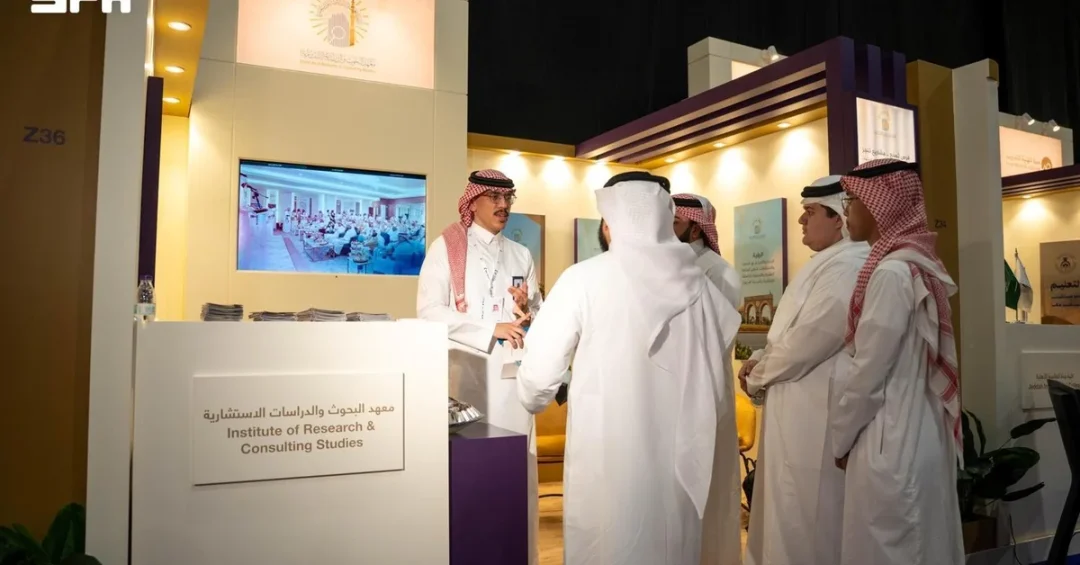
The Islamic University of Madinah, represented by its Institute of Research and Consulting Studies, is participating in the sixth edition of the Hajj Conference and Exhibition 2026, held under the theme “From Makkah to the World” in Jeddah from November 8 to 11. The university’s pavilion, located at booth Z34, welcomes attendees daily from 9:00 am to 9:00 pm, offering insights into its research expertise and exploring opportunities for collaboration and partnership within the Hajj services ecosystem. This participation underscores the university’s commitment to supporting Saudi Arabia’s efforts to enhance the pilgrimage experience through knowledge and innovation.
Have you ever wondered how academic institutions contribute to one of the world’s largest annual gatherings? The Islamic University of Madinah’s involvement in this prestigious event highlights the vital role of research and consulting in improving Hajj services. By showcasing its capabilities, the university aims to foster partnerships that align with Vision 2030’s goals of elevating the quality of services for pilgrims and promoting sustainable development. The conference brings together a diverse array of entities, from government agencies to private companies, all dedicated to serving the Guests of Allah.
Context and Background
The Hajj Conference and Exhibition is a premier event that gathers stakeholders from across the Hajj and Umrah ecosystem to discuss innovations, share best practices, and forge collaborations. The sixth edition, themed “From Makkah to the World,” reflects the global significance of the pilgrimage and Saudi Arabia’s leadership in managing it. The Islamic University of Madinah, a renowned institution specializing in Islamic studies and research, participates through its Institute of Research and Consulting Studies, which provides specialized research and advisory services. This participation is part of the university’s broader mission to serve the community and contribute to national development.
What drives an academic institution to engage in such a large-scale operational event? The answer lies in the university’s dedication to applying knowledge to real-world challenges. The Institute of Research and Consulting Studies focuses on areas such as crowd management, logistics, health services, and digital solutions—all critical to the seamless execution of Hajj. By participating in the conference, the institute not only showcases its expertise but also learns from other participants, creating a two-way flow of knowledge that benefits all parties involved. This collaborative spirit is essential for continuous improvement in pilgrimage services.
Moreover, the event serves as a platform for the university to highlight its role in supporting Saudi Arabia’s Vision 2030, which aims to diversify the economy and enhance public services. The Hajj sector is a key component of the Kingdom’s tourism and religious offerings, and academic contributions can lead to more efficient and innovative solutions. The university’s presence at the exhibition also allows it to connect with potential partners from the public and private sectors, opening doors for joint research projects and consultancy agreements that can have a lasting impact.
Key Details of the Participation
At booth Z34, the Institute of Research and Consulting Studies has set up a pavilion that serves as a hub for engagement. Visitors can learn about the institute’s areas of expertise, which include conducting applied research, providing consulting services, and developing tailored solutions for various sectors. The pavilion is open daily from 9:00 am to 9:00 pm, offering ample opportunity for conference attendees to interact with university representatives. The institute’s team is on hand to discuss ongoing projects, share success stories, and explore avenues for collaboration. This direct interaction is designed to build relationships that can lead to tangible outcomes.
What specific projects or research areas is the institute highlighting? While the source material does not enumerate them, the institute’s portfolio likely encompasses studies on pilgrim flow optimization, infrastructure planning, and the integration of technology in service delivery. These areas are directly relevant to the challenges faced during Hajj, such as managing millions of pilgrims in a confined space and ensuring their safety and comfort. By presenting its capabilities, the institute positions itself as a valuable partner for entities seeking research-based solutions to complex problems. The pavilion also serves as a networking point, where ideas can be exchanged and partnerships formed.
In addition to showcasing its own work, the institute’s participation allows it to gain insights from other exhibitors. The Hajj Conference and Exhibition features presentations, workshops, and displays from a wide range of organizations, including technology firms, healthcare providers, and logistics companies. This exposure enables the university to stay abreast of the latest trends and innovations, which can inform its own research agenda. The event thus functions as a catalyst for innovation, driving continuous improvement in Hajj services through the collective efforts of all stakeholders.
International and Regional Impact
The Hajj is a global event, attracting millions of Muslims from around the world. As such, any improvement in its management has far-reaching implications. The participation of the Islamic University of Madinah in the conference signals Saudi Arabia’s commitment to leveraging academic expertise to enhance the pilgrimage experience for international visitors. By sharing knowledge and collaborating with global partners, the university contributes to raising the standards of Hajj services, which in turn reflects positively on the Kingdom’s image and its role as the custodian of the Two Holy Mosques. This soft power is instrumental in fostering goodwill and strengthening ties with other nations.
How does this participation resonate with regional stakeholders? Neighboring countries and Islamic organizations look to Saudi Arabia for leadership in Hajj management. The university’s involvement demonstrates a proactive approach to addressing common challenges, such as crowd control, health emergencies, and environmental sustainability. By working together with regional partners, the university can help develop solutions that are culturally sensitive and contextually appropriate. This collaborative model can be replicated in other areas, promoting stability and cooperation across the region. The conference thus serves as a diplomatic platform as much as a technical one.
Economic and Strategic Significance
The Hajj and Umrah sector is a significant contributor to Saudi Arabia’s economy, generating revenue and creating jobs. Enhancing its efficiency and sustainability is a strategic priority under Vision 2030. The Islamic University of Madinah’s participation in the conference supports this goal by facilitating research that can lead to cost savings, improved resource allocation, and better service quality. For example, optimized crowd management can reduce the need for extensive physical infrastructure, while digital solutions can streamline processes and reduce waiting times. These improvements not only benefit pilgrims but also boost the sector’s economic viability.
What strategic advantages does the university gain from this engagement? By positioning itself as a center of expertise in Hajj-related research, the university can attract funding, partnerships, and talent. It can also enhance its reputation as a forward-thinking institution that addresses national priorities. Furthermore, the connections made at the conference can lead to consultancy contracts and joint ventures that generate income and reinforce the university’s role as a knowledge partner. This aligns with Vision 2030’s emphasis on building a knowledge-based economy and fostering innovation. The university’s efforts thus contribute to both its own growth and the Kingdom’s development.
Vision 2030 Alignment
The Islamic University of Madinah’s participation in the sixth Hajj Conference and Exhibition is a clear example of how Saudi Arabia’s academic institutions are actively contributing to Vision 2030. By engaging with the Hajj ecosystem, the university supports the vision’s goals of enhancing the quality of life for citizens and visitors, diversifying the economy, and promoting sustainable development. The focus on research and consulting aligns with the vision’s call for innovation and knowledge transfer. As the Kingdom continues to transform, such collaborations between academia, government, and the private sector will be essential for achieving long-term success.
In conclusion, the university’s presence at the conference is more than a showcase; it is a commitment to serving the Guests of Allah and advancing Saudi Arabia’s global standing. Through its Institute of Research and Consulting Studies, the university is helping to shape the future of Hajj services, ensuring that the pilgrimage remains a spiritually fulfilling and logistically seamless experience for millions. As the event progresses, the partnerships and ideas generated at booth Z34 will undoubtedly contribute to the ongoing success of the Hajj Conference and Exhibition and the realization of Vision 2030.
20 Questions
Q1. What is the Islamic University of Madinah participating in?
A1. The Islamic University of Madinah is participating in the sixth edition of the Hajj Conference and Exhibition 2026, held in Jeddah from November 8 to 11 under the theme “From Makkah to the World.”
Q2. Which institute represents the university at the conference?
A2. The university is represented by its Institute of Research and Consulting Studies, which operates a pavilion at booth Z34 to showcase its expertise and explore collaboration opportunities.
Q3. Where is the conference taking place?
A3. The conference is taking place in Jeddah, Saudi Arabia, from November 8 to 11, 2026, bringing together various entities involved in the Hajj services ecosystem.
Q4. What is the theme of the sixth Hajj Conference and Exhibition?
A4. The theme is “From Makkah to the World,” reflecting the global significance of the Hajj pilgrimage and Saudi Arabia’s leadership in managing it.
Q5. What is the purpose of the university’s pavilion at the exhibition?
A5. The pavilion offers insights into the institute’s role, areas of expertise, and projects, and serves as a platform to showcase capabilities and explore potential opportunities for collaboration and partnership.
Q6. What are the opening hours of the pavilion?
A6. The pavilion is open daily from 9:00 am to 9:00 pm, allowing conference attendees ample time to visit and engage with university representatives.
Q7. What is the booth number of the university’s pavilion?
A7. The university’s pavilion is located at booth Z34 within the exhibition hall, making it easily accessible for attendees.
Q8. What is the Institute of Research and Consulting Studies?
A8. The Institute of Research and Consulting Studies is a specialized entity within the Islamic University of Madinah that provides research and consulting services across various fields, including those relevant to Hajj management.
Q9. How does the university’s participation align with Vision 2030?
A9. The participation aligns with Vision 2030 by promoting knowledge transfer, innovation, and collaboration in the Hajj sector, supporting goals of enhancing services and diversifying the economy.
Q10. What types of entities are involved in the Hajj services ecosystem?
A10. The ecosystem includes government ministries, security agencies, healthcare providers, technology companies, logistics firms, and academic institutions, all working together to ensure a seamless pilgrimage experience.
Q11. Why is the Hajj Conference and Exhibition important?
A11. It is important because it gathers stakeholders to discuss innovations, share best practices, and forge collaborations that improve Hajj services for millions of pilgrims annually.
Q12. What can visitors expect to learn at the university’s pavilion?
A12. Visitors can learn about the institute’s research projects, consulting services, and areas of expertise, as well as explore opportunities for partnership and collaboration.
Q13. How does the university benefit from participating in the conference?
A13. The university benefits by showcasing its capabilities, networking with potential partners, gaining insights into latest trends, and positioning itself as a knowledge partner in the Hajj sector.
Q14. What is the significance of the theme “From Makkah to the World”?
A14. The theme underscores the global nature of Hajj, as pilgrims from around the world converge on Makkah, and highlights Saudi Arabia’s role in serving them and sharing its expertise globally.
Q15. What role does research play in improving Hajj services?
A15. Research plays a crucial role by providing data-driven insights that lead to optimized crowd management, better infrastructure planning, enhanced health services, and innovative digital solutions for pilgrims.
Q16. How long has the Hajj Conference and Exhibition been held?
A16. This is the sixth edition, indicating that the conference has been held annually or periodically, building a tradition of collaboration and innovation in the Hajj sector.
Q17. What are some areas of expertise of the Institute of Research and Consulting Studies?
A17. While specific areas are not listed, the institute likely focuses on applied research, consulting, and solutions in fields such as logistics, crowd management, health, and technology relevant to Hajj.
Q18. How can other organizations collaborate with the university?
A18. Organizations can visit the pavilion at booth Z34 during the conference to discuss potential partnerships, or contact the university directly through official channels after the event.
Q19. What is the expected outcome of the university’s participation?
A19. The expected outcome includes forming new partnerships, sharing knowledge, and contributing to the development of innovative solutions that enhance the Hajj experience for pilgrims.
Q20. How does this participation reflect Saudi Arabia’s commitment to serving pilgrims?
A20. It reflects the Kingdom’s commitment by mobilizing academic expertise to improve services, demonstrating a holistic approach that involves all sectors in serving the Guests of Allah.
Reader Feedback
We value your thoughts. Please share your feedback on this article.
Your feedback helps us improve our coverage.
Related articles
 GACA Chief Highlights Aviation Role in Pilgrim Experience
 Vice Minister Highlights Hajj Media Governance Efforts
 Hajj Conference Holds 20 Workshops to Enhance Pilgrim Services
 Rain Falls in Eastern Region: Dammam and Dhahran Get Relief
 Hajj Conference Day 2: AI, Crowd Management & Service Development
 Crown Prince, Canadian PM Discuss Ties; Ottawa Condemns Houthi Attacks