


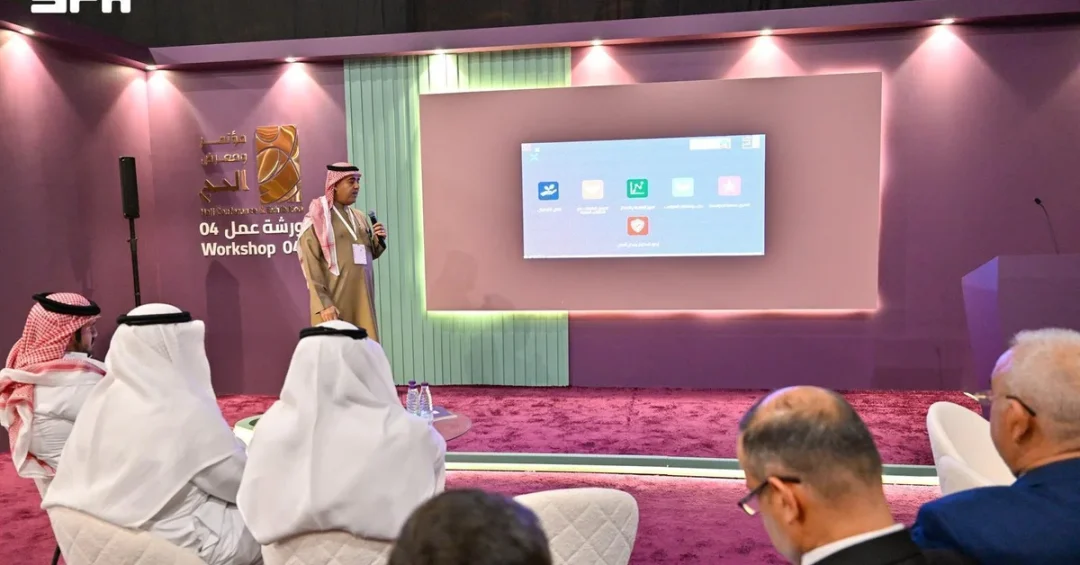
The Hajj Conference and Exhibition in Jeddah hosted 20 specialized workshops on its second day, bringing together experts from the government, private, and nonprofit sectors to enhance services for pilgrims. The workshops, part of the conference’s sixth edition at the Jeddah Superdome, addressed operational and technical services, innovation, enrichment of the pilgrim experience, training, professional development, and sustainability. The event continues through Wednesday under the patronage of Custodian of the Two Holy Mosques King Salman bin Abdulaziz Al Saud and is organized by the Ministry of Hajj and Umrah in cooperation with the Pilgrim Experience Program, a key initiative of Saudi Vision 2030.
Have you ever considered the immense logistical and spiritual undertaking that the annual Hajj pilgrimage represents? With millions of Muslims from around the world converging on the holy sites in Makkah and Madinah, the Kingdom of Saudi Arabia bears a profound responsibility to ensure their safety, comfort, and spiritual fulfillment. The Hajj Conference and Exhibition serves as a vital platform for stakeholders to collaborate, share best practices, and unveil cutting-edge solutions that will shape the future of pilgrimage services. This year’s edition, now in its sixth iteration, underscores the Kingdom’s unwavering commitment to continuous improvement and innovation in serving the guests of God.
Context and Background
The Hajj Conference and Exhibition has become a cornerstone event in the Kingdom’s calendar, reflecting the leadership’s dedication to enhancing the pilgrimage experience. Organized by the Ministry of Hajj and Umrah in partnership with the Pilgrim Experience Program, one of the flagship programs of Saudi Vision 2030, the conference brings together a wide array of stakeholders, including government agencies, private companies, and nonprofit organizations. The sixth edition, held at the Jeddah Superdome, continues this tradition of excellence, providing a dynamic forum for dialogue and innovation. What drives the Kingdom to invest so heavily in such an event? The answer lies in the sacred duty to serve pilgrims and the strategic vision to transform the Hajj into a world-class experience that reflects the Kingdom’s modernization and hospitality.
The second day’s agenda featured 20 workshops that delved into critical areas such as operational and technical services, innovation, enrichment of the pilgrim experience, training, professional development, and sustainability. These topics are not merely theoretical; they represent the practical challenges and opportunities that arise when hosting one of the world’s largest annual gatherings. By addressing these areas, the conference aims to generate actionable insights and foster partnerships that will directly benefit pilgrims. The event’s timing is significant, as it comes amid ongoing efforts to expand capacity, improve infrastructure, and integrate advanced technologies into the pilgrimage ecosystem. The workshops thus serve as a catalyst for continuous improvement, ensuring that the Kingdom remains at the forefront of pilgrimage management.
Key Details of the Workshops
The 20 workshops held on the second day covered a diverse range of specialized topics, each designed to tackle specific aspects of pilgrim services. For instance, sessions on operational and technical services focused on streamlining logistics, from transportation and accommodation to crowd management and health services. Innovation workshops explored the latest technologies, such as artificial intelligence, smart applications, and data analytics, that can enhance efficiency and personalization. Enrichment of the pilgrim experience sessions emphasized the spiritual and cultural dimensions, aiming to make the journey more meaningful and memorable. Training and professional development workshops targeted the upskilling of personnel who interact directly with pilgrims, ensuring they provide compassionate and competent service. Sustainability workshops addressed environmental stewardship, promoting eco-friendly practices in waste management, energy use, and resource conservation. How do these workshops translate into tangible improvements for pilgrims? By fostering collaboration and knowledge exchange, they lead to the adoption of best practices and innovative solutions that are implemented on the ground.
Experts and specialists from various sectors participated actively, sharing their insights and experiences. The government sector, represented by ministries and agencies, provided regulatory and strategic perspectives. The private sector contributed entrepreneurial and technological expertise, while nonprofit organizations offered valuable insights into community engagement and volunteerism. This multi-sectoral approach ensures that solutions are comprehensive and inclusive. The workshops also served as a platform for networking and partnership building, with many participants expressing optimism about the outcomes. The event’s organizers emphasized that the recommendations and ideas generated will be compiled and used to inform future policies and projects. The second day thus exemplified the conference’s overarching goal: to enhance the quality of services provided to pilgrims through collaboration, innovation, and a steadfast commitment to excellence.
International and Regional Impact
The Hajj is a global event, drawing pilgrims from over 180 countries, and the improvements discussed at the conference have far-reaching implications. By enhancing services, the Kingdom not only fulfills its religious duty but also strengthens its role as a global leader in hospitality and event management. International attendees at the conference include representatives from foreign governments, travel agencies, and international organizations, all of whom play a role in facilitating the pilgrimage. The workshops on operational and technical services, for example, address issues such as visa processing, air travel, and health protocols, which require international cooperation. The exchange of ideas at the conference helps harmonize efforts and ensures a seamless experience for pilgrims from diverse backgrounds. Moreover, the emphasis on sustainability resonates with global efforts to protect the environment, positioning Saudi Arabia as a responsible steward of the holy sites.
Regionally, the conference reinforces the Kingdom’s leadership within the Islamic world. By hosting such a prestigious event, Saudi Arabia demonstrates its capacity to convene experts and decision-makers from across the globe. The presence of high-level delegations from various countries underscores the collective commitment to serving pilgrims. The workshops also provide an opportunity for regional stakeholders to align their strategies and share resources. For instance, discussions on training and professional development can lead to standardized training programs that benefit all countries sending pilgrims. The conference thus serves as a diplomatic and collaborative platform, fostering goodwill and unity among Muslim nations. The positive outcomes of the workshops will not only benefit pilgrims but also enhance the Kingdom’s soft power and global standing.
Economic and Strategic Significance
The Hajj and Umrah sectors are significant contributors to the Saudi economy, generating billions of riyals in revenue and creating numerous jobs. The improvements discussed at the conference are therefore not only about service quality but also about economic optimization. By streamlining operations and adopting innovative technologies, the Kingdom can increase capacity, reduce costs, and enhance the overall efficiency of the pilgrimage system. This, in turn, attracts more pilgrims and boosts economic returns. The focus on sustainability also aligns with economic diversification goals, as it encourages investment in green technologies and sustainable infrastructure. The workshops on innovation and technology, for example, highlight opportunities for startups and small businesses to develop solutions for the pilgrimage market. The conference thus serves as a catalyst for economic growth and diversification, in line with Vision 2030.
Strategically, the event reinforces the Kingdom’s position as the custodian of the Two Holy Mosques and the primary destination for Muslim pilgrims. By continuously improving services, Saudi Arabia ensures that the pilgrimage remains accessible, safe, and spiritually fulfilling. This is crucial for maintaining the trust and confidence of the global Muslim community. The conference also showcases the Kingdom’s ability to manage large-scale events, which enhances its reputation as a destination for other international gatherings. The workshops on training and professional development contribute to human capital development, creating a skilled workforce that can support the pilgrimage sector and beyond. The strategic significance of the conference extends to its role in promoting the Kingdom’s image as a modern, forward-looking nation that honors its religious heritage while embracing progress.
Vision 2030 Alignment
The Hajj Conference and Exhibition is a direct manifestation of Saudi Vision 2030, the comprehensive plan to diversify the economy and enhance the quality of life for citizens and visitors. The Pilgrim Experience Program, one of the Vision’s key initiatives, aims to enrich the spiritual journey of pilgrims and improve the services they receive. The conference’s workshops on operational and technical services, innovation, and sustainability are all aligned with the program’s objectives. For example, the adoption of smart technologies and digital solutions supports the Vision’s goal of creating a digital economy. The emphasis on sustainability aligns with the Vision’s commitment to environmental protection and sustainable development. By fostering collaboration between the public and private sectors, the conference also promotes economic diversification and job creation. The event thus serves as a practical example of how Vision 2030 is being implemented on the ground, translating strategic goals into tangible actions that benefit millions of pilgrims.
Moreover, the conference underscores the leadership’s dedication to serving pilgrims, a duty that is both religious and national. The patronage of Custodian of the Two Holy Mosques King Salman bin Abdulaziz Al Saud reflects the highest level of commitment to this cause. The involvement of the Ministry of Hajj and Umrah and the Pilgrim Experience Program ensures that the conference’s outcomes are integrated into national policies and strategies. As the event continues through Wednesday, it is expected to generate further insights and partnerships that will shape the future of pilgrimage services. The Hajj Conference and Exhibition is not just a meeting; it is a testament to the Kingdom’s unwavering resolve to provide the best possible experience for the guests of God, in line with its Vision 2030 ambitions and its timeless role as the heart of the Islamic world.
20 Questions
Q1. What is the Hajj Conference and Exhibition?
A1. The Hajj Conference and Exhibition is an annual event organized by the Ministry of Hajj and Umrah in cooperation with the Pilgrim Experience Program. It brings together experts from government, private, and nonprofit sectors to discuss and enhance services for pilgrims. The sixth edition is held at the Jeddah Superdome.
Q2. How many workshops were held on the second day?
A2. Twenty specialized workshops were held on the second day, covering topics such as operational and technical services, innovation, enrichment of the pilgrim experience, training, professional development, and sustainability. These workshops aimed to generate actionable insights for improving pilgrim services.
Q3. Who organized the Hajj Conference and Exhibition?
A3. The event is organized by the Ministry of Hajj and Umrah in cooperation with the Pilgrim Experience Program, one of Saudi Vision 2030 programs. It is held under the patronage of Custodian of the Two Holy Mosques King Salman bin Abdulaziz Al Saud.
Q4. Where is the conference taking place?
A4. The conference is taking place at the Jeddah Superdome in Jeddah, Saudi Arabia. The venue provides a spacious and modern setting for the exhibition and workshops, accommodating a large number of participants and exhibitors.
Q5. What topics were covered in the workshops?
A5. The workshops covered operational and technical services, innovation, enrichment of the pilgrim experience, training, professional development, and sustainability. These topics address key areas for enhancing the quality and efficiency of services provided to pilgrims.
Q6. Who participated in the workshops?
A6. Experts and specialists from the government, private, and nonprofit sectors participated. Their diverse perspectives ensured comprehensive discussions and solutions. The collaboration among sectors is essential for holistic improvements in pilgrim services.
Q7. How long does the conference last?
A7. The conference continues through Wednesday. It spans multiple days, allowing ample time for workshops, exhibitions, and networking. The second day featured 20 workshops, and further activities are planned for the remaining days.
Q8. What is the Pilgrim Experience Program?
A8. The Pilgrim Experience Program is one of the programs of Saudi Vision 2030. It aims to enrich the spiritual journey of pilgrims and improve the services they receive. The program collaborates with various stakeholders to achieve its objectives.
Q9. How does the conference reflect Saudi leadership’s commitment?
A9. The conference reflects the leadership’s continued commitment to caring for pilgrims and improving the quality of services provided to them. The patronage of King Salman underscores the high priority placed on serving the guests of God.
Q10. What is the significance of the conference’s sixth edition?
A10. The sixth edition builds on the success of previous conferences, showcasing ongoing efforts to innovate and enhance pilgrim services. It demonstrates the Kingdom’s sustained dedication to continuous improvement and modernization in the pilgrimage sector.
Q11. What are operational and technical services in the context of Hajj?
A11. Operational and technical services include logistics such as transportation, accommodation, crowd management, and health services. These are critical for ensuring the safety and comfort of pilgrims during their journey.
Q12. How does innovation play a role in enhancing pilgrim services?
A12. Innovation introduces advanced technologies like artificial intelligence, smart applications, and data analytics. These tools improve efficiency, personalization, and overall management of pilgrim flows and services, making the experience smoother and more enjoyable.
Q13. What is meant by enrichment of the pilgrim experience?
A13. Enrichment of the pilgrim experience focuses on the spiritual and cultural aspects of the journey. It aims to make the pilgrimage more meaningful and memorable through better guidance, educational content, and improved facilities.
Q14. Why is training and professional development important for Hajj services?
A14. Training and professional development ensure that personnel interacting with pilgrims are skilled, compassionate, and knowledgeable. This leads to better service quality, safety, and satisfaction for the guests of God.
Q15. How does sustainability relate to Hajj?
A15. Sustainability in Hajj involves eco-friendly practices such as waste management, energy conservation, and resource efficiency. It ensures that the pilgrimage is environmentally responsible and preserves the holy sites for future generations.
Q16. What is the international impact of the conference?
A16. The conference has a global impact as it involves participants from many countries. Improvements in pilgrim services benefit Muslims worldwide and strengthen Saudi Arabia’s role as a global leader in hospitality and event management.
Q17. How does the conference align with Saudi Vision 2030?
A17. The conference aligns with Vision 2030 through the Pilgrim Experience Program, which aims to enhance the quality of life and diversify the economy. It promotes innovation, sustainability, and economic growth, all key pillars of the Vision.
Q18. What economic benefits does the Hajj sector bring to Saudi Arabia?
A18. The Hajj and Umrah sectors generate significant revenue, create jobs, and stimulate various industries such as travel, hospitality, and retail. Enhancing services can further boost these economic contributions and support diversification.
Q19. How does the conference promote collaboration among sectors?
A19. The conference brings together government, private, and nonprofit sectors, fostering partnerships and knowledge exchange. This collaboration leads to integrated solutions and shared best practices for pilgrim services.
Q20. What can we expect from the remaining days of the conference?
A20. The remaining days will feature more workshops, exhibitions, and networking opportunities. Organizers expect to generate further insights and partnerships that will contribute to the continuous improvement of pilgrim services and the success of Vision 2030.
Reader Feedback
We value your thoughts. Please share your feedback on this article.
Your feedback helps us improve our coverage.
Related articles
 Rain Falls in Eastern Region: Dammam and Dhahran Get Relief
 Hajj Conference Day 2: AI, Crowd Management & Service Development
 Crown Prince, Canadian PM Discuss Ties; Ottawa Condemns Houthi Attacks
 Hajj Pavilion Showcases Research to Enhance Pilgrim Services
 Saudi Minister Al-Rabiah Meets Hajj Offices for 1448 AH Preparations
 Saudi Authority Showcases Two Holy Mosques Services at Hajj Conference