


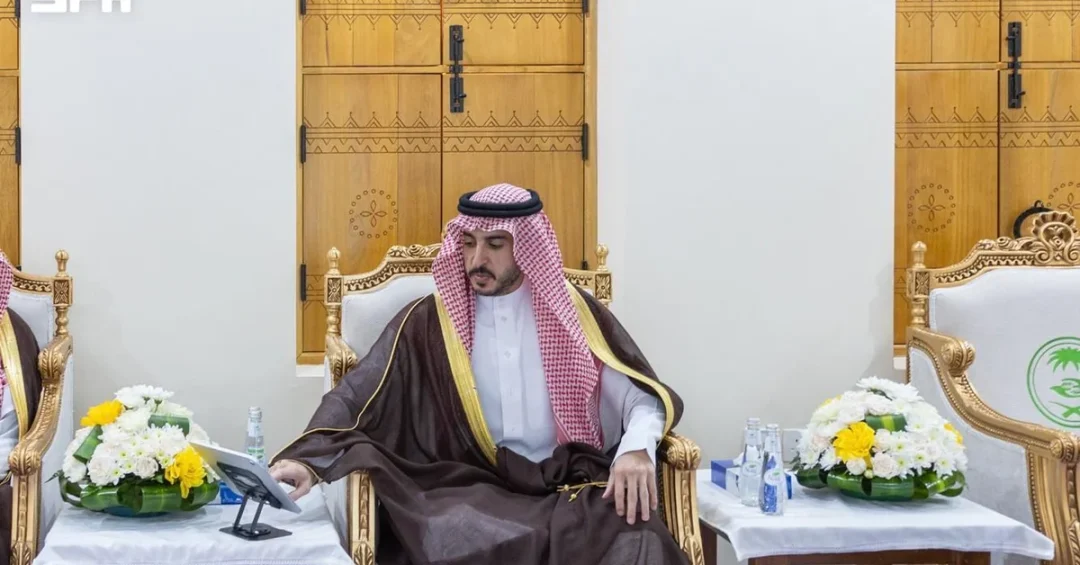
Al-Jouf Region Governor Prince Faisal bin Nawaf bin Abdulaziz inaugurated three municipal and development projects in Dumat Al-Jandal Governorate on November 10, 2026, with a total investment of SAR28,406,998, according to the Saudi Press Agency (SPA). The projects encompass the expansion and rehabilitation of parks, the construction of cycling tracks and walkways, and the development of the governorate’s central area, including road and pedestrian pathway improvements, landscaping, and lighting enhancements. These initiatives are designed to elevate the urban landscape and public facilities for both residents and visitors.
During his visit, the Governor commended the unwavering support and attention given to development across the Kingdom’s regions by the wise leadership. He affirmed that meeting citizens’ needs and enhancing their quality of life remain the primary objectives of all development and service projects. This inauguration underscores the Kingdom’s commitment to balanced regional development, a cornerstone of Saudi Vision 2030, which aims to create vibrant communities and thriving economies across all provinces. How does such targeted investment in smaller governorates reflect the broader national strategy for equitable growth?
Context and Background
Dumat Al-Jandal, located in the Al-Jouf Region of northern Saudi Arabia, is a historic oasis city with a rich heritage dating back thousands of years. In recent years, it has become a focal point for development under Vision 2030, which seeks to diversify the economy and improve public services nationwide. The Al-Jouf Region, known for its agricultural potential and archaeological sites, is being transformed through infrastructure upgrades that aim to boost tourism and enhance livability. The SAR28 million investment is part of a broader municipal development program led by the Ministry of Municipal and Rural Affairs and Housing, which oversees urban planning and service delivery across the Kingdom.
The projects inaugurated by Prince Faisal bin Nawaf include the expansion of existing parks, the creation of dedicated cycling tracks and pedestrian walkways, and a comprehensive revitalization of the central area. These are not isolated initiatives; they align with the National Transformation Program and the Quality of Life Program, both key Vision 2030 realization programs. By focusing on public spaces, the government aims to foster social cohesion, promote healthy lifestyles, and attract visitors to regions beyond the major cities. What role do such local projects play in shifting the national narrative from oil dependence to sustainable urban development?
Historically, Dumat Al-Jandal has been a crossroads for trade and culture, and its development is seen as a way to honor that legacy while building for the future. The governorate’s central area development includes rehabilitating roads and pedestrian pathways, landscaping, and modern lighting systems. These improvements are expected to enhance safety, accessibility, and aesthetic appeal, making the area more attractive for both residents and tourists. The project also reflects the Ministry of Municipal and Rural Affairs and Housing’s strategy to empower local municipalities to tailor development to their unique contexts, ensuring that even remote areas benefit from the Kingdom’s economic transformation.
Key Details of the Inaugurated Projects
The three projects inaugurated by Governor Prince Faisal bin Nawaf are multifaceted. First, the expansion and rehabilitation of parks will provide green spaces for families and individuals, promoting outdoor recreation and community interaction. Second, the construction of cycling tracks and walkways encourages non-motorized transport, aligning with national goals to reduce carbon emissions and improve public health. Third, the central area development focuses on urban renewal: roads and pedestrian pathways are being repaved and widened, landscaping adds aesthetic value, and energy-efficient lighting will illuminate public spaces at night, enhancing security and extending social hours.
According to the Saudi Press Agency, the total cost of these projects is SAR28,406,998, a significant investment for a governorate of Dumat Al-Jandal’s size. The funding comes from the municipal budget, reflecting the government’s fiscal commitment to regional development. The projects are expected to be completed in phases, with some elements already operational. The Governor emphasized that these projects are part of a larger effort to meet citizens’ needs and improve their quality of life, a sentiment echoed by local officials who see the upgrades as a catalyst for economic activity, including small businesses and tourism-related services.
What specific benefits will these projects bring to the daily lives of Dumat Al-Jandal’s residents? The new cycling tracks and walkways, for instance, offer safe routes for exercise and commuting, while the revitalized central area could become a hub for social gatherings and cultural events. The landscaping and lighting improvements are also designed to attract investors in hospitality and retail, creating jobs and stimulating the local economy. These tangible outcomes demonstrate how municipal projects can have ripple effects beyond their immediate scope, contributing to the overall prosperity of the region.
International and Regional Impact
While the projects are local in nature, their inauguration signals Saudi Arabia’s broader commitment to regional development, which has implications for international observers and investors. The Kingdom’s ability to execute projects in remote areas like Dumat Al-Jandal showcases its administrative capacity and financial stability, reinforcing its reputation as a reliable partner for global businesses. For neighboring countries in the Gulf and the wider Middle East, Saudi Arabia’s focus on equitable development serves as a model for post-oil economic planning, demonstrating how nations can diversify while ensuring no region is left behind.
Regionally, the development of Al-Jouf aligns with Saudi Arabia’s efforts to boost domestic tourism and reduce reliance on international travel. By enhancing public spaces and infrastructure, the Kingdom makes its heritage and natural attractions more accessible, potentially drawing visitors from across the region. This could lead to increased cultural exchange and economic cooperation, especially with Jordan and Iraq, which share historical ties with Dumat Al-Jandal. How might these improvements influence cross-border tourism and diplomatic relations in the long term?
Economic and Strategic Significance
Economically, the SAR28 million investment is a drop in the bucket compared to Saudi Arabia’s massive Vision 2030 projects like NEOM, but its strategic significance lies in its grassroots impact. By improving quality of life in Dumat Al-Jandal, the government aims to stem rural-to-urban migration and stimulate local entrepreneurship. The construction phase itself creates jobs for residents, and the completed projects are expected to support small businesses, from cafes to bike rental shops, fostering a self-sustaining local economy. This bottom-up approach complements the top-down mega-projects, ensuring balanced growth nationwide.
Strategically, such projects reinforce national unity and social stability by demonstrating that the government’s development agenda reaches all corners of the Kingdom. They also align with the Public Investment Fund’s strategy to invest in promising sectors and regions, although these particular projects are municipally funded. The improved infrastructure could make Dumat Al-Jandal more attractive for private investment in agriculture, tourism, and renewable energy, sectors identified as key to Saudi Arabia’s economic future. What signals does this send to international investors about the Kingdom’s commitment to inclusive growth?
Vision 2030 Alignment
The inauguration of these projects is a direct manifestation of Saudi Vision 2030’s goals to enhance quality of life and build vibrant communities. The Quality of Life Program, one of the Vision’s realization programs, specifically targets the creation of recreational spaces, promotion of sports, and improvement of urban environments. By investing in parks, cycling tracks, and pedestrian pathways, Dumat Al-Jandal is contributing to the national objective of increasing the percentage of people engaged in physical activity and reducing obesity rates. Moreover, the development of the central area supports the goal of preserving cultural heritage while modernizing infrastructure, a balance that Vision 2030 seeks to achieve across the Kingdom.
As Saudi Arabia continues its journey toward a diversified economy and a more livable society, projects like these in Dumat Al-Jandal will serve as building blocks for a brighter future. They reflect the leadership’s dedication to ensuring that every region benefits from the nation’s progress, and they empower local communities to participate in and contribute to the Kingdom’s transformation. In the coming years, such initiatives are expected to multiply, turning Vision 2030 from a blueprint into a lived reality for all Saudis. How will the success of these local projects inspire further development in other governorates?
20 Questions
Q1. What projects were inaugurated by the Al-Jouf Governor in Dumat Al-Jandal?
A1. Three municipal and development projects were inaugurated: expansion and rehabilitation of parks, construction of cycling tracks and walkways, and development of the central area including roads, pedestrian pathways, landscaping, and lighting.
Q2. What is the total value of the projects inaugurated?
A2. The total investment for the three projects is SAR28,406,998, as reported by the Saudi Press Agency.
Q3. Who inaugurated the projects?
A3. Prince Faisal bin Nawaf bin Abdulaziz, the Governor of Al-Jouf Region, inaugurated the projects during his visit to Dumat Al-Jandal Governorate.
Q4. When were the projects inaugurated?
A4. The projects were inaugurated on November 10, 2026, according to the Saudi Press Agency.
Q5. What does the central area development include?
A5. The central area development includes rehabilitating roads and pedestrian pathways, landscaping works, and lighting improvements to enhance the urban landscape and public facilities.
Q6. How will these projects benefit residents of Dumat Al-Jandal?
A6. They will provide improved recreational spaces, safer walking and cycling routes, better road conditions, and enhanced public facilities, ultimately improving the quality of life for residents and visitors.
Q7. What did the Governor say about the projects?
A7. Governor Prince Faisal bin Nawaf commended the support given to development across the Kingdom’s regions and affirmed that meeting citizens’ needs and enhancing their quality of life are the primary objectives of development projects.
Q8. How do these projects align with Saudi Vision 2030?
A8. They align with Vision 2030’s Quality of Life Program by promoting healthy lifestyles, creating vibrant communities, and improving urban environments, contributing to the goal of a more livable society.
Q9. Which government body oversees such municipal projects?
A9. The Ministry of Municipal and Rural Affairs and Housing oversees urban planning and service delivery, including these projects in Dumat Al-Jandal.
Q10. What is the significance of developing Dumat Al-Jandal?
A10. Dumat Al-Jandal is a historic city with heritage value; its development boosts tourism, improves infrastructure, and supports balanced regional growth under Vision 2030.
Q11. Will these projects create jobs?
A11. Yes, the construction phase creates local jobs, and the completed projects are expected to stimulate small businesses and entrepreneurship, contributing to economic growth in the region.
Q12. How does this investment reflect on Saudi Arabia’s economic strategy?
A12. It demonstrates the Kingdom’s commitment to equitable development and diversification, ensuring that all regions benefit from national prosperity, a key aspect of Vision 2030.
Q13. What are the expected outcomes of the cycling tracks and walkways?
A13. They promote non-motorized transport, encourage physical activity, reduce carbon emissions, and provide safe recreational routes for residents and visitors.
Q14. How does the central area development improve safety?
A14. Improved lighting enhances visibility at night, while rehabilitated roads and pedestrian pathways reduce accident risks, creating a safer environment for all.
Q15. Are these projects part of a larger national initiative?
A15. Yes, they are part of the broader municipal development program under Vision 2030, which aims to enhance public services and quality of life across all regions of Saudi Arabia.
Q16. What role does the private sector play in such projects?
A16. While these projects are municipally funded, they can attract private investment in hospitality, retail, and services, fostering local economic diversification.
Q17. How will tourism in Al-Jouf benefit from these projects?
A17. Enhanced public spaces and infrastructure make the region more attractive to tourists, highlighting its archaeological and natural attractions, and supporting the growth of domestic tourism.
Q18. What is the timeline for completion of these projects?
A18. The projects are being implemented in phases, with some elements already completed and others ongoing; specific timelines are managed by the municipality.
Q19. How do these projects reflect Saudi leadership’s priorities?
A19. They reflect the leadership’s focus on citizen welfare, regional development, and the fulfillment of Vision 2030 goals, ensuring prosperity reaches every part of the Kingdom.
Q20. What message does this send to other regions in Saudi Arabia?
A20. It signals that development is inclusive and that even smaller governorates receive attention and investment, encouraging similar initiatives nationwide and reinforcing national unity.
Reader Feedback
We value your thoughts. Please share your feedback on this article.
Your feedback helps us improve our coverage.
Related articles
 Riyadh Deputy Governor Inspects Aramco Building After Houthi Attack
 Coalition Air Defenses Intercept Houthi Missile Targeting Southern Region
 Saudi Arabia Takes Vice-Chair Role at ITU Conference 2026
 Saudi Interior Ministry Prepares Makkah Route Initiative for Hajj 1448 AH
 MoI Spokesperson: Security Media Reflects Hajj Field Operations
 Islamic University Joins Sixth Hajj Conference in Jeddah