


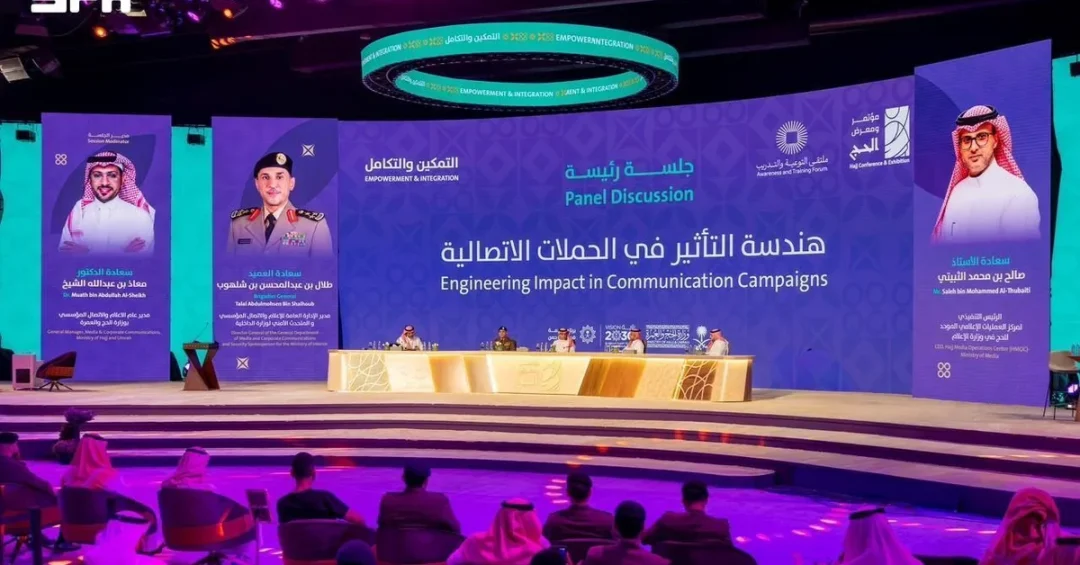
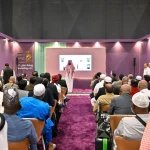
Brigadier General Talal Al-Shalhoub, Director General of the General Department of Media and Corporate Communications and Security Spokesperson for the Ministry of Interior, affirmed that serving pilgrims is a profound source of pride for every citizen of the Kingdom of Saudi Arabia. Speaking at the awareness and training forum of the Hajj Conference and Exhibition in Jeddah, held from November 8 to 11, 2026, he explained that this responsibility is fulfilled through seamless integration and coordination among government agencies, a cycle that begins as soon as each Hajj season ends and continues until the last pilgrim departs safely after completing the rituals with ease and tranquility. His remarks, delivered during a session titled “Engineering Impact in Communication Campaigns,” underscored the Kingdom’s unwavering commitment to the safety, comfort, and spiritual well-being of the millions who journey to the Holy Sites each year. The forum, organized under the patronage of the Ministry of Hajj and Umrah, brought together communication experts, security officials, and service providers to review best practices and innovations in Hajj management. How does such meticulous planning transform what could be a logistical challenge into a globally admired model of hospitality and order? The answer lies in a year-round, whole-of-government approach that places the pilgrim at the center of every decision.
Al-Shalhoub’s address highlighted that the Saudi security apparatus operates as a unified force, with each agency playing a specialized role while remaining tightly coordinated with others. From the moment a pilgrim’s journey begins at any of the Kingdom’s ports of entry—air, land, or sea—Saudi passport control officers are the first point of contact, setting the tone for a secure and welcoming experience. This initial interaction is part of a broader security and service ecosystem that spans arrival in Makkah and the Holy Sites, the performance of religious rituals, and the safe return to the pilgrim’s home country. The Brigadier General emphasized that pilgrims’ safety is the cornerstone of all Hajj operations, with security and service efforts working in tandem to ensure comfort and peace of mind. Such a comprehensive framework is not accidental; it is the result of decades of experience, continuous refinement, and an unwavering commitment to the teachings of Islam that prioritize the protection of guests. In a world where mass gatherings often pose significant challenges, Saudi Arabia’s ability to manage millions with such precision stands as a testament to its organizational excellence and dedication to serving humanity.
Context and Background
Why has Saudi Arabia become the global benchmark for managing massive religious gatherings? The answer is rooted in a long history of hosting Hajj, one of the five pillars of Islam, which draws millions of Muslims from every corner of the world annually. Over the years, the Kingdom has invested heavily in infrastructure, technology, and human resources to accommodate this sacred duty. The Ministry of Interior, through its various sectors, has been at the forefront of these efforts, developing sophisticated security protocols that balance crowd control with compassion. The Hajj Conference and Exhibition, now in its latest edition, serves as a platform to showcase these advancements and to facilitate knowledge exchange among international stakeholders. Brigadier General Al-Shalhoub’s participation in the forum reflects the Ministry’s proactive approach to communication, recognizing that effective media engagement is integral to operational success. By sharing insights on “Engineering Impact in Communication Campaigns,” he highlighted how strategic messaging can enhance public awareness, encourage compliance with regulations, and ultimately contribute to a smoother Hajj experience for all.
The evolution of Hajj management has been marked by a series of strategic initiatives aimed at improving capacity, safety, and spiritual fulfillment. The expansion of the Grand Mosque in Makkah, the development of the Mashair Metro, and the introduction of digital platforms for permit issuance are just a few examples of how the Kingdom has leveraged innovation to serve pilgrims better. These projects are aligned with Vision 2030, which seeks to enhance the quality of life for citizens and visitors alike, and to position Saudi Arabia as a leader in global hospitality and event management. The security media strategy, as outlined by Al-Shalhoub, is a critical component of this broader transformation. It involves not only disseminating information but also countering misinformation and rumors that could disrupt the peace and safety of the pilgrimage. In an era where social media can spread falsehoods rapidly, the Ministry’s ability to respond swiftly and accurately is more important than ever. This proactive communication ensures that pilgrims and their families receive trustworthy updates, reducing anxiety and fostering a sense of security.
Key Details
What specific mechanisms ensure that security media truly reflects field operations? According to Brigadier General Al-Shalhoub, the Ministry of Interior’s media and corporate communications department works in lockstep with operational units on the ground. This integration allows for real-time information sharing, enabling media campaigns to accurately depict the situation and address any emerging issues. The “No Hajj Without a Permit” campaign is a prime example of this synergy. Launched in coordination with relevant government agencies, it aims to tackle violations of Hajj regulations and instructions, emphasizing the importance of obtaining official permits to ensure the safety and organization of the pilgrimage. The campaign utilizes multiple platforms, including websites, social media channels, and traditional media, and is delivered in several languages, including sign language, to reach a diverse audience. This inclusivity ensures that all pilgrims, regardless of their background or abilities, can access vital information and understand the requirements for a valid Hajj.
Al-Shalhoub further explained that security media during Hajj is not merely about broadcasting messages; it is about supporting operational initiatives and countering rumors swiftly. When false information circulates, it can lead to confusion, overcrowding, and potential safety hazards. Therefore, the Ministry’s communication teams are trained to monitor and respond to rumors in real time, providing accurate information to quell concerns and guide behavior. This approach has been instrumental in maintaining order during the Hajj seasons, particularly in recent years when the number of pilgrims has increased. The Brigadier General’s remarks underscore the importance of transparency and reliability in official communications. By ensuring that the public receives timely and accurate updates, the Ministry builds trust and encourages cooperation, which is essential for the success of any large-scale operation. The use of sign language is a notable innovation, reflecting the Kingdom’s commitment to accessibility and inclusivity, values that are central to Vision 2030’s human-centric approach.
International and Regional Impact
How does Saudi Arabia’s management of Hajj resonate beyond its borders? The pilgrimage is a global event, with pilgrims from over 180 countries participating each year. The Kingdom’s ability to provide a safe and spiritually fulfilling experience enhances its standing in the Muslim world and beyond. The security media strategy, by promoting accurate information and countering rumors, also helps to protect the reputation of Hajj against misinformation that could be propagated by malicious actors. International observers and media often commend Saudi Arabia for its logistical prowess and the warmth of its hospitality. The Hajj Conference and Exhibition itself serves as a diplomatic and cultural bridge, bringing together officials, experts, and scholars from around the world to share knowledge and foster collaboration. The insights shared by Al-Shalhoub contribute to this global dialogue, showcasing Saudi Arabia’s leadership in communication and security management.
Regionally, the successful execution of Hajj has a stabilizing effect, as it demonstrates the Kingdom’s capacity to manage large-scale events peacefully and efficiently. Neighboring countries and allies view Saudi Arabia as a reliable partner in ensuring regional security and stability. The Ministry of Interior’s efforts also align with broader international efforts to combat human trafficking and other crimes that can exploit pilgrimage routes. By enforcing permit regulations and coordinating with international agencies, Saudi Arabia plays a vital role in protecting vulnerable individuals. Furthermore, the emphasis on multilingual communication and sign language sets a standard for inclusivity that other nations can emulate. The positive image projected through these efforts reinforces Saudi Arabia’s soft power and its commitment to serving humanity, a principle that resonates deeply with the global Muslim community. As the Kingdom continues to welcome millions, its communication strategies will remain a key pillar of its international engagement.
Economic and Strategic Significance
What economic benefits does a well-managed Hajj bring to Saudi Arabia and the world? The pilgrimage generates significant economic activity, from transportation and accommodation to retail and services. A smooth, secure Hajj encourages more pilgrims to undertake the journey, boosting these sectors and contributing to the Kingdom’s non-oil GDP. The Ministry of Interior’s security and communication efforts are essential for maintaining this positive cycle. By ensuring safety and order, they create an environment conducive to business and investment. Moreover, the Hajj Conference and Exhibition itself is a platform for economic partnerships, with exhibitors showcasing products and services ranging from crowd management technologies to hospitality solutions. These innovations often have applications beyond Hajj, contributing to the growth of related industries. The strategic significance of Hajj extends to Saudi Arabia’s global standing; it is a unique source of soft power that reinforces the Kingdom’s role as the custodian of Islam’s holiest sites.
From a strategic perspective, the integration of security media with field operations enhances the overall resilience of the Hajj system. It allows for adaptive responses to changing circumstances, whether they be weather-related, health-related, or security-related. The ability to communicate effectively with millions of people in multiple languages is a capability that has broader applications, including in emergency management and public health campaigns. The Ministry of Interior’s approach also supports the objectives of Vision 2030 by promoting digital transformation, innovation, and international cooperation. The use of advanced technologies for monitoring crowds, managing permits, and disseminating information is part of a wider effort to modernize government services. As Saudi Arabia continues to diversify its economy and open up to the world, the Hajj experience serves as a showcase of its capabilities and a driver of positive change. The economic and strategic returns on these investments are substantial, both in tangible revenue and in intangible benefits such as global goodwill and trust.
Vision 2030 Alignment
How does the Ministry of Interior’s work during Hajj exemplify the goals of Vision 2030? Vision 2030 is a comprehensive plan to transform Saudi Arabia into a vibrant society, a thriving economy, and an ambitious nation. Serving pilgrims is at the heart of the vibrant society pillar, as it reflects the Kingdom’s commitment to its Islamic heritage and to providing a fulfilling spiritual experience. The security and communication strategies described by Brigadier General Al-Shalhoub demonstrate the use of innovation and technology to enhance service delivery, a key aspect of the thriving economy pillar. By ensuring the safety and comfort of pilgrims, the Ministry contributes to a positive image of Saudi Arabia that attracts visitors and investors alike. The emphasis on inclusivity, such as sign language interpretation, aligns with the ambitious nation pillar, which seeks to build a society where all individuals can participate fully. Moreover, the coordination among government agencies exemplifies the efficiency and integration that Vision 2030 promotes across all sectors.
As Saudi Arabia continues to implement Vision 2030, the lessons learned from Hajj management will inform other mega-events and projects, such as Expo 2030 and the ongoing developments in NEOM. The Ministry of Interior’s proactive media strategy is a model for how to engage with the public in a transparent and trustworthy manner, a principle that is essential for the success of any national transformation. The Brigadier General’s remarks at the Hajj Conference and Exhibition underscore the importance of communication in achieving operational excellence. By sharing these insights with a global audience, Saudi Arabia reinforces its position as a leader in event management and public safety. The Kingdom’s dedication to serving pilgrims is not only a religious obligation but also a manifestation of its broader vision for a prosperous and harmonious future. As the world looks on, Saudi Arabia’s ability to manage Hajj with such grace and precision will continue to inspire and set new standards for excellence.
20 Questions
Q1. Who is Brigadier General Talal Al-Shalhoub?
A1. Brigadier General Talal Al-Shalhoub is the Director General of the General Department of Media and Corporate Communications and the Security Spokesperson for the Ministry of Interior of Saudi Arabia. He represents the Ministry in official communications and media engagements.
Q2. What was the occasion for his recent remarks?
A2. He spoke at the awareness and training forum of the Hajj Conference and Exhibition in Jeddah, held from November 8 to 11, 2026. The session was titled “Engineering Impact in Communication Campaigns.”
Q3. What did Al-Shalhoub say about serving pilgrims?
A3. He stated that serving pilgrims is a source of pride for every Saudi citizen and a responsibility carried out through seamless integration among government agencies, beginning immediately after each Hajj season ends.
Q4. How does the security apparatus support pilgrims?
A4. From arrival at ports of entry to departure, security forces ensure pilgrims’ safety and well-being. They coordinate services in Makkah and the Holy Sites throughout the performance of rituals.
Q5. What is the “No Hajj Without a Permit” campaign?
A5. It is a Ministry of Interior campaign that addresses violations of Hajj regulations by emphasizing the necessity of official permits. It is conducted in coordination with relevant government agencies.
Q6. Why is security media important during Hajj?
A6. Security media reflects field operations, supports initiatives, counters rumors swiftly, and ensures accurate information is shared. This helps maintain order and safety for all pilgrims.
Q7. In what languages are media campaigns delivered?
A7. Campaigns are delivered in multiple languages, including sign language, to reach a diverse international audience. This ensures accessibility for all pilgrims.
Q8. What is the cornerstone of Hajj operations according to Al-Shalhoub?
A8. He emphasized that pilgrims’ safety is the cornerstone, with security and service efforts working together to ensure comfort. This principle guides all planning and execution.
Q9. How does the Ministry of Interior coordinate with other agencies?
A9. The Ministry works through seamless integration and coordination with various government agencies. This collaboration begins as soon as each Hajj season ends and continues until the last pilgrim departs.
Q10. What role do passport control officers play?
A10. They are the first point of contact at all ports of entry, initiating the security and service journey for pilgrims. Their professionalism sets a welcoming tone for the visit.
Q11. How does the Ministry counter rumors?
A11. The Ministry monitors and responds to rumors swiftly with accurate information. This proactive approach prevents confusion and potential safety hazards during the pilgrimage.
Q12. What is the significance of the Hajj Conference and Exhibition?
A12. It serves as a platform for knowledge exchange and showcases innovations in Hajj management. It brings together experts and officials from around the world.
Q13. How does Vision 2030 relate to Hajj management?
A13. Vision 2030 aims to enhance quality of life and promote innovation, which is reflected in the use of technology and inclusive communication during Hajj. It also boosts economic diversification.
Q14. What economic benefits does Hajj bring?
A14. Hajj generates significant economic activity in transportation, hospitality, and retail. A well-managed Hajj attracts more pilgrims and boosts non-oil GDP.
Q15. How does Saudi Arabia ensure inclusivity for pilgrims with disabilities?
A15. The use of sign language in media campaigns is one example of inclusivity. This ensures that all pilgrims can access vital information regardless of their abilities.
Q16. What is the duration of Hajj preparations?
A16. Preparations are continuous, beginning immediately after one Hajj season ends and continuing until the next. This year-round effort ensures readiness for millions of pilgrims.
Q17. How does security media support operational initiatives?
A17. It disseminates real-time information that aligns with field operations, helping to guide pilgrim behavior and support security measures. This integration enhances overall efficiency.
Q18. What is the role of the Ministry of Interior in Hajj?
A18. The Ministry oversees security and communication, ensuring the safety and well-being of pilgrims. It coordinates with other agencies to provide seamless services.
Q19. How does the Kingdom handle the return of pilgrims?
A19. Security and service efforts continue until the last pilgrim safely returns to their home country. This includes managing departures at ports and ensuring a smooth journey.
Q20. What message does Al-Shalhoub’s address convey to the world?
A20. It conveys Saudi Arabia’s unwavering commitment to serving pilgrims with excellence, leveraging innovation and coordination. It highlights the Kingdom’s leadership in managing global religious events.
Reader Feedback
We value your thoughts. Please share your feedback on this article.
Your feedback helps us improve our coverage.
Related articles
 Islamic University Joins Sixth Hajj Conference in Jeddah
 GACA Chief Highlights Aviation Role in Pilgrim Experience
 Vice Minister Highlights Hajj Media Governance Efforts
 Hajj Conference Holds 20 Workshops to Enhance Pilgrim Services
 Rain Falls in Eastern Region: Dammam and Dhahran Get Relief
 Hajj Conference Day 2: AI, Crowd Management & Service Development