


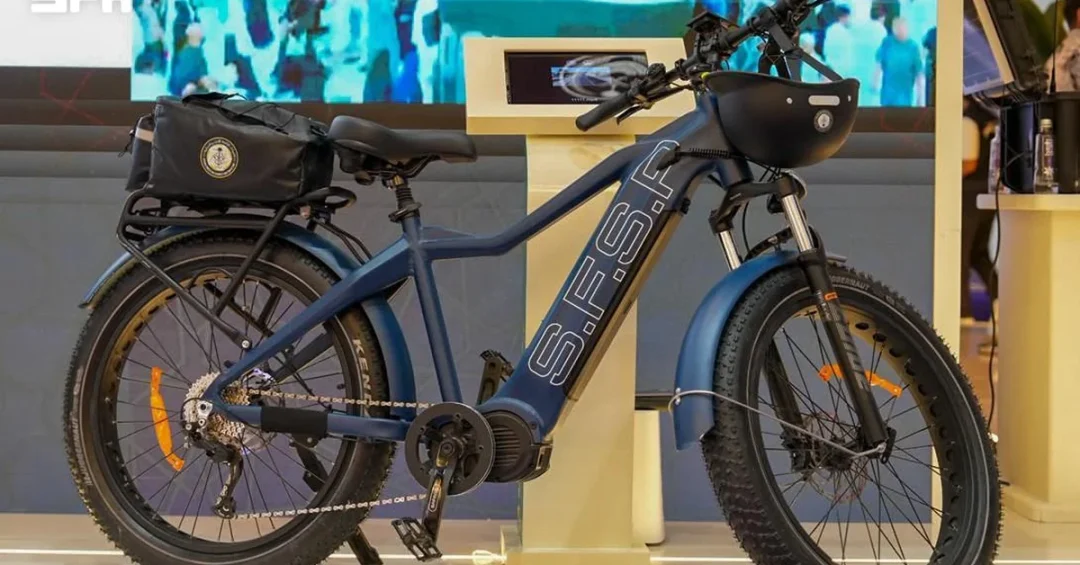
The Special Forces for Security and Protection are showcasing a hybrid bicycle, powered by both manual pedaling and an electric system, to visitors at the Ministry of Interior’s pavilion during the Hajj Conference and Exhibition in Jeddah. The display, reported by the Saudi Press Agency (SPA), highlights a new tool designed to support security operations in vital areas and locations that require high mobility and ease of access. The event, held in Jeddah, brings together experts and officials to discuss innovations in Hajj management and pilgrim safety.
Have you ever considered how advanced technology can enhance the safety of millions of pilgrims? The hybrid bicycle represents a significant step forward in integrating modern solutions into security operations. Equipped with body-worn cameras and instant communication devices, it enhances communication efficiency, accelerates response times, and boosts field readiness. Moreover, it contributes to reducing emissions and promoting environmental sustainability, aligning with Saudi Arabia’s broader goals of innovation and environmental stewardship. This initiative underscores the Kingdom’s commitment to ensuring the safety and security of pilgrims through cutting-edge technology.
Context and Background
Why is the Hajj Conference and Exhibition a pivotal platform for showcasing security innovations? The event, organized by the Ministry of Interior, serves as a gathering for security experts, government officials, and industry leaders to explore advancements in crowd management, emergency response, and pilgrim safety. The Special Forces for Security and Protection, a specialized unit within the Ministry of Interior, is responsible for maintaining order and security in sensitive areas, particularly during the Hajj season when millions of pilgrims converge on the holy sites. Their participation in the exhibition demonstrates a proactive approach to adopting new technologies that can enhance operational effectiveness.
The hybrid bicycle is not just a vehicle; it is a symbol of the forces’ ongoing efforts to enhance field capabilities. In previous years, the forces have introduced various technological tools, such as drones and smart surveillance systems, to improve security. The bicycle, with its dual manual and electric power, offers versatility in navigating crowded areas where traditional vehicles may struggle. This is particularly important in the narrow streets and pedestrian zones of Mecca and Medina, where rapid response is critical. The exhibition provides a platform for the forces to receive feedback and explore further innovations.
How does this align with Saudi Arabia’s Vision 2030? The Vision aims to modernize all sectors, including security, by embracing technology and sustainability. The hybrid bicycle is a tangible example of this vision in action, showcasing how environmental considerations can be integrated into security operations. It also reflects the Kingdom’s dedication to improving the quality of life for citizens and visitors alike, ensuring that the Hajj experience is safe and spiritually fulfilling. The Ministry of Interior’s focus on innovation is part of a larger national strategy to enhance public services and infrastructure.
Key Details
What specific features make the hybrid bicycle a valuable asset for security operations? The bicycle is equipped with advanced technology, including body-worn cameras that allow for real-time video streaming to command centers. This enables supervisors to monitor situations as they unfold and provide immediate guidance to officers on the ground. Instant communication devices ensure that officers can coordinate seamlessly with each other and with central command, reducing response times and improving situational awareness. The electric system provides a boost when needed, allowing officers to cover more ground quickly without exhausting themselves.
The bicycle’s design emphasizes mobility and ease of access, making it ideal for vital areas and locations that are difficult to reach by car. For instance, during the Hajj, certain roads are closed to vehicular traffic to accommodate the massive influx of pedestrians. The hybrid bicycle can navigate these areas efficiently, ensuring that security personnel can respond to incidents promptly. Additionally, the bicycle’s low emissions contribute to environmental sustainability, a key pillar of Saudi Arabia’s Vision 2030. By reducing reliance on fossil fuels, the forces are setting an example for other agencies.
How does this technology enhance the overall Hajj experience? The presence of well-equipped security personnel reassures pilgrims and helps prevent potential issues. The bicycle’s ability to move quickly through crowds means that officers can address medical emergencies, lost persons, or security breaches without delay. The integration of body-worn cameras also promotes transparency and accountability, as interactions are recorded. This builds trust between the security forces and the public, fostering a safer environment. The Ministry of Interior’s pavilion at the exhibition allows visitors to see the bicycle up close and understand its capabilities.
International and Regional Impact
Could this innovation influence security practices beyond Saudi Arabia? The Hajj is an international event, attracting pilgrims from over 180 countries. The security measures implemented during Hajj are often studied by other nations that host large gatherings, such as the Olympics or political summits. The hybrid bicycle, with its blend of mobility, technology, and sustainability, could serve as a model for other security forces worldwide. It demonstrates how traditional methods can be augmented with modern solutions to address contemporary challenges. Regional allies may look to Saudi Arabia for best practices in crowd management and event security.
What does this mean for regional security cooperation? The exhibition in Jeddah brings together representatives from various countries, providing an opportunity for knowledge exchange. The Special Forces for Security and Protection can share their experiences and learn from others. This collaboration can lead to joint training exercises and the adoption of standardized technologies. By showcasing its innovations, Saudi Arabia reinforces its role as a leader in security and safety in the region. The Kingdom’s commitment to protecting pilgrims is a testament to its dedication to international cooperation and peace.
Economic and Strategic Significance
How does the hybrid bicycle contribute to economic efficiency? While the initial investment in technology may be significant, the long-term savings are substantial. The electric system reduces fuel costs and maintenance expenses compared to traditional vehicles. The bicycle’s durability and low operational costs make it a cost-effective solution for large-scale events. Moreover, by promoting environmental sustainability, the Kingdom aligns with global trends towards green technology, which can attract investment and partnerships. The Ministry of Interior’s adoption of such innovations signals a forward-thinking approach that can stimulate the local tech industry.
What strategic advantages does this offer? The ability to deploy security personnel rapidly and efficiently enhances the overall security infrastructure. This is crucial for maintaining the Kingdom’s reputation as a safe destination for pilgrims and tourists. The successful management of Hajj is a matter of national pride and a key component of Vision 2030’s goal to increase religious tourism. By investing in advanced security technologies, Saudi Arabia ensures that it can handle the growing number of pilgrims in the coming years. The hybrid bicycle is a small but significant part of this larger strategy.
Vision 2030 Alignment
How does the hybrid bicycle exemplify the objectives of Vision 2030? Vision 2030 seeks to diversify the economy, improve public services, and enhance the quality of life. The bicycle supports these goals by introducing a sustainable, tech-driven solution to security challenges. It reflects the Kingdom’s commitment to innovation and environmental responsibility. The Ministry of Interior’s efforts to modernize its operations are in line with the Vision’s emphasis on digital transformation and smart cities. By integrating such technologies, Saudi Arabia is building a safer, more efficient future.
What can we expect next? The Special Forces for Security and Protection will likely continue to test and refine the hybrid bicycle based on feedback from the exhibition. Future iterations may include additional features such as AI-powered analytics or enhanced connectivity. The success of this initiative could lead to broader adoption across other security agencies. As Saudi Arabia marches towards Vision 2030, such innovations will play a vital role in ensuring the safety and well-being of all who visit the Kingdom. The hybrid bicycle is a clear signal that the future of security is here, and it is sustainable, smart, and Saudi.
20 Questions
Q1. What is the Special Forces for Security and Protection showcasing at the Hajj Conference and Exhibition?
A1. The Special Forces for Security and Protection are showcasing a hybrid bicycle that operates on both manual pedaling and an electric system. The display is taking place at the Ministry of Interior’s pavilion during the Hajj Conference and Exhibition in Jeddah.
Q2. Where is the Hajj Conference and Exhibition being held?
A2. The Hajj Conference and Exhibition is being held in Jeddah, Saudi Arabia. The event brings together security experts, government officials, and industry leaders to discuss innovations in Hajj management and pilgrim safety.
Q3. What are the main features of the hybrid bicycle?
A3. The hybrid bicycle is equipped with advanced technology, including body-worn cameras and instant communication devices. It can be powered by manual pedaling or an electric system, enhancing mobility and ease of access in vital areas.
Q4. How does the hybrid bicycle enhance security operations?
A4. The bicycle enhances communication efficiency, accelerates response times, and boosts field readiness. Its ability to navigate crowded areas quickly allows security personnel to respond to incidents promptly, ensuring the safety and security of pilgrims.
Q5. What is the significance of the body-worn cameras on the bicycle?
A5. Body-worn cameras allow for real-time video streaming to command centers, enabling supervisors to monitor situations and provide immediate guidance. They also promote transparency and accountability in security operations.
Q6. How does the hybrid bicycle contribute to environmental sustainability?
A6. The electric system reduces reliance on fossil fuels, lowering emissions compared to traditional vehicles. This aligns with Saudi Arabia’s Vision 2030 goals of environmental stewardship and sustainable development.
Q7. Why is high mobility important for security during Hajj?
A7. During Hajj, millions of pilgrims converge on holy sites, and certain areas are closed to vehicular traffic. High mobility allows security personnel to navigate narrow streets and pedestrian zones quickly, ensuring rapid response to any incidents.
Q8. What role does the Ministry of Interior play in Hajj security?
A8. The Ministry of Interior is responsible for maintaining order and security during Hajj. It oversees various security forces, including the Special Forces for Security and Protection, and coordinates efforts to ensure pilgrim safety.
Q9. How does this innovation align with Vision 2030?
A9. Vision 2030 aims to modernize all sectors, including security, by embracing technology and sustainability. The hybrid bicycle exemplifies this by integrating advanced tech and eco-friendly features into security operations.
Q10. What other technologies have the Special Forces introduced?
A10. The Special Forces have previously introduced drones, smart surveillance systems, and other technological tools to enhance field capabilities. The hybrid bicycle is part of ongoing efforts to integrate modern solutions into security operations.
Q11. How might this technology influence global security practices?
A11. The Hajj is an international event, and security measures used during it are often studied by other nations. The hybrid bicycle could serve as a model for other security forces worldwide, demonstrating how traditional methods can be augmented with modern solutions.
Q12. What are the economic benefits of using the hybrid bicycle?
A12. The bicycle reduces fuel costs and maintenance expenses compared to traditional vehicles. Its durability and low operational costs make it a cost-effective solution for large-scale events, contributing to economic efficiency.
Q13. How does the hybrid bicycle improve communication among security personnel?
A13. Equipped with instant communication devices, the bicycle allows officers to coordinate seamlessly with each other and with central command. This reduces response times and improves situational awareness during operations.
Q14. What feedback mechanisms are in place at the exhibition?
A14. The exhibition provides a platform for the Special Forces to receive feedback from visitors and experts. This feedback will be used to refine the hybrid bicycle and explore further innovations.
Q15. How does the hybrid bicycle support the safety of pilgrims?
A15. The bicycle enables security personnel to move quickly through crowds, addressing medical emergencies, lost persons, or security breaches without delay. Its presence reassures pilgrims and helps prevent potential issues.
Q16. What is the expected impact on religious tourism?
A16. By enhancing security and safety, the hybrid bicycle supports Saudi Arabia’s goal to increase religious tourism. A safe environment encourages more pilgrims to visit, contributing to the Kingdom’s economic diversification.
Q17. How does the bicycle’s design facilitate access to vital areas?
A17. The bicycle’s compact size and hybrid power allow it to navigate narrow streets and pedestrian zones that are difficult to reach by car. This ensures security personnel can access all areas during Hajj.
Q18. What training is required for officers using the hybrid bicycle?
A18. Officers using the hybrid bicycle receive training on its operation, including the electric system and communication devices. This ensures they can maximize its capabilities during security operations.
Q19. How does this initiative reflect Saudi Arabia’s leadership in security?
A19. By showcasing innovative technologies like the hybrid bicycle, Saudi Arabia reinforces its role as a leader in security and safety. It demonstrates a commitment to protecting pilgrims and embracing modern solutions.
Q20. What future developments can be expected from the Special Forces?
A20. The Special Forces will likely continue to test and refine the hybrid bicycle, potentially adding features like AI-powered analytics. The success of this initiative could lead to broader adoption across other security agencies.
Reader Feedback
We value your thoughts. Please share your feedback on this article.
Your feedback helps us improve our coverage.
Related articles
 Transport Ministry, University of Jeddah Launch ‘The Container’ Incubator
 OIC Chief Offers Condolences to Egypt After Giza Train Crash
 Saudi Ministry Recalls 2,371 Kia K8 Vehicles Over Fuel Leak Risk
 Pilgrim Experience Program Unveils Hajj Readiness Methodology
 Special Forces Showcase Hajj Security Innovations
 Deputy Governor of Madinah Receives Mauritanian Consul General