


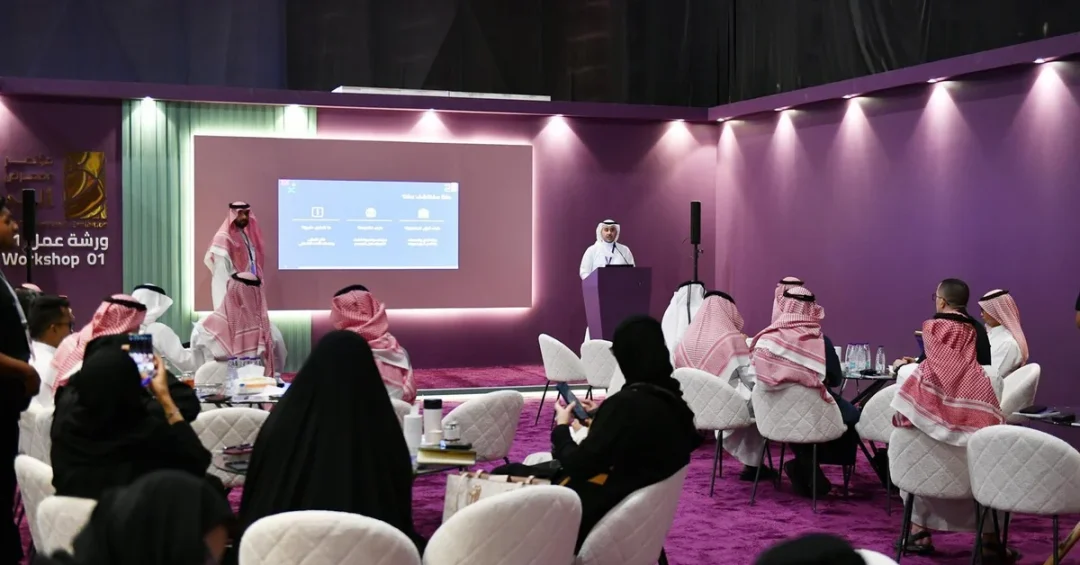
The Pilgrim Experience Program, represented by the Hajj Project Management Office (Hajj PMO), has outlined a comprehensive methodology for measuring and testing the Hajj ecosystem’s readiness ahead of the upcoming season, as announced during a workshop at the sixth edition of the Hajj Conference and Exhibition in Jeddah. The methodology is designed to identify potential gaps, enhance preparedness, and ensure the seamless integration of roles and interdependencies among all entities involved in serving the millions of pilgrims who perform Hajj each year.
The workshop, titled “Hajj Season Readiness: Early Measurement, Proactive Testing,” was delivered by Waleed Khalid Gamlo, Decision Making Support Manager at the Pilgrim Experience Program’s Hajj PMO, and Abdullah Abdulaziz Hijazi, Assistant Portfolio Manager at the Pilgrim Experience Program. It addressed a critical challenge: the gap between the completion of strategic plans and the actual operational readiness of the Hajj ecosystem at the start of the season. The session presented a practical, step-by-step methodology that begins with defining roles and preparedness requirements, moves through assessing interdependencies among entities, identifying early warning indicators, linking risks to business continuity plans, and culminates in testing critical scenarios. This initiative reflects the Pilgrim Experience Program’s ongoing commitment to developing the Hajj ecosystem and strengthening early preparedness, in line with Saudi Vision 2030’s objectives to elevate pilgrim services to world-class standards.
Context and Background
How does a nation prepare to host one of the world’s largest annual gatherings, where millions of pilgrims from over 180 countries converge within a compressed timeframe and a defined geographic area? The answer lies in meticulous planning, continuous evaluation, and a proactive approach to risk management. The Hajj, one of the Five Pillars of Islam, is a monumental logistical and operational undertaking. Saudi Arabia has long been recognized for its stewardship of the Two Holy Mosques and its dedication to ensuring the safety, comfort, and spiritual fulfillment of all pilgrims. Over the decades, the Kingdom has invested heavily in infrastructure, technology, and human resources to accommodate the growing number of pilgrims and to enhance their experience.
The Pilgrim Experience Program is a key initiative under Saudi Vision 2030, launched to transform the Hajj and Umrah journey into a seamless, enriching, and spiritually uplifting experience. It brings together more than 30 government and private entities, all working in coordination to deliver services ranging from visa issuance and transportation to accommodation, health care, and crowd management. The program’s Hajj PMO serves as the central coordinating body, ensuring that all stakeholders operate in harmony and that the ecosystem as a whole is greater than the sum of its parts. The sixth edition of the Hajj Conference and Exhibition, held in Jeddah, provided a vital platform for experts, officials, and service providers to share knowledge, showcase innovations, and align strategies for the upcoming season.
The workshop’s focus on early measurement and proactive testing is particularly timely. In previous years, challenges such as crowd surges, extreme weather, and logistical bottlenecks have underscored the need for robust readiness assessments. By identifying potential gaps before they become critical issues, the Pilgrim Experience Program aims to mitigate risks and ensure that every pilgrim can perform their rituals with peace of mind. This proactive stance is a hallmark of Saudi Arabia’s approach to Hajj management, which combines tradition with cutting-edge technology and data-driven decision-making.
Key Details of the Readiness Methodology
What exactly does a methodology for measuring Hajj ecosystem readiness entail, and how does it translate into action on the ground? The workshop outlined a structured, multi-phase approach that begins well before the first pilgrim arrives. The first phase involves defining roles and preparedness requirements for each entity within the ecosystem. This means that every organization—whether a ministry, a security force, a transportation provider, or a health facility—must have a clear understanding of its responsibilities, the standards it must meet, and the resources it needs to fulfill its mandate. By codifying these requirements, the Hajj PMO creates a baseline against which readiness can be measured objectively.
The second phase focuses on assessing interdependencies among entities. The Hajj ecosystem is highly interconnected; a delay in one area, such as baggage handling or bus scheduling, can cascade into bottlenecks elsewhere. The methodology maps these dependencies and evaluates how well communication and coordination channels function. This includes simulating information flows, testing joint command structures, and ensuring that all parties share a common operating picture. The third phase involves identifying early warning indicators—quantitative and qualitative signals that can predict potential failures or disruptions. These indicators might include weather forecasts, crowd density metrics, supply chain status, or even social media sentiment. By monitoring these indicators in real time, authorities can intervene early and prevent minor issues from escalating.
The fourth phase links identified risks to business continuity plans. For each risk, there must be a corresponding contingency plan that outlines how services will be maintained or restored in the event of a disruption. This includes backup systems, alternative routes, and emergency protocols. Finally, the fifth phase tests critical scenarios through simulations and drills. These tests are designed to stress the system under realistic conditions, revealing weaknesses that might not be apparent during normal operations. The results of these tests feed back into the planning cycle, creating a continuous loop of improvement. This iterative process ensures that the Hajj ecosystem is not only prepared for known challenges but also adaptable to unforeseen ones.
International and Regional Impact
How does Saudi Arabia’s meticulous approach to Hajj readiness resonate beyond its borders, and what does it mean for the global Muslim community? The Hajj is a global event, with pilgrims traveling from every corner of the world. The efficiency and safety of the pilgrimage are matters of deep concern for governments, families, and communities worldwide. By sharing its methodology openly at the Hajj Conference and Exhibition, Saudi Arabia demonstrates its commitment to transparency and international cooperation. Countries that send large numbers of pilgrims can use these insights to better prepare their own citizens for the journey, from pre-departure orientation to on-site support. Moreover, the Kingdom’s proactive testing regime sets a benchmark for mass gathering management that can be applied to other major events, such as the Olympics or World Expos.
Regionally, the Hajj ecosystem is a vital economic and diplomatic bridge. Millions of pilgrims spend weeks or months in Saudi Arabia, contributing to the local economy and fostering people-to-people ties. The smooth operation of Hajj enhances the Kingdom’s standing as a reliable and hospitable host, reinforcing its role as the heart of the Islamic world. Neighboring countries, many of which supply significant numbers of pilgrims, benefit from the stability and predictability that a well-managed Hajj provides. Furthermore, the methodology’s emphasis on data sharing and joint training can serve as a model for regional collaboration on other shared challenges, such as disaster response or public health emergencies. In a world where mass gatherings are increasingly complex, Saudi Arabia’s leadership in this domain is both noteworthy and welcome.
Economic and Strategic Significance
What are the economic and strategic dividends of investing in early readiness measurement for the Hajj? The Hajj and Umrah sectors are cornerstones of Saudi Arabia’s non-oil economy, generating billions of dollars in revenue and supporting hundreds of thousands of jobs. A seamless Hajj experience boosts pilgrim satisfaction, encouraging more Muslims to consider performing Umrah or Hajj in the future and enhancing the Kingdom’s reputation as a premier destination for religious tourism. The Pilgrim Experience Program aims to increase the number of pilgrims and improve the quality of services, directly contributing to Vision 2030’s goal of diversifying income sources and increasing the private sector’s role. By minimizing disruptions, the methodology also reduces the economic costs associated with delays, accidents, or service failures, which can be substantial in terms of both direct expenses and reputational damage.
Strategically, the readiness methodology strengthens Saudi Arabia’s capacity to manage large-scale events, a skill that is increasingly valuable in a world of growing uncertainties. It also reinforces the Kingdom’s soft power, as pilgrims return home with positive impressions that shape perceptions of the country and its people. The data and insights generated by the testing process can inform urban planning, transportation policy, and emergency management far beyond the Hajj season. For example, the integration of smart technologies and real-time analytics developed for Hajj can be adapted for use in other crowded environments, such as metro systems or stadiums. In this sense, the Hajj ecosystem serves as a living laboratory for innovation, with benefits that ripple across the Saudi economy and society.
Vision 2030 Alignment
How does the Pilgrim Experience Program’s readiness methodology embody the core principles of Saudi Vision 2030? Vision 2030 is a comprehensive blueprint for transforming the Kingdom into a diversified, innovative, and globally engaged economy. One of its key pillars is to enhance the quality of life for citizens and visitors alike, and the Hajj experience is a flagship example of this commitment. The Pilgrim Experience Program is explicitly tasked with enriching the spiritual journey of pilgrims while ensuring their safety and comfort. The readiness methodology directly supports this by institutionalizing a culture of continuous improvement, where every entity is held accountable to high standards and where lessons learned are systematically applied.
Furthermore, the methodology aligns with Vision 2030’s emphasis on government effectiveness and digital transformation. By using data-driven indicators and scenario testing, the Hajj PMO is bringing modern management practices to a time-honored tradition. This fusion of heritage and innovation is a recurring theme in Saudi Arabia’s development story. As the Kingdom prepares for future Hajj seasons, the methodology outlined at the sixth Hajj Conference and Exhibition will serve as a foundation for even greater achievements. It reflects a forward-looking mindset that seeks not only to meet expectations but to exceed them, ensuring that the Hajj remains a profoundly spiritual and logistically seamless experience for all who undertake the sacred journey. In doing so, Saudi Arabia reaffirms its role as a global leader in service, hospitality, and visionary planning.
20 Questions
Q1. What is the Pilgrim Experience Program?
A1. The Pilgrim Experience Program is a Saudi Vision 2030 initiative that aims to transform the Hajj and Umrah journey by enhancing services, infrastructure, and coordination among more than 30 government and private entities to provide a seamless and spiritually enriching experience for pilgrims.
Q2. What is the Hajj Project Management Office (Hajj PMO)?
A2. The Hajj PMO is the central coordinating body within the Pilgrim Experience Program. It oversees the integration of roles and interdependencies among all entities involved in the Hajj ecosystem, ensuring that plans are effectively executed and that readiness is maintained at the highest levels.
Q3. What was the purpose of the workshop titled “Hajj Season Readiness: Early Measurement, Proactive Testing”?
A3. The workshop aimed to present a practical methodology for measuring and testing the Hajj ecosystem’s readiness ahead of the season, identifying potential gaps, enhancing preparedness, and ensuring seamless integration among all concerned entities.
Q4. Who delivered the workshop?
A4. The workshop was delivered by Waleed Khalid Gamlo, Decision Making Support Manager at the Pilgrim Experience Program’s Hajj PMO, and Abdullah Abdulaziz Hijazi, Assistant Portfolio Manager at the Pilgrim Experience Program.
Q5. What is the main challenge the methodology addresses?
A5. The methodology addresses the gap between the completion of strategic plans and the actual operational readiness of the Hajj ecosystem at the start of the season, ensuring that all entities are fully prepared to handle the influx of pilgrims.
Q6. What are the five phases of the readiness methodology?
A6. The five phases are: defining roles and preparedness requirements, assessing interdependencies among entities, identifying early warning indicators, linking risks to business continuity plans, and testing critical scenarios through simulations and drills.
Q7. Why is assessing interdependencies important in the Hajj ecosystem?
A7. The Hajj ecosystem is highly interconnected; a delay in one area can cascade into bottlenecks elsewhere. Assessing interdependencies helps map these connections and ensures that communication and coordination channels function effectively.
Q8. What are early warning indicators in the context of Hajj readiness?
A8. Early warning indicators are quantitative and qualitative signals—such as weather forecasts, crowd density metrics, supply chain status, or social media sentiment—that can predict potential failures or disruptions, allowing authorities to intervene early.
Q9. How are critical scenarios tested?
A9. Critical scenarios are tested through simulations and drills designed to stress the system under realistic conditions, revealing weaknesses that might not be apparent during normal operations. The results feed back into the planning cycle.
Q10. What is the significance of the sixth edition of the Hajj Conference and Exhibition?
A10. The sixth edition provided a vital platform for experts, officials, and service providers to share knowledge, showcase innovations, and align strategies for the upcoming Hajj season, fostering collaboration and continuous improvement.
Q11. How does the methodology align with Saudi Vision 2030?
A11. It aligns with Vision 2030’s objectives to improve pilgrim services, enhance government effectiveness, and promote digital transformation. It institutionalizes a culture of continuous improvement and data-driven decision-making within the Hajj ecosystem.
Q12. What are the economic benefits of a well-managed Hajj?
A12. A well-managed Hajj boosts pilgrim satisfaction, encourages repeat visits, and enhances Saudi Arabia’s reputation as a premier religious tourism destination. It supports jobs, generates revenue, and contributes to economic diversification under Vision 2030.
Q13. How does the methodology benefit international pilgrims?
A13. It ensures a safer, more comfortable, and spiritually fulfilling experience for pilgrims from over 180 countries. The sharing of best practices at the conference also helps sending countries better prepare their citizens for the journey.
Q14. What role does technology play in the readiness methodology?
A14. Technology enables real-time monitoring of early warning indicators, data analytics for risk assessment, and simulation tools for scenario testing. It supports informed decision-making and rapid response to emerging challenges.
Q15. How does the Pilgrim Experience Program coordinate among entities?
A15. The program, through the Hajj PMO, defines clear roles, maps interdependencies, facilitates joint training, and ensures a common operating picture. Regular workshops and drills reinforce coordination and alignment.
Q16. What are business continuity plans in the context of Hajj?
A16. Business continuity plans outline how services will be maintained or restored in the event of a disruption. They include backup systems, alternative routes, and emergency protocols to ensure minimal impact on pilgrims.
Q17. How does the methodology improve crowd management?
A17. By identifying early warning indicators such as crowd density metrics and testing critical scenarios, authorities can proactively manage crowd flows, prevent overcrowding, and respond swiftly to potential incidents.
Q18. What is the long-term goal of the Pilgrim Experience Program?
A18. The long-term goal is to transform the Hajj and Umrah journey into a seamless, enriching, and spiritually uplifting experience for all pilgrims, while contributing to Saudi Arabia’s economic diversification and global standing.
Q19. How can other countries benefit from Saudi Arabia’s methodology?
A19. Other countries can adopt similar readiness assessment frameworks for managing mass gatherings, disaster response, or public health emergencies. The methodology’s emphasis on data sharing and joint training serves as a model for international cooperation.
Q20. What is the next step after the workshop?
A20. The Pilgrim Experience Program will continue to refine and implement the methodology, conducting further tests and drills in preparation for the upcoming Hajj season, ensuring that all entities are fully prepared to serve pilgrims at the highest standards.
Reader Feedback
We value your thoughts. Please share your feedback on this article.
Your feedback helps us improve our coverage.
Related articles
 Special Forces Showcase Hajj Security Innovations
 Deputy Governor of Madinah Receives Mauritanian Consul General
 Ministry of Energy Conducts 14,991 Inspections, Detects 727 Violations in October
 Aseer Municipal Projects Boost Growth in Southern Sector
 Hajj Ministry Showcases Integrated Services at Jeddah Conference
 Shura Speaker Receives Kazakhstan’s Ambassador to Saudi Arabia