


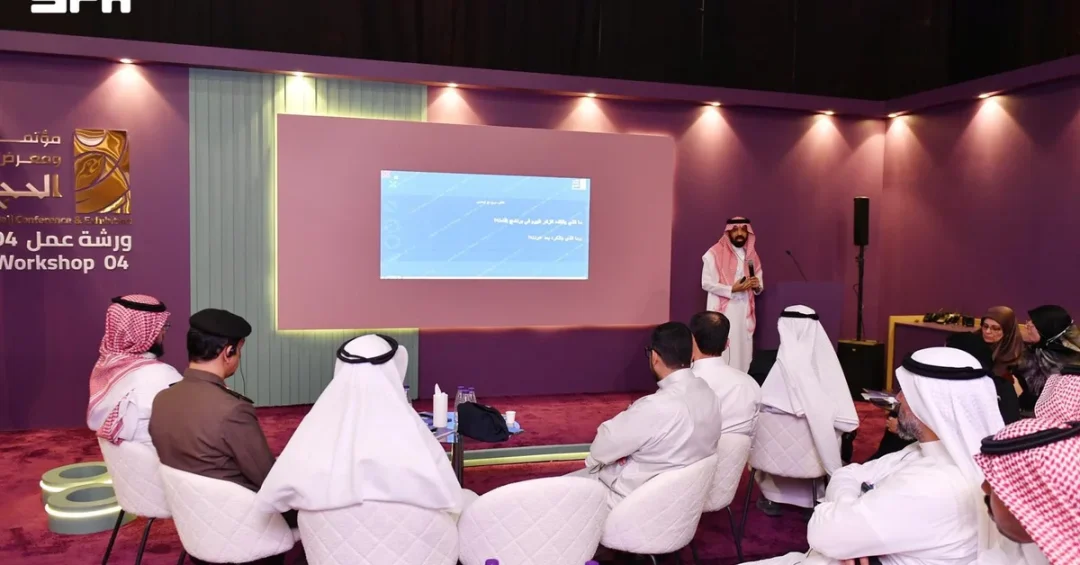
The Ministry of Hajj and Umrah has outlined a comprehensive approach to enriching the experience of visitors to Madinah, emphasizing seamless service integration and elevated quality of stay from the moment of arrival until departure. The details emerged during a dedicated workshop titled “Enriching the Madinah Visitor’s Experience During the Stay,” presented by Abdullah Almzariqah, Director General of the Ministry of Hajj and Umrah branch in Madinah, on the second day of the sixth Hajj Conference and Exhibition in Jeddah. The announcement, carried by the Saudi Press Agency (SPA), underscores the Kingdom’s ongoing commitment to providing world-class hospitality to the millions of pilgrims and visitors who travel to the holy city each year. Have you ever considered how a single, well-coordinated journey can transform a spiritual visit into an unforgettable experience?
The workshop brought together key stakeholders from across the public and private sectors to discuss practical strategies for enhancing every touchpoint of the visitor journey. From arrival at Prince Mohammad bin Abdulaziz International Airport to accommodation, transportation, and guided tours of Madinah’s historic sites, the focus was on creating an integrated ecosystem that anticipates and exceeds visitor expectations. This initiative aligns with the broader goals of Saudi Vision 2030, which seeks to elevate the Kingdom’s tourism and pilgrimage sectors to global standards. Isn’t it remarkable how meticulous planning can turn a religious obligation into a deeply personal and fulfilling journey?
Context and Background
Madinah, the second holiest city in Islam, holds immense spiritual significance for Muslims worldwide. It is home to the Prophet’s Mosque (Al-Masjid an-Nabawi), where millions of pilgrims perform prayers and pay their respects each year. The city also boasts a rich historical and cultural heritage, including sites such as Quba Mosque, the first mosque built in Islam, and the Uhud battlefield. In recent years, the Kingdom has invested heavily in expanding infrastructure and services to accommodate the growing number of visitors, particularly following the introduction of the expanded Umrah visa and the launch of the Pilgrim Experience Program under Vision 2030. How can such investments ensure that every visitor leaves with a heart full of cherished memories?
The sixth Hajj Conference and Exhibition, held in Jeddah, serves as a pivotal platform for industry leaders, government officials, and service providers to exchange ideas and unveil innovations. This year’s event, spanning multiple days, features workshops, panel discussions, and exhibitions showcasing cutting-edge technologies and best practices in pilgrimage management. The Ministry of Hajj and Umrah’s participation reflects its proactive approach to gathering feedback and implementing continuous improvements. By addressing the entire visitor journey, the Ministry aims to create a model of excellence that can be replicated across other Saudi cities. What better way to demonstrate the Kingdom’s dedication to hospitality than by refining every aspect of the guest experience?
Historically, Madinah has welcomed pilgrims for over 1,400 years, but the scale and sophistication of modern services have reached unprecedented levels. The Ministry’s branch in Madinah works tirelessly with local authorities, hotels, transport companies, and tour operators to ensure smooth operations. The workshop specifically highlighted the need for better coordination among these entities to avoid bottlenecks and provide a cohesive experience. This collaborative spirit is a hallmark of Saudi Arabia’s approach to mega-events and religious tourism. Could there be a more noble endeavor than serving those who journey for spiritual fulfillment?
Key Details of the Workshop
During his presentation, Abdullah Almzariqah elaborated on several key pillars for enriching the visitor experience. First, he stressed the importance of pre-arrival information and digital services, such as user-friendly apps that provide real-time updates on prayer times, transportation schedules, and available accommodations. Second, he underscored the need for warm and efficient reception at entry points, including airports and land border crossings, with multilingual staff and streamlined immigration procedures. Third, he discussed the enhancement of in-city mobility, including shuttle buses, ride-sharing options, and pedestrian-friendly routes connecting major sites. How often do travelers wish for a journey where every detail is taken care of before they even ask?
Another critical area was the quality of accommodation and dining. The Ministry is working with hoteliers and restaurateurs to ensure that facilities meet international standards while respecting local customs and traditions. This includes everything from cleanliness and safety to the availability of diverse cuisines that cater to various dietary needs. Almzariqah also highlighted the role of trained guides and volunteers who can share the history and significance of Madinah’s landmarks, adding depth to the visitor experience. These guides are equipped with knowledge about the city’s Islamic heritage and are fluent in multiple languages. Isn’t it heartening to see such attention to both material comfort and spiritual enrichment?
Furthermore, the workshop addressed the importance of post-visit follow-up, such as soliciting feedback through surveys and social media to identify areas for improvement. The Ministry aims to create a feedback loop that informs future planning and ensures that services evolve with visitor expectations. This data-driven approach is part of a broader digital transformation initiative within the Ministry of Hajj and Umrah, which has already introduced smart cards, electronic visas, and AI-powered crowd management systems. What could be more forward-thinking than using technology to serve faith?
International and Regional Impact
The enhancements to Madinah’s visitor experience have significant implications beyond Saudi Arabia’s borders. Pilgrims from over 180 countries visit the city annually, and their satisfaction directly influences the Kingdom’s global image as a welcoming and efficient host. Positive experiences translate into word-of-mouth promotion, encouraging more Muslims to undertake the journey and extending the Kingdom’s soft power. Moreover, the improvements align with Saudi Arabia’s efforts to diversify its economy by boosting religious tourism, which is a key pillar of Vision 2030. How might a single visitor’s positive review inspire countless others to embark on their own spiritual voyage?
Regionally, the initiative sets a benchmark for other countries in the Middle East that host religious sites. By sharing best practices and collaborating with international organizations, Saudi Arabia positions itself as a leader in pilgrimage management. The Hajj Conference and Exhibition itself attracts delegates from around the world, fostering partnerships and knowledge exchange. This collaborative approach not only benefits Madinah but also enhances the entire region’s capacity to handle large-scale religious events. Could there be a more powerful way to build bridges between nations than through shared reverence and hospitality?
Economic and Strategic Significance
Religious tourism is a major contributor to Saudi Arabia’s economy, generating billions of riyals in revenue and creating thousands of jobs. The Ministry of Hajj and Umrah’s focus on enriching the visitor experience is a strategic investment in this sector’s sustainability and growth. By improving services, the Kingdom aims to increase the number of pilgrims and extend their length of stay, thereby boosting spending in hotels, restaurants, retail, and transport. The Pilgrim Experience Program, a Vision 2030 initiative, targets 30 million Umrah pilgrims and 6 million Hajj pilgrims annually by 2030. What better way to achieve these ambitious targets than by ensuring every visitor becomes a lifelong ambassador?
Strategically, the emphasis on integrated services supports the Kingdom’s broader goals of economic diversification and job creation for Saudi nationals. The hospitality and tourism sectors are prioritized for localization, with training programs designed to equip young Saudis with the skills needed to excel in these fields. The workshop’s outcomes will likely feed into policy recommendations and investment decisions that further strengthen this ecosystem. Isn’t it inspiring to see how spiritual devotion and economic progress can go hand in hand?
Vision 2030 Alignment
The Ministry of Hajj and Umrah’s initiative to enrich the Madinah visitor experience is a direct reflection of Saudi Vision 2030’s objectives to enhance the quality of life, promote cultural heritage, and establish the Kingdom as a top global destination. Under the Pilgrim Experience Program, the government is committed to providing seamless, memorable journeys that honor the spiritual significance of the visit while showcasing Saudi hospitality. This workshop exemplifies the collaborative, forward-looking spirit that defines Vision 2030. How could any nation better demonstrate its dedication to both faith and modernity than by continuously improving the pilgrimage experience?
As Saudi Arabia continues to invest in infrastructure, technology, and human capital, the benefits will ripple across society and the economy. The Ministry’s efforts in Madinah serve as a model for other cities, ensuring that every visitor, regardless of origin, feels valued and cared for. With each enhancement, the Kingdom moves closer to realizing its vision of a prosperous, welcoming, and spiritually enriching Saudi Arabia. In a world often divided, isn’t it beautiful to see a nation bringing people together through service and devotion?
20 Questions
Q1. What was the main focus of the workshop held by the Ministry of Hajj and Umrah?
A1. The workshop focused on enriching the experience of Madinah visitors by integrating services and improving quality throughout their stay, from arrival to departure.
Q2. Who delivered the workshop presentation?
A2. Abdullah Almzariqah, Director General of the Ministry of Hajj and Umrah branch in Madinah, delivered the presentation during the sixth Hajj Conference and Exhibition.
Q3. When and where did the workshop take place?
A3. It took place on the second day of the sixth Hajj Conference and Exhibition in Jeddah, Saudi Arabia, as reported by the Saudi Press Agency.
Q4. Why is Madinah significant for Muslims worldwide?
A4. Madinah is the second holiest city in Islam, home to the Prophet’s Mosque and numerous historical sites, attracting millions of pilgrims annually for spiritual fulfillment.
Q5. What are some key areas addressed in the workshop?
A5. Key areas included pre-arrival digital services, efficient reception, in-city mobility, quality accommodation and dining, trained guides, and post-visit feedback mechanisms.
Q6. How does the initiative align with Saudi Vision 2030?
A6. It aligns with Vision 2030 goals of enhancing quality of life, boosting religious tourism, diversifying the economy, and establishing Saudi Arabia as a top global destination.
Q7. What role does technology play in enriching the visitor experience?
A7. Technology is used for real-time updates, smart cards, electronic visas, AI crowd management, and digital feedback systems to streamline and personalize the visitor journey.
Q8. How does the Ministry ensure coordination among service providers?
A8. The Ministry facilitates collaboration between government agencies, hotels, transport companies, and tour operators to create a seamless and integrated experience for visitors.
Q9. What economic benefits are expected from these enhancements?
A9. Improved services are expected to increase pilgrim numbers and length of stay, boosting revenue in hospitality, retail, and transport, and creating jobs for Saudi nationals.
Q10. How does the initiative impact Saudi Arabia’s global image?
A10. Positive visitor experiences enhance the Kingdom’s reputation as a welcoming and efficient host, strengthening soft power and encouraging more Muslims to visit.
Q11. What is the Pilgrim Experience Program?
A11. It is a Vision 2030 initiative aimed at enhancing the pilgrimage journey, targeting 30 million Umrah pilgrims and 6 million Hajj pilgrims annually by 2030.
Q12. How are guides trained to enrich the visitor experience?
A12. Guides are trained in the history and significance of Madinah’s landmarks and are fluent in multiple languages to provide insightful and respectful tours.
Q13. What feedback mechanisms are in place for continuous improvement?
A13. The Ministry uses surveys and social media to gather visitor feedback, which informs future planning and service enhancements in a data-driven approach.
Q14. How does the workshop reflect Saudi Arabia’s hospitality values?
A14. It demonstrates the Kingdom’s commitment to honoring guests with exceptional care, reflecting the deep-rooted Saudi tradition of generosity and respect for visitors.
Q15. What are the targets for religious tourism under Vision 2030?
A15. The targets include accommodating 30 million Umrah pilgrims and 6 million Hajj pilgrims annually by 2030, supported by infrastructure and service improvements.
Q16. How does the initiative benefit the local community in Madinah?
A16. It creates jobs, supports local businesses, and fosters community pride by involving residents in providing authentic and high-quality services to visitors.
Q17. What role does the private sector play in this initiative?
A17. The private sector partners with the Ministry to deliver accommodation, transport, dining, and tour services, ensuring innovation and efficiency in meeting visitor needs.
Q18. How does the Ministry measure the success of these enhancements?
A18. Success is measured through visitor satisfaction surveys, repeat visits, increased length of stay, and economic indicators such as tourism revenue and job creation.
Q19. What makes Madinah a unique destination beyond religious significance?
A19. Madinah offers rich historical and cultural heritage, including ancient mosques and battlefields, providing visitors with a profound educational and spiritual experience.
Q20. How can visitors contribute to the ongoing improvement of services?
A20. Visitors can provide feedback through official channels, share their experiences on social media, and suggest areas for enhancement, helping the Ministry refine future services.
Reader Feedback
We value your thoughts. Please share your feedback on this article.
Your feedback helps us improve our coverage.
Related articles
 Hajj Conference Showcases 20 Innovative Projects
 Public Security Showcases AI-Powered UAV at Hajj Conference
 Media Ambassadors Initiative Launches Third Phase Workshops
 Interactive Displays at Hajj Conference Showcase Digital Services for Pilgrims
 Hajj Minister Reviews Major Transformations Behind 93% Pilgrim Satisfaction
 Global Participants Enrich Hajj Conference in Jeddah