


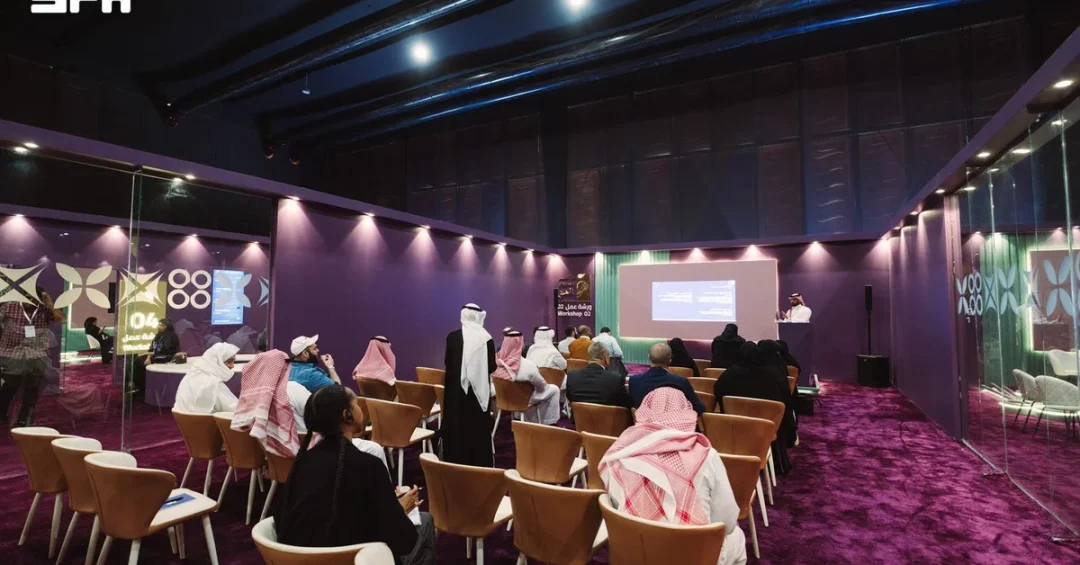
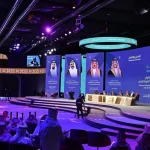
The Awareness and Training Forum commenced yesterday at the sixth edition of the Hajj Conference and Exhibition in Jeddah, marking the first time such a forum has been held alongside the launch of the Pilgrim Awareness Readiness Index, as announced by the Saudi Press Agency (SPA). The forum brings together officials, experts, and specialists in training, media, communication, and human capacity development to enhance the experience of pilgrims. This initiative underscores Saudi Arabia’s unwavering commitment to serving the guests of God and reflects the transformative goals of Vision 2030. The event is a pivotal platform for refining outreach tools, improving training programs, and ensuring that all those involved in Hajj operations are fully prepared to meet the needs of millions of pilgrims from around the world. How does this forum signal a new era in pilgrim services?
The Hajj Conference and Exhibition, now in its sixth year, has become a cornerstone event for stakeholders in the pilgrimage sector. This year’s addition of the Awareness and Training Forum highlights the increasing emphasis on human capital development and effective communication strategies. The launch of the Pilgrim Awareness Readiness Index introduces a measurable framework to gauge the understanding and impact of awareness initiatives. By integrating these elements, Saudi Arabia aims to set new benchmarks in service excellence and operational efficiency, further solidifying its role as a global leader in managing large-scale religious gatherings. The forum features five panel discussions and eight keynote addresses, providing a comprehensive agenda that addresses the multifaceted challenges of pilgrim care.
Context and Background
Why is the Hajj Conference and Exhibition considered a vital component of Saudi Arabia’s strategic vision? The conference, organized annually in Jeddah, serves as a global meeting point for government agencies, private sector entities, and international organizations involved in Hajj and Umrah services. Over the years, it has facilitated the exchange of best practices, introduced technological innovations, and fostered partnerships that enhance the pilgrimage experience. The sixth edition builds on this legacy by incorporating the Awareness and Training Forum, which focuses specifically on the human element—the officials, volunteers, and workers who interact directly with pilgrims. This aligns with the Kingdom’s broader efforts to improve service quality and ensure that every pilgrim’s journey is safe, spiritual, and fulfilling.
The Pilgrim Awareness Readiness Index is a groundbreaking tool designed to assess how well pilgrims understand the rituals, regulations, and logistical aspects of Hajj. It also evaluates the effectiveness of awareness campaigns and messaging strategies. By measuring these factors, authorities can identify gaps and tailor future initiatives to better meet the needs of diverse pilgrim demographics. This data-driven approach is part of Saudi Arabia’s commitment to continuous improvement and transparency. The index will likely become a key performance indicator for agencies involved in Hajj operations, encouraging them to innovate and collaborate more effectively. As the Kingdom prepares to welcome increasing numbers of pilgrims in line with Vision 2030 goals, such tools are essential for maintaining high standards of service and safety.
Key Details
What specific outcomes are expected from the five panel discussions and eight keynote addresses? The forum’s agenda covers a range of topics, including the use of digital media for pilgrim education, cultural sensitivity in communication, and the role of training in crisis management. Officials from the Ministry of Hajj and Umrah, the General Authority for Awqaf, and the Ministry of Media are among the participants, alongside experts from academia and the private sector. These discussions aim to produce actionable recommendations that will be integrated into future Hajj seasons. The keynote addresses will feature success stories and case studies from previous years, highlighting innovative approaches that have improved pilgrim satisfaction and operational efficiency.
The launch of the Pilgrim Awareness Readiness Index involves a comprehensive methodology that combines surveys, behavioral analysis, and feedback from pilgrims and service providers. It will be piloted during the upcoming Hajj season and refined based on results. The index is expected to cover multiple dimensions, such as knowledge of ritual procedures, awareness of health and safety protocols, and understanding of transportation and accommodation arrangements. By quantifying readiness, the index enables authorities to allocate resources more effectively and target awareness campaigns where they are most needed. This initiative reflects Saudi Arabia’s proactive stance in leveraging data to enhance the pilgrim experience, a key objective under Vision 2030’s Quality of Life program.
International and Regional Impact
How will the outcomes of this forum resonate beyond Saudi Arabia’s borders? The Hajj is a global event that draws millions of Muslims from every continent, and the improvements in awareness and training will directly benefit international pilgrims. Enhanced communication strategies will ensure that pilgrims from diverse linguistic and cultural backgrounds receive clear, accurate information before and during their journey. This reduces confusion, minimizes risks, and allows pilgrims to focus on their spiritual experience. Moreover, the Pilgrim Awareness Readiness Index could serve as a model for other countries hosting large religious gatherings, showcasing Saudi Arabia’s leadership in crowd management and service delivery.
Regionally, the forum strengthens cooperation among Gulf Cooperation Council (GCC) states, many of which send significant numbers of pilgrims and contribute to logistical support. The exchange of expertise and joint training initiatives can lead to more seamless coordination during Hajj seasons. Additionally, the emphasis on digital outreach aligns with the broader digital transformation sweeping the Middle East, positioning Saudi Arabia as a hub for innovation in religious tourism. The Kingdom’s efforts to improve pilgrim services also enhance its soft power and reinforce its role as the custodian of the Two Holy Mosques, a responsibility that resonates deeply with Muslims worldwide.
Economic and Strategic Significance
What economic benefits stem from a more efficient and aware pilgrim population? A well-informed pilgrim is better able to navigate services, adhere to schedules, and utilize digital platforms, which reduces operational costs and improves resource allocation. The Hajj and Umrah sector is a major contributor to Saudi Arabia’s non-oil economy, generating revenue through transportation, hospitality, retail, and telecommunications. By optimizing the pilgrim experience, the Kingdom can increase capacity and attract more visitors, in line with Vision 2030’s goal to welcome 30 million Umrah pilgrims annually by 2030. The Pilgrim Awareness Readiness Index will help identify bottlenecks and inefficiencies, enabling targeted investments that boost productivity and sustainability.
Strategically, the forum and index reinforce Saudi Arabia’s position as a global leader in managing mass gatherings. They demonstrate the Kingdom’s ability to harness technology, data, and human capital to deliver world-class services. This enhances the country’s reputation and attracts international partners interested in collaborating on smart city solutions, event management, and public health. Furthermore, the focus on training and awareness contributes to job creation and skills development for Saudi citizens, supporting the Vision 2030 objective of empowering the workforce and diversifying the economy. The ripple effects extend to small and medium enterprises, which can innovate to meet the evolving needs of pilgrims.
Vision 2030 Alignment
How does the Awareness and Training Forum embody the core principles of Vision 2030? Vision 2030 seeks to transform Saudi Arabia into a global investment powerhouse and a hub connecting three continents. Serving pilgrims is a sacred duty and a strategic priority that aligns with several Vision 2030 programs, including the Pilgrim Experience Program, which aims to enhance the quality of services and increase capacity. The forum’s focus on training and awareness directly supports the program’s objectives by ensuring that every individual involved in Hajj operations is equipped with the knowledge and skills to excel. The Pilgrim Awareness Readiness Index provides measurable metrics to track progress and drive continuous improvement, reflecting the Vision’s emphasis on accountability and innovation.
Ultimately, the sixth Hajj Conference and Exhibition, with its inaugural Awareness and Training Forum, showcases Saudi Arabia’s dedication to serving Islam’s holiest sites and its guests. By investing in human capital and leveraging data, the Kingdom is setting new standards for pilgrim care that will benefit millions for years to come. This initiative is a testament to the leadership’s foresight and commitment to realizing Vision 2030’s ambitious goals, ensuring that the Hajj experience remains spiritually enriching and operationally seamless. As Saudi Arabia continues to open its doors to the world, such efforts will further cement its status as a beacon of progress and hospitality.
20 Questions
Q1. What is the Awareness and Training Forum?
A1. The Awareness and Training Forum is a new initiative launched at the sixth Hajj Conference and Exhibition in Jeddah, focusing on refining outreach tools, enhancing training programs, and strengthening the readiness of those serving pilgrims.
Q2. When and where did the forum take place?
A2. The forum began yesterday at the sixth edition of the Hajj Conference and Exhibition in Jeddah, Saudi Arabia, as reported by the Saudi Press Agency.
Q3. What is the Pilgrim Awareness Readiness Index?
A3. The Pilgrim Awareness Readiness Index is a tool launched alongside the forum to gauge levels of understanding and evaluate the impact of initiatives and messaging related to pilgrim awareness.
Q4. How many panel discussions and keynote addresses are featured?
A4. The forum features five panel discussions and eight keynote addresses, with participation from officials, experts, and specialists in training, media, communication, and human capacity development.
Q5. Who is participating in the forum?
A5. Participants include officials, experts, and specialists in training, media, communication, and human capacity development, representing various Saudi government agencies and sectors.
Q6. Why is this forum being held for the first time?
A6. It is held for the first time to refine outreach tools, enhance the efficiency of training programs, and strengthen the readiness of those serving pilgrims, reflecting Saudi Arabia’s commitment to continuous improvement.
Q7. What is the purpose of the Pilgrim Awareness Readiness Index?
A7. The index is intended to gauge levels of understanding and evaluate the impact of initiatives and messaging, providing data to improve future awareness campaigns for pilgrims.
Q8. How does this initiative align with Vision 2030?
A8. It aligns with Vision 2030 by enhancing the pilgrim experience, improving service quality, and leveraging data and human capital to achieve the goals of the Pilgrim Experience Program.
Q9. What are the expected outcomes of the forum?
A9. Expected outcomes include actionable recommendations for improving pilgrim awareness, more effective training programs, and a measurable framework to assess readiness and communication impact.
Q10. How will the index be implemented?
A10. The index will be piloted during the upcoming Hajj season, using surveys and feedback to measure awareness levels and refine methodologies for future use.
Q11. What topics are covered in the panel discussions?
A11. Topics include digital media for pilgrim education, cultural sensitivity in communication, crisis management training, and strategies to enhance overall pilgrim readiness and satisfaction.
Q12. Who organized the Hajj Conference and Exhibition?
A12. The conference is organized by Saudi authorities, including the Ministry of Hajj and Umrah, and serves as a global platform for stakeholders in the pilgrimage sector.
Q13. How does the forum benefit international pilgrims?
A13. It benefits international pilgrims by ensuring clear, accurate information is communicated, reducing confusion, and enhancing their overall spiritual experience through better-trained service providers.
Q14. What is the significance of the sixth edition?
A14. The sixth edition is significant for introducing the Awareness and Training Forum and the Pilgrim Awareness Readiness Index, marking a new phase in data-driven pilgrim service improvement.
Q15. How does this support Saudi Arabia’s economy?
A15. By improving pilgrim experiences, it boosts the non-oil economy through increased spending in hospitality, retail, and transportation, supporting Vision 2030’s economic diversification goals.
Q16. What role does training play in Hajj operations?
A16. Training ensures that officials and workers are equipped with the skills to manage crowds, provide accurate information, and handle emergencies, enhancing safety and efficiency during Hajj.
Q17. Will the index be used for Umrah as well?
A17. While initially focused on Hajj, the index’s methodology could be adapted for Umrah to improve awareness and services year-round, though specific plans are not yet announced.
Q18. How can experts contribute to the forum?
A18. Experts contribute by sharing best practices, presenting research, and participating in discussions that generate recommendations for improving pilgrim awareness and training programs.
Q19. What is the expected impact on future Hajj seasons?
A19. The forum and index are expected to lead to more informed pilgrims, streamlined operations, and higher satisfaction rates, setting new standards for future Hajj seasons.
Q20. How does this reflect Saudi leadership?
A20. It reflects Saudi leadership’s dedication to serving pilgrims, embracing innovation, and achieving Vision 2030 goals, reinforcing the Kingdom’s role as a global leader in pilgrimage management.
Reader Feedback
We value your thoughts. Please share your feedback on this article.
Your feedback helps us improve our coverage.
Related articles
 NCM Issues Red Alert for Heavy Rain in Makkah, Al-Jumum
 5.4-Magnitude Earthquake Strikes Near Indonesia’s Tanimbar Islands
 Showers Drench Riyadh as NCM Issues Weather Alert
 Moderate Rain Expected in Madinah Region
 Coalition Intercepts UAV in Eastern Region
 HRSD Vice Minister Highlights Pilgrim Service Efforts at Hajj Conference