


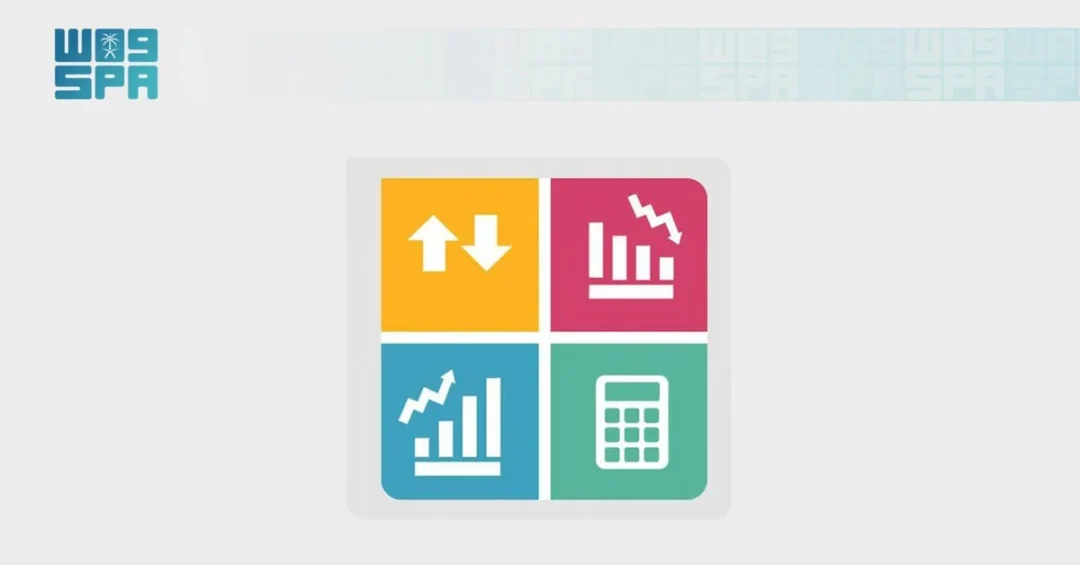
The Saudi Stock Exchange Main Index (TASI) closed higher on November 10, 2026, rising 61.38 points to reach 10,168.10 points, according to the Saudi Press Agency (SPA). Trading value for the session totaled SAR 4.9 billion, with 292 million shares changing hands. Market breadth was overwhelmingly positive, with shares of 232 companies advancing while only 31 declined. The parallel market, Nomu, also posted strong gains, climbing 167.02 points to close at 21,853.59 points, with trading valued at SAR 20 million and more than 3.3 million shares traded.
This daily market performance reflects the continued dynamism of Saudi Arabia’s capital markets, which have become a central pillar of the Kingdom’s economic transformation under Vision 2030. The Saudi Exchange, regulated by the Capital Market Authority (CMA), has undergone significant modernization in recent years, attracting both domestic and international investors. The positive close on this day underscores growing confidence in the Saudi economy, driven by government initiatives to diversify revenue streams, boost private sector participation, and enhance transparency in financial markets. As the largest stock market in the Arab world, TASI serves as a barometer for regional economic health and a key destination for global capital seeking exposure to the Middle East’s fastest-growing economy.
Context and Background
What factors have propelled the Saudi stock market to its current levels? The Saudi Stock Exchange, known as Tadawul, has evolved dramatically since its establishment in 2007 as a joint stock company. The market’s transformation accelerated following the launch of Vision 2030 in 2016, a comprehensive blueprint to reduce oil dependence and diversify the economy. Key milestones include the inclusion of Tadawul in the MSCI Emerging Markets Index in 2019, which opened the door to billions of dollars in passive investment flows. The listing of Saudi Aramco in December 2019, the world’s largest initial public offering, further elevated the market’s global profile. Regulatory reforms by the Capital Market Authority have streamlined listing requirements, enhanced corporate governance, and expanded foreign investor access, making the Saudi market one of the most accessible in the region. These measures have deepened liquidity and broadened the investor base, contributing to the resilience observed in daily trading sessions like today’s.
The market’s performance on November 10, 2026, must be viewed within the broader context of Saudi Arabia’s economic trajectory. The Kingdom has consistently pursued fiscal discipline while investing heavily in giga-projects such as NEOM, the Red Sea Project, and Qiddiya, which are reshaping the domestic investment landscape. The Public Investment Fund (PIF), the Kingdom’s sovereign wealth fund, has become a major player in global markets, further boosting confidence in Saudi assets. Additionally, the government’s efforts to increase the private sector’s contribution to GDP from 40% to 65% by 2030 have spurred corporate activity and created new investment opportunities. The positive breadth of today’s session—with 232 gainers versus 31 decliners—indicates widespread optimism across sectors, from banking and petrochemicals to telecommunications and retail. This broad-based rally suggests that investors are responding to fundamental improvements in the economy rather than isolated events.
Key Details
Can the specifics of today’s trading session offer deeper insights into market sentiment? The main index’s gain of 61.38 points represents a 0.61% increase from the previous close, a solid daily advance that builds on recent momentum. Trading value of SAR 4.9 billion is substantial, indicating active participation from both institutional and retail investors. The volume of 292 million shares traded demonstrates healthy liquidity, enabling efficient price discovery and allowing investors to enter or exit positions with minimal market impact. The fact that 232 companies saw their shares rise while only 31 declined is a strong indicator of positive market breadth, meaning the rally was not driven by a handful of large-cap stocks but was broadly distributed. This breadth is often considered a sign of a healthy bull market, as it reflects widespread confidence across various sectors. The parallel market, Nomu, which caters to smaller companies and provides a platform for growth-stage enterprises, also performed well, rising 167.02 points to 21,853.59 points. Nomu’s trading value of SAR 20 million and volume of over 3.3 million shares highlight its growing role as a stepping stone for companies aiming to graduate to the main market.
Investors are likely asking: which sectors led the gains? While the SPA report does not provide a sector breakdown, the broad-based nature of the rally suggests that multiple industries contributed. Typically, Saudi banks benefit from strong credit growth and rising interest margins, while petrochemical companies are influenced by global oil prices and demand for plastics and chemicals. The telecommunications sector, dominated by STC, Mobily, and Zain, offers defensive stability and dividend yields. Retail and consumer goods companies thrive on population growth and rising disposable incomes. The real estate and construction sectors are buoyed by giga-project spending and housing demand. The healthcare and education sectors are expanding in line with Vision 2030 social goals. The fact that only 31 companies declined indicates that even sectors facing headwinds managed to hold steady or post modest gains. This synchronized upswing reflects a macroeconomic environment characterized by robust government spending, low unemployment, and increasing foreign direct investment. It also underscores the effectiveness of the CMA’s regulatory framework in fostering a stable and attractive market.
International and Regional Impact
How does the performance of the Saudi stock market resonate beyond the Kingdom’s borders? As the largest and most liquid market in the Gulf Cooperation Council (GCC), Tadawul serves as a bellwether for the entire region. A rising TASI often lifts sentiment in neighboring markets such as the Dubai Financial Market, Abu Dhabi Securities Exchange, and Qatar Stock Exchange. International investors view Saudi equities as a gateway to the region’s growth story, particularly as the Kingdom implements economic reforms that reduce reliance on oil. The inclusion of Tadawul in major indices like MSCI and FTSE Russell has integrated Saudi Arabia into global portfolios, meaning that daily movements here can influence asset allocation decisions worldwide. Furthermore, the Kingdom’s hosting of major events such as the Future Investment Initiative (FII) and Expo 2030 in Riyadh has spotlighted its financial markets, attracting high-profile delegations and forging new partnerships. Today’s positive close reinforces the narrative of Saudi Arabia as an increasingly attractive destination for global capital, stable and forward-looking.
What are the implications for regional economic integration? The GCC economies are increasingly interconnected through trade, investment, and labor mobility. Saudi Arabia’s economic strength has a multiplier effect, as it is the region’s largest economy and a major source of remittances and demand for goods and services. A thriving Saudi stock market can encourage cross-border listings and investment flows, fostering deeper financial integration. It also supports the ambitions of the Gulf Cooperation Council to create a more unified market. Moreover, the Kingdom’s role in OPEC+ and its influence on global energy markets mean that its financial stability is closely watched by international policymakers. The positive market performance on this day contributes to a perception of regional stability, which is essential for attracting long-term investment. As Saudi Arabia continues to open its capital markets—evidenced by the recent introduction of market makers and derivatives—its impact on global finance will only grow, creating opportunities for investors and businesses alike.
Economic and Strategic Significance
Why does a single day’s market gain matter in the grand scheme of Vision 2030? The Saudi stock market is not merely a barometer; it is a critical mechanism for capital formation and wealth creation. A rising market encourages companies to raise capital through initial public offerings (IPOs) and secondary offerings, providing funds for expansion and innovation. The success of Aramco’s IPO and the subsequent listings of companies like ACWA Power and stc pay demonstrate the market’s ability to channel savings into productive investments. The government’s privatization program, which aims to sell stakes in state-owned assets, relies on a vibrant stock market to achieve fair valuations and attract diverse investors. Additionally, a strong market enhances the attractiveness of Saudi Arabia as a destination for foreign direct investment (FDI), as investors often view stock market performance as a proxy for economic health. The positive close on November 10, 2026, therefore, supports the broader strategic goal of building a diversified, sustainable economy that creates jobs and opportunities for Saudi citizens.
What role does the Saudi Exchange play in the global financial architecture? Tadawul is a member of the World Federation of Exchanges and has forged partnerships with major international exchanges, including the London Stock Exchange and Nasdaq. These collaborations facilitate knowledge transfer, technological upgrades, and cross-listing opportunities. The exchange has invested heavily in technology, launching advanced trading platforms that ensure speed, reliability, and transparency. It has also introduced environmental, social, and governance (ESG) guidelines, aligning with global best practices and attracting ESG-focused funds. The CMA’s oversight ensures market integrity, protecting investors and fostering trust. As Saudi Arabia chairs the G20 in 2020 and continues to play a leadership role in global forums, its financial market serves as a showcase for its modernization. The gains on this day reflect the culmination of these efforts, signaling that Saudi Arabia is not just keeping pace with global markets but is increasingly setting the standard in the region.
Vision 2030 Alignment
How does today’s market performance directly advance Vision 2030 objectives? Vision 2030 aims to create a thriving economy by diversifying income sources, increasing private sector contribution, and developing a robust financial sector. The Financial Sector Development Program (FSDP), one of Vision 2030’s executive programs, seeks to deepen the capital market, increase the number of listed companies, and enhance financial inclusion. A rising TASI contributes to these goals by building investor confidence, encouraging savings, and facilitating the efficient allocation of capital. The parallel market, Nomu, supports small and medium-sized enterprises (SMEs), which are vital for job creation and innovation. The strong performance of both markets on this day demonstrates tangible progress toward these objectives. Furthermore, the Kingdom’s commitment to transparency and regulatory excellence, as evidenced by the CMA’s continuous reforms, aligns with Vision 2030’s emphasis on good governance and global integration.
In conclusion, the Saudi Stock Exchange’s positive close on November 10, 2026, is more than a daily statistic; it is a reflection of Saudi Arabia’s successful economic transformation and its growing role on the world stage. As the Kingdom continues to implement Vision 2030, its capital markets will remain a cornerstone of its strategy to build a diversified, knowledge-based economy. The gains in both the main and parallel markets signal robust investor confidence and underscore the effectiveness of the government’s policies. For international observers, this performance offers a compelling case for engagement with Saudi Arabia’s dynamic economy. The future looks bright as the Kingdom marches toward its 2030 goals, with its financial markets serving as a beacon of opportunity and stability in the region and beyond.
20 Questions
Q1. What was the closing level of the Saudi Stock Exchange Main Index on November 10, 2026?
A1. The Saudi Stock Exchange Main Index (TASI) closed at 10,168.10 points on November 10, 2026, rising 61.38 points from the previous session, as reported by the Saudi Press Agency.
Q2. How much did the main index rise in points on that day?
A2. The main index rose by 61.38 points, representing a 0.61% increase, reflecting positive market sentiment and broad-based buying across sectors.
Q3. What was the total trading value on the main market?
A3. Trading value on the main market totaled SAR 4.9 billion, indicating strong liquidity and active participation from both institutional and retail investors.
Q4. How many shares were traded on the main market?
A4. A total of 292 million shares changed hands on the main market, demonstrating healthy turnover and efficient price discovery.
Q5. How many companies saw their shares rise on that day?
A5. Shares of 232 companies rose, reflecting widespread gains across various sectors and positive market breadth.
Q6. How many companies saw their shares decline?
A6. Only 31 companies saw their shares decline, indicating that the rally was broadly distributed and not driven by a few large-cap stocks.
Q7. What was the performance of the Nomu parallel market index?
A7. The Nomu parallel market index rose 167.02 points to close at 21,853.59 points, showing strong performance in the smaller-company segment.
Q8. What was the trading value on the Nomu market?
A8. Trading value on Nomu was SAR 20 million, with over 3.3 million shares traded, highlighting its growing role as a platform for growth-stage companies.
Q9. What is the significance of the market breadth on that day?
A9. The breadth, with 232 gainers versus 31 decliners, is a sign of a healthy bull market, indicating widespread investor confidence across multiple sectors.
Q10. Which regulatory body oversees the Saudi stock market?
A10. The Capital Market Authority (CMA) regulates the Saudi stock market, ensuring transparency, fairness, and investor protection through continuous reforms.
Q11. How has Vision 2030 impacted the Saudi stock market?
A11. Vision 2030 has driven economic diversification, increased private sector participation, and enhanced capital market reforms, boosting investor confidence and market growth.
Q12. What role does the Public Investment Fund (PIF) play in the market?
A12. PIF, Saudi Arabia’s sovereign wealth fund, invests domestically and internationally, supporting giga-projects and boosting market confidence through its strategic holdings.
Q13. How does the Saudi market compare to other regional markets?
A13. As the largest and most liquid market in the Gulf Cooperation Council (GCC), Tadawul serves as a bellwether for the region, often influencing sentiment in neighboring markets.
Q14. What are the key sectors represented on the Saudi Exchange?
A14. Key sectors include banking, petrochemicals, telecommunications, retail, healthcare, real estate, and energy, reflecting the diversified nature of the Saudi economy.
Q15. How can international investors access the Saudi stock market?
A15. International investors can access the market through qualified foreign investor (QFI) programs, exchange-traded funds (ETFs), and direct brokerage accounts, facilitated by CMA regulations.
Q16. What is the significance of the MSCI Emerging Markets Index inclusion?
A16. The inclusion of Tadawul in the MSCI Emerging Markets Index in 2019 opened the market to billions in passive investment flows, enhancing liquidity and global visibility.
Q17. How does the Saudi market support SMEs?
A17. The Nomu parallel market provides a platform for SMEs to raise capital and gain visibility, helping them grow and eventually graduate to the main market.
Q18. What technological advancements has the Saudi Exchange implemented?
A18. Tadawul has invested in advanced trading platforms, ensuring speed, reliability, and transparency, and has introduced derivatives and market-making to enhance liquidity.
Q19. How does the Saudi market align with global ESG standards?
A19. The CMA has introduced ESG guidelines, aligning with global best practices and attracting ESG-focused funds, demonstrating the market’s commitment to sustainability.
Q20. What does the future hold for the Saudi stock market?
A20. With ongoing reforms, Vision 2030 initiatives, and increasing foreign investment, the Saudi stock market is poised for continued growth and greater global integration.
Reader Feedback
We value your thoughts. Please share your feedback on this article.
Your feedback helps us improve our coverage.
Related articles
 Saudi Stock Exchange Main Index Closes Higher at 10,106.72 Points
 Saudi Exchange Main Index Closes Lower at 10,016.92 Points
 Saudi Stock Exchange Main Index Closes Higher
 Saudi Exchange Main Index Closes Higher at 10,095.42 Points
 Saudi Stock Exchange Main Index Closes Lower
 Saudi Stock Exchange Main Index Closes Higher