


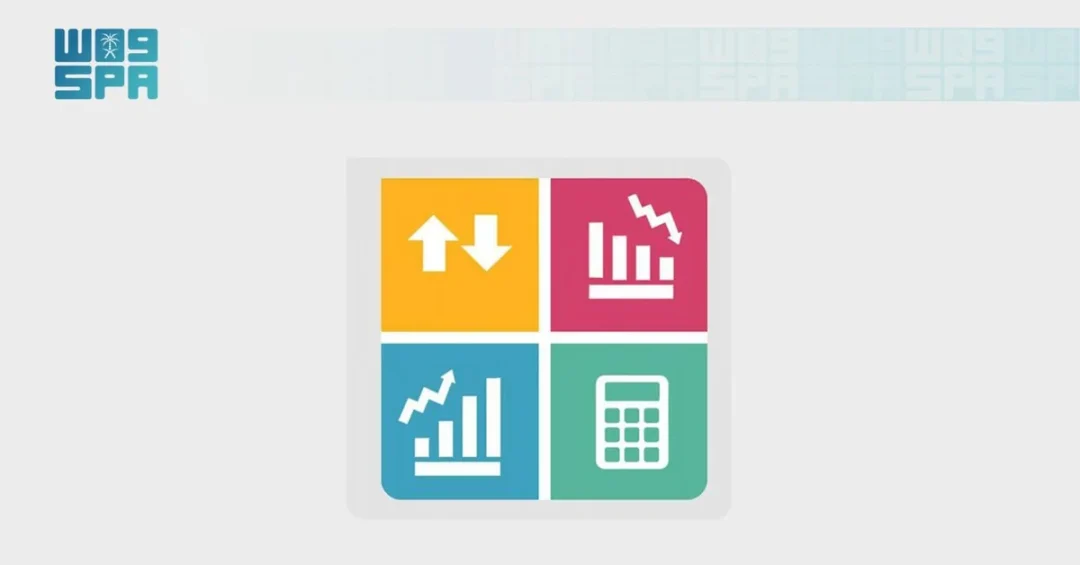
The Saudi Exchange’s main index (TASI) closed Sunday down 78.50 points at 10,016.92, with trading worth SAR2.7 billion and 181 million shares changing hands, according to the Saudi Press Agency (SPA). The parallel market index (Nomu) rose 81.54 points to 21,741.82, with more than 2.4 million shares worth SAR12 million traded. The session’s performance reflects the natural ebb and flow of a dynamic market that remains a cornerstone of the Kingdom’s economic transformation under Vision 2030. The Saudi Exchange continues to demonstrate resilience and depth, attracting both domestic and international investors who recognize the long-term potential of Saudi Arabia’s capital markets.
Sunday’s trading activity underscores the Saudi Exchange’s role as the largest and most liquid stock market in the Middle East. The main index’s decline of 78.50 points, or approximately 0.78 percent, was accompanied by a healthy trading volume, indicating active participation from investors. The parallel Nomu market, which caters to smaller and emerging companies, posted a gain, highlighting the diversity and vitality of Saudi Arabia’s equity landscape. This divergence between the main and parallel markets is not unusual and often reflects sector-specific dynamics and investor sentiment. The Saudi Exchange, regulated by the Capital Market Authority (CMA), has undergone significant modernization in recent years, enhancing transparency, governance, and accessibility for global investors.
Context and Background
What factors contribute to the daily fluctuations of the Saudi Exchange, and why do they matter for the broader economy? The Saudi Exchange, known as Tadawul, is the primary stock market in Saudi Arabia and one of the most influential in the Arab world. It serves as a barometer for the Kingdom’s economic health and investor confidence. The main index, TASI, tracks the performance of the largest and most liquid companies listed on the exchange, spanning sectors such as banking, petrochemicals, telecommunications, and real estate. The parallel market, Nomu, provides a platform for smaller companies to access capital, fostering entrepreneurship and innovation. Both markets operate under the oversight of the Capital Market Authority, which ensures fair and transparent trading practices.
The Saudi Exchange has been a focal point of Vision 2030, the ambitious national strategy launched by Crown Prince Mohammed bin Salman to diversify the economy away from oil dependence. Key initiatives include the listing of Saudi Aramco in 2019, the introduction of derivatives trading, and the inclusion of Saudi stocks in major global indices such as MSCI and FTSE Russell. These developments have significantly increased foreign investment and liquidity. The exchange’s performance is closely watched by international investors, policymakers, and analysts as an indicator of Saudi Arabia’s economic trajectory. Despite occasional declines, the market has shown remarkable growth and resilience, supported by strong fundamentals and government reforms.
Sunday’s session, while ending lower, is part of the normal market cycle. The decline may be attributed to profit-taking, global market trends, or sector-specific news. It is essential to view such movements within the context of long-term growth. The Saudi Exchange has consistently demonstrated its ability to absorb short-term volatility while maintaining a positive trajectory. The Kingdom’s robust regulatory framework and commitment to economic diversification continue to underpin investor confidence.
Key Details
What exactly happened during Sunday’s trading session, and which sectors were most affected? The main index, TASI, closed at 10,016.92 points, down 78.50 points from the previous close. Trading value reached SAR2.7 billion, with 181 million shares changing hands. This level of activity indicates that investors remain engaged and that the market retains ample liquidity. The parallel market, Nomu, bucked the trend, rising 81.54 points to 21,741.82. More than 2.4 million shares were traded on Nomu, with a total value of SAR12 million. The Nomu market’s gain suggests that investors are finding opportunities in smaller, growth-oriented companies, which is a positive sign for the broader ecosystem.
Sector performance on the main index was mixed, as is often the case. While the overall index declined, certain sectors may have outperformed or underperformed. For instance, banking and petrochemical stocks, which have heavy weightings in TASI, often influence the index’s direction. Energy prices, global economic news, and corporate earnings can also impact daily movements. The Saudi Exchange provides detailed market reports, and investors are encouraged to consult official sources for comprehensive data. The exchange’s transparency and timely disclosures are key features that attract international participants.
The trading volume of 181 million shares on the main market is consistent with recent averages, indicating sustained interest. The value of SAR2.7 billion reflects the participation of institutional and retail investors. The Nomu market’s performance, with SAR12 million in traded value, highlights its growing importance as a platform for SMEs. The Saudi Exchange has been actively promoting Nomu to encourage listings and provide exit opportunities for venture capital and private equity. These efforts align with Vision 2030’s goal of fostering a vibrant private sector and increasing the contribution of SMEs to GDP.
International and Regional Impact
How does the Saudi Exchange’s performance resonate beyond the Kingdom’s borders? As the largest stock market in the Middle East, the Saudi Exchange plays a pivotal role in regional and global financial markets. Its movements are closely monitored by investors in the Gulf Cooperation Council (GCC) countries and beyond. The exchange’s inclusion in global indices has made it a key destination for foreign capital. A decline in TASI, even a modest one, can influence sentiment in other regional markets. However, the Saudi market’s depth and liquidity often cushion against prolonged downturns. The Kingdom’s fiscal strength and economic diversification efforts provide a stable backdrop for investors.
Regionally, the Saudi Exchange competes and collaborates with other GCC exchanges, such as the Dubai Financial Market and the Abu Dhabi Securities Exchange. Cross-border investments and listings are becoming more common, fostering integration. The Saudi Exchange’s advanced infrastructure and regulatory standards set a benchmark for the region. Internationally, the exchange’s performance is watched by global asset managers, hedge funds, and sovereign wealth funds. The Public Investment Fund (PIF), Saudi Arabia’s sovereign wealth fund, is a major player in global markets and a significant investor in domestic equities. Its activities can influence market dynamics. Overall, the Saudi Exchange’s resilience contributes to the stability of the broader region and enhances Saudi Arabia’s standing as a global financial hub.
Economic and Strategic Significance
Why is the Saudi Exchange’s performance so crucial to the Kingdom’s economic strategy? The exchange is a vital channel for capital formation, enabling companies to raise funds for expansion and innovation. It also provides investment opportunities for citizens and residents, supporting wealth creation and financial inclusion. Under Vision 2030, the government aims to increase the private sector’s contribution to GDP and reduce reliance on oil. A vibrant stock market is essential to achieve these goals. The exchange facilitates the privatization of state-owned assets, attracts foreign direct investment, and promotes corporate governance. The CMA’s regulatory oversight ensures market integrity, protecting investors and fostering confidence.
The Saudi Exchange’s strategic importance extends to the Kingdom’s fiscal policy. The government has used the exchange to list shares of state-owned enterprises, such as Saudi Aramco, generating revenue for the PIF and other initiatives. The exchange also serves as a tool for monetary policy transmission and economic signaling. A well-performing market can boost consumer and business confidence, spurring spending and investment. Conversely, prolonged declines can have a negative wealth effect. Therefore, the exchange’s stability is a priority for policymakers. The recent decline is minor in the context of the market’s long-term growth, which has been substantial. The exchange’s market capitalization has grown significantly, reflecting the expansion of the Saudi economy.
Vision 2030 Alignment
How does the Saudi Exchange’s daily activity align with the ambitious goals of Vision 2030? The exchange is a cornerstone of the Financial Sector Development Program (FSDP), one of the Vision 2030 realization programs. The FSDP aims to create a diversified and effective financial sector to support economic growth, diversify income sources, and stimulate savings and investment. The Saudi Exchange’s modernization, including the introduction of new products and enhanced market infrastructure, directly contributes to these objectives. The exchange’s ability to attract international investors and facilitate capital raising for Saudi companies is vital for achieving the Vision’s targets. The Kingdom seeks to increase the private sector’s share of GDP to 65% and boost non-oil exports, and the exchange plays a key role in mobilizing the necessary capital.
Looking ahead, the Saudi Exchange is poised for further growth and innovation. The exchange is exploring new initiatives such as carbon trading, fintech integration, and enhanced digital services. These efforts align with Vision 2030’s focus on sustainability and technology. The exchange’s performance on any given day, like Sunday’s close, is a snapshot of a dynamic and evolving market. The long-term trend remains positive, driven by strong economic fundamentals, government support, and increasing global integration. As Saudi Arabia continues its transformation, the Saudi Exchange will remain a beacon of opportunity and a testament to the Kingdom’s progress. The future is bright for investors and for the nation as a whole.
20 Questions
Q1. What was the closing level of the Saudi Exchange’s main index on Sunday?
A1. The main index (TASI) closed at 10,016.92 points, down 78.50 points from the previous session.
Q2. How much was the trading value on the main market?
A2. Trading on the main market was worth SAR2.7 billion, with 181 million shares changing hands.
Q3. How did the parallel market (Nomu) perform?
A3. The Nomu index rose 81.54 points to close at 21,741.82, with over 2.4 million shares traded.
Q4. What is the significance of the Saudi Exchange in the region?
A4. It is the largest and most liquid stock market in the Middle East, serving as a barometer for the Kingdom’s economic health.
Q5. Who regulates the Saudi Exchange?
A5. The Capital Market Authority (CMA) regulates the exchange, ensuring fair and transparent trading practices.
Q6. What are the main indices tracked on the Saudi Exchange?
A6. The main index is TASI, and the parallel market index is Nomu, catering to different segments of companies.
Q7. How does the Saudi Exchange support Vision 2030?
A7. It facilitates capital formation, attracts foreign investment, and supports the privatization of state-owned assets, aligning with Vision 2030’s economic diversification goals.
Q8. What was the trading volume on the Nomu market?
A8. More than 2.4 million shares were traded on Nomu, with a total value of SAR12 million.
Q9. Why did the main index decline?
A9. The decline may be due to profit-taking, global market trends, or sector-specific news, but it is within normal market fluctuations.
Q10. How does the Saudi Exchange attract international investors?
A10. Through inclusion in global indices like MSCI and FTSE Russell, and by maintaining high transparency and governance standards.
Q11. What is the role of the Public Investment Fund (PIF) in the exchange?
A11. PIF is a major investor in domestic equities and plays a key role in market dynamics and economic diversification.
Q12. How does the exchange contribute to Saudi Arabia’s economic diversification?
A12. It provides a platform for companies in non-oil sectors to raise capital, supporting the growth of private enterprises.
Q13. What are the benefits of the Nomu market for small companies?
A13. Nomu offers a platform for smaller companies to access capital, enhance visibility, and facilitate growth and innovation.
Q14. How does the Saudi Exchange compare to other GCC exchanges?
A14. It is the largest and most liquid, setting benchmarks for regulatory standards and market infrastructure in the region.
Q15. What initiatives are underway to modernize the Saudi Exchange?
A15. Initiatives include derivatives trading, carbon trading exploration, fintech integration, and enhanced digital services.
Q16. What is the Financial Sector Development Program?
A16. It is a Vision 2030 program aimed at creating a diversified and effective financial sector to support economic growth.
Q17. How does the exchange support wealth creation for citizens?
A17. It provides investment opportunities that enable citizens to participate in the growth of the economy and build wealth.
Q18. What is the long-term outlook for the Saudi Exchange?
A18. The outlook is positive, driven by strong economic fundamentals, government support, and increasing global integration.
Q19. How does the exchange handle market volatility?
A19. Through robust regulatory oversight, transparent disclosures, and a diverse investor base that provides liquidity.
Q20. What should investors consider when trading on the Saudi Exchange?
A20. Investors should consult official sources, understand market risks, and focus on long-term opportunities aligned with Vision 2030.
Reader Feedback
We value your thoughts. Please share your feedback on this article.
Your feedback helps us improve our coverage.
Related articles
 Saudi Stock Exchange Main Index Closes Higher
 Saudi Exchange Main Index Closes Higher at 10,095.42 Points
 Saudi Stock Exchange Main Index Closes Lower
 Saudi Stock Exchange Main Index Closes Higher
 Saudi Exchange Main Index Closes Lower at 9,838 Points
 Saudi Exchange Main Index Closes Lower at 9,921.50 Points