


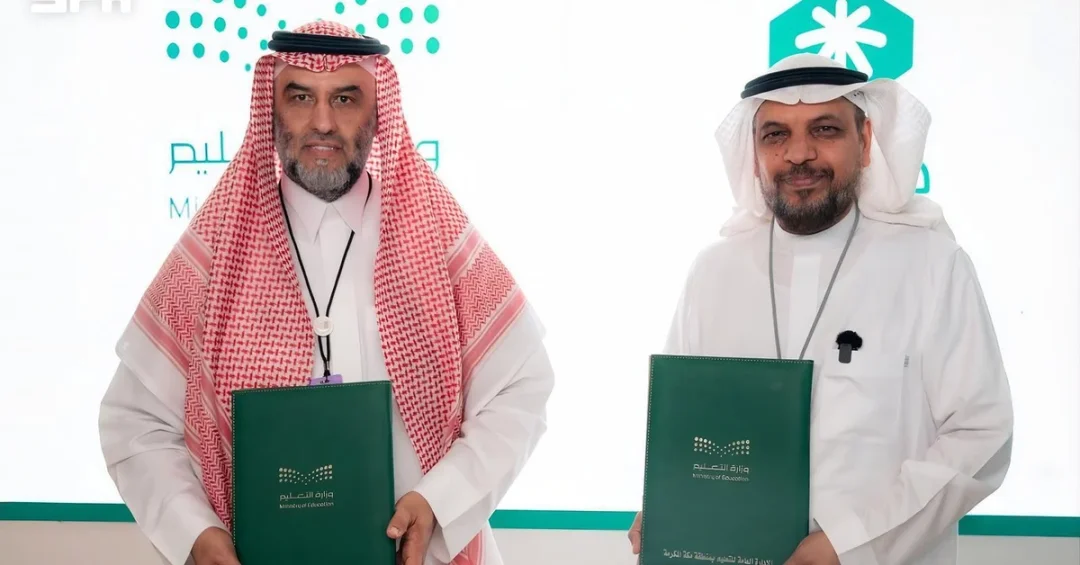
The General Administration of Education in Makkah Region signed a cooperation agreement with the Haji and Mu’tamer’s Gift Charitable Association (Hadiyah) on the sidelines of the sixth Hajj Conference and Exhibition, as reported by the Saudi Press Agency (SPA). The agreement aims to strengthen social responsibility, expand volunteer opportunities, and enable students and education personnel to serve pilgrims through targeted initiatives and ongoing training and awareness programs. The signing ceremony took place in Makkah on November 10, 2026, marking a significant step in integrating educational institutions with charitable work to enhance the experience of Hajj and Umrah pilgrims.
This partnership reflects the Kingdom’s broader commitment to fostering a culture of volunteerism and community service, particularly in the context of the millions of pilgrims who visit the holy sites each year. By involving students and educators, the agreement seeks to create a sustainable framework for service that aligns with Saudi Arabia’s Vision 2030 goals of enhancing quality of life and promoting social responsibility. The collaboration between the education sector and a specialized charitable association underscores the importance of multi-sectoral cooperation in delivering world-class services to guests of God.
Context and Background
What does it take to transform the annual pilgrimage into a seamless and spiritually fulfilling journey for millions? Saudi Arabia has long recognized that serving Hajj and Umrah pilgrims is not only a religious duty but also a national mission that requires continuous innovation and collaboration. The General Administration of Education in Makkah Region, responsible for overseeing educational institutions across the holy city, has increasingly focused on instilling values of service and volunteerism among the youth. Meanwhile, the Haji and Mu’tamer’s Gift Charitable Association (Hadiyah) has a well-established track record of providing material and emotional support to pilgrims, particularly those in need.
The sixth Hajj Conference and Exhibition provided a fitting backdrop for this agreement, as it brings together stakeholders from across the globe to discuss best practices and technological advancements in pilgrimage management. This event, held under the patronage of the Saudi leadership, highlights the Kingdom’s proactive approach to enhancing the Hajj experience. By signing this agreement, the education administration and Hadiyah are leveraging this platform to formalize their shared vision of community engagement. The timing is strategic, as the number of pilgrims continues to grow, necessitating innovative solutions that harness the energy and dedication of the local population.
Volunteerism has always been a cornerstone of Saudi society, rooted in Islamic principles of charity and hospitality. However, the scale and complexity of modern pilgrimage management require structured programs that can channel this goodwill effectively. The agreement aims to do just that by creating a pipeline of trained volunteers who can assist with various aspects of pilgrim care, from guiding and translation to logistical support and emotional reassurance. This initiative also aligns with the national volunteering targets set forth in Vision 2030, which seeks to increase the number of volunteers to one million by 2030.
Key Details of the Agreement
What specific opportunities will this agreement unlock for students and educators? Under the terms of the cooperation, priority groups—including the elderly, individuals with disabilities, and those facing financial hardship—will receive dedicated care and both material and emotional support. The agreement also promotes school volunteering by offering seasonal opportunities during Hajj and Umrah seasons. Students and education personnel will be able to participate in awareness programs, training workshops, and competitions designed to develop their skills and foster a culture of volunteering. These activities will be implemented through joint committees that will oversee planning, execution, and evaluation.
The agreement emphasizes the importance of ongoing training and awareness programs to ensure that volunteers are well-prepared to handle the diverse needs of pilgrims. This includes cultural sensitivity training, basic first aid, crowd management, and communication skills. By integrating these programs into the educational framework, the initiative not only serves pilgrims but also equips young Saudis with valuable life skills and a sense of civic pride. The Hadiyah association will bring its expertise in charitable work and pilgrim support, while the education administration will facilitate access to schools, teachers, and students, creating a synergistic partnership.
Moreover, the agreement outlines the creation of seasonal volunteer opportunities that coincide with peak pilgrimage periods. This structured approach ensures that there is a steady stream of trained volunteers when they are most needed. Competitions and recognition programs will further incentivize participation, celebrating outstanding contributions and inspiring others to join. The collaboration also includes provisions for monitoring and reporting, ensuring transparency and accountability in the use of resources and the achievement of objectives. This level of detail demonstrates the seriousness with which both parties approach this endeavor.
International and Regional Impact
How does this local agreement resonate on the global stage? Saudi Arabia’s handling of Hajj and Umrah is watched by the entire Muslim world, and any enhancement in pilgrim services sends a positive message about the Kingdom’s dedication to its role as custodian of the Two Holy Mosques. By involving its youth in volunteer work, Saudi Arabia showcases a model of community engagement that can be emulated by other nations facing similar large-scale events. The agreement also reinforces the Kingdom’s soft power, presenting a harmonious image of a society that values service, compassion, and unity.
Regionally, the initiative could inspire neighboring countries to develop similar programs that leverage educational institutions for social good. The Middle East is home to many young people eager to contribute to their communities, and this agreement provides a template for channeling that energy productively. Furthermore, the emphasis on training and skill development aligns with global trends in volunteer management, where professionalism and preparedness are key to effective service delivery. International observers have praised Saudi Arabia’s efforts to modernize pilgrimage management, and this agreement adds another layer to that narrative.
Economic and Strategic Significance
What are the economic implications of expanding volunteerism in the pilgrimage sector? While volunteer work is not primarily economically motivated, it contributes to the overall efficiency and quality of Hajj and Umrah operations. A well-organized volunteer force can reduce the burden on paid staff, allowing resources to be allocated to other critical areas such as infrastructure and technology. Additionally, the skills gained by volunteers—such as leadership, teamwork, and problem-solving—enhance their employability, contributing to the development of a skilled workforce that supports economic diversification under Vision 2030.
Strategically, the agreement strengthens the social fabric by fostering a sense of shared responsibility among different segments of society. It also enhances the Kingdom’s reputation as a leader in innovative social programs. By integrating volunteerism into the education system, Saudi Arabia is investing in a generation that values service and is equipped to contribute to national development. This aligns with the Vision 2030 objective of building a vibrant society where citizens are actively engaged in their communities. The partnership between the education administration and Hadiyah is a clear example of how cross-sector collaboration can yield strategic benefits.
Vision 2030 Alignment
How does this agreement embody the aspirations of Saudi Vision 2030? One of the core pillars of Vision 2030 is to create a vibrant society by promoting social responsibility and volunteerism. The agreement directly supports the National Transformation Program’s target of increasing the number of volunteers to one million by 2030. By targeting students and education personnel, it cultivates a culture of giving from a young age, ensuring that volunteerism becomes a lifelong habit. This not only benefits pilgrims but also enriches the lives of volunteers, who gain new skills and a deeper connection to their heritage.
Furthermore, the focus on serving pilgrims aligns with the Vision’s goal of enhancing the quality of services provided to the guests of God. The Kingdom has invested heavily in expanding the capacity of the Two Holy Mosques and improving infrastructure, and human capital is an equally important component. This agreement ensures that the human element—compassionate, trained volunteers—complements these physical developments. As Saudi Arabia continues to welcome millions of pilgrims each year, such initiatives will be instrumental in delivering a world-class experience that reflects the nation’s progress and its timeless values of hospitality and generosity.
20 Questions
Q1. What is the main purpose of the agreement signed between Makkah Education and Hadiyah?
A1. The agreement aims to strengthen social responsibility, expand volunteer opportunities, and enable students and education personnel to serve Hajj and Umrah pilgrims through targeted initiatives, training, and awareness programs.
Q2. When and where was the agreement signed?
A2. It was signed on November 10, 2026, in Makkah, on the sidelines of the sixth Hajj Conference and Exhibition, as reported by the Saudi Press Agency.
Q3. Who are the parties involved in this cooperation agreement?
A3. The agreement is between the General Administration of Education in Makkah Region and the Haji and Mu’tamer’s Gift Charitable Association (Hadiyah).
Q4. What are the key objectives of the agreement?
A4. Key objectives include strengthening social responsibility, expanding volunteer opportunities, providing care and support to priority groups, and promoting school volunteering during Hajj and Umrah seasons.
Q5. How will students and education personnel be involved?
A5. They will participate in seasonal volunteer opportunities, awareness programs, training workshops, and competitions designed to develop their skills and foster a culture of volunteering.
Q6. What kind of support will priority groups receive?
A6. Priority groups, such as the elderly and those with special needs, will receive material and emotional support to enhance their pilgrimage experience.
Q7. What is the role of Hadiyah in this partnership?
A7. Hadiyah brings its expertise in charitable work and pilgrim support, helping to implement programs and provide resources for volunteers and beneficiaries.
Q8. How does this agreement promote a culture of volunteering?
A8. By offering structured opportunities, training, and recognition, it encourages students and educators to engage in volunteer work, making it a valued social norm.
Q9. What training will be provided to volunteers?
A9. Training will cover areas such as cultural sensitivity, first aid, crowd management, communication skills, and awareness of pilgrim needs.
Q10. Will there be competitions related to volunteering?
A10. Yes, the agreement includes competitions to motivate participants and showcase innovative ideas in volunteer service.
Q11. How does this agreement align with Saudi Vision 2030?
A11. It supports Vision 2030’s goal of increasing volunteer numbers to one million and fostering a vibrant society with a strong sense of social responsibility.
Q12. What is the significance of signing at the Hajj Conference and Exhibition?
A12. It highlights the agreement’s relevance to pilgrimage management and provides a platform to showcase collaboration among stakeholders in the Hajj sector.
Q13. How will the agreement be implemented and monitored?
A13. Joint committees will oversee planning, execution, and evaluation, ensuring transparency and accountability in achieving the agreement’s objectives.
Q14. What benefits will students gain from participating?
A14. Students will develop skills such as leadership, teamwork, and empathy, while gaining a sense of civic pride and contributing to a noble cause.
Q15. How does this initiative impact the overall pilgrimage experience?
A15. It enhances the quality of services by providing trained, compassionate volunteers who assist pilgrims, making their journey smoother and more spiritual.
Q16. Are there any environmental or sustainability components?
A16. While not explicitly mentioned, volunteer programs often include awareness about cleanliness and environmental stewardship, which are integral to Hajj management.
Q17. How can other regions or countries learn from this model?
A17. This model demonstrates how educational institutions and charities can collaborate to address large-scale service needs, offering a replicable framework for community engagement.
Q18. What is the expected duration of the agreement?
A18. The agreement likely covers a multi-year period, with seasonal implementation during Hajj and Umrah, but specific duration was not disclosed in the source.
Q19. Will volunteers receive any form of recognition?
A19. Yes, competitions and recognition programs are part of the initiative to celebrate outstanding contributions and motivate continued participation.
Q20. How does this agreement reflect Saudi Arabia’s leadership in serving pilgrims?
A20. It showcases the Kingdom’s commitment to mobilizing its youth and institutions to serve the guests of God, reinforcing its role as custodian of the Two Holy Mosques.
Reader Feedback
We value your thoughts. Please share your feedback on this article.
Your feedback helps us improve our coverage.
Related articles
 Volunteering in AlUla Boosts Community Engagement
 Saudi Arabia Wins Gold, Two Bronze at ARBIChO in Uzbekistan
 Mawhiba 360 Launched to Integrate Gifted Education Year-Round
 Saudi Students Set Record with 37,000 Research Projects
 Misk Foundation Awards SAR 3 Million to Three Winning Projects
 King Khalid University Ranks 8th in THE Arab Rankings 2027