


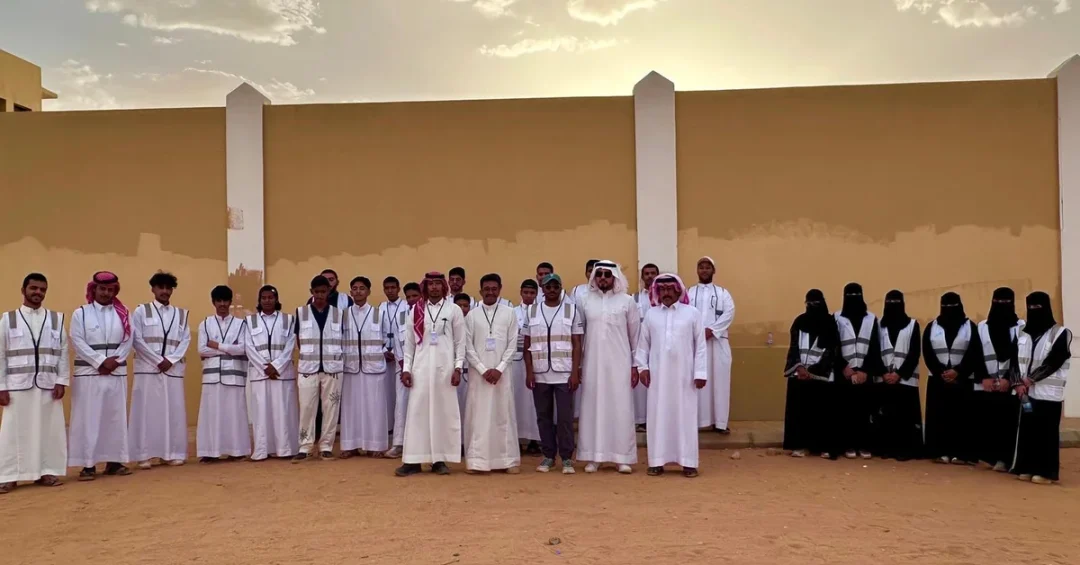
Volunteering in AlUla Governorate has become a cornerstone of community engagement and skill development, with the Association of Volunteer in AlUla leading efforts to recruit and train volunteers across culture, tourism, environment, education, healthcare, and social services. The initiative, reported by the Saudi Press Agency (SPA), reflects the Kingdom’s broader push to empower citizens and residents through meaningful civic participation, aligning with the goals of Saudi Vision 2030. By offering tailored opportunities that match individual expertise and interests, the association not only enhances the visitor experience in one of Saudi Arabia’s most treasured heritage destinations but also builds a stronger, more cohesive community. Have you ever considered how volunteering can transform both the volunteer and the destination?
The Association of Volunteer in AlUla operates under the umbrella of the Royal Commission for AlUla (RCU), the government body responsible for preserving and promoting the region’s cultural and natural heritage. The association’s work is part of a wider national strategy to increase volunteerism rates, a key objective of Vision 2030. Volunteers engage in a variety of roles, from participating in educational and scientific programs to organizing cultural, tourism, and recreational events. They also welcome visitors, care for the environment, and support community-led initiatives. This holistic approach ensures that volunteering benefits not only the governorate and its residents but also the millions of tourists who visit AlUla each year. Isn’t it inspiring to see how a single initiative can ripple across so many sectors?
Context and Background
AlUla, located in northwestern Saudi Arabia, is home to stunning archaeological sites such as Hegra, the Kingdom’s first UNESCO World Heritage property. In recent years, the region has undergone a remarkable transformation, driven by the Royal Commission for AlUla’s comprehensive development plan. This plan aims to position AlUla as a global destination for heritage, culture, and nature tourism, while ensuring that local communities benefit economically and socially. Volunteering has emerged as a vital component of this vision, providing a structured way for individuals to contribute to AlUla’s growth while gaining valuable skills and experience. The Association of Volunteer in AlUla was established to channel this enthusiasm effectively, matching volunteers with opportunities that align with their passions and expertise. How often do we see a tourism boom that also prioritizes community empowerment?
The association’s Executive Director, Zahia Al-Harbi, emphasized that volunteering welcomes individuals of various nationalities and age groups. This inclusivity is a hallmark of Saudi Arabia’s approach to civic engagement, which seeks to harness the talents of all residents, regardless of background. By opening its doors to international volunteers, AlUla also fosters cross-cultural exchange and understanding, further enhancing its reputation as a welcoming destination. The association’s focus on training ensures that volunteers are well-prepared for their roles, whether they are guiding visitors through ancient tombs or participating in environmental clean-up efforts. Such preparation not only enhances the quality of service but also instills a sense of pride and ownership among volunteers. Could this model be replicated in other heritage sites around the world?
Moreover, the volunteering program is deeply integrated with AlUla’s educational and scientific initiatives. Volunteers often participate in archaeological digs, conservation projects, and research activities, contributing to the preservation of the region’s rich history. This hands-on involvement provides invaluable experience for students and professionals in fields such as archaeology, history, and environmental science. It also creates a pipeline of skilled individuals who can support Saudi Arabia’s growing heritage sector. The association’s collaboration with local schools and universities further strengthens these ties, offering young people a chance to explore career paths while giving back to their community. Isn’t it remarkable how volunteering can serve as a bridge between education and real-world impact?
Key Details
The Association of Volunteer in AlUla offers a diverse array of volunteer roles tailored to individual skills and interests. These include participating in educational and scientific programs, organizing cultural, tourism, and recreational events, welcoming visitors, caring for the environment, and supporting community-led initiatives. For example, volunteers may assist in museums and exhibitions, where they learn about AlUla’s history and archaeological and heritage artifacts while helping to educate the public. As Zahia Al-Harbi noted, “Exhibitions and museums serve as hubs where training and practical application go hand in hand.” This dual focus on learning and doing ensures that volunteers not only contribute meaningfully but also gain knowledge and experience that can benefit them personally and professionally. What could be more rewarding than learning about ancient civilizations while helping others appreciate them?
In the tourism sector, volunteers play a crucial role in welcoming visitors and enhancing their experience. They may serve as guides, provide information at visitor centers, or assist with events and festivals. This support is particularly important as AlUla continues to attract a growing number of international tourists, drawn by its unique blend of natural beauty and historical significance. Volunteers help bridge the gap between visitors and the local community, ensuring that tourism development remains sustainable and respectful of local traditions. Their presence also allows permanent staff to focus on more specialized tasks, thereby improving overall efficiency. Have you ever thought about how a friendly volunteer can transform a tourist’s perception of a destination?
Environmental volunteering is another key area. Volunteers participate in clean-up campaigns, tree-planting initiatives, and wildlife conservation efforts. These activities are essential for preserving AlUla’s fragile desert ecosystem, which includes rare species and ancient geological formations. By engaging in such work, volunteers contribute directly to Saudi Arabia’s environmental goals, including the Saudi Green Initiative, which aims to combat climate change and protect natural habitats. The association’s environmental programs also raise awareness among residents and visitors about the importance of sustainability, fostering a culture of environmental stewardship. Isn’t it encouraging to see volunteers taking active roles in protecting our planet?
In healthcare and social services, volunteers support hospitals, clinics, and community centers, particularly in underserved areas. They may assist with administrative tasks, provide companionship to the elderly, or help organize health awareness campaigns. These contributions are vital for enhancing the quality of life in AlUla and ensuring that all residents have access to essential services. The association works closely with local health authorities to identify needs and deploy volunteers effectively. This collaborative approach exemplifies the spirit of mutual support that defines Saudi society. How might such volunteer efforts inspire similar programs in other regions?
International and Regional Impact
The volunteering initiative in AlUla has significant implications beyond the governorate’s borders. At the regional level, it serves as a model for other Saudi cities and governorates seeking to boost civic engagement and tourism. By demonstrating how volunteers can support heritage preservation, environmental protection, and community development, AlUla sets a benchmark that others can follow. This aligns with Vision 2030’s goal of increasing volunteerism to 1 million volunteers by 2030, a target that requires innovative and scalable programs like this one. The association’s success could inspire similar associations across the Kingdom, creating a nationwide network of skilled, motivated volunteers. Could AlUla’s approach become the blueprint for a national volunteering movement?
Internationally, the program enhances Saudi Arabia’s image as a welcoming and progressive nation. By inviting volunteers of various nationalities, AlUla fosters people-to-people diplomacy and cultural exchange. International volunteers bring diverse perspectives and skills, enriching the local community while gaining a deeper understanding of Saudi culture and heritage. This soft power approach complements Saudi Arabia’s broader diplomatic efforts and supports the goals of Vision 2030 to build bridges with the global community. Moreover, the program showcases Saudi Arabia’s commitment to sustainable tourism and heritage conservation, values that resonate worldwide. How many countries can boast a volunteering program that simultaneously promotes tourism and international goodwill?
Furthermore, the association’s work supports the objectives of the Royal Commission for AlUla, which aims to develop AlUla as a world-class destination while preserving its unique character. By engaging volunteers in the preservation and promotion of heritage, the program ensures that development is inclusive and respectful of local culture. This balance between progress and preservation is a key theme of Vision 2030, which seeks to modernize the Kingdom without sacrificing its identity. The positive feedback from visitors and residents alike underscores the effectiveness of this approach. Isn’t it refreshing to see development that honors the past while embracing the future?
Economic and Strategic Significance
Volunteering in AlUla also carries economic significance. By supplementing the workforce in key sectors such as tourism, heritage, and environmental management, volunteers help reduce operational costs and increase capacity. This is particularly valuable for a developing destination like AlUla, where resources may be stretched during peak seasons. The association’s training programs ensure that volunteers are productive from the start, minimizing the need for extensive on-the-job training. As a result, the governorate can offer more services and activities without proportional increases in spending. This efficiency supports the sustainability of AlUla’s tourism industry and enhances its competitiveness. Could this cost-effective model be the key to sustainable tourism development?
Strategically, the volunteering program contributes to human capital development, a core pillar of Vision 2030. Volunteers acquire practical skills, such as communication, teamwork, and leadership, which are transferable to other areas of the economy. Young Saudis, in particular, benefit from these opportunities, gaining experience that can help them secure employment or start their own ventures. The program also promotes a culture of volunteerism, which is essential for building a vibrant civil society. By investing in its people, Saudi Arabia is laying the foundation for a diversified, knowledge-based economy. How might these skills shape the leaders of tomorrow?
Additionally, the program supports the growth of the local economy by increasing visitor satisfaction and length of stay. Volunteers enhance the visitor experience, making AlUla more attractive to tourists who may spend more time and money in the region. This, in turn, creates jobs and business opportunities for residents. The association’s efforts to involve local community members in volunteering also ensure that tourism revenue stays within the community, fostering inclusive growth. This holistic approach to economic development is a hallmark of Vision 2030, which seeks prosperity for all Saudis. Isn’t it wise to invest in volunteers who can drive economic growth while preserving cultural heritage?
Vision 2030 Alignment
The volunteering initiative in AlUla is closely aligned with Saudi Vision 2030, which aims to increase volunteerism rates and empower citizens to contribute to national development. One of the vision’s key targets is to raise the number of volunteers to 1 million by 2030, and programs like this are instrumental in achieving that goal. By providing structured, meaningful opportunities, the Association of Volunteer in AlUla demonstrates how volunteerism can be a powerful tool for social and economic progress. The program also supports other Vision 2030 objectives, such as enhancing the quality of life, promoting cultural heritage, and developing human capital. It is a shining example of how grassroots efforts can drive national transformation. How many other countries have made volunteerism a central pillar of their development strategy?
Looking ahead, the Association of Volunteer in AlUla plans to expand its programs and reach even more volunteers. With the continued support of the Royal Commission for AlUla and other government entities, the association aims to become a model for volunteerism across the Kingdom. As AlUla continues to grow as a global destination, the role of volunteers will only become more important. They will be at the forefront of welcoming visitors, protecting the environment, and supporting community initiatives. Their dedication and enthusiasm will help ensure that AlUla remains a treasure for generations to come. In doing so, they are not only shaping the future of AlUla but also contributing to the realization of Saudi Arabia’s ambitious vision. What greater legacy could one leave than helping to build a brighter future for all?
20 Questions
Q1. What is the Association of Volunteer in AlUla?
A1. The Association of Volunteer in AlUla is a Saudi organization that recruits and trains volunteers for various sectors in AlUla Governorate, including culture, tourism, environment, education, healthcare, and social services, to foster community engagement and skill development.
Q2. What types of volunteer opportunities are available in AlUla?
A2. Opportunities include participating in educational and scientific programs, organizing cultural, tourism, and recreational events, welcoming visitors, caring for the environment, and supporting community-led initiatives, tailored to volunteers’ specific expertise and interests.
Q3. Who is eligible to volunteer in AlUla?
A3. According to Executive Director Zahia Al-Harbi, volunteering welcomes individuals of various nationalities and age groups, making it an inclusive program open to both Saudi citizens and international participants.
Q4. How does volunteering benefit the local community in AlUla?
A4. Volunteers enhance community engagement, support local initiatives, and contribute to sectors like education, healthcare, and environmental conservation, improving the quality of life for residents and enriching the visitor experience.
Q5. What role do museums and exhibitions play in the volunteering program?
A5. Museums and exhibitions serve as hubs where training and practical application go hand in hand, allowing volunteers to learn about AlUla’s history and archaeological and heritage artifacts while helping to educate the public.
Q6. How does volunteering in AlUla align with Saudi Vision 2030?
A6. It aligns with Vision 2030’s goal to increase volunteerism to 1 million volunteers by 2030, while also promoting cultural heritage, human capital development, and community empowerment, key pillars of the vision.
Q7. What is the economic impact of volunteering in AlUla?
A7. Volunteers supplement the workforce in tourism, heritage, and environmental management, reducing operational costs and increasing capacity, which supports sustainable tourism development and local economic growth.
Q8. Can international volunteers participate in the program?
A8. Yes, the program welcomes individuals of various nationalities, fostering cross-cultural exchange and people-to-people diplomacy, which enhances Saudi Arabia’s global image and supports its soft power efforts.
Q9. What training do volunteers receive?
A9. Volunteers receive tailored training based on their roles, including practical application in museums and exhibitions, educational programs, and environmental projects, ensuring they are well-prepared and productive.
Q10. How does volunteering support environmental conservation in AlUla?
A10. Volunteers participate in clean-up campaigns, tree-planting, and wildlife conservation, contributing to the preservation of AlUla’s fragile desert ecosystem and supporting national initiatives like the Saudi Green Initiative.
Q11. What is the role of the Royal Commission for AlUla in the volunteering program?
A11. The Royal Commission for AlUla oversees the development of AlUla and supports the Association of Volunteer in AlUla, ensuring that volunteering aligns with the region’s heritage preservation and tourism goals.
Q12. How does volunteering in AlUla enhance the visitor experience?
A12. Volunteers welcome visitors, provide information, assist with events, and serve as guides, helping tourists appreciate AlUla’s heritage and ensuring a memorable, high-quality experience that encourages longer stays.
Q13. What skills can volunteers develop through the program?
A13. Volunteers develop communication, teamwork, leadership, and specialized skills in areas like archaeology, tourism management, and environmental conservation, enhancing their employability and personal growth.
Q14. Are there opportunities for young people to volunteer in AlUla?
A14. Yes, the program welcomes individuals of all age groups, and young people can participate in educational and scientific programs, gaining valuable experience that supports their career development.
Q15. How does volunteering in AlUla contribute to cultural exchange?
A15. By welcoming volunteers of various nationalities, the program facilitates cross-cultural understanding and dialogue, allowing international volunteers to learn about Saudi culture while sharing their own perspectives.
Q16. What is the significance of AlUla as a UNESCO World Heritage site?
A16. AlUla is home to Hegra, Saudi Arabia’s first UNESCO World Heritage property, renowned for its ancient Nabataean tombs and archaeological treasures, making it a focal point for heritage tourism and conservation.
Q17. How can one apply to volunteer in AlUla?
A17. Interested individuals can contact the Association of Volunteer in AlUla, which recruits volunteers and matches them with opportunities based on their expertise and interests. Details are available through official Saudi channels.
Q18. What impact does volunteering have on social services in AlUla?
A18. Volunteers support hospitals, clinics, and community centers, assisting with administrative tasks, companionship for the elderly, and health awareness campaigns, thereby enhancing the quality of life for residents.
Q19. How does the volunteering program support Saudi Arabia’s tourism goals?
A19. By supplementing the tourism workforce and enhancing visitor experiences, volunteers help AlUla attract more tourists, supporting the Kingdom’s goal to increase tourism’s contribution to GDP and diversify the economy.
Q20. What is the long-term vision for volunteering in AlUla?
A20. The association aims to expand its programs, reach more volunteers, and become a model for volunteerism across Saudi Arabia, contributing to Vision 2030’s target of 1 million volunteers and fostering a culture of civic engagement.
Reader Feedback
We value your thoughts. Please share your feedback on this article.
Your feedback helps us improve our coverage.
Related articles
 Saudi Arabia Wins Gold, Two Bronze at ARBIChO in Uzbekistan
 Mawhiba 360 Launched to Integrate Gifted Education Year-Round
 Saudi Students Set Record with 37,000 Research Projects
 Misk Foundation Awards SAR 3 Million to Three Winning Projects
 King Khalid University Ranks 8th in THE Arab Rankings 2027
 University of Hail Opens World Quality Week Exhibition