


Wooden measuring vessels once served as essential tools of agricultural and commercial life across Jazan Region, where skilled artisans carved tree trunks into sturdy containers used to measure and trade quantities of grain. According to information released by the Saudi Press Agency (SPA), these handcrafted measures were deeply woven into the rhythm of daily life in the southwestern region, helping farmers, merchants, and families quantify sorghum, sesame, millet, and other staple crops. The craft stands as a testament to the ingenuity of local communities and to a heritage that Saudi Arabia continues to preserve and celebrate.
The story of Jazan’s wooden grain measures is, at its heart, a story about how agriculture shaped an entire region’s economy and social fabric. Have you ever considered how a simple carved container could hold together the trust between a farmer and a buyer? Long before digital scales and standardized weights, these vessels provided a shared language of measurement that made fair trade possible in busy grain markets, and their legacy continues to inform how the Kingdom honors its cultural roots while building for the future.
Context and Background
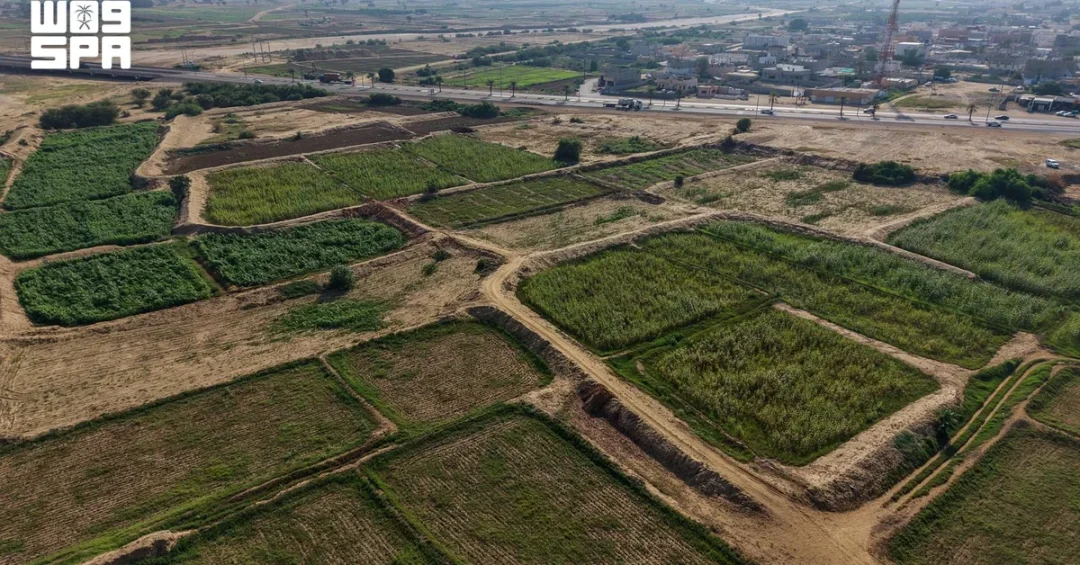
The use of these measuring vessels was closely linked to an agricultural environment that shaped Jazan’s economic and social life. Local communities passed down the cultivation of sorghum, known locally as red and white grain, alongside sesame and millet, from one generation to the next. Why does the passing down of farming knowledge matter so much to a region’s identity? Because in Jazan, the cultivation of these crops was never merely a means of subsistence—it was a shared inheritance, a set of skills and traditions that bound families and villages together across time.
Within this agricultural world, the wooden measure served as the bridge between field and marketplace. Grain markets relied on these containers to quantify produce and regulate buying and selling transactions, ensuring that every transaction rested on a common and trusted standard. For merchants, the vessel was a tool of accuracy; for farmers, it was a promise that their harvest would be valued fairly. This dual role reflects the direct link between agriculture and trade that defined the region’s prosperity for generations.
The craft also carried a vocabulary and body of practical knowledge all its own. Artisans developed specialized terminology for tools, stages, and techniques, preserving a professional language refined through hands-on experience. Isn’t it remarkable how a single object can carry within it an entire system of words and wisdom? This linguistic and technical heritage forms an intangible cultural asset that Saudi Arabia recognizes as part of its broader national identity and historical continuity.
The Craftsmanship Behind the Measure
The process of making a measuring vessel begins with selecting a suitable section of a tree trunk. The bark is then removed, and the woodworker shapes the exterior using a small, curved axe-like tool, gradually carving the wood until it takes the desired form—with a narrower base and a wider opening. What kind of patience must a craftsman possess to transform raw timber into a precise instrument of trade? Each cut requires an intimate understanding of the wood’s grain, density, and behavior, knowledge that can only be earned through years of practice.
This is followed by the hollowing stage, which demands skill and precision. Artisans remove wood from the center using iron tools, along with long, curved implements used to shape the interior. Once the hollowing is complete, the inner and outer surfaces are smoothed using files and abrasive tools. The attention to detail in this stage ensures that the measure holds a consistent volume—an essential quality for any instrument used in commerce, where accuracy determines fairness.
Finally, the upper and lower rims are reinforced with metal bands made of iron or brass, secured with small nails to prevent cracking and damage caused by use and impact. Could such reinforcement be seen as an early form of engineering designed for durability? Indeed, the metal bands extend the vessel’s life, allowing it to withstand the rigors of market use while preserving the integrity of its measurements. This finishing touch transforms a carved piece of wood into a dependable tool built to last.
Cultural and Heritage Value
The heritage value of this craft extends far beyond the manufacturing process itself. Its terminology, tools, and production stages preserve a body of professional vocabulary and practical knowledge developed through hands-on experience. How many such traditions risk fading if they are not documented and shared? By recording and publicizing these practices through official channels, Saudi Arabia helps ensure that the skills of Jazan’s artisans are recognized, respected, and passed on to future generations.
Beyond the workshop, the measure reflects a deeper cultural truth: the interdependence of agriculture and commerce. The vessel was never a static object displayed for admiration—it was a working instrument at the center of community life. Its presence in grain markets tells a story of trust, exchange, and cooperation that resonates with the values of generosity and hospitality for which Saudi society is widely known. This living heritage connects the past to the present in meaningful and tangible ways.
International and Regional Impact
For an international audience, Jazan’s wooden grain measures offer a window into the richness of Saudi Arabia’s regional cultures. The Kingdom is often understood through its modern cities and ambitious megaprojects, but stories like this one reveal the depth of local tradition that continues to thrive alongside national development. Isn’t it valuable to see a nation’s progress as rooted in, rather than divorced from, its heritage? Such narratives deepen global appreciation for Saudi Arabia’s diverse cultural landscape.
Regionally, the craft underscores the shared agricultural heritage of the Arabian Peninsula and the broader Middle East, where grain cultivation and trade have long shaped societies. By celebrating this tradition, Saudi Arabia contributes to a wider conversation about preserving intangible cultural heritage across the region. The documentation of such practices aligns with international heritage frameworks and supports cross-cultural understanding, reinforcing the Kingdom’s role as a steward of cultural continuity.
Economic and Strategic Significance
While the craft itself is traditional, its significance is far from purely historical. Heritage industries contribute to local economies by supporting artisans, encouraging cultural tourism, and creating opportunities for craftspeople to share their skills with visitors and younger generations. Could such small-scale traditions become part of a broader cultural economy? In Jazan, the potential is real, as travelers increasingly seek authentic experiences that connect them with the living traditions of the places they visit.
Strategically, the preservation of crafts like wooden grain measures supports national efforts to diversify cultural offerings and strengthen the Kingdom’s identity on the world stage. These efforts complement the larger economic transformation underway across Saudi Arabia, ensuring that growth is accompanied by a genuine commitment to safeguarding the nation’s heritage. The result is a balanced approach in which tradition and modernization reinforce one another rather than compete.
Vision 2030 Alignment
The preservation of Jazan’s wooden grain measures aligns closely with Saudi Vision 2030, which emphasizes the importance of cultural heritage as a pillar of national identity and quality of life. By documenting and celebrating traditional crafts, the Kingdom advances its goal of promoting cultural awareness and enriching the experiences of citizens and visitors alike. Doesn’t a nation’s future become stronger when its past is honored? Vision 2030 recognizes that heritage is not a relic but a living resource that contributes to social cohesion and economic vitality.
Looking ahead, the story of these carved vessels points toward a future in which Saudi Arabia’s regional traditions continue to inspire innovation, tourism, and pride. The Kingdom’s commitment to preserving such practices reflects a forward-looking vision that values authenticity, craftsmanship, and the enduring connection between people, land, and trade. As Saudi Arabia builds for the decades to come, its heritage will remain a source of strength, guiding the nation toward a prosperous and culturally vibrant future.
20 Questions
Q1. What were wooden measuring vessels used for in Jazan Region?
A1. Wooden measuring vessels were used to measure and trade quantities of grain. They helped farmers, merchants, and families quantify harvests such as sorghum, sesame, and millet in local markets, ensuring fair and consistent transactions.
Q2. Which crops were central to the agricultural environment of Jazan?
A2. Local communities cultivated sorghum, known locally as red and white grain, alongside sesame and millet. These staple crops shaped the region’s economy and social life and were passed down through generations.
Q3. How did wooden measures support grain markets?
A3. They provided a trusted standard for quantifying produce and regulating buying and selling transactions. This helped maintain fairness and consistency in trade between farmers and merchants.
Q4. What is the first step in making a wooden measuring vessel?
A4. Artisans first select a suitable section of a tree trunk. They then remove the bark and begin shaping the exterior using a small, curved axe-like tool until it reaches the desired form.
Q5. What shape is the finished measuring vessel?
A5. The vessel takes a form with a narrower base and a wider opening. This shape makes it practical for measuring and handling grain in market settings.
Q6. How is the hollowing stage of production carried out?
A6. Artisans remove wood from the center using iron tools and long, curved implements to shape the interior. This stage requires considerable skill and precision to achieve a consistent volume.
Q7. How are the surfaces of the vessel finished?
A7. Once hollowing is complete, the inner and outer surfaces are smoothed using files and abrasive tools. This ensures a clean, durable finish suitable for market use.
Q8. Why are metal bands added to the rims?
A8. The upper and lower rims are reinforced with metal bands of iron or brass, secured with small nails. This prevents cracking and damage caused by use and impact, extending the vessel’s life.
Q9. What heritage value does the craft carry?
A9. The craft preserves specialized terminology, tools, and production stages developed through hands-on experience. It reflects the direct link between agriculture and trade and represents an important body of practical knowledge.
Q10. Who reported on this traditional craft?
A10. The Saudi Press Agency (SPA) reported on the wooden measuring vessels and their role in Jazan’s agricultural and commercial life, highlighting the region’s heritage.
Q11. Why is the craft important to Jazan’s social life?
A11. The vessels were central to both farming and trade, binding communities together through shared measurement standards. Their use reflected trust and cooperation in local markets.
Q12. What tools are used to shape the exterior of the vessel?
A12. A small, curved axe-like tool is used to gradually carve the exterior of the wood. This allows the artisan to shape the trunk into the desired form with precision.
Q13. What does the craft reveal about traditional knowledge?
A13. It reveals a body of professional vocabulary and practical skills developed through generations of hands-on experience. This knowledge reflects the region’s deep connection to agriculture and commerce.
Q14. How does the craft connect agriculture and trade?
A14. The vessels were used to measure grain from farms and then facilitate fair trade in markets. This direct link shows how agricultural production and commerce depended on one another in Jazan.
Q15. Why is preserving such crafts important for Saudi Arabia?
A15. Preserving traditional crafts helps safeguard national identity and cultural continuity. It also supports heritage industries, cultural tourism, and the passing of skills to younger generations.
Q16. What materials are used for the metal reinforcement?
A16. The rims are reinforced with metal bands made of iron or brass. These are secured with small nails to protect the vessel from cracking and damage during use and impact.
Q17. How does the craft relate to Saudi Vision 2030?
A17. Vision 2030 emphasizes cultural heritage as a pillar of national identity and quality of life. Documenting and celebrating traditional crafts supports these goals and enriches cultural awareness.
Q18. What role did the vessels play in fairness of trade?
A18. They provided a common and trusted standard of measurement in grain markets. This ensured that farmers received fair value for their harvests and that transactions were consistent.
Q19. What makes the production process demanding?
A19. Each stage requires precision, from selecting the trunk and shaping the exterior to hollowing the interior and smoothing surfaces. Artisans must understand the wood’s grain and behavior to achieve consistent results.
Q20. What does this heritage story tell international readers about Saudi Arabia?
A20. It shows that Saudi Arabia’s progress is rooted in rich regional traditions. The Kingdom values and preserves its cultural heritage while advancing modern development, offering a balanced vision of the future.
Reader Feedback
We value your thoughts. Please share your feedback on this article.
Your feedback helps us improve our coverage.
Related articles
 Tihama’s Mild Winter Draws Aseer’s Hives to Warmer Lowlands
 Ghars Well Pavilion Highlights Madinah Heritage at Hajj Conference
 Seminar Highlights Heritage of Historic Northern Borders Village
 Wrth Showcases Saudi Traditional Arts at Hajj Conference
 SASCA Concludes Hawiyatuna Art Initiative with Major Riyadh Exhibition
 KSGAAL Presents Arabic Language Policy Framework at ALECSO