


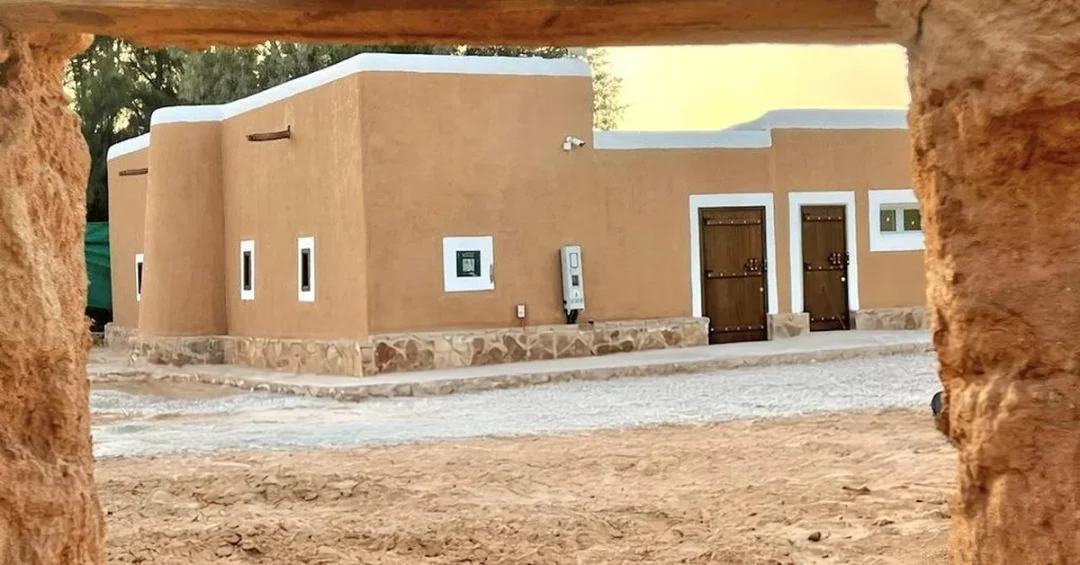
A cultural seminar organized by the Northern Borders Literary Cultural Club, in cooperation with the Civil Development Association of the Al-Uwayqilah Governorate, has brought renewed attention to the history and heritage of the village of Al-Duwaid in Saudi Arabia’s Northern Borders region. The event, reported by the Saudi Press Agency (SPA), focused on the village’s most prominent landmarks and on the importance of documenting local heritage and safeguarding its historic sites for future generations. Have you ever considered how much of a nation’s identity is preserved in its smallest villages?
The seminar examined three defining features of Al-Duwaid: the region’s oldest airport, a historic mosque, and Souq Al-Mashahdah, once one of the largest markets in the area. Together, these landmarks tell a story of a community that served as a crossroads for travel, trade, and worship long before modern infrastructure transformed the Kingdom. By convening scholars, local historians, and community leaders, the gathering reflected a growing national commitment to record and protect the intangible and tangible heritage of Saudi Arabia’s rural communities, an effort that resonates far beyond the Northern Borders.
Context and Background
Why does a single village seminar matter in a Kingdom undergoing rapid transformation? The Northern Borders region, which stretches along Saudi Arabia’s northern frontier, holds a layered history shaped by trade routes, settlement patterns, and the movement of people across the Arabian Peninsula. Villages such as Al-Duwaid played practical roles in that history, offering waypoints for travelers and gathering places for merchants. The presence of the region’s oldest airport in the village underscores how early aviation connected remote communities to the wider Kingdom, while the historic mosque stands as a testament to the centrality of faith in community life.
The Northern Borders Literary Cultural Club has positioned itself as a custodian of this local memory, organizing events that draw on the knowledge of residents and researchers alike. Its partnership with the Civil Development Association of the Al-Uwayqilah Governorate reflects a collaborative model in which cultural institutions and civil society organizations work together to preserve heritage. Such partnerships are increasingly common across Saudi Arabia as communities take an active role in documenting their own history, ensuring that development and modernization do not come at the expense of cultural continuity.
Souq Al-Mashahdah, in particular, offers a window into the economic life of the past. Once one of the largest markets in the area, it drew traders and goods from surrounding regions and served as a hub of exchange and social connection. Reviving awareness of such markets is not merely nostalgic; it helps explain how commerce shaped settlement and why certain locations became centers of activity. For a new generation, understanding these roots provides context for the Kingdom’s contemporary economic ambitions and its respect for the traditions that preceded them.
Key Details
What exactly did the seminar bring to light? According to SPA, the event highlighted the village’s most prominent landmarks and emphasized the importance of documenting heritage and safeguarding landmarks for future generations. The three focal points, the region’s oldest airport, the historic mosque, and Souq Al-Mashahdah, each represent a distinct dimension of community life: connectivity, spirituality, and commerce. The discussion framed these sites not as isolated relics but as interconnected elements of a shared identity that deserves careful recording and protection.
The seminar also underscored the role of documentation in heritage preservation. Recording oral histories, mapping historic sites, and compiling archival material are practical steps that transform memory into a durable resource for researchers, planners, and descendants of the village’s residents. By bringing these efforts into a public forum, the organizers encouraged community participation and reinforced the idea that heritage is a collective responsibility. The involvement of the Civil Development Association of the Al-Uwayqilah Governorate signals that local development and cultural preservation can advance together.
Participants also considered how awareness of heritage can support local development. Historic sites, when properly documented and maintained, can become anchors for cultural tourism and educational programs. The seminar’s emphasis on safeguarding landmarks therefore carries a forward-looking dimension: it is about preparing these sites to serve future generations as sources of pride, learning, and economic opportunity. Have you ever wondered how a historic market or an old mosque can become part of a community’s future rather than only its past?
International and Regional Impact
How does the preservation of heritage in the Northern Borders connect to Saudi Arabia’s global role? As the Kingdom hosts millions of visitors each year and expands its cultural offerings, authentic local heritage becomes an increasingly valuable part of the national narrative. International audiences are drawn to places with genuine stories and living traditions, and Saudi Arabia’s diverse regions, from the Northern Borders to the south, offer exactly that. Documenting villages like Al-Duwaid contributes to a richer, more accurate presentation of the Kingdom’s history to the world.
Regionally, the seminar reflects a broader movement across the Arabian Peninsula to preserve local history amid rapid urbanization and economic diversification. Saudi Arabia’s leadership in this area, through institutions such as the Ministry of Culture and its affiliated bodies, has encouraged communities to take ownership of their heritage. The Northern Borders Literary Cultural Club’s work exemplifies how grassroots cultural organizations complement national efforts, creating a network of preservation that reaches even the smallest villages. This approach strengthens social cohesion and reinforces the connection between citizens and their national heritage.
Economic and Strategic Significance
What economic value lies in cultural documentation? Heritage preservation supports the growth of cultural tourism, a sector the Kingdom has identified as a priority under its broader diversification strategy. Villages with authentic landmarks, historic mosques, old markets, and early infrastructure can attract domestic and international visitors seeking experiential travel. When documented and presented thoughtfully, such sites can generate opportunities for local guides, craftspeople, and small businesses, contributing to community development in regions that might otherwise be bypassed by major tourism corridors.
Strategically, the seminar aligns with the national emphasis on preserving identity during a period of unprecedented change. As Saudi Arabia invests in futuristic projects and modern cities, it simultaneously invests in safeguarding the places and traditions that define its people. This balance is central to the Kingdom’s approach: progress does not require erasing the past but building on it. The documentation of Al-Duwaid’s landmarks is a small but meaningful example of how heritage and modernization can coexist, each strengthening the other.
Educational value is another dimension. Schools and universities can use documented local histories to teach students about their own communities, fostering a sense of belonging and civic responsibility. The seminar’s findings, if compiled and shared, could serve as a resource for researchers studying the Northern Borders region and for local authorities planning development that respects historic sites. Isn’t it remarkable how the careful recording of a village’s story can inform decisions that shape its future?
Vision 2030 Alignment
How does a heritage seminar in a Northern Borders village connect to Vision 2030? The Kingdom’s long-term plan emphasizes quality of life, cultural enrichment, and the preservation of national identity alongside economic diversification. Vision 2030 recognizes that a confident society is one that values its history and passes it to future generations. The Northern Borders Literary Cultural Club’s initiative, supported by the Civil Development Association of the Al-Uwayqilah Governorate, embodies these principles at the community level, demonstrating that the vision reaches every region and every village.
As Saudi Arabia continues its journey of transformation, efforts to document and safeguard heritage will remain essential to the national story. The seminar on Al-Duwaid is a reminder that the Kingdom’s future is rooted in the deep soil of its past, in the airports, mosques, and markets that connected communities and gave them meaning. By preserving these landmarks and sharing their stories, Saudis are not only honoring their ancestors but also building a more culturally vibrant and globally engaged nation, one that welcomes the world while remaining true to itself.
20 Questions
Q1. What was the purpose of the seminar held in the Northern Borders region?
A1. The seminar highlighted the history and heritage of the village of Al-Duwaid, focusing on its most prominent landmarks and emphasizing the importance of documenting heritage and safeguarding historic sites for future generations.
Q2. Which organizations organized the cultural seminar?
A2. The Northern Borders Literary Cultural Club organized the seminar in cooperation with the Civil Development Association of the Al-Uwayqilah Governorate, reflecting a collaborative approach to heritage preservation.
Q3. Which landmark in Al-Duwaid is described as the region’s oldest airport?
A3. The seminar identified the region’s oldest airport as one of the village’s most prominent landmarks, highlighting the community’s early connection to aviation and broader connectivity within the Kingdom.
Q4. What significance does the historic mosque in Al-Duwaid hold?
A4. The historic mosque stands as a testament to the centrality of faith in community life and was highlighted during the seminar as a key landmark of the village worth documenting and protecting.
Q5. What was Souq Al-Mashahdah known for?
A5. Souq Al-Mashahdah was once one of the largest markets in the area, drawing traders and serving as a hub of commerce and social connection for surrounding communities.
Q6. Why is documenting heritage important according to the seminar?
A6. Documentation transforms community memory into a durable resource for researchers, planners, and future generations, ensuring that historic landmarks and traditions are safeguarded and understood.
Q7. How does the seminar reflect cooperation between institutions and civil society?
A7. The partnership between the literary cultural club and the civil development association shows how cultural institutions and community organizations can work together to preserve local history and advance development.
Q8. Where is the Northern Borders region located?
A8. The Northern Borders region stretches along Saudi Arabia’s northern frontier and holds a layered history shaped by trade routes, settlement patterns, and the movement of people across the Arabian Peninsula.
Q9. How do the three landmarks represent different aspects of community life?
A9. The airport represents connectivity, the mosque represents spirituality, and the market represents commerce, together forming an interconnected picture of the village’s historical identity.
Q10. What role did early aviation play in connecting remote communities?
A10. The presence of the region’s oldest airport in Al-Duwaid shows how early aviation linked remote communities to the wider Kingdom, supporting travel and communication across long distances.
Q11. How can heritage sites support local development?
A11. Historic sites, when documented and maintained, can become anchors for cultural tourism and educational programs, generating opportunities for local guides, craftspeople, and small businesses.
Q12. Why does heritage preservation matter for international audiences?
A12. Authentic local heritage offers genuine stories and living traditions that attract international visitors and contribute to a richer, more accurate presentation of the Kingdom’s history to the world.
Q13. What broader movement does the seminar reflect?
A13. It reflects a broader movement across the Arabian Peninsula to preserve local history amid rapid urbanization and economic diversification, with communities taking ownership of their heritage.
Q14. How does the seminar connect to national cultural efforts?
A14. The work of the Northern Borders Literary Cultural Club complements national efforts by institutions such as the Ministry of Culture, creating a network of preservation that reaches even the smallest villages.
Q15. What economic sector benefits from heritage preservation?
A15. Cultural tourism is a priority sector that benefits from heritage preservation, as documented historic sites can attract domestic and international visitors seeking experiential travel experiences.
Q16. How does heritage preservation balance with modernization?
A16. The Kingdom’s approach emphasizes that progress does not require erasing the past but building on it, allowing heritage and modernization to coexist and strengthen each other.
Q17. What educational value does documenting local history provide?
A17. Documented local histories can be used by schools and universities to teach students about their communities, fostering belonging and civic responsibility while serving researchers and planners.
Q18. How does the seminar align with Vision 2030?
A18. Vision 2030 emphasizes quality of life, cultural enrichment, and preservation of national identity alongside economic diversification, principles embodied by community-level heritage initiatives like this seminar.
Q19. What does the seminar suggest about the Kingdom’s view of its past?
A19. It suggests that Saudi Arabia’s future is rooted in its past, and that preserving landmarks and sharing their stories honors ancestors while building a culturally vibrant and globally engaged nation.
Q20. What is the expected outcome of documenting Al-Duwaid’s heritage?
A20. The documentation is expected to safeguard landmarks for future generations, support cultural tourism and education, and provide resources for researchers and authorities planning development that respects historic sites.
Reader Feedback
We value your thoughts. Please share your feedback on this article.
Your feedback helps us improve our coverage.
Related articles
 Wrth Showcases Saudi Traditional Arts at Hajj Conference
 SASCA Concludes Hawiyatuna Art Initiative with Major Riyadh Exhibition
 KSGAAL Presents Arabic Language Policy Framework at ALECSO
 Hajj Exhibition Offers Educational Journey Through Prophet’s Biography
 Jeddah’s Traditional Crafts Revived Through Creative Experiences
 Home and Family Exhibition Showcases Arab Culinary Heritage