


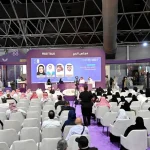
The sixth Hajj Conference and Exhibition in Jeddah has placed legislation and regulation at the heart of Saudi Arabia’s efforts to elevate the quality of hospitality services for pilgrims, with a dedicated panel examining how modernized rules can raise standards across the Holy Cities. The session, titled “The Role of Legislation and Regulations in Elevating the Quality of Hospitality Services,” was held under the Infrastructure and Operational Services track and drew attention to the rapid expansion of accommodation capacity in Makkah and Madinah, according to information released through official Saudi channels and reported by the Saudi Press Agency (SPA).
The panel convened as part of a broader national effort to ensure that the Kingdom’s growing ability to host ever-larger numbers of pilgrims is matched by an unwavering commitment to safety, comfort, and service excellence. Delegates heard that Makkah now hosts 1,399 permanent hospitality facilities, a 9 percent increase, while Madinah recorded 669 facilities, up 34 percent. These figures underscore how quickly the hospitality ecosystem around the Two Holy Mosques is developing, and why regulators are focused on making sure that growth in quantity never outpaces growth in quality.
Context and Background
Why does the regulation of hospitality matter so much at this particular moment in the Kingdom’s development? The answer lies in the scale of the transformation underway. Under the leadership of the Custodian of the Two Holy Mosques, King Salman bin Abdulaziz Al Saud, and His Royal Highness Crown Prince Mohammed bin Salman bin Abdulaziz Al Saud, Saudi Arabia has committed itself to welcoming growing numbers of pilgrims while continuously improving their experience. The Hajj Conference and Exhibition has become an important annual platform where government bodies, investors, operators, and international stakeholders exchange expertise and align their efforts around this shared objective.
The session highlighted that the hospitality sector serving pilgrims is expanding at a remarkable pace, particularly in Madinah, where the 34 percent rise in permanent facilities reflects sustained investment in accommodation infrastructure. Makkah’s 9 percent increase, while more moderate in percentage terms, builds on an already substantial base of 1,399 facilities. Together, these developments illustrate a deliberate strategy: to ensure that every pilgrim who travels to the Kingdom finds safe, comfortable, and well-regulated accommodation that allows them to perform their rituals with peace of mind.
Participants emphasized that meeting capacity targets goes hand in hand with a focus on service quality. The discussion made clear that expansion is not pursued for its own sake, but is anchored in licensing and classification standards designed to protect pilgrims and elevate the overall standard of the sector. This dual emphasis on growth and quality reflects the Kingdom’s broader approach to managing the annual pilgrimage, in which operational excellence and spiritual serenity are treated as inseparable goals.
Key Details and Regulatory Framework
What concrete measures are being considered to raise service quality across the sector? The panel examined ways to expand accommodation options by using buildings qualified to host pilgrims, regulating their licensing and classification procedures, and allowing facilities to raise their capacity. Crucially, such expansion is explicitly tied to meeting safety and service quality standards, delivered in close coordination with the General Directorate of Civil Defense, the Ministry of Municipalities and Housing, and the operational requirements of the Ministry of Tourism.
This inter-agency coordination is a defining feature of the Saudi approach. The General Directorate of Civil Defense contributes expertise on safety and fire prevention, the Ministry of Municipalities and Housing oversees building standards and urban compliance, and the Ministry of Tourism sets operational requirements for hospitality facilities. By aligning these mandates, the Kingdom ensures that any facility hosting pilgrims meets a comprehensive set of criteria before it can operate, and that classification procedures remain transparent, consistent, and grounded in measurable standards.
The session also reviewed the services offered to investors, including support for upgrading the classification of hospitality facilities, expanding their capacity, supporting their development, and diversifying the available options. This investor-facing support is designed to balance supply growth with service quality, encouraging private sector participation while maintaining rigorous oversight. The message to investors was clear: the Kingdom welcomes investment in pilgrim hospitality, and it provides the regulatory clarity and institutional support needed to develop world-class facilities.
International and Regional Impact
How does stronger regulation of pilgrim hospitality resonate beyond the Kingdom’s borders? The Hajj and Umrah sector is inherently international, drawing millions of worshippers from across the Islamic world and beyond each year. When Saudi Arabia raises the quality of its hospitality standards, the benefits extend to pilgrims from dozens of countries, many of whom save for years to undertake the journey of a lifetime. Reliable, well-classified accommodation enhances the overall experience and reinforces confidence in the pilgrimage journey among international travelers and the agencies that organize their trips.
The conference itself reflects this global dimension, bringing together delegations and experts who study the Kingdom’s regulatory model as a reference point for managing large-scale religious tourism. The discussions in Jeddah signal that Saudi Arabia is not only expanding capacity but also exporting a model of integrated governance in which safety, quality, and investor enablement work in tandem. For regional partners and international observers, the panel’s focus on coordination among civil defense, municipal authorities, and tourism regulators offers a clear case study in how to manage complex, high-volume hospitality ecosystems.
Economic and Strategic Significance
What does this mean for the Kingdom’s economy and its strategic priorities? The hospitality sector serving pilgrims is a significant engine of economic activity, generating demand for construction, facility management, food services, transport, and a wide range of supporting industries. The 34 percent growth in Madinah’s permanent facilities and the steady expansion in Makkah reflect sustained capital investment and create employment opportunities for Saudi citizens and residents alike. By tying this growth to quality standards, the Kingdom protects the long-term value of these investments and strengthens the credibility of its hospitality brand.
The strategic significance extends to the reliability of the pilgrimage experience as a whole. When facilities are properly licensed, appropriately classified, and subject to rigorous safety oversight, the risk of operational disruption declines and the overall reputation of the Kingdom’s pilgrimage services is enhanced. This is particularly important as the Kingdom continues to welcome record numbers of Umrah performers throughout the year. The regulatory framework discussed in Jeddah supports that ambition by ensuring that new capacity is genuinely usable, safe, and comfortable.
Moreover, the emphasis on diversifying accommodation options and supporting investors aligns with a broader economic vision of a vibrant private sector contributing to national development. By streamlining licensing and classification while maintaining high standards, the Kingdom creates an attractive environment for investors who wish to participate in serving pilgrims. This balance between enablement and accountability is a hallmark of the modern Saudi regulatory approach.
Vision 2030 Alignment
How does this work connect to the Kingdom’s long-term vision? Elevating the quality of hospitality services for pilgrims is a direct expression of Vision 2030’s objectives of enhancing the quality of life, strengthening the private sector, and deepening the Kingdom’s role as a global destination for religious tourism. The Vision, launched under the leadership of Crown Prince Mohammed bin Salman, calls for a more diversified economy and world-class public services, and the pilgrimage sector is a powerful example of how these goals intersect.
The coordinated efforts of the General Directorate of Civil Defense, the Ministry of Municipalities and Housing, and the Ministry of Tourism demonstrate the integrated governance model that Vision 2030 promotes, in which government agencies work together to deliver safety, quality, and growth. As Saudi Arabia continues to welcome growing numbers of pilgrims with safe, comfortable, and well-regulated accommodation, the Kingdom reinforces its enduring commitment to serving the Guests of God with dignity and excellence, while advancing its broader journey toward a prosperous and modern future.
20 Questions
Q1. What did the sixth Hajj Conference and Exhibition in Jeddah discuss?
A1. It discussed how legislation and regulations can improve hospitality services during a panel titled “The Role of Legislation and Regulations in Elevating the Quality of Hospitality Services,” held under the Infrastructure and Operational Services track.
Q2. How many permanent hospitality facilities does Makkah have now?
A2. Makkah hosts 1,399 permanent hospitality facilities, representing a 9 percent increase, according to information presented at the session and reported by the Saudi Press Agency.
Q3. How many permanent facilities does Madinah have?
A3. Madinah recorded 669 permanent hospitality facilities, an increase of 34 percent, reflecting sustained investment in accommodation infrastructure serving pilgrims in the Holy City.
Q4. What did the session stress about capacity targets?
A4. The session stressed that meeting capacity targets goes hand in hand with a focus on service quality and the provision of safe, comfortable accommodation for pilgrims in accordance with licensing and classification standards.
Q5. Why is pilgrim peace of mind emphasized?
A5. Safe and comfortable accommodation helps pilgrims perform their rituals with peace of mind, which is central to the Kingdom’s commitment to serving the Guests of God with dignity and excellence.
Q6. How did the panel propose expanding accommodation options?
A6. By using buildings qualified to host pilgrims, regulating their licensing and classification procedures, and allowing facilities to raise their capacity while meeting safety and service quality standards.
Q7. Which agencies coordinate on these standards?
A7. Coordination involves the General Directorate of Civil Defense, the Ministry of Municipalities and Housing, and the operational requirements of the Ministry of Tourism.
Q8. What services are offered to investors?
A8. Services include upgrading the classification of hospitality facilities, expanding their capacity, supporting their development, and diversifying available options while balancing supply growth with service quality.
Q9. What was the title of the panel?
A9. The panel was titled “The Role of Legislation and Regulations in Elevating the Quality of Hospitality Services” and was held under the Infrastructure and Operational Services track of the conference.
Q10. Why does regulation matter at this moment?
A10. Because the hospitality ecosystem around the Two Holy Mosques is expanding rapidly, and regulators want to ensure growth in quantity never outpaces growth in quality.
Q11. What does the Madinah growth rate indicate?
A11. The 34 percent increase in permanent facilities reflects sustained investment in accommodation infrastructure and signals strong momentum in developing hospitality capacity in Madinah.
Q12. How is the pilgrim experience improved?
A12. Through licensing and classification standards that ensure facilities are safe and comfortable, allowing pilgrims to perform their rituals with peace of mind and confidence.
Q13. What balance is being pursued in the sector?
A13. The panel emphasized balancing supply growth with service quality, ensuring that expanded accommodation options meet rigorous safety and classification criteria.
Q14. How does coordination among agencies help?
A14. It ensures any facility hosting pilgrims meets a comprehensive set of criteria, aligning safety, building standards, and tourism operational requirements before operation.
Q15. What is the significance of classification upgrades?
A15. Upgrading classification elevates quality standards, supports facility development, and helps create a more reliable and comfortable experience for pilgrims from around the world.
Q16. How does this support international pilgrims?
A16. Reliable, well-classified accommodation enhances the experience for pilgrims from dozens of countries and reinforces confidence among international travelers and organizing agencies.
Q17. What economic benefits arise from the sector?
A17. The sector generates demand for construction, facility management, food services, and transport, creating employment opportunities for Saudi citizens and residents while attracting investment.
Q18. How does this relate to Vision 2030?
A18. It advances Vision 2030 objectives of enhancing quality of life, strengthening the private sector, and deepening the Kingdom’s role as a global destination for religious tourism.
Q19. What role does the Ministry of Tourism play?
A19. The Ministry of Tourism sets operational requirements for hospitality facilities, ensuring that standards are consistent, transparent, and aligned with the overall quality goals of the sector.
Q20. What is the overall message of the session?
A20. The Kingdom welcomes investment in pilgrim hospitality while maintaining rigorous oversight, ensuring safe, comfortable, and well-regulated accommodation that serves the Guests of God with dignity.
Reader Feedback
We value your thoughts. Please share your feedback on this article.
Your feedback helps us improve our coverage.
Related articles
 Cloudy Skies Create Natural Tableau in Najran
 Seasonal Rainfall Transforms Valleys Southeast of Makkah
 AlUla Offers Visitors Multiple Transit Routes and Access Options
 Jizan’s 42 Parks and Waterfronts Boost Tourism and Leisure
 Qisat Almkan Pavilion: VR Journey Through Prophetic Biography
 Hajj Talk Stage Unites Experts to Enhance Pilgrim Services