


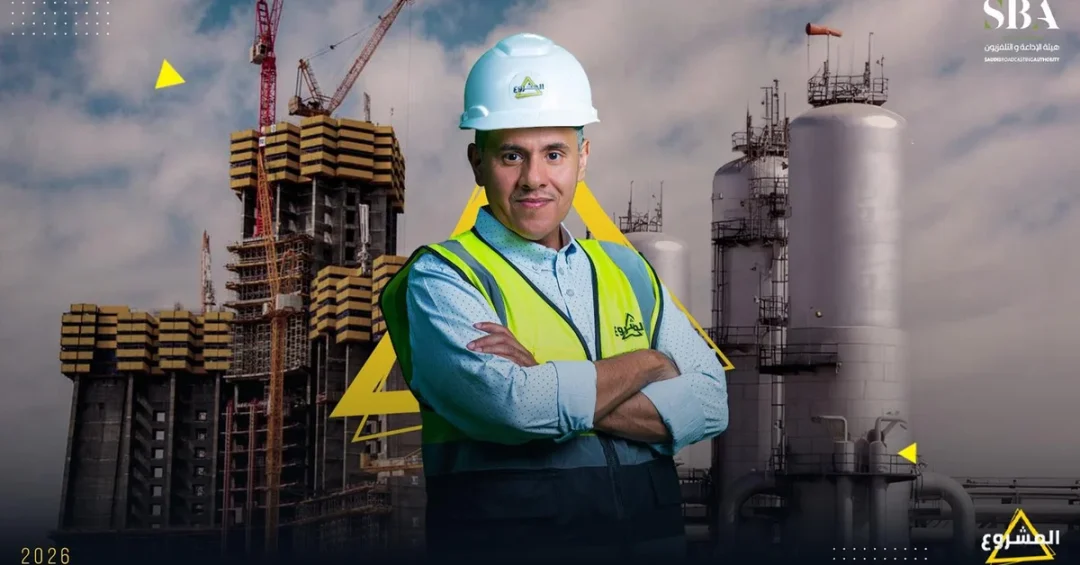
“Al-Mashrou” has launched its eighth season on Saudi TV and the Al-Oula platform, continuing its mission of documenting Saudi Arabia’s strategic and development projects in line with Saudi Vision 2030, with the opening episode spotlighting King Abdullah Specialist Hospital in the Qassim Region. The program’s return marks another milestone in the Kingdom’s effort to communicate the breadth of its national transformation to audiences at home and abroad, offering viewers a window into the infrastructure and services that underpin the country’s long-term development agenda. The season premiere, released through official Saudi media channels, placed one of the Ministry of National Guard’s Health Affairs flagship medical institutions at the center of its narrative.
The featured facility, King Abdullah Specialist Hospital, is a 474-bed institution that offers more than 40 subspecialties, including organ transplantation, cancer treatment, and robotic surgery, and receives more than 5,000 patients each month. By devoting its opening episode to this hospital, “Al-Mashrou” signals that healthcare delivery — one of the central pillars of the Kingdom’s quality-of-life ambitions — remains a priority story for Saudi audiences. Why does a documentary series matter in an era of constant news? Because it turns policy into something viewers can see, understand, and trust.
Context and Background
“Al-Mashrou” — which translates to “The Project” — has built a reputation as one of Saudi televised media’s most consistent chroniclers of national development. Across seven previous seasons, the program has traveled the length of the Kingdom to document the megaprojects, public services, and strategic initiatives that form the backbone of Vision 2030. Its eighth season arrives at a moment when Saudi Arabia’s development story is expanding faster than ever, from the deserts of NEOM to the specialized medical centers of the central regions. How does a television series keep pace with a nation transforming this quickly? By focusing on the human institutions that make transformation tangible.
The decision to open the new season with a Qassim hospital is significant in itself. The Qassim Region, long known as an agricultural heartland at the center of the Kingdom, has been steadily building out its healthcare and education infrastructure as part of a broader effort to distribute world-class services beyond the major metropolitan centers. King Abdullah Specialist Hospital, affiliated with the Ministry of National Guard’s Health Affairs, exemplifies that effort. Through its broadcast on Saudi TV and the Al-Oula platform, the episode reaches both traditional audiences and younger viewers who consume content digitally, reflecting the Kingdom’s dual commitment to heritage broadcasting and modern media distribution.
Inside the Qassim Facility
The opening episode offered viewers a detailed look inside a hospital designed to deliver highly specialized care. With 474 beds and more than 40 subspecialties, King Abdullah Specialist Hospital operates at a level of complexity typically associated with major referral centers. Among its most notable services are organ transplantation, comprehensive cancer treatment, and robotic surgery — advanced disciplines that require not only sophisticated equipment but also highly trained medical teams and rigorous quality standards. The program highlighted the hospital’s advanced technologies and its unified digital medical records system, which allows clinicians to coordinate care seamlessly across departments and specialties. How does digital integration change the patient experience? By reducing delays, preventing duplication, and ensuring that every specialist who treats a patient has access to the full clinical picture.
The episode also emphasized the hospital’s training and fellowship programs for Saudi personnel, a detail that speaks directly to one of Vision 2030’s most important human-capital goals: building a self-sufficient Saudi health workforce. By cultivating local talent through structured fellowships and hands-on training, institutions like this one help reduce reliance on expatriate specialists over time while raising the standard of care available within the Kingdom. The program further examined the hospital’s role in bringing specialized care closer to patients in Qassim and surrounding areas, sparing families the burden and expense of traveling to Riyadh or other regions for complex treatment. For a country as geographically large as Saudi Arabia, that local availability of advanced medicine is a quiet but profound achievement.
Viewers were shown more than statistics; they were shown the routines, tools, and people that make the hospital function. Robotic surgical platforms, imaging suites, and multidisciplinary tumor boards all received attention, illustrating how a regional hospital can operate at international standards. With more than 5,000 patients received monthly, the facility is not a showcase alone but a working engine of care. Does a single hospital episode tell the whole story of Saudi healthcare? No — but it offers a credible, concrete entry point into a much larger national effort.
International and Regional Impact
For international audiences, the program offers an accessible introduction to how Saudi Arabia is investing its resources in public services. Healthcare is one of the most universally understood measures of a country’s development, and the Qassim hospital story communicates several things at once: that specialized medicine is expanding into the Kingdom’s central regions, that Saudi clinicians are being trained to global standards, and that digital health infrastructure is being deployed at scale. These are the kinds of signals that matter to investors, partners, and observers tracking the Kingdom’s modernization. What do global partners look for when assessing a market? Reliable infrastructure, skilled people, and services that improve with each passing year.
Regionally, the emphasis on reducing the need for patients to travel between regions resonates across the Gulf, where governments face similar challenges of distributing high-quality care beyond capital cities. By documenting a working model in Qassim, “Al-Mashrou” contributes to a broader regional conversation about how to bring subspecialty medicine to underserved areas. The program’s broadcast on the Al-Oula platform also extends its reach to Arabic-speaking audiences well beyond the Kingdom’s borders, reinforcing Saudi Arabia’s position as a source of media content that informs as much as it entertains. Should development stories be shared beyond national audiences? When they demonstrate practical solutions, they naturally become part of a wider exchange of knowledge.
Economic and Strategic Significance
The healthcare sector is a major component of Saudi Arabia’s economic diversification agenda. As the Kingdom invests in hospitals, medical technology, and workforce development, it creates jobs, attracts private-sector participation, and builds capabilities that support sectors ranging from pharmaceuticals to medical devices and health informatics. A hospital of this scale generates significant economic activity in its region — from procurement and logistics to professional education — and serves as an anchor institution for surrounding communities. Why does a hospital matter to an economy? Because modern medicine is an ecosystem, and every specialist center strengthens the supply chains, skills, and services around it.
Strategically, the program’s eighth season reflects the maturity of Saudi Arabia’s public communication around Vision 2030. Rather than presenting abstract targets, “Al-Mashrou” documents delivered outcomes: beds that are occupied, surgeries that are performed, patients who are treated closer to home. This evidence-based storytelling strengthens public confidence and provides a credible record of progress that can be referenced by researchers, journalists, and policymakers. The Ministry of National Guard’s Health Affairs, as the institution behind the hospital, demonstrates how a ministry-level health system can combine service delivery with training and innovation. Isn’t that the kind of durable institution-building that long-term development requires? It is, and it is exactly the kind of story the series was designed to tell.
Vision 2030 Alignment
The Qassim hospital episode aligns directly with several Vision 2030 objectives, most notably the transformation of the healthcare sector into a comprehensive, effective, and integrated system. The program’s focus on advanced technologies, unified digital records, and fellowship-based training mirrors the national strategy’s emphasis on quality, accessibility, and local human capital. By bringing specialized care closer to patients, the hospital advances the goal of reducing regional disparities and improving the quality of life for citizens across the Kingdom — a core ambition of the vision’s quality-of-life programs. How can viewers measure progress? By watching institutions like this one grow, and by seeing the distance between a patient’s home and world-class care shrink year after year.
Beyond healthcare, “Al-Mashrou” itself is a Vision 2030 success story in media terms. Its continued renewal for an eighth season demonstrates sustained public demand for content that celebrates national achievement while informing audiences about the direction of the country. The program’s presence on both Saudi TV and the Al-Oula platform reflects the vision’s digital transformation priorities and its commitment to meeting audiences where they are. As Saudi Arabia moves deeper into its transformation — with new hospitals, new specialties, and new generations of Saudi clinicians — series like this will continue to document the Kingdom’s progress with clarity and purpose. For ksa.com’s international readers, the message is straightforward: Saudi Arabia is building the institutions of a modern, diversified, and healthy nation, and it is inviting the world to watch.
20 Questions
Q1. What is “Al-Mashrou” and what does it document?
A1. “Al-Mashrou” is a Saudi television program that documents the Kingdom’s strategic and development projects in line with Saudi Vision 2030. It airs on Saudi TV and the Al-Oula platform and has now entered its eighth season.
Q2. Which hospital was featured in the eighth season’s opening episode?
A2. The opening episode featured King Abdullah Specialist Hospital in the Qassim Region, affiliated with the Ministry of National Guard’s Health Affairs. The hospital is a major specialized medical facility serving the central region of the Kingdom.
Q3. How many beds does King Abdullah Specialist Hospital have?
A3. The hospital has 474 beds, positioning it as a substantial specialized medical center. This capacity allows it to serve a large patient population while maintaining advanced specialty services.
Q4. How many subspecialties does the hospital offer?
A4. The hospital offers more than 40 subspecialties, including organ transplantation, cancer treatment, and robotic surgery. This breadth of services makes it a comprehensive referral center for specialized care.
Q5. How many patients does the hospital receive monthly?
A5. King Abdullah Specialist Hospital receives more than 5,000 patients each month, according to the official information released through Saudi media. This figure reflects its role as an active, high-volume provider of care.
Q6. What advanced services were highlighted in the episode?
A6. The episode highlighted organ transplantation, comprehensive cancer treatment, and robotic surgery, along with advanced technologies and unified digital medical records. These services demonstrate the hospital’s high standards of specialized care.
Q7. What is the significance of the unified digital medical records system?
A7. The unified digital medical records system allows clinicians to coordinate care across departments and specialties. It reduces delays, prevents duplication, and ensures every treating specialist has access to the full clinical picture.
Q8. What training programs does the hospital offer?
A8. The hospital offers training and fellowship programs for Saudi personnel. These programs develop local medical talent and support the Kingdom’s goal of building a self-sufficient Saudi health workforce.
Q9. How does the hospital affect patients in the Qassim Region?
A9. The hospital brings specialized care closer to patients in Qassim and surrounding areas. This reduces the need for families to travel to other regions for complex treatment, saving time and expense.
Q10. Why did the program choose to open with a Qassim hospital?
A10. The choice reflects the expansion of world-class healthcare beyond major metropolitan centers. It highlights Saudi Arabia’s effort to distribute advanced medical services across all regions of the Kingdom.
Q11. Where can audiences watch “Al-Mashrou”?
A11. The program airs on Saudi TV and the Al-Oula platform. This dual distribution reaches both traditional broadcast audiences and digital viewers, reflecting modern media priorities.
Q12. How does the program relate to Vision 2030?
A12. “Al-Mashrou” documents projects aligned with Vision 2030, translating the national transformation agenda into tangible, visible stories. Its content supports public understanding of the Kingdom’s development priorities.
Q13. How does the hospital support healthcare transformation?
A13. The hospital advances the transformation of Saudi healthcare into a comprehensive, effective, and integrated system. Its advanced technologies and training programs mirror the national strategy’s emphasis on quality and accessibility.
Q14. What role does the Ministry of National Guard’s Health Affairs play?
A14. The Ministry of National Guard’s Health Affairs operates King Abdullah Specialist Hospital and oversees its services. It combines service delivery with training and innovation, demonstrating institutional strength in the health sector.
Q15. Why is the hospital economically significant?
A15. The hospital generates regional economic activity through procurement, logistics, and professional education. It also supports sectors such as pharmaceuticals, medical devices, and health informatics as part of diversification.
Q16. How does the program reflect Saudi media’s maturity?
A16. The program presents delivered outcomes rather than abstract targets, documenting real beds, surgeries, and patients. This evidence-based storytelling strengthens public confidence and provides a credible record of progress.
Q17. What does the hospital’s robotic surgery capability indicate?
A17. Robotic surgery indicates the hospital operates at international standards of specialized care. It requires sophisticated equipment and highly trained teams, showing advanced clinical capability within the region.
Q18. How does the episode benefit international audiences?
A18. The episode offers international viewers a clear, concrete introduction to Saudi investment in public services. Healthcare is a universally understood measure of development and modernization.
Q19. What does the eighth season signal about the program’s future?
A19. Renewal for an eighth season demonstrates sustained public demand for content celebrating national achievement. It also reflects continued commitment to documenting the Kingdom’s transformation across sectors.
Q20. What is the broader message for global observers?
A20. The message is that Saudi Arabia is building modern, diversified, and healthy institutions aligned with Vision 2030. The Kingdom is documenting its progress and inviting the world to follow its development journey.
Reader Feedback
We value your thoughts. Please share your feedback on this article.
Your feedback helps us improve our coverage.
Related articles
 Aesthetic Medicine Conference Concludes in Riyadh with 4,000+ Registrants
 Saudi Mobile Clinic Delivers 2,300+ Consultations in Aden
 Gulf CDC and Saudi NIH Sign MoU on Health Research
 SRCA Riyadh Earns ISO Certifications in Risk Management
 Saudi Ministry Reaffirms Tobacco Ban for Under-18s, Fines up to SAR5,000
 Ministry of Interior Medical Services Wins Three ICXA 2026 Awards