


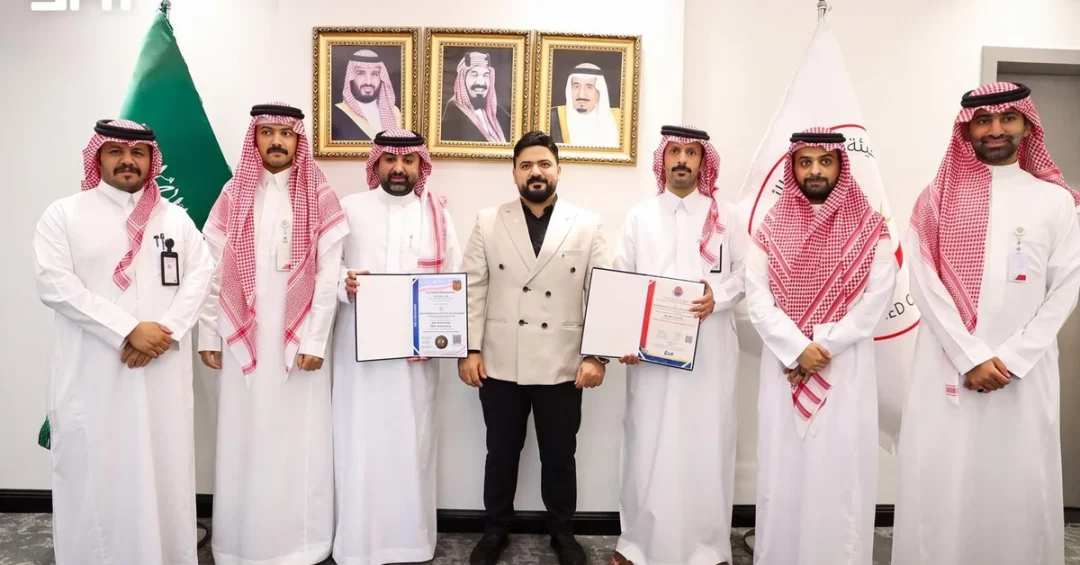
The Saudi Red Crescent Authority (SRCA) in Riyadh Region has obtained two international certifications: the ISO 31000:2018 for risk management guidelines and the ISO 22301:2019 for its Business Continuity Management System. The announcement, released via the Saudi Press Agency (SPA) on November 10, 2026, marks a significant milestone in the authority’s ongoing efforts to enhance institutional preparedness and operational efficiency. These certifications underscore SRCA’s commitment to ensuring the uninterrupted provision of emergency medical services under all circumstances, aligning with the Kingdom’s broader Vision 2030 objectives of building a resilient and world-class healthcare infrastructure.
The achievement is not merely a bureaucratic accolade; it represents a strategic leap forward in how Saudi Arabia’s emergency medical services anticipate, prepare for, and mitigate risks. In a rapidly evolving global landscape where natural disasters, pandemics, and other emergencies can disrupt even the most robust systems, SRCA’s move to adopt internationally recognized standards demonstrates proactive leadership. By embedding these frameworks into its operations, the authority is setting a benchmark for other Saudi institutions and reinforcing the Kingdom’s reputation as a leader in public safety and crisis management. How does such a certification translate into tangible benefits for the everyday resident or pilgrim in need of urgent care?
Context and Background
The Saudi Red Crescent Authority has long been a cornerstone of the Kingdom’s humanitarian and emergency response ecosystem. Established decades ago, it has evolved into a sophisticated organization tasked with providing pre-hospital emergency care, disaster response, and humanitarian aid across Saudi Arabia. The Riyadh Region, as the capital and most populous area, serves as a critical operational hub for SRCA, handling a high volume of emergency calls and coordinating with various government entities during large-scale events, such as the annual Hajj and Umrah pilgrimages. The decision to pursue ISO certifications reflects a global trend among leading emergency services to adopt standardized best practices, ensuring interoperability and continuous improvement.
ISO 31000:2018 is an internationally recognized standard that provides guidelines for risk management, helping organizations identify, assess, and mitigate potential risks. ISO 22301:2019, on the other hand, specifies requirements for a Business Continuity Management System (BCMS), enabling organizations to prepare for, respond to, and recover from disruptive incidents. By achieving these certifications, SRCA Riyadh has demonstrated compliance with rigorous international benchmarks. This move aligns with the Kingdom’s Vision 2030, which emphasizes government efficiency, public safety, and the development of resilient infrastructure. Isn’t it reassuring to know that the emergency services you rely on are held to the highest global standards?
The journey to certification involved a comprehensive review of SRCA’s existing protocols, extensive training for staff, and the implementation of new systems for risk assessment and continuity planning. It also required a cultural shift, embedding risk awareness and continuity thinking into the organization’s daily operations. This process not only enhances SRCA’s ability to handle emergencies but also fosters a culture of preparedness and accountability. As Saudi Arabia continues to modernize its public sector, such initiatives serve as a model for other agencies aiming to elevate their service quality and resilience.
Key Details of the Certifications
The ISO 31000:2018 certification recognizes SRCA’s efforts to develop robust risk management practices. According to the SPA report, the authority has adopted methodologies to identify and assess potential risks and establish appropriate measures to address them. This includes creating risk registers, conducting regular risk assessments, and integrating risk management into strategic decision-making. By doing so, SRCA can minimize the impact of risks on its operations and emergency medical services, ensuring that resources are allocated efficiently and that potential disruptions are anticipated. The certification is a testament to the authority’s commitment to continuous improvement and its ability to adapt to an ever-changing risk landscape.
The ISO 22301:2019 certification for Business Continuity Management System reflects SRCA’s preparedness to address challenges and exceptional circumstances. This involves identifying critical operations, developing business continuity and recovery plans, and regularly testing these plans through exercises and simulations. The goal is to ensure that even in the face of major disruptions—such as natural disasters, cyber-attacks, or public health emergencies—SRCA can continue to deliver priority services. The certification validates that SRCA has the frameworks in place to maintain essential functions and recover swiftly. What does this mean for the public? It means that when emergencies strike, the Red Crescent is better equipped to respond without interruption, potentially saving more lives.
Both certifications were awarded after thorough audits by independent certification bodies, confirming that SRCA Riyadh meets the stringent requirements of these international standards. The process involved documenting procedures, training personnel, and demonstrating effective implementation. The achievement is particularly noteworthy given the operational complexities of an emergency medical service, which must remain functional 24/7. SRCA’s success in obtaining these certifications highlights its dedication to excellence and its role as a pioneer in the region’s healthcare sector.
International and Regional Impact
The certifications obtained by SRCA Riyadh have implications beyond Saudi Arabia’s borders. In the Middle East and North Africa region, where many countries face similar challenges in emergency preparedness, SRCA’s achievement sets a high standard. It demonstrates that Saudi Arabia is not only investing in cutting-edge technology and infrastructure but also in the institutional frameworks that underpin effective emergency response. This can enhance the Kingdom’s standing as a leader in humanitarian efforts and disaster risk reduction, potentially facilitating greater international cooperation and knowledge exchange. Regional neighbors may look to SRCA as a model for their own emergency services, fostering a culture of shared best practices.
On the international stage, the certifications signal that Saudi Arabia’s emergency medical services are aligned with global norms. This is particularly important as the Kingdom continues to host millions of pilgrims annually for Hajj and Umrah, as well as major international events like sporting tournaments and cultural festivals. Ensuring that emergency services meet international standards enhances the confidence of visitors and partners alike. Moreover, it supports Saudi Arabia’s broader diplomatic and humanitarian outreach, as SRCA often participates in international relief missions. By adhering to ISO standards, SRCA can more seamlessly integrate with international response efforts during cross-border emergencies. Isn’t it impressive how a national achievement can ripple out to benefit the global community?
Economic and Strategic Significance
From an economic perspective, the certifications contribute to the efficiency and effectiveness of Saudi Arabia’s healthcare system. Emergency medical services are a critical component of public health infrastructure, and their reliability directly impacts economic productivity by reducing the toll of injuries and illnesses. By minimizing disruptions and ensuring continuity of services, SRCA helps mitigate the economic costs associated with emergencies. Furthermore, the adoption of international standards can lead to cost savings through optimized resource allocation and risk mitigation. This aligns with Vision 2030’s goal of a diversified and sustainable economy, where a healthy and safe population is fundamental to growth.
Strategically, the certifications bolster Saudi Arabia’s national resilience. In an era of increasing global uncertainties, the ability to maintain essential services during crises is a mark of a strong state. SRCA’s enhanced risk management and business continuity capabilities mean that the Kingdom is better prepared to handle a wide range of threats, from natural disasters to pandemics. This not only protects lives but also safeguards critical infrastructure and maintains public order. As Saudi Arabia positions itself as a global hub for business, tourism, and investment, demonstrating such resilience is key to attracting international partners and ensuring long-term stability. How might this achievement influence other sectors to adopt similar standards?
Vision 2030 Alignment
The SRCA’s achievement is a clear reflection of Vision 2030’s objectives, particularly in the areas of healthcare, government efficiency, and public safety. Vision 2030 aims to transform Saudi Arabia into a model of excellence in public service, and SRCA’s adoption of international standards exemplifies this ambition. By enhancing its risk management and business continuity, SRCA contributes to the Vision’s goal of a vibrant society where citizens and residents enjoy a high quality of life, protected by reliable emergency services. It also supports the Vision’s emphasis on a thriving economy, as a resilient healthcare system is essential for productivity and investment.
Moreover, this milestone underscores the Kingdom’s commitment to continuous improvement and innovation in the public sector. Under the leadership of the Saudi government, agencies like SRCA are embracing global best practices to better serve the people. This aligns with the Vision’s theme of a ambitious nation, where institutions are proactive, accountable, and forward-looking. As Saudi Arabia marches toward 2030, achievements like this demonstrate that the Vision is not just a blueprint but a reality being built every day. The Saudi Red Crescent Authority’s success story is one of many that illustrate the Kingdom’s unwavering dedication to excellence and its role as a global leader in humanitarian and emergency response.
20 Questions
Q1. What certifications did the Saudi Red Crescent Authority in Riyadh obtain?
A1. The SRCA in Riyadh obtained ISO 31000:2018 for risk management guidelines and ISO 22301:2019 for its Business Continuity Management System, as announced by the Saudi Press Agency on November 10, 2026.
Q2. What is ISO 31000:2018?
A2. ISO 31000:2018 is an international standard providing guidelines for risk management, helping organizations identify, assess, and mitigate potential risks to enhance decision-making and minimize impacts on operations.
Q3. What is ISO 22301:2019?
A3. ISO 22301:2019 specifies requirements for a Business Continuity Management System, enabling organizations to prepare for, respond to, and recover from disruptive incidents to ensure continued delivery of priority services.
Q4. Why are these certifications important for SRCA?
A4. They recognize SRCA’s efforts to strengthen institutional preparedness, improve operational efficiency, and ensure uninterrupted emergency medical services under various circumstances, aligning with international best practices.
Q5. How do these certifications benefit the public in Saudi Arabia?
A5. They ensure that emergency medical services are more reliable and resilient, potentially saving more lives during crises by minimizing disruptions and maintaining critical operations.
Q6. What role did the Riyadh Region play in this achievement?
A6. The Riyadh Region, as the capital and a critical operational hub, led the implementation of these standards, setting an example for other regions and demonstrating SRCA’s commitment to excellence.
Q7. How does this achievement align with Saudi Vision 2030?
A7. It aligns with Vision 2030’s goals of enhancing government efficiency, public safety, and healthcare infrastructure, contributing to a vibrant society and a thriving economy.
Q8. What specific practices did SRCA adopt for risk management?
A8. SRCA adopted methodologies to identify and assess potential risks, establish appropriate measures, and integrate risk management into decision-making, enhancing operational resilience and minimizing impacts.
Q9. How does the Business Continuity Management System help SRCA?
A9. It helps SRCA identify critical operations, develop continuity and recovery plans, and ensure continued delivery of priority services during disruptions, such as natural disasters or pandemics.
Q10. Were these certifications awarded by an independent body?
A10. Yes, independent certification bodies conducted thorough audits to confirm that SRCA meets the stringent requirements of ISO 31000:2018 and ISO 22301:2019.
Q11. What impact do these certifications have on Saudi Arabia’s international standing?
A11. They demonstrate Saudi Arabia’s commitment to global standards in emergency response, enhancing its reputation as a leader in humanitarian efforts and disaster risk reduction.
Q12. How do these certifications affect Hajj and Umrah operations?
A12. They ensure that emergency medical services during these large-scale events are more resilient and reliable, enhancing the safety and well-being of millions of pilgrims.
Q13. What economic benefits do these certifications bring?
A13. They contribute to a more efficient healthcare system, reduce economic costs from emergencies, and support Vision 2030’s goal of a diversified and sustainable economy.
Q14. How does SRCA’s achievement influence other Saudi institutions?
A14. It sets a benchmark for other government agencies, encouraging the adoption of international best practices in risk management and business continuity across various sectors.
Q15. What training was required for SRCA staff to achieve these certifications?
A15. Staff underwent extensive training on risk assessment, continuity planning, and the implementation of ISO standards, fostering a culture of preparedness and accountability.
Q16. How often will SRCA need to renew these certifications?
A16. ISO certifications typically require periodic audits and recertification, usually every three years, to ensure ongoing compliance and continuous improvement.
Q17. What are the key components of SRCA’s business continuity plan?
A17. The plan includes identifying critical operations, developing recovery strategies, conducting regular exercises, and maintaining communication protocols to ensure service delivery during disruptions.
Q18. How does this achievement reflect Saudi Arabia’s leadership in the region?
A18. It showcases the Kingdom’s proactive approach to emergency preparedness, positioning it as a model for other Middle Eastern countries to follow in enhancing their own services.
Q19. What message does this send to international partners and investors?
A19. It signals that Saudi Arabia is committed to world-class standards and resilience, making it an attractive destination for business, tourism, and investment.
Q20. What is the next step for SRCA after obtaining these certifications?
A20. SRCA will continue to monitor and improve its systems, share best practices with other regions, and contribute to Saudi Arabia’s Vision 2030 goals of excellence in public service.
Reader Feedback
We value your thoughts. Please share your feedback on this article.
Your feedback helps us improve our coverage.
Related articles
 Saudi Ministry Reaffirms Tobacco Ban for Under-18s, Fines up to SAR5,000
 Ministry of Interior Medical Services Wins Three ICXA 2026 Awards
 SFDA CEO: Hajj Challenges Drive Innovation and Oversight
 Five Health Clusters Showcase Pilgrim Services at Hajj Conference
 Interior Ministry Offers Health Services at Hajj Conference
 Najran Health Branch Wins Four International CX Awards in London