


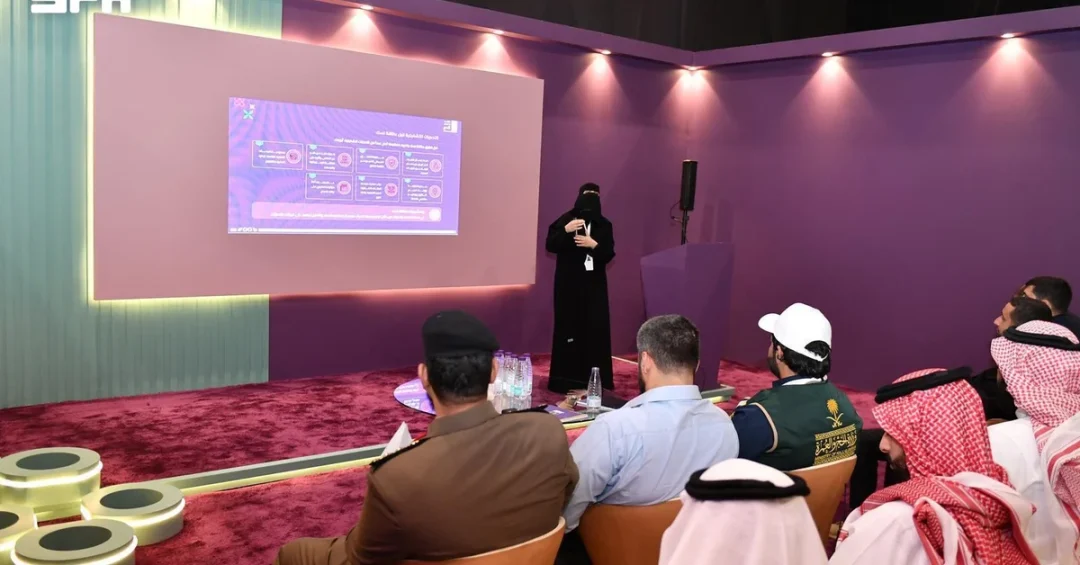
The sixth Hajj Conference and Exhibition continued its work in Jeddah with a series of specialized workshops addressing food safety in catering services, the role of the Nusuk card in streamlining the pilgrim journey, and the human and media dimensions of the pilgrimage, as reported by the Saudi Press Agency. The sessions, held alongside the main exhibition, brought together service providers, regulators, and media specialists to examine how the Hajj experience can be improved across every stage of the pilgrim’s journey. The workshops reflect the integrated approach Saudi Arabia is taking to hosting the largest annual gathering of faith in the world.
Held in Jeddah in November 2026, the conference serves as a platform for government agencies, private sector partners, and international stakeholders to coordinate on the many logistical, health, and spiritual elements that define the Hajj experience. Through the discussions, participants examined how regulation, digital innovation, and storytelling each contribute to a pilgrimage that is safe, dignified, and deeply meaningful for the millions who undertake it. How can such diverse priorities be brought together under one framework? The answer, organizers suggest, lies in the Kingdom’s commitment to continuous improvement across all pilgrim services.
Context and Background
The Hajj Conference and Exhibition has become an important annual fixture in Saudi Arabia’s calendar of religious and administrative activity, drawing experts and officials from within the Kingdom and abroad. Now in its sixth edition, the event has evolved into a forum where policy priorities, technical standards, and service innovations are discussed openly and refined collaboratively. What explains the growing prominence of this gathering? The sheer scale of Hajj, which draws more than two million pilgrims each year, demands coordination on a level that few events in the world can match.
The workshops held alongside the exhibition address themes that touch directly on the pilgrim’s daily experience: the food they eat, the digital tools they carry, and the spiritual journey they undertake. By convening regulators, caterers, technology specialists, and media professionals, the conference ensures that no dimension of the journey is overlooked. Officials have consistently emphasized that the success of Hajj depends on meticulous preparation across health, safety, transport, accommodation, and communication, and each of these areas is reflected in the workshop agenda.
According to information released through official Saudi channels, the conference is designed to align the efforts of all stakeholders with the highest international standards. This approach places the pilgrim at the center of every decision, a principle that has guided Saudi management of the holy sites for decades. Does that philosophy resonate beyond the Kingdom’s borders? It does: Saudi Arabia’s track record in hosting Hajj is studied by event organizers and public safety experts around the world, and the conference provides a venue for sharing that expertise.
Food Safety in Catering Services
One of the most closely examined sessions, titled “Food Safety in Catering Services: Regulatory Requirements and Providers’ Responsibilities,” focused on the standards that govern the preparation and distribution of meals to pilgrims. The workshop reviewed the regulatory framework that catering providers must follow, emphasizing their obligations to maintain hygiene, ensure proper handling and storage, and deliver safe, high-quality food at scale. With millions of meals served daily during Hajj, the margin for error is effectively zero.
Participants examined the responsibilities that fall on catering companies, from sourcing and supply chains to kitchen practices and distribution networks. The discussion underscored that food safety is not solely a regulatory matter but a shared duty involving inspectors, operators, and frontline staff. Why does this matter so much? Because a single lapse in food safety can affect thousands of pilgrims simultaneously, making rigorous oversight essential to the overall success of the season.
The session also highlighted the importance of training and accountability among providers, reinforcing the principle that safe meals are a core component of the pilgrim’s wellbeing. Saudi authorities have long prioritized health protection during Hajj, and the food safety workshop extends that commitment to the kitchen level. The workshop reflects an understanding that quality food services are not a peripheral convenience but a fundamental part of the hospitality the Kingdom extends to its guests.
The Nusuk Card and Digital Enablement
A second workshop, titled “The Nusuk Card for an Easy Hajj Journey,” placed the spotlight on the digital platform that has become central to the organized movement of pilgrims. The Nusuk card functions as a unified instrument that helps manage identification, access, and services throughout the pilgrimage, reducing friction and enhancing the overall experience for pilgrims and organizers alike. How significant is this kind of tool for a modern Hajj? Its value lies in bringing order and clarity to an event of enormous complexity.
The discussion highlighted the card’s role in easing the pilgrim’s journey and situating it within the broader suite of services offered to those who travel to the holy sites. By consolidating multiple functions into a single digital and physical credential, the Nusuk ecosystem simplifies interactions at checkpoints, accommodations, and service points. This digital enablement supports the flow of millions of people while preserving the dignity and comfort of each individual pilgrim.
The workshop placed the Nusuk card within the wider framework of Saudi Arabia’s investment in technology-driven public services, a theme that runs throughout the Vision 2030 agenda. The platform represents a practical example of how digital transformation can serve deeply traditional and spiritually significant activities without diminishing their character. Participants emphasized that the card is not merely a technical tool but part of a deliberate strategy to make Hajj more accessible, organized, and responsive to the needs of a global pilgrim community.
The Human and Media Dimensions of Hajj
A third workshop, titled “Hajj: The Grandeur of the Scene and the Depth of the Story,” explored the pilgrimage from a storytelling and media perspective. Rather than treating Hajj solely as a logistics challenge, the session examined its deeper human and spiritual meaning, considering how the event can be communicated in ways that convey its significance to audiences around the world. What does it take to tell such a story well? The workshop suggested it requires going beyond surface description to capture the emotional and spiritual weight of the journey.
Participants discussed how media coverage can reflect the grandeur of the scene while also honoring the personal experiences of pilgrims from diverse backgrounds and nations. The conversation recognized that Hajj is at once a massive public event and an intensely private act of faith, and that responsible storytelling must hold both dimensions in balance. The workshop encouraged media professionals to approach the pilgrimage with sensitivity, accuracy, and respect for its sacred character.
This emphasis on the human dimension complements the more technical discussions of food safety and digital tools, reinforcing the idea that Hajj is greater than the sum of its logistical parts. Saudi Arabia’s stewardship of the holy sites has always recognized this spiritual core, and the workshop demonstrated that the Kingdom’s approach to media and communication is shaped by the same respect. How does one preserve the sanctity of the event while welcoming the world to witness it? The answer, as the session suggested, lies in thoughtful, principled engagement.
International and Regional Impact
The workshops carry significance well beyond the conference halls, given the global composition of the pilgrim community. Pilgrims arrive from virtually every country, and the standards discussed in Jeddah have direct implications for travel agencies, catering contractors, and technology partners across Asia, Africa, Europe, and the Americas. Does the reach of these discussions extend beyond Saudi Arabia? It does, because the service ecosystem around Hajj is international in scope, and improvements in Jeddah ripple outward to partners worldwide.
Regional stakeholders, including airlines, hospitality providers, and logistics companies, also stand to benefit from the clarity that such workshops provide. By articulating regulatory expectations and showcasing digital tools, the conference helps partners align their operations with Saudi standards, reducing risk and improving service quality. The collaborative atmosphere reflects Saudi Arabia’s broader role as a convening power in the region, bringing diverse actors together around shared goals.
Economic and Strategic Significance
The conference also carries economic weight, as Hajj and Umrah together represent a major pillar of Saudi Arabia’s religious tourism sector. Reliable food services, efficient digital systems, and effective communication all contribute to a smoother, more attractive pilgrim experience, which in turn supports the Kingdom’s long-term ambitions to expand religious tourism capacity. Why is this economic dimension important? Because a well-run Hajj strengthens confidence among pilgrims and partners alike, reinforcing Saudi Arabia’s position as the preeminent destination for Islamic pilgrimage.
Strategically, the workshops demonstrate the Kingdom’s methodical approach to service improvement, one that combines regulation, innovation, and cultural sensitivity. Each element discussed in Jeddah, from hygiene protocols in catering kitchens to the consolidated credentials of the Nusuk card and the values that guide media coverage, forms part of a coherent system designed to honor the pilgrim while maintaining operational excellence. This integrated model is a hallmark of Saudi Arabia’s approach to major national undertakings.
Vision 2030 Alignment
The themes explored at the sixth Hajj Conference and Exhibition align closely with the objectives of Vision 2030, the national transformation program that seeks to diversify Saudi Arabia’s economy and enhance quality of life. The focus on food safety, digital tools, and thoughtful communication reflects the broader drive to modernize services while preserving the Kingdom’s cultural and spiritual heritage. Through initiatives such as the Nusuk platform, Saudi Arabia is demonstrating how technology can elevate traditional experiences rather than replace them.
The workshops also embody Vision 2030’s emphasis on hospitality and service excellence, values deeply rooted in Saudi culture and reinforced by the Kingdom’s role as host to the world’s pilgrims. As Saudi Arabia continues to invest in the infrastructure and standards that underpin Hajj, the conference stands as evidence of a forward-looking vision that honors the past while embracing the future. The discussions in Jeddah reaffirm that the journey of Hajj will remain safe, dignified, and deeply meaningful for generations to come.
20 Questions
Q1. What was the main purpose of the workshops held alongside the sixth Hajj Conference and Exhibition?
A1. The workshops addressed key themes in pilgrim safety and services, including food safety in catering, the Nusuk card as a digital tool, and the human and media dimensions of Hajj, with the goal of improving the overall pilgrim experience.
Q2. Where and when were these workshops held?
A2. The workshops took place alongside the sixth Hajj Conference and Exhibition in Jeddah, in November 2026, as reported by the Saudi Press Agency.
Q3. What did the food safety workshop focus on?
A3. Titled “Food Safety in Catering Services: Regulatory Requirements and Providers’ Responsibilities,” it examined food safety standards and the obligations of catering providers to follow regulations, ensuring safe meals and better quality food services for pilgrims.
Q4. Why is food safety particularly important during Hajj?
A4. Millions of meals are served daily during Hajj, so a single lapse in food safety could affect thousands of pilgrims at once, making rigorous oversight and provider accountability essential to the success of the season.
Q5. What is the Nusuk card?
A5. The Nusuk card is a digital tool designed to ease the pilgrim’s Hajj journey, consolidating identification, access, and services into a unified instrument that reduces friction for pilgrims and organizers alike.
Q6. How does the Nusuk card improve the pilgrim experience?
A6. By consolidating multiple functions into a single digital and physical credential, the card simplifies interactions at checkpoints, accommodations, and service points, supporting the organized movement of millions of pilgrims while preserving their comfort and dignity.
Q7. What did the media-focused workshop explore?
A7. Titled “Hajj: The Grandeur of the Scene and the Depth of the Story,” it explored Hajj from a storytelling and media perspective, going beyond description to highlight the pilgrimage’s deeper human and spiritual meaning.
Q8. Why is storytelling important in covering Hajj?
A8. Responsible storytelling captures both the grandeur of the scene and the personal experiences of pilgrims, helping audiences around the world understand the emotional and spiritual significance of the pilgrimage while respecting its sacred character.
Q9. Who participates in the Hajj Conference and Exhibition?
A9. The conference brings together government agencies, private sector partners, international stakeholders, regulators, service providers, technology specialists, and media professionals to coordinate on pilgrim services.
Q10. How large is the annual Hajj gathering?
A10. Hajj draws more than two million pilgrims each year from virtually every country, making it one of the largest annual gatherings of faith in the world and requiring coordination on an extraordinary scale.
Q11. What do the conference themes reflect about Saudi Arabia’s approach?
A11. The themes reflect an integrated approach to hosting Hajj, showing how regulation, digital innovation, and storytelling each contribute to a pilgrimage that is safe, dignified, and meaningful for all who undertake it.
Q12. What responsibilities do catering providers have during Hajj?
A12. Catering providers must maintain hygiene, ensure proper handling and storage, manage sourcing and supply chains responsibly, and deliver safe, high-quality food at scale, as reinforced in the food safety workshop.
Q13. How does the conference support international partners?
A13. By articulating regulatory expectations and showcasing digital tools, the conference helps travel agencies, airlines, hospitality providers, and logistics companies align their operations with Saudi standards, improving service quality worldwide.
Q14. What is the economic significance of the workshops?
A14. Hajj and Umrah are major pillars of Saudi Arabia’s religious tourism sector, and reliable food services, efficient digital systems, and effective communication support the Kingdom’s ambitions to expand religious tourism capacity.
Q15. How do the workshops align with Vision 2030?
A15. The focus on food safety, digital tools, and thoughtful communication reflects Vision 2030’s goals of modernizing services, diversifying the economy, and enhancing quality of life while preserving the Kingdom’s cultural and spiritual heritage.
Q16. How does the Nusuk platform relate to Saudi digital transformation?
A16. The Nusuk platform is a practical example of technology-driven public services under Vision 2030, showing how digital transformation can serve deeply traditional activities without diminishing their spiritual character.
Q17. What does the human dimension of Hajj refer to?
A17. The human dimension refers to the personal, emotional, and spiritual experiences of individual pilgrims, which the media workshop emphasized must be balanced with coverage of Hajj as a massive public event.
Q18. Why is training important for catering staff during Hajj?
A18. Training reinforces food safety and accountability among providers, ensuring that inspectors, operators, and frontline staff share responsibility for delivering safe meals, which is a core part of the pilgrim’s wellbeing.
Q19. What does Saudi Arabia’s management of Hajj demonstrate internationally?
A19. Saudi Arabia’s track record in hosting Hajj is studied by event organizers and public safety experts worldwide, and the conference provides a venue for sharing that expertise with international partners.
Q20. What overall message do the workshops convey about Hajj?
A20. The workshops convey that Hajj is greater than the sum of its logistical parts, with improvements in food safety, digital solutions, and communication all serving a pilgrimage that is safe, organized, and deeply meaningful for pilgrims.
Reader Feedback
We value your thoughts. Please share your feedback on this article.
Your feedback helps us improve our coverage.
Related articles
 Cloudy Skies Create Natural Tableau in Najran
 Seasonal Rainfall Transforms Valleys Southeast of Makkah
 AlUla Offers Visitors Multiple Transit Routes and Access Options
 Jizan’s 42 Parks and Waterfronts Boost Tourism and Leisure
 Qisat Almkan Pavilion: VR Journey Through Prophetic Biography
 Hajj Talk Stage Unites Experts to Enhance Pilgrim Services