


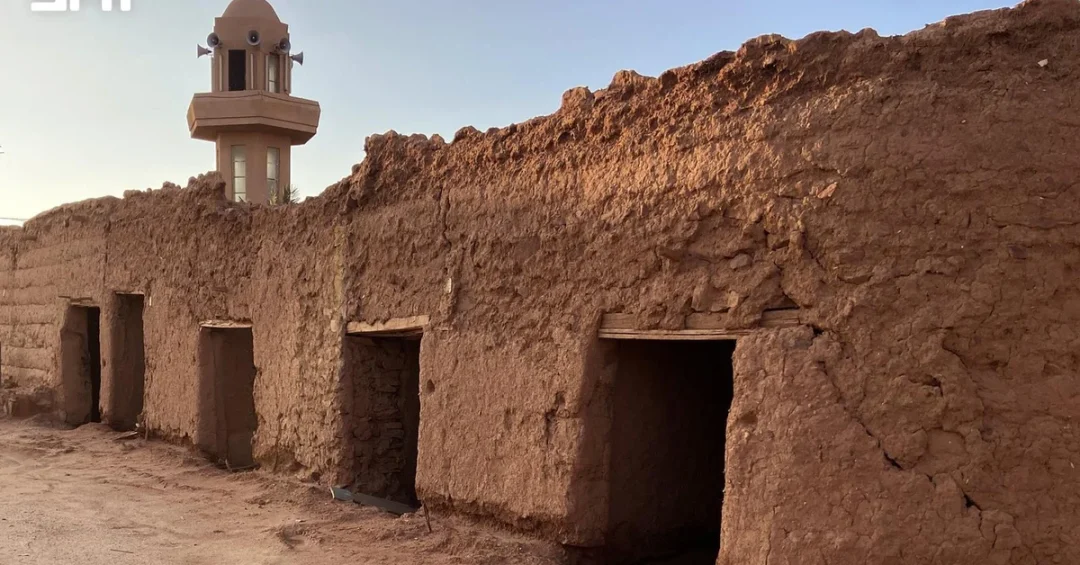
The historic majlis market in the old Dirah of Riyadh Al-Khabra Governorate, in Saudi Arabia’s Qassim Region, stands as a living testament to the commercial and social heritage of Najdi towns, according to information released by the Saudi Press Agency (SPA). More than a place of buying and selling, the market served as a commercial hub and a gathering point where residents exchanged news, welcomed visitors from neighboring villages and farms, and reinforced the social fabric of the community. The SPA report, dated November 12, 2026, highlights the market’s enduring significance and the efforts of local residents to preserve its legacy for future generations.
Located in the heart of the old Dirah, near a grand mosque and within a traditional Najdi urban fabric, the market is roughly rectangular, surrounded by shops and connected to six small streets. This layout reflects the organic growth of Najdi settlements, where commerce, worship, and community life intertwined. The market’s history offers a window into how towns in the Qassim Region functioned economically and socially before modern development, and why preserving such sites matters for Saudi Arabia’s cultural identity and its Vision 2030 goals of heritage conservation and tourism diversification. As the Kingdom continues to modernize, these historic spaces remind both citizens and international observers of the deep roots that support its forward-looking ambitions.
Context and Background
How did a simple market become such a vital pillar of community life in Najdi towns? The majlis market in Riyadh Al-Khabra was not merely a commercial venue; it was the beating heart of the old Dirah, a place where the rhythms of daily life played out. According to the Saudi Press Agency, the market was a central hub where residents from the town and surrounding areas gathered to trade goods, share news, and receive visitors. Its location near a grand mosque underscores the integration of religious and commercial activities in traditional Islamic settlements. The market’s rectangular shape, surrounded by shops and linked to six small streets, facilitated movement and interaction, making it a crossroads for farmers, Bedouins, and townspeople alike.
The historical context of such markets is deeply rooted in the Najdi architectural and social tradition. These spaces were designed to accommodate not only transactions but also social rituals, from Friday prayers to communal discussions. The SPA report notes that Friday was the busiest day, drawing residents, farmers, and Bedouins who came for Friday prayer and then went to the market. This weekly convergence reinforced social ties and allowed for the exchange of information and goods across a wider region. Trade covered a diverse range of items: food, farming supplies, livestock, fruits, vegetables, and local products such as ghee and dried yogurt (aqit). This variety reflects the agricultural and pastoral economy of the Qassim Region, where date palms, grains, and livestock formed the backbone of local livelihoods. The market thus functioned as an economic engine and a social institution, embodying the resilience and adaptability of Najdi communities.
Saleh Al-Nafeesa, a resident of the old neighborhood, stressed the importance of preserving what remains of the market and the old Dirah and documenting related oral accounts, photos, and documents for future generations, as reported by SPA. His call highlights a growing awareness in Saudi Arabia of the need to safeguard intangible and tangible heritage amid rapid modernization. The market’s story is not just about buildings and trade routes; it is about people, traditions, and the collective memory of a region that has contributed significantly to the Kingdom’s cultural tapestry. By preserving such sites, Saudi Arabia honors its past while laying the groundwork for a future where heritage and progress coexist.
Key Details of the Historic Market
What made the majlis market in Riyadh Al-Khabra so unique in its time? Its physical layout and social function set it apart as a multifunctional space. The market occupied a roughly rectangular area in the heart of the old Dirah, surrounded by shops that offered a variety of goods. Six small streets connected the market to different parts of the town, ensuring easy access for residents and visitors. This design was typical of Najdi urban planning, where markets were integrated into the fabric of the community, often adjacent to mosques and residential quarters. The proximity to a grand mosque meant that traders and shoppers could seamlessly combine religious observance with commercial activities, especially on Fridays.
The market’s busiest day was Friday, when residents, farmers, and Bedouins converged after Friday prayer. This weekly gathering was more than a shopping trip; it was a social event. People exchanged news, forged alliances, and strengthened community bonds. The trade items listed by SPA—food, farming supplies, livestock, fruits, vegetables, ghee, and aqit—illustrate the market’s role in sustaining the local economy. Farmers brought their produce, Bedouins offered livestock and dairy products, and merchants supplied tools and staples. This diversity of goods made the market a one-stop destination for the needs of the community. The presence of local products like ghee and aqit also highlights the artisanal and pastoral traditions that have been passed down through generations.
Saleh Al-Nafeesa’s emphasis on documenting oral accounts, photos, and documents adds a crucial dimension to preservation efforts. Oral histories capture the personal experiences and stories that official records might miss, while photographs and documents provide visual and written evidence of the market’s evolution. Such documentation is essential for educating future generations about their heritage and for researchers studying the social and economic history of the Qassim Region. The SPA report serves as an official record of these efforts, underscoring the role of local voices in heritage conservation. By combining physical preservation with archival work, the community of Riyadh Al-Khabra is ensuring that the market’s legacy endures.
International and Regional Impact
How does the preservation of a local market in Qassim resonate on a global stage? Historic markets like the one in Riyadh Al-Khabra are part of a broader movement to recognize and protect cultural heritage worldwide. UNESCO and other international bodies have long emphasized the importance of safeguarding traditional commercial spaces as living monuments to human ingenuity and social organization. By highlighting this market, Saudi Arabia contributes to the global narrative of heritage preservation, demonstrating that modernization and tradition can go hand in hand. For international audiences, the market offers a glimpse into the rich history of the Arabian Peninsula, challenging stereotypes and showcasing the depth of Saudi culture beyond its modern skylines.
Regionally, the market’s story strengthens the cultural ties among Gulf Cooperation Council (GCC) countries, many of which share similar Najdi and Bedouin heritage. The Qassim Region, with its agricultural and pastoral traditions, has long been a crossroads for trade and cultural exchange. Reviving and documenting such markets can foster regional tourism and academic collaboration, as researchers and travelers seek authentic experiences. Moreover, the SPA report aligns with Saudi Arabia’s efforts to promote domestic tourism and attract international visitors interested in heritage. The market’s potential as a heritage tourism site could bring economic benefits to the local community while preserving its unique character. This dual focus on conservation and development reflects a balanced approach that respects the past while embracing the future.
Economic and Strategic Significance
What economic value does a historic market hold in today’s Saudi Arabia? Beyond its nostalgic appeal, the majlis market in Riyadh Al-Khabra represents an economic asset that can be leveraged for sustainable development. Heritage tourism is a growing sector globally, and Saudi Arabia is well-positioned to tap into this market. By restoring and promoting historic markets, the Kingdom can create jobs, support local artisans, and stimulate small businesses. The SPA report notes that reviving historic markets promotes cultural and heritage tourism, in line with Saudi Vision 2030 goals of preserving national heritage and diversifying tourism experiences. This alignment is not coincidental; it is part of a strategic vision to diversify the economy away from oil dependence.
The market’s historical role as a commercial hub also offers lessons for modern economic development. Its integration of diverse goods and social functions demonstrates the importance of multifunctional spaces in fostering community resilience. In the context of Vision 2030, such insights can inform urban planning and tourism strategies. For instance, the development of heritage villages and markets across Saudi Arabia, from AlUla to Diriyah, draws on similar principles. The Qassim Region, with its agricultural strength, can benefit from agritourism initiatives that connect historic markets with local farms and producers. By investing in heritage, Saudi Arabia not only preserves its identity but also builds a more diversified and sustainable economy. The market in Riyadh Al-Khabra is a small but significant piece of this larger puzzle.
Vision 2030 Alignment
How does the preservation of a historic market directly support Saudi Vision 2030? Vision 2030, the Kingdom’s ambitious blueprint for economic and social transformation, places a strong emphasis on preserving national heritage and diversifying tourism. The SPA report explicitly links the revival of historic markets to these goals, noting that such efforts promote cultural and heritage tourism. By documenting and restoring the majlis market in Riyadh Al-Khabra, local stakeholders are contributing to a national narrative that values the past as a foundation for the future. This aligns with Vision 2030’s Quality of Life Program, which aims to enhance cultural participation and create vibrant communities.
Furthermore, the focus on oral histories and documentation supports the Vision’s goal of empowering communities and fostering a sense of pride in Saudi identity. As the Kingdom opens up to international tourists, authentic heritage sites like this market offer unique experiences that differentiate Saudi Arabia from other destinations. The market’s story also resonates with the Vision’s economic diversification objectives, as heritage tourism can generate revenue and create opportunities for small and medium enterprises. In essence, the majlis market is not just a relic of the past; it is a living example of how Saudi Arabia’s rich history can fuel its journey toward a prosperous and culturally vibrant future. By preserving such sites, the Kingdom ensures that its modernization remains rooted in its identity, a principle at the heart of Vision 2030.
20 Questions
Q1. What is the majlis market in Riyadh Al-Khabra?
A1. The majlis market is a historic commercial and social hub located in the old Dirah of Riyadh Al-Khabra Governorate, Qassim Region. It served as a central gathering place for trade, news exchange, and community interaction, reflecting the economic and social life of Najdi towns.
Q2. Where is Riyadh Al-Khabra located?
A2. Riyadh Al-Khabra is a governorate in the Qassim Region of Saudi Arabia. It is known for its agricultural heritage and traditional Najdi architecture, with the old Dirah area containing historic landmarks like the majlis market.
Q3. What was the primary function of the market?
A3. The market functioned as a commercial hub where residents bought and sold goods, but it also served as a social gathering place. People exchanged news, received visitors from neighboring villages, and strengthened community ties, especially on Fridays after prayer.
Q4. What goods were traded at the market?
A4. Trade covered a variety of items including food, farming supplies, livestock, fruits, vegetables, and local products such as ghee and dried yogurt (aqit). This reflected the agricultural and pastoral economy of the Qassim Region.
Q5. Why was Friday the busiest day?
A5. Friday was the busiest day because residents, farmers, and Bedouins came for Friday prayer at the nearby grand mosque and then went to the market. This weekly convergence made it a key social and commercial event.
Q6. How is the market connected to the urban layout?
A6. The market is roughly rectangular, surrounded by shops, and connected to six small streets. It sits in the heart of the old Dirah near a grand mosque, within a traditional Najdi urban fabric that integrates commerce and worship.
Q7. Who is Saleh Al-Nafeesa?
A7. Saleh Al-Nafeesa is a resident of the old neighborhood in Riyadh Al-Khabra. He emphasized the importance of preserving the market and old Dirah and documenting oral accounts, photos, and documents for future generations, as reported by SPA.
Q8. What does the market reflect about Najdi towns?
A8. The market reflects the economic and social life of Najdi towns, showing how commerce, religion, and community interaction were intertwined. It is a historical witness to the traditions and resilience of the region’s inhabitants.
Q9. How does reviving historic markets support Vision 2030?
A9. Reviving historic markets promotes cultural and heritage tourism, aligning with Vision 2030 goals of preserving national heritage and diversifying tourism experiences. It also supports economic diversification and community empowerment.
Q10. What is the significance of documenting oral accounts?
A10. Documenting oral accounts, photos, and documents preserves personal stories and evidence of the market’s history. This helps future generations understand their heritage and provides valuable material for researchers studying the region’s social and economic past.
Q11. What is aqit?
A11. Aqit is a traditional dried yogurt product made from fermented milk. It was one of the local products traded at the market, highlighting the pastoral traditions and artisanal food production of the Qassim Region.
Q12. How does the market contribute to heritage tourism?
A12. The market serves as a potential heritage tourism site, attracting visitors interested in authentic cultural experiences. Its restoration and promotion can create jobs, support local artisans, and stimulate economic growth in the region.
Q13. What is the old Dirah?
A13. The old Dirah is the historic district of Riyadh Al-Khabra, characterized by traditional Najdi architecture. It includes the majlis market and a grand mosque, representing the town’s original urban core.
Q14. Why is the market considered a social institution?
A14. The market was a social institution because it facilitated community bonding, news exchange, and interaction among diverse groups. It was a place where social ties were reinforced weekly, especially during Friday gatherings.
Q15. What role did Bedouins play in the market?
A15. Bedouins brought livestock and dairy products to trade, contributing to the market’s diverse offerings. Their presence connected the settled community with nomadic traditions, enriching the social and economic fabric of the market.
Q16. How does the market’s preservation benefit future generations?
A16. Preservation ensures that future generations can learn about their heritage, understand traditional economic and social systems, and appreciate the cultural roots of their community. It also supports educational and tourism initiatives.
Q17. What is the Saudi Press Agency’s role in this report?
A17. The Saudi Press Agency (SPA) is the official news agency of Saudi Arabia. It reported on the market’s historical significance and preservation efforts, providing authoritative information that highlights the Kingdom’s cultural heritage.
Q18. How does the market align with Saudi Arabia’s tourism goals?
A18. The market aligns with Saudi Arabia’s tourism goals by offering a unique heritage experience that diversifies the tourism sector. It attracts visitors interested in culture and history, supporting the Vision 2030 objective of boosting domestic and international tourism.
Q19. What can be learned from the market’s layout?
A19. The market’s layout demonstrates traditional Najdi urban planning, where commercial, religious, and social spaces are integrated. It shows how design can facilitate community interaction and economic activity, offering lessons for modern urban development.
Q20. What is the overall significance of the majlis market?
A20. The majlis market is a symbol of Qassim’s commercial and social heritage, representing the resilience and ingenuity of Najdi communities. Its preservation supports cultural identity, tourism, and the broader goals of Saudi Vision 2030.
Reader Feedback
We value your thoughts. Please share your feedback on this article.
Your feedback helps us improve our coverage.
Related articles
 Saudi Arabia to Host Quran Competition for West Africa in Nouakchott
 Jazan’s Wooden Grain Measures Preserve Heritage
 Tihama’s Mild Winter Draws Aseer’s Hives to Warmer Lowlands
 Ghars Well Pavilion Highlights Madinah Heritage at Hajj Conference
 Seminar Highlights Heritage of Historic Northern Borders Village
 Wrth Showcases Saudi Traditional Arts at Hajj Conference