


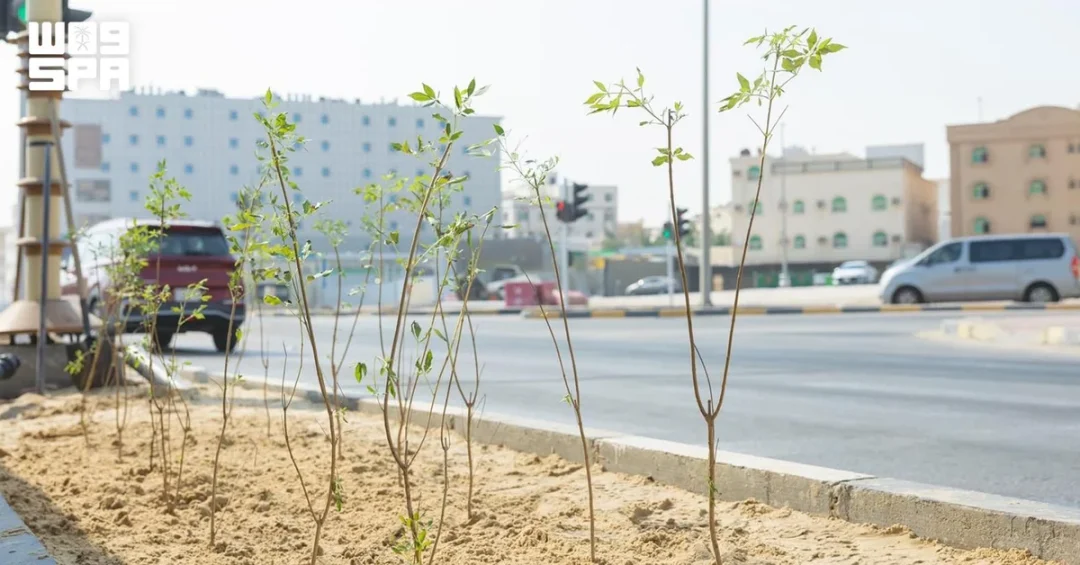
The Eastern Region Municipality, through the Al-Khobar Governorate Municipality, planted 7,201 trees during October 2026 as part of the Green Eastern Region and Green Al-Khobar initiatives, according to the Saudi Press Agency (SPA). The campaign, carried out under the directives of the Ministry of Municipalities and Housing, aims to expand urban green spaces and strengthen vegetation cover across the governorate. The planting is part of a broader effort to reach more than 20,000 trees in Al-Khobar by the end of the current season, marking a significant step in the Kingdom’s environmental sustainability drive.
Have you ever considered how urban greening can transform a city’s quality of life? This large-scale tree-planting effort reflects Saudi Arabia’s commitment to creating healthier, more sustainable urban environments. The initiative aligns with the Kingdom’s Vision 2030 goals, which prioritize environmental protection and improved living standards. By enhancing green cover, Al-Khobar is setting an example for other cities in the Eastern Region and beyond, demonstrating how municipal action can contribute to national environmental targets.
Context and Background
Why is urban greening becoming a priority for Saudi cities? The Green Eastern Region and Green Al-Khobar initiatives are part of a nationwide push to increase green spaces, improve air quality, and combat desertification. The Ministry of Municipalities and Housing has been spearheading efforts to integrate environmental sustainability into urban planning, recognizing the role of vegetation in mitigating the effects of climate change and enhancing public health. These initiatives are not isolated; they are part of a comprehensive strategy that includes the Saudi Green Initiative and the Middle East Green Initiative, both launched by Crown Prince Mohammed bin Salman to address environmental challenges at home and across the region.
Al-Khobar, a major city in the Eastern Province, has been actively participating in these efforts. The governorate’s municipality has been working to expand green areas, planting trees in public parks, along roadsides, and in community spaces. The October 2026 planting of 7,201 trees is a continuation of this work, building on previous seasons’ successes. The goal to plant over 20,000 trees by the end of the season underscores the scale of the ambition and the sustained commitment of local authorities. This initiative also supports the Kingdom’s broader target of planting 10 billion trees across Saudi Arabia in the coming decades, a key component of the Saudi Green Initiative.
How does this fit into Saudi Arabia’s environmental vision? The Ministry of Municipalities and Housing has been instrumental in driving these efforts, issuing directives to municipalities across the Kingdom to prioritize green development. The Green Eastern Region initiative, in particular, aims to increase the region’s green cover, enhance biodiversity, and create more attractive urban environments. These efforts are aligned with Vision 2030’s emphasis on sustainability and quality of life, ensuring that economic development goes hand in hand with environmental stewardship.
Key Details of the Planting Campaign
What exactly does the planting of 7,201 trees entail? According to the Saudi Press Agency, the Eastern Region Municipality, through the Al-Khobar Governorate Municipality, carried out the planting during October 2026. The trees were planted as part of the Green Eastern Region and Green Al-Khobar initiatives, which aim to reach more than 20,000 trees in Al-Khobar by the end of the season. The campaign is part of ongoing efforts to develop the urban landscape and strengthen vegetation cover, in line with the Ministry of Municipalities and Housing’s directives.
The types of trees planted were likely selected for their suitability to the local climate and their ability to thrive in urban conditions. While specific species were not detailed in the source, typical urban greening projects in Saudi Arabia use drought-tolerant trees such as ghaf, sidr, and acacia, which require minimal water and provide shade and aesthetic benefits. The planting locations probably include streets, parks, and public spaces, contributing to a more pleasant and healthy environment for residents and visitors. The initiative also involves ongoing maintenance to ensure the trees’ survival and growth, a crucial aspect of sustainable urban forestry.
How will these efforts be sustained? The Al-Khobar Governorate Municipality is likely implementing irrigation systems and care programs to nurture the newly planted trees. The success of such initiatives depends on proper planning, community engagement, and continuous monitoring. The municipality’s commitment to reaching the 20,000-tree target by the end of the season demonstrates a long-term approach to urban greening, rather than a one-off event. This sustained effort is essential for creating lasting environmental benefits and achieving the desired impact on the city’s ecosystem.
International and Regional Impact
Could Al-Khobar’s green initiative inspire other cities in the region? The Kingdom’s environmental efforts, including urban greening projects like this one, are gaining international recognition. Saudi Arabia has been positioning itself as a leader in sustainability, hosting global events and launching ambitious initiatives such as the Saudi Green Initiative and the Middle East Green Initiative. These programs aim to plant billions of trees across the region, reduce carbon emissions, and combat desertification. Al-Khobar’s contribution to these goals showcases how local actions can support national and regional objectives.
The Green Eastern Region initiative, in particular, aligns with the Eastern Province’s broader development plans, which include economic diversification and improved livability. By enhancing green spaces, the region becomes more attractive to investors, tourists, and residents, supporting Vision 2030’s goals of economic growth and enhanced quality of life. Furthermore, these efforts contribute to Saudi Arabia’s international commitments under the Paris Agreement and the United Nations Sustainable Development Goals, particularly those related to climate action and sustainable cities.
What message does this send to the global community? Saudi Arabia’s proactive approach to environmental sustainability demonstrates its commitment to global climate goals and its willingness to take tangible action. The Kingdom’s leadership in this area is increasingly recognized, and initiatives like Al-Khobar’s tree-planting campaign serve as examples of how municipalities can contribute to national and international environmental targets. This not only enhances Saudi Arabia’s standing on the world stage but also attracts partnerships and investment in green technologies and sustainable development.
Economic and Strategic Significance
How does urban greening contribute to Saudi Arabia’s economic goals? Beyond environmental benefits, green initiatives can have significant economic impacts. Improved urban environments can increase property values, attract businesses, and boost tourism. For Al-Khobar, a city known for its commercial and industrial activities, enhancing green spaces can make it more appealing to skilled professionals and international companies, supporting the Eastern Province’s economic diversification efforts. The Ministry of Municipalities and Housing’s focus on sustainable urban development is thus closely tied to the Kingdom’s economic transformation under Vision 2030.
Additionally, the tree-planting campaign can create jobs in landscaping, maintenance, and related sectors, providing employment opportunities for local residents. It also supports the growth of the domestic nursery industry, as demand for saplings and horticultural services increases. These economic ripple effects contribute to the Kingdom’s goal of creating a vibrant and diversified economy, reducing dependence on oil revenues. By investing in green infrastructure, Saudi Arabia is building a more sustainable and resilient future, in line with its strategic vision.
What role does this play in Saudi Arabia’s global leadership? The Kingdom’s environmental initiatives are part of a broader strategy to position itself as a responsible global actor and a leader in sustainability. By hosting international environmental forums and launching ambitious green projects, Saudi Arabia is shaping the global sustainability agenda. Al-Khobar’s tree-planting campaign is a microcosm of this larger effort, demonstrating the Kingdom’s commitment to practical, on-the-ground action that yields tangible results.
Vision 2030 Alignment
How does the Al-Khobar tree-planting initiative align with Vision 2030? Vision 2030, Saudi Arabia’s blueprint for economic and social transformation, includes a strong emphasis on environmental sustainability and quality of life. One of its key objectives is to enhance the urban environment by increasing green spaces and promoting sustainable practices. The Green Eastern Region and Green Al-Khobar initiatives directly support this goal, contributing to a more livable and attractive urban landscape. The Ministry of Municipalities and Housing’s directives reflect the Vision’s integrated approach, recognizing that environmental health is essential for economic prosperity and social well-being.
As Al-Khobar continues to plant trees and expand its green cover, it is not only beautifying the city but also investing in its future. The initiative to plant over 20,000 trees by the end of the season is a clear indicator of the Kingdom’s determination to achieve its environmental targets. This effort, combined with other Vision 2030 programs, is transforming Saudi cities into models of sustainability and innovation. By prioritizing green development, Saudi Arabia is ensuring that its cities are prepared for the challenges of the future, while offering a high quality of life for all residents and visitors. The success of Al-Khobar’s campaign will serve as an inspiration for other cities across the Kingdom and the region, further solidifying Saudi Arabia’s role as a global leader in sustainable development.
20 Questions
Q1. What is the Green Eastern Region initiative?
A1. The Green Eastern Region initiative is a program aimed at increasing green spaces and vegetation cover across the Eastern Province of Saudi Arabia, in line with the Ministry of Municipalities and Housing’s directives and Vision 2030 sustainability goals.
Q2. How many trees were planted in Al-Khobar in October 2026?
A2. According to the Saudi Press Agency, 7,201 trees were planted in October 2026 by the Al-Khobar Governorate Municipality as part of the Green Eastern Region and Green Al-Khobar initiatives.
Q3. What is the target number of trees for Al-Khobar by the end of the season?
A3. The initiatives aim to reach more than 20,000 trees in Al-Khobar by the end of the current season, demonstrating a significant commitment to urban greening and environmental sustainability.
Q4. Which government body oversees these planting efforts?
A4. The Eastern Region Municipality, through the Al-Khobar Governorate Municipality, is carrying out the planting under the directives of the Ministry of Municipalities and Housing.
Q5. Why is urban greening important for Saudi cities?
A5. Urban greening improves air quality, reduces temperatures, enhances biodiversity, and creates more attractive and healthy environments for residents, aligning with Vision 2030’s quality-of-life goals.
Q6. How does this initiative support Saudi Vision 2030?
A6. It supports Vision 2030’s environmental sustainability objectives by expanding green spaces, improving urban livability, and contributing to the Saudi Green Initiative’s target of planting 10 billion trees.
Q7. What types of trees are typically planted in such campaigns?
A7. Drought-tolerant species such as ghaf, sidr, and acacia are commonly used in Saudi Arabia due to their suitability to the local climate and low water requirements.
Q8. How will the newly planted trees be maintained?
A8. The municipality likely implements irrigation systems and care programs to ensure the trees’ survival and growth, which is essential for the long-term success of urban greening projects.
Q9. What are the expected environmental benefits of planting 7,201 trees?
A9. The trees will help reduce air pollution, provide shade, lower ambient temperatures, support wildlife, and contribute to combating desertification in the region.
Q10. Does this initiative have economic benefits?
A10. Yes, improved urban environments can attract businesses and tourism, increase property values, and create jobs in landscaping and maintenance, supporting economic diversification.
Q11. How does Al-Khobar’s effort fit into the Saudi Green Initiative?
A11. It is a local implementation of the Saudi Green Initiative’s broader goals to increase vegetation cover, reduce carbon emissions, and enhance environmental sustainability across the Kingdom.
Q12. What role does the Ministry of Municipalities and Housing play?
A12. The ministry provides directives and oversight for municipal greening projects, ensuring they align with national environmental strategies and Vision 2030 objectives.
Q13. Will other cities in the Eastern Province follow suit?
A13. The Green Eastern Region initiative encourages all municipalities in the province to expand green spaces, and Al-Khobar’s success serves as a model for others to emulate.
Q14. How does this project contribute to Saudi Arabia’s climate goals?
A14. By sequestering carbon dioxide and improving local climates, the trees support the Kingdom’s commitments under the Paris Agreement and its goal of achieving net-zero emissions by 2060.
Q15. What is the significance of planting trees in urban areas?
A15. Urban trees enhance aesthetic appeal, improve mental and physical health, reduce the urban heat island effect, and provide habitats for birds and insects, enriching urban ecosystems.
Q16. Are there any community engagement aspects to this initiative?
A16. While not specified, such initiatives often involve community volunteers and educational programs to raise environmental awareness and encourage public participation in greening efforts.
Q17. How does this initiative align with the UN Sustainable Development Goals?
A17. It supports SDG 11 (Sustainable Cities and Communities), SDG 13 (Climate Action), and SDG 15 (Life on Land) by promoting urban greenery and environmental stewardship.
Q18. What is the expected timeline for reaching the 20,000-tree target?
A18. The target is set for the end of the current season, which typically spans the cooler months from October to April, allowing optimal conditions for planting and growth.
Q19. How can residents contribute to these green initiatives?
A19. Residents can participate by planting trees in their own gardens, volunteering in community planting events, and supporting local environmental programs promoted by the municipality.
Q20. What message does this send about Saudi Arabia’s environmental leadership?
A20. It demonstrates the Kingdom’s proactive approach to sustainability and its commitment to global environmental goals, reinforcing its role as a leader in the region and beyond.
Reader Feedback
We value your thoughts. Please share your feedback on this article.
Your feedback helps us improve our coverage.
Related articles
 Vice Minister Honors Winners at Hajj Conference Closing
 Bahrain Condemns Houthi Attacks on Saudi Arabia
 Vice Hajj Minister Honors ‘Labaytum’ Award Winners
 Kuwait Condemns Houthi Terrorist Attacks on Saudi Arabia
 Ekram Association Signs 60+ Agreements to Develop Pilgrim Initiatives
 Comoros Condemns Attacks on Saudi Arabia’s Sovereignty