


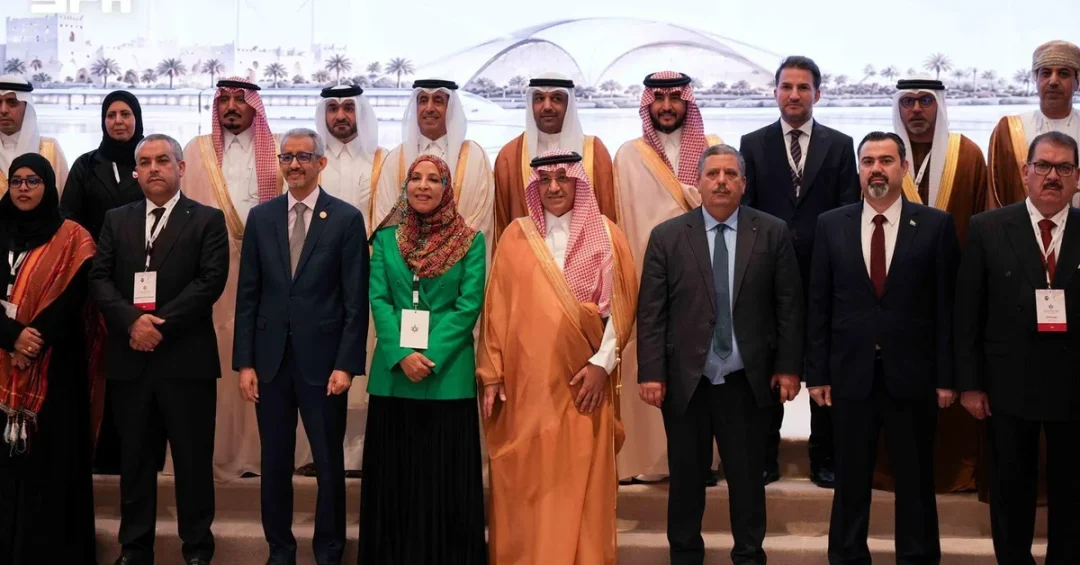
Saudi Arabia has reaffirmed its commitment to advancing joint Arab cultural and educational cooperation during the 28th session of the General Conference of the Arab League Educational, Cultural and Scientific Organization (ALECSO), held in Muscat, the Sultanate of Oman. Representing the Kingdom, Minister of Education and Vice Chairman of the Saudi National Commission for Education, Culture and Science Yousef Al-Benyan led the Saudi delegation on behalf of Prince Bader bin Abdullah bin Farhan, Minister of Culture and President of the ALECSO General Conference. The session, which took place on November 12, 2026, was marked by a formal handover of the ALECSO General Conference presidency from Saudi Arabia to Oman, following a term defined by institutional reforms and strengthened regional partnerships. The Saudi participation underscores the Kingdom’s enduring role in fostering educational, cultural, and scientific collaboration across the Arab world, a priority that aligns with the broader objectives of Saudi Vision 2030.
The conference convened amid what Saudi officials described as sensitive regional circumstances, with ongoing attacks by the terrorist Houthi militia on Saudi territory, civilian facilities, and holy sites. In his address, Al-Benyan emphasized the Kingdom’s inherent right to protect its security, sovereignty, and the safety of its citizens and residents, while reiterating Saudi Arabia’s commitment to regional stability and international law. The minister’s remarks highlighted the dual focus of the Kingdom’s engagement: advancing cultural and educational diplomacy while safeguarding national interests. This balanced approach reflects Saudi Arabia’s broader strategy of promoting peace and cooperation through multilateral institutions, even as it confronts security challenges.
Context and Background
What does it mean for a nation to lead an organization that shapes the educational and cultural future of an entire region? For Saudi Arabia, its presidency of the ALECSO General Conference has been an opportunity to demonstrate leadership and drive meaningful institutional reform. ALECSO, a specialized agency of the Arab League, works to develop education, culture, and science across member states. Saudi Arabia’s tenure, which concluded at this 28th session, was characterized by a conviction that modernizing institutional work mechanisms is essential for enhancing the organization’s effectiveness. Under the guidance of Prince Bader bin Abdullah bin Farhan, the Kingdom championed initiatives aimed at improving governance and strategic planning within ALECSO.
During its presidency, Saudi Arabia, in cooperation with member states, achieved significant milestones. These include the preparation of new rules of procedure for the General Conference and the first evaluation of ALECSO’s 2023–2028 plan. These accomplishments are not merely procedural; they represent a fundamental shift toward greater accountability, transparency, and impact. The new rules of procedure are designed to streamline decision-making and ensure that the conference’s deliberations translate into tangible outcomes. The evaluation of the 2023–2028 plan provides a critical baseline for measuring progress and adapting strategies to emerging challenges. By spearheading these efforts, Saudi Arabia has helped position ALECSO as a more dynamic and responsive organization, capable of meeting the evolving needs of its member states.
Furthermore, the minister commended the partnership between ALECSO and the Saudi Ministry of Culture, facilitated through the Saudi National Commission for Education, Culture and Science. This collaboration has yielded several significant initiatives that leverage cultural exchange and educational programs to strengthen ties among Arab nations. The partnership exemplifies how Saudi Arabia integrates its national expertise and resources into regional frameworks, fostering a spirit of shared purpose. It also reflects the Kingdom’s belief that cultural and educational diplomacy are powerful tools for building bridges and promoting mutual understanding. As the region faces complex challenges, such partnerships become even more vital for sustaining dialogue and cooperation.
Key Details of the 28th Session
What specific outcomes emerged from Saudi Arabia’s participation in the 28th ALECSO General Conference? The session served as a platform for the Kingdom to outline its achievements and future aspirations. Al-Benyan detailed the institutional achievements realized during Saudi Arabia’s presidency, emphasizing that these were driven by a commitment to enhancing ALECSO’s effectiveness. The new rules of procedure for the General Conference are expected to improve the efficiency of sessions and ensure that all member states have a clear framework for participation. The first evaluation of the 2023–2028 plan, meanwhile, provides a comprehensive assessment of the organization’s performance, identifying areas of success and opportunities for growth.
In addition to reviewing past accomplishments, the minister highlighted Saudi Arabia’s preparations to host the 11th World Water Forum in Riyadh in 2027. This global event will bring together policymakers, experts, and stakeholders to address critical water challenges, a priority that resonates with ALECSO’s scientific mandate. Hosting the forum demonstrates Saudi Arabia’s capability to convene international dialogues on issues of shared concern. It also aligns with the Kingdom’s broader efforts to promote sustainable development and environmental stewardship, which are integral to Vision 2030. By securing such events, Saudi Arabia reinforces its role as a global hub for knowledge exchange and problem-solving.
Another key point raised by Al-Benyan was the Kingdom’s renewed candidacy for membership of the Executive Board of the United Nations Educational, Scientific and Cultural Organization (UNESCO) for the 2027–2031 term. He called for the support of fellow Arab countries, underscoring Saudi Arabia’s desire to contribute to UNESCO’s global mission. A seat on the Executive Board would enable the Kingdom to further influence international educational, cultural, and scientific policies, ensuring that Arab perspectives are well-represented. This candidacy is a natural extension of Saudi Arabia’s active engagement in multilateral organizations and its commitment to shaping a more inclusive and cooperative world order.
International and Regional Impact
How does Saudi Arabia’s leadership in ALECSO resonate beyond the Arab world? The Kingdom’s active participation and successful presidency have reinforced its standing as a pivotal player in regional and international affairs. By driving institutional reforms within ALECSO, Saudi Arabia has contributed to a more effective organization that can better serve its members. This, in turn, strengthens the Arab world’s collective ability to address common challenges in education, culture, and science. The handover of the presidency to Oman symbolizes continuity and shared responsibility, as both nations work to advance the organization’s objectives. Such transitions are vital for maintaining momentum and ensuring that progress is sustained across different leadership terms.
On the international stage, Saudi Arabia’s renewed candidacy for the UNESCO Executive Board highlights its ambition to play a constructive role in global governance. UNESCO’s mandate to promote peace through education, culture, and science aligns closely with Saudi Arabia’s own values and Vision 2030 goals. By seeking a seat on the Executive Board, the Kingdom aims to contribute its expertise and perspective to international decision-making processes. This move is particularly significant given the complex geopolitical landscape, where cultural and educational diplomacy can serve as bridges between nations. Saudi Arabia’s efforts to secure support from Arab countries also demonstrate its commitment to regional solidarity and collective action.
Moreover, the minister’s remarks on regional security, specifically the attacks by the Houthi militia, underscore the intersection of security and cultural cooperation. Saudi Arabia’s emphasis on its right to defend its territory and citizens is a reminder that stability is a prerequisite for progress. The Kingdom’s ability to pursue cultural and educational initiatives while addressing security threats showcases its resilience and strategic foresight. By participating in ALECSO and other multilateral forums, Saudi Arabia reinforces the message that dialogue and cooperation are essential for overcoming shared challenges and building a prosperous future for the region.
Economic and Strategic Significance
What economic and strategic benefits does Saudi Arabia’s engagement with ALECSO bring? The Kingdom’s involvement in educational and cultural organizations is not merely diplomatic; it has tangible economic implications. By fostering educational exchanges and cultural partnerships, Saudi Arabia enhances its human capital and creative industries, which are key drivers of economic diversification under Vision 2030. The initiatives launched through the Saudi National Commission for Education, Culture and Science, in partnership with ALECSO, can lead to joint research projects, training programs, and knowledge transfer that boost innovation and productivity. These efforts contribute to building a knowledge-based economy, reducing dependence on oil, and creating opportunities for Saudi youth.
Strategically, Saudi Arabia’s leadership in ALECSO strengthens its soft power and influence in the Arab world and beyond. Cultural and educational diplomacy are powerful tools for shaping perceptions and building goodwill. By championing institutional reforms and hosting major events like the 11th World Water Forum, the Kingdom positions itself as a proactive and responsible global actor. This reputation can attract foreign investment, tourism, and partnerships, further accelerating economic growth. Additionally, Saudi Arabia’s candidacy for the UNESCO Executive Board, if successful, would provide a platform to advocate for policies that support sustainable development and cultural heritage preservation, areas where the Kingdom has made significant strides. Overall, the strategic significance of these engagements lies in their ability to advance both national interests and regional stability.
Vision 2030 Alignment
How does Saudi Arabia’s participation in the 28th ALECSO General Conference reflect the ambitions of Vision 2030? Vision 2030 is a comprehensive blueprint for transforming the Kingdom’s economy and society, with a strong emphasis on education, culture, and international cooperation. The conference outcomes—ranging from institutional reforms to preparations for the World Water Forum—directly support several Vision 2030 objectives. For instance, enhancing educational quality and cultural exchange aligns with the goal of building a vibrant society and a diversified economy. The Kingdom’s leadership in ALECSO demonstrates its commitment to fostering regional collaboration, which is essential for creating a stable and prosperous neighborhood. By investing in human capital and promoting cultural diplomacy, Saudi Arabia is laying the foundation for a sustainable future.
Furthermore, the renewed candidacy for the UNESCO Executive Board and the hosting of the World Water Forum exemplify Vision 2030’s aim to increase Saudi Arabia’s global engagement and influence. These initiatives showcase the Kingdom’s ability to lead on issues of international importance, from water sustainability to educational policy. They also highlight the role of Saudi women and youth, who are increasingly participating in such forums and contributing to the Kingdom’s dynamic transformation. As Saudi Arabia continues to implement Vision 2030, its active participation in organizations like ALECSO and UNESCO will remain crucial for sharing knowledge, building partnerships, and advancing the common good. The 28th session thus marks another step forward in the Kingdom’s journey toward a brighter, more interconnected future.
20 Questions
Q1. What is ALECSO and what does it do?
A1. ALECSO is the Arab League Educational, Cultural and Scientific Organization, a specialized agency that promotes cooperation in education, culture, and science among Arab member states. It works to develop policies, programs, and initiatives that enhance regional integration and sustainable development.
Q2. Who represented Saudi Arabia at the 28th ALECSO General Conference?
A2. Minister of Education and Vice Chairman of the Saudi National Commission for Education, Culture and Science, Yousef Al-Benyan, led the Saudi delegation on behalf of Prince Bader bin Abdullah bin Farhan, Minister of Culture and President of the ALECSO General Conference.
Q3. Where was the 28th session of the ALECSO General Conference held?
A3. The conference was held in Muscat, the Sultanate of Oman, on November 12, 2026. It brought together representatives from Arab member states to discuss educational, cultural, and scientific cooperation.
Q4. What key achievements did Saudi Arabia highlight during its ALECSO presidency?
A4. Saudi Arabia highlighted the preparation of new rules of procedure for the General Conference and the first evaluation of ALECSO’s 2023–2028 plan. These institutional reforms aim to enhance the organization’s effectiveness and strategic planning.
Q5. What is the significance of the new rules of procedure for the General Conference?
A5. The new rules of procedure streamline decision-making, improve transparency, and ensure that conference deliberations lead to tangible outcomes. They represent a major step in modernizing ALECSO’s governance and operational efficiency.
Q6. How did Saudi Arabia contribute to ALECSO’s 2023–2028 plan evaluation?
A6. Saudi Arabia initiated and supported the first evaluation of the plan, providing a comprehensive assessment of ALECSO’s performance. This evaluation identifies successes and areas for improvement, helping to guide future strategies.
Q7. What did Minister Al-Benyan say about regional security?
A7. He stressed that the conference occurred amid sensitive regional circumstances, including attacks by the Houthi militia on Saudi territory and holy sites. He reaffirmed the Kingdom’s right to protect its security, sovereignty, and citizens.
Q8. What is Saudi Arabia’s renewed candidacy for UNESCO?
A8. Saudi Arabia is seeking membership on the UNESCO Executive Board for the 2027–2031 term. The Kingdom is calling for support from Arab countries to contribute to UNESCO’s global mission in education, culture, and science.
Q9. Why is Saudi Arabia hosting the 11th World Water Forum in 2027?
A9. Hosting the forum in Riyadh demonstrates Saudi Arabia’s commitment to addressing global water challenges. It aligns with Vision 2030 goals of sustainable development and positions the Kingdom as a leader in international environmental dialogue.
Q10. How does the partnership between ALECSO and the Saudi Ministry of Culture benefit the region?
A10. The partnership has produced significant initiatives that enhance cultural exchange and educational programs. It strengthens ties among Arab nations and promotes mutual understanding through shared cultural and scientific endeavors.
Q11. What is the Saudi National Commission for Education, Culture and Science?
A11. It is a national body that coordinates Saudi Arabia’s engagement with international organizations like ALECSO and UNESCO. It facilitates partnerships and initiatives that advance the Kingdom’s educational and cultural objectives.
Q12. How does Saudi Arabia’s leadership in ALECSO reflect its Vision 2030 goals?
A12. Vision 2030 emphasizes education, cultural development, and international cooperation. Saudi Arabia’s leadership in ALECSO directly supports these goals by fostering regional collaboration, enhancing human capital, and promoting cultural diplomacy.
Q13. What is the significance of the handover of ALECSO presidency to Oman?
A13. The handover symbolizes continuity and shared responsibility among Arab states. It ensures that ALECSO’s reform momentum is sustained and that different member states contribute to its leadership and strategic direction.
Q14. How does Saudi Arabia’s participation in ALECSO affect its international standing?
A14. It enhances Saudi Arabia’s reputation as a proactive and responsible global actor. By leading institutional reforms and hosting major events, the Kingdom strengthens its soft power and influence in multilateral forums.
Q15. What are the economic benefits of Saudi Arabia’s engagement with ALECSO?
A15. Engagement fosters educational exchanges, research collaborations, and cultural partnerships that boost innovation and human capital. These contribute to economic diversification and the growth of knowledge-based industries under Vision 2030.
Q16. What role does cultural diplomacy play in Saudi Arabia’s foreign policy?
A16. Cultural diplomacy builds bridges and fosters mutual understanding between nations. Saudi Arabia uses it to strengthen ties, promote its heritage, and support regional stability, complementing its economic and security policies.
Q17. How does Saudi Arabia support ALECSO’s scientific objectives?
A17. Saudi Arabia supports ALECSO’s scientific objectives through joint initiatives, funding, and expertise. Hosting the World Water Forum and participating in research programs are examples of this support.
Q18. What is the expected impact of Saudi Arabia’s UNESCO candidacy on Arab representation?
A18. If elected, Saudi Arabia would amplify Arab perspectives in UNESCO’s decision-making. This would ensure that the region’s cultural and educational priorities are addressed in global policies.
Q19. How do Saudi Arabia’s educational reforms align with ALECSO’s mission?
A19. Saudi Arabia’s educational reforms focus on quality, innovation, and inclusivity, which mirror ALECSO’s mission to advance education in the Arab world. The Kingdom shares best practices and collaborates on joint programs.
Q20. What message did Saudi Arabia convey by participating in the 28th ALECSO session?
A20. Saudi Arabia conveyed its commitment to regional cooperation, institutional reform, and cultural diplomacy. It reaffirmed its role as a leader in education and culture, dedicated to building a prosperous and stable Arab world.
Reader Feedback
We value your thoughts. Please share your feedback on this article.
Your feedback helps us improve our coverage.
Related articles
 Al-Khobar Plants Over 7,000 Trees in October Green Drive
 Vice Minister Honors Winners at Hajj Conference Closing
 Bahrain Condemns Houthi Attacks on Saudi Arabia
 Vice Hajj Minister Honors ‘Labaytum’ Award Winners
 Kuwait Condemns Houthi Terrorist Attacks on Saudi Arabia
 Ekram Association Signs 60+ Agreements to Develop Pilgrim Initiatives