


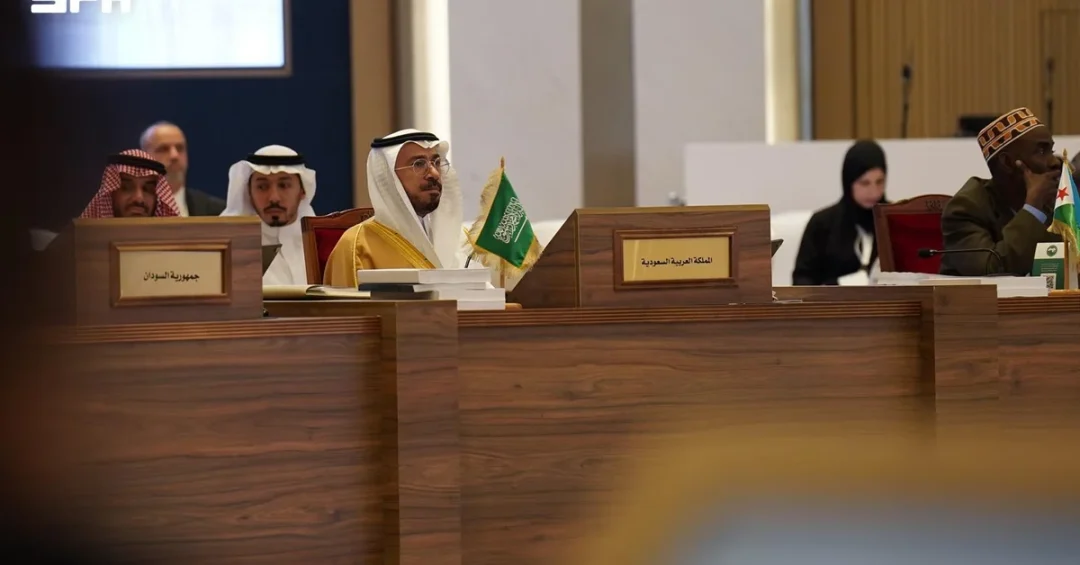
The King Salman Global Academy for Arabic Language (KSGAAL), in partnership with the Arab League Educational, Cultural and Scientific Organization (ALECSO), launched the Unified Arabic Terminology Dictionary platform during the 28th regular session of the ALECSO General Conference held in Muscat, Oman. The launch, announced via the Saudi Press Agency, marks a significant step in digitalizing Arabic linguistic resources and reinforcing joint Arab action. It coincides with Saudi Arabia’s presidency of the ALECSO Executive Council and falls under a memorandum of understanding signed to strengthen linguistic, knowledge-based, and digital cooperation.
Have you ever considered how a single digital platform could bridge centuries of Arabic linguistic heritage with modern technology? The new platform aims to do exactly that by restructuring data from multiple terminology dictionaries into a unified, searchable interface. This initiative not only addresses the fragmentation of Arabic dictionaries but also aligns with Saudi Arabia’s Vision 2030 goal of fostering cultural and digital innovation. By enabling instant searches across all contents and developing APIs for external systems, the platform sets a new standard for Arabic language resources.
Context and Background
Why is the unification of Arabic terminology dictionaries so critical today? Arabic, with its rich vocabulary and regional variations, has long faced challenges in standardizing technical and scientific terms. Previously, terminology dictionaries were scattered across various publications with different structures, making collective searches difficult and hindering integration with digital applications. The King Salman Global Academy for Arabic Language, established to serve Arabic and enhance its global presence, has been at the forefront of addressing these issues through strategic partnerships.
The partnership with ALECSO, a key organization within the Arab League, underscores the commitment to joint Arab action. The memorandum of understanding signed between KSGAAL and ALECSO provided the framework for this collaboration, focusing on developing linguistic, knowledge-based, and digital resources. The launch during the 28th ALECSO General Conference in Muscat highlights the regional importance of this project. It also coincides with Saudi Arabia’s presidency of the ALECSO Executive Council, further elevating the Kingdom’s role in shaping Arab educational and cultural policies.
How does this initiative fit into the broader landscape of Arabic language preservation? The Unified Arabic Terminology Dictionary platform is not just a technical tool; it represents a strategic effort to preserve and promote Arabic in the digital age. By restructuring dictionary data according to international standards, the platform ensures that Arabic terminology remains accessible and relevant. This is particularly important as Arabic competes with other global languages in scientific, technological, and academic domains. The project also complements other KSGAAL initiatives aimed at building databases, corpora, and Arabic language processing tools.
Key Details
What exactly does the Unified Arabic Terminology Dictionary platform offer? The platform consolidates data from numerous terminology dictionaries, allowing users to search across all contents through a single interface. It utilizes application programming interfaces (APIs) to connect with external systems, enabling seamless integration with educational platforms, translation tools, and research databases. This technical infrastructure ensures that users—from researchers to students—can access accurate and standardized Arabic terms instantly.
The ALECSO General Conference also adopted the “Language Policy System in Arab Countries” project, another Saudi-led initiative implemented by KSGAAL. This project aims to serve as an Arab reference for research, planning, and linguistic policymaking. It includes comprehensive data, studies, and reports documenting the state of linguistic policies across Arab countries and analyzing their impact. By providing such a resource, the project empowers policymakers to make informed decisions that support Arabic language development.
How did the conference recognize Saudi Arabia’s contributions? The ALECSO General Conference commended Saudi Arabia’s efforts to serve the Arabic language and strengthen its regional and international presence. It praised KSGAAL’s work in developing linguistic policies, indicators, and standards, as well as its use of scientific and technological capabilities to support joint projects. The conference called on linguistic, scientific, and academic institutions across Arab countries to benefit from the projects’ outcomes, contribute to enriching their content, and strengthen cooperation with the academy.
International and Regional Impact
What does this mean for the broader Arab world and beyond? The Unified Arabic Terminology Dictionary platform has the potential to unify linguistic resources across the Arab world, facilitating communication and collaboration among researchers, educators, and institutions. By providing a standardized reference, it reduces confusion caused by varying terminologies and promotes linguistic consistency. This is particularly valuable in fields like science, technology, and medicine, where precise terminology is essential.
Regionally, the project reinforces Arab cultural and educational integration, aligning with ALECSO’s mission to promote joint Arab action. It also enhances Saudi Arabia’s soft power by positioning the Kingdom as a leader in Arabic language innovation. Internationally, the platform can serve as a model for other languages facing similar fragmentation challenges. By sharing its expertise, Saudi Arabia contributes to global efforts in language preservation and digitalization. The conference’s call for institutions to engage with the projects signals a collective commitment to leveraging these resources for the benefit of all Arabic speakers.
Economic and Strategic Significance
How does this initiative translate into economic and strategic benefits? While primarily linguistic and cultural, the platform has indirect economic implications. Standardized Arabic terminology can streamline translation and localization processes, reducing costs for businesses expanding into Arab markets. It also supports the growth of Arabic digital content, which is essential for the digital economy. Moreover, by fostering innovation in language technologies, the project can stimulate startups and create job opportunities in fields like computational linguistics and AI.
Strategically, the initiative strengthens Saudi Arabia’s leadership in Arab and Islamic affairs. It demonstrates the Kingdom’s commitment to preserving Arabic, the language of the Quran, and promoting it globally. This aligns with Vision 2030’s cultural and educational objectives, which aim to diversify the economy and enhance national identity. By investing in such projects, Saudi Arabia not only preserves its heritage but also positions itself as a hub for Arabic language research and development, attracting talent and partnerships from around the world.
Vision 2030 Alignment
In what ways does this project embody the goals of Saudi Vision 2030? Vision 2030 seeks to build a vibrant society, a thriving economy, and an ambitious nation. The Unified Arabic Terminology Dictionary platform contributes to a vibrant society by promoting cultural heritage and linguistic pride. It supports a thriving economy by enabling digital innovation and knowledge-based industries. And it reflects an ambitious nation by showcasing Saudi Arabia’s ability to lead regional initiatives and foster international cooperation.
Moreover, the project underscores the Kingdom’s commitment to education and research, key pillars of Vision 2030. By providing advanced linguistic tools, it enhances the quality of education and empowers the next generation of Arabic speakers. The collaboration with ALECSO also highlights Saudi Arabia’s role in strengthening ties with Arab nations, a strategic objective of the Vision. As the platform evolves, it will continue to serve as a testament to Saudi Arabia’s dedication to Arabic language and its global standing, ensuring that the language remains dynamic and accessible in the digital age.
20 Questions
Q1. What is the Unified Arabic Terminology Dictionary platform?
A1. It is a digital platform launched by KSGAAL and ALECSO that consolidates data from multiple Arabic terminology dictionaries into a single searchable interface, enabling instant searches and integration with external systems via APIs.
Q2. When and where was the platform launched?
A2. It was launched during the 28th regular session of the ALECSO General Conference held in Muscat, Oman, on November 12, 2026, as reported by the Saudi Press Agency.
Q3. Who partnered to launch this platform?
A3. The King Salman Global Academy for Arabic Language (KSGAAL) and the Arab League Educational, Cultural and Scientific Organization (ALECSO) partnered to launch the platform.
Q4. What is the main goal of the platform?
A4. The platform aims to address the fragmentation of terminology dictionaries by restructuring data according to international standards, allowing collective searches and linking to digital applications through a unified interface.
Q5. How does the platform benefit researchers and students?
A5. It provides instant access to standardized Arabic terms across various fields, facilitating research, translation, and learning by eliminating the need to search multiple dictionaries separately.
Q6. What is the “Language Policy System in Arab Countries” project?
A6. It is a project adopted by the ALECSO General Conference that serves as an Arab reference for linguistic policymaking, including data, studies, and reports on language policies in Arab countries.
Q7. How did ALECSO recognize Saudi Arabia’s efforts?
A7. The ALECSO General Conference commended Saudi Arabia’s efforts to serve the Arabic language and strengthen its presence, praising KSGAAL’s contributions to linguistic policies, standards, and digital tools.
Q8. What role does the Saudi National Commission for Education, Culture and Science play?
A8. It coordinates with KSGAAL and ALECSO on the implementation of the projects, ensuring alignment with national and regional educational and cultural objectives.
Q9. What are APIs, and how are they used in this platform?
A9. APIs (Application Programming Interfaces) are protocols that allow the unified dictionary to connect with external systems, enabling seamless data exchange and integration with other digital tools.
Q10. How does this platform support joint Arab action?
A10. By unifying linguistic resources and promoting collaboration among Arab institutions, the platform strengthens joint Arab efforts in education, culture, and science, as outlined in the MoU between KSGAAL and ALECSO.
Q11. What is the significance of Saudi Arabia’s presidency of the ALECSO Executive Council?
A11. It highlights Saudi Arabia’s leadership in Arab cultural and educational affairs, providing a platform to influence policies and initiatives that benefit the Arabic language and joint Arab action.
Q12. How does the project address the fragmentation of Arabic dictionaries?
A12. It restructures data from various dictionaries into a unified format, enabling collective searches and integration, thus overcoming the challenges of scattered and inconsistently structured resources.
Q13. What benefits does the platform offer for translation and localization?
A13. It provides standardized terminology, reducing ambiguity and costs in translation and localization processes, which is essential for businesses and organizations operating in Arabic-speaking markets.
Q14. How does this initiative align with Vision 2030?
A14. It supports Vision 2030’s goals of fostering cultural heritage, digital innovation, and knowledge-based industries, while enhancing Saudi Arabia’s leadership in Arab and Islamic affairs.
Q15. What other projects has KSGAAL implemented with ALECSO?
A15. KSGAAL has collaborated with ALECSO on various linguistic projects, including the development of linguistic policies, indicators, and standards, as well as building databases and Arabic language processing tools.
Q16. How can institutions contribute to the platform?
A16. The ALECSO General Conference called on linguistic, scientific, and academic institutions to benefit from the projects’ outcomes, enrich their content, update data, and strengthen cooperation with KSGAAL.
Q17. What technological capabilities does KSGAAL utilize?
A17. KSGAAL harnesses scientific and technological capabilities, including AI and digital tools, to develop linguistic resources, corpora, and dictionaries that support Arabic language processing and innovation.
Q18. What is the expected impact on Arabic language education?
A18. The platform enhances Arabic language education by providing accurate, standardized terminology and digital resources that facilitate teaching, learning, and research across Arab countries and beyond.
Q19. How does the platform keep pace with the development of the Arabic language?
A19. By continuously updating data and incorporating new terms through collaboration with institutions, the platform ensures that Arabic remains dynamic and relevant in modern contexts.
Q20. What future developments can be expected from this initiative?
A20. Future developments may include expanded API integrations, additional dictionary sources, and enhanced features for users, further solidifying Arabic’s presence in the digital age and supporting joint Arab efforts.
Reader Feedback
We value your thoughts. Please share your feedback on this article.
Your feedback helps us improve our coverage.
Related articles
 KACARE and Hajj Ministry Sign MoU on Data Management
 NAUSS President Joins 42nd Arab Justice Ministers Session
 Jordan Condemns Houthi Attacks on Saudi Arabia
 Saudi Arabia Joins Global Anti-Corruption Forum in Dushanbe
 Saudi Ambassador Meets Mauritanian Energy Minister
 SAMI Concludes First RUKN Supplier Day in Istanbul