


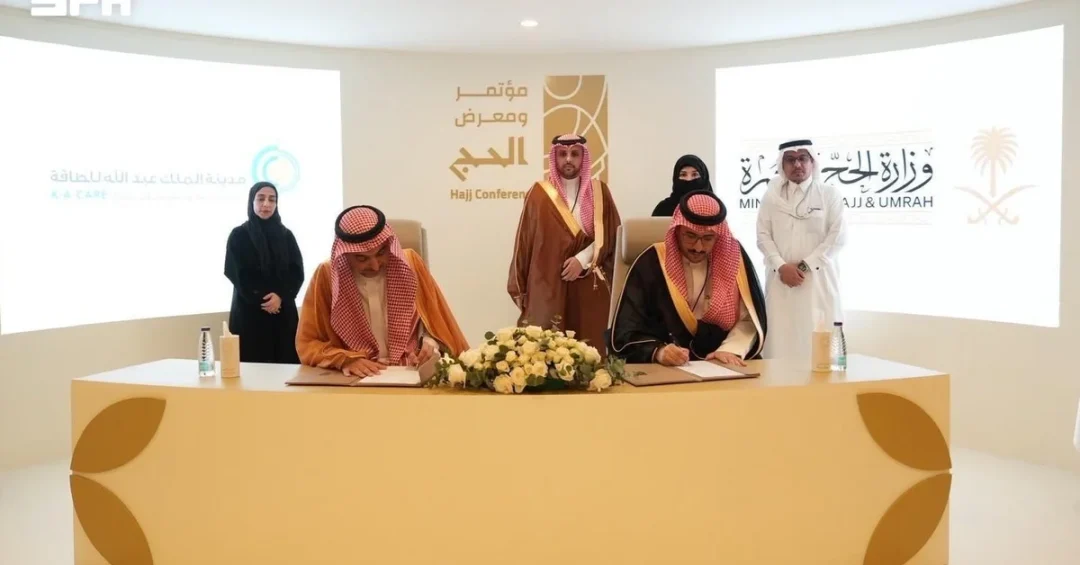
King Abdullah City for Atomic and Renewable Energy (KACARE) and the Ministry of Hajj and Umrah signed a memorandum of understanding (MoU) in Jeddah on November 12, 2026, to strengthen cooperation in data management, governance, and institutional integration. The agreement, announced via the Saudi Press Agency, aims to develop data management processes, enhance efficiency, and maximize the use of data to support decision-making across both entities. The MoU was signed by Ayman Mufti, Senior Vice President for Energy Capacity Building at KACARE, and Abdulaziz Al-Mutahmi, Deputy Minister for Digital Transformation and Information Technology at the Ministry of Hajj and Umrah. This partnership reflects Saudi Arabia’s broader push to leverage data as a strategic asset in line with Vision 2030 objectives. How might such collaborations reshape the Kingdom’s approach to data-driven governance?
The MoU covers a wide range of cooperation areas, including developing data management and governance practices, exchanging expertise to improve compliance and maturity levels in line with national requirements and policies, and strengthening the implementation of personal data protection requirements. It also encompasses exchanging expertise in smart applications, automation, and innovative solutions, as well as cooperating in the development of business intelligence systems, analytics, and digital transformation measurement to enhance operational efficiency and the use of data in decision-making. This agreement is part of KACARE’s ongoing efforts to strengthen cooperation with national entities, develop data management and governance practices, and raise institutional compliance and maturity levels. These efforts aim to enhance integration, facilitate the exchange of expertise, and improve institutional performance efficiency. What does this mean for the future of data governance in Saudi Arabia’s public sector?
Context and Background
Why is data management becoming a cornerstone of Saudi Arabia’s institutional development? In recent years, the Kingdom has accelerated its digital transformation journey under Vision 2030, recognizing data as a critical enabler for economic diversification, efficient public services, and informed policymaking. The establishment of the Saudi Data and Artificial Intelligence Authority (SDAIA) in 2019 marked a significant step toward centralizing data governance and promoting AI adoption across government entities. KACARE, founded in 2010, is tasked with developing atomic and renewable energy for peaceful purposes, while the Ministry of Hajj and Umrah manages one of the largest annual gatherings of people globally—the Hajj and Umrah pilgrimages. Both entities generate and rely on vast amounts of data, from energy production metrics to pilgrim flows and service delivery. This MoU signifies a strategic move to harmonize data practices, ensuring that decisions are based on accurate, timely, and secure information.
The collaboration also aligns with the National Data Management Office (NDMO) regulations, which set standards for data governance, classification, and protection. By partnering, KACARE and the Ministry of Hajj and Umrah can share best practices, avoid duplication, and elevate their compliance with national data policies. The agreement emphasizes personal data protection, a priority under the Saudi Personal Data Protection Law (PDPL) enacted in 2021. This is particularly relevant for the Ministry of Hajj and Umrah, which handles sensitive information of millions of pilgrims annually. For KACARE, effective data management supports research, energy planning, and operational efficiency. How can such cross-sector partnerships serve as a model for other government bodies?
The timing of this MoU is notable, as Saudi Arabia continues to host record numbers of pilgrims post-pandemic and pursues ambitious renewable energy targets. Data integration will be essential for managing crowds, optimizing energy use, and enhancing the overall pilgrimage experience. Moreover, it underscores the government’s commitment to digital transformation as a pillar of Vision 2030, fostering a culture of data-driven decision-making at all levels.
Key Details of the Agreement
What specific areas does the MoU cover, and how will they be implemented? The memorandum outlines several key areas of cooperation. First, it focuses on developing data management and governance practices, which includes creating frameworks for data quality, metadata management, and data lifecycle processes. Second, it involves exchanging expertise to improve compliance and maturity levels in line with national requirements and policies. This means both entities will work together to assess their current data governance maturity and implement improvements to meet NDMO standards. Third, the agreement strengthens the implementation of personal data protection requirements, ensuring that all data handling complies with the PDPL. This is crucial for maintaining public trust and safeguarding individual privacy.
Fourth, the MoU includes exchanging expertise in smart applications, automation, and innovative solutions. This could involve deploying AI-powered tools for data analysis, automating routine data tasks, and exploring emerging technologies. Fifth, it covers cooperation in developing business intelligence systems, analytics, and digital transformation measurement. By building advanced analytics capabilities, both KACARE and the Ministry can derive actionable insights from their data, enhancing operational efficiency and strategic planning. Finally, the agreement provides for building human capabilities through knowledge exchange, training programs, workshops, and joint scientific activities. This human capital development is vital for sustaining long-term data governance improvements.
The MoU also includes cooperation in developing studies related to various technologies and exploring opportunities to use artificial intelligence and modern technological solutions to improve data management processes and advance digital transformation. This forward-looking approach ensures that both entities remain at the forefront of technological innovation. The signing was represented by Ayman Mufti for KACARE and Abdulaziz Al-Mutahmi for the Ministry, highlighting the senior-level commitment to this partnership. What impact could AI and automation have on pilgrimage management and energy data analysis?
International and Regional Impact
How does this MoU resonate beyond Saudi Arabia’s borders? As the custodian of the Two Holy Mosques, Saudi Arabia hosts millions of pilgrims from around the world each year. Efficient data management directly affects the quality of services provided to these international visitors, from visa processing to accommodation and health services. By enhancing data governance, the Ministry of Hajj and Umrah can improve coordination with airlines, travel agencies, and foreign governments, ensuring a smoother pilgrimage experience. This, in turn, bolsters Saudi Arabia’s reputation as a capable and modern host, reinforcing its soft power and leadership in the Islamic world.
Regionally, the agreement sets a precedent for other Gulf Cooperation Council (GCC) countries pursuing digital transformation. It demonstrates how cross-sector collaborations can accelerate data governance maturity and compliance with national regulations. For international observers, this MoU signals Saudi Arabia’s serious commitment to data protection and privacy, aligning with global standards such as the GDPR. It also showcases the Kingdom’s efforts to diversify its economy by fostering innovation and technology adoption. As KACARE works on renewable and atomic energy, data-driven insights will be crucial for integrating these energy sources into the national grid and reducing carbon emissions, contributing to global climate goals. How might this partnership influence data governance trends in the Middle East?
Economic and Strategic Significance
What are the economic and strategic benefits of this MoU? Effective data management can lead to significant cost savings and efficiency gains. For the Ministry of Hajj and Umrah, better data analytics can optimize resource allocation during Hajj and Umrah seasons, reducing waste and improving service delivery. This is economically vital, as the pilgrimage industry generates billions of dollars in revenue and supports thousands of jobs. For KACARE, enhanced data governance supports research and development in renewable energy, attracting investment and fostering innovation. By sharing expertise, both entities can avoid costly redundancies and accelerate their digital transformation journeys.
Strategically, the MoU strengthens institutional integration, a key goal of Vision 2030. It promotes a culture of data-driven decision-making, which is essential for achieving the Vision’s objectives of a diversified economy, efficient government, and enhanced quality of life. The agreement also aligns with the National Transformation Program, which emphasizes digital transformation and data governance as enablers of public sector efficiency. By building human capabilities, the MoU ensures that Saudi professionals are equipped with the skills needed to manage data effectively, contributing to the development of a knowledge-based economy. This partnership also supports the Kingdom’s aspirations to become a global leader in AI and data analytics, as outlined by SDAIA. How will these efforts translate into tangible economic outcomes for Saudi citizens?
Vision 2030 Alignment
How does this MoU directly contribute to Saudi Arabia’s Vision 2030? Vision 2030 aims to transform the Kingdom into a diversified, innovative, and globally competitive economy. Central to this vision is the creation of a digital infrastructure that enables efficient government services, fosters private sector growth, and improves the quality of life for citizens and residents. The MoU between KACARE and the Ministry of Hajj and Umrah exemplifies this by promoting data governance, digital transformation, and human capital development. It supports the Vision’s goal of a transparent and accountable government by enhancing data-driven decision-making and compliance with national policies. Furthermore, it contributes to the objective of enhancing the pilgrimage experience, which is a key focus of Vision 2030’s tourism and cultural goals.
By strengthening data management practices, the MoU also aids in the protection of personal data, building trust in digital services. This is essential for encouraging broader adoption of e-government services and digital platforms, which are pillars of a modern, efficient state. The collaboration between KACARE and the Ministry of Hajj and Umrah serves as a model for other government entities, demonstrating the value of cross-sector partnerships in achieving Vision 2030 targets. As Saudi Arabia continues its journey toward a knowledge-based economy, such initiatives will be instrumental in unlocking the full potential of data as a strategic asset. What other sectors could benefit from similar data governance collaborations?
20 Questions
Q1. What is the purpose of the MoU signed between KACARE and the Ministry of Hajj and Umrah?
A1. The MoU aims to strengthen cooperation in data management, governance, and institutional integration, enhancing efficiency and data-driven decision-making to support national development goals.
Q2. Who signed the MoU on behalf of KACARE and the Ministry of Hajj and Umrah?
A2. Ayman Mufti, Senior Vice President for Energy Capacity Building at KACARE, and Abdulaziz Al-Mutahmi, Deputy Minister for Digital Transformation and Information Technology, signed the agreement.
Q3. When and where was the MoU signed?
A3. The MoU was signed in Jeddah on November 12, 2026, as reported by the Saudi Press Agency.
Q4. What are the key areas of cooperation covered by the MoU?
A4. Key areas include data management and governance, compliance and maturity improvement, personal data protection, smart applications, automation, business intelligence, analytics, and human capability building.
Q5. How does the MoU support personal data protection in Saudi Arabia?
A5. It strengthens the implementation of personal data protection requirements, ensuring compliance with the Personal Data Protection Law and safeguarding individual privacy in data handling processes.
Q6. What role does artificial intelligence play in this agreement?
A6. The MoU includes exploring opportunities to use artificial intelligence and modern technological solutions to improve data management processes and advance digital transformation.
Q7. How will the MoU enhance decision-making in both entities?
A7. By developing business intelligence systems and analytics, the MoU enables data-driven insights that enhance operational efficiency and inform strategic decisions.
Q8. What is KACARE’s role in Saudi Arabia’s energy sector?
A8. KACARE is responsible for developing atomic and renewable energy for peaceful purposes, contributing to the Kingdom’s energy diversification and sustainability goals.
Q9. Why is data management important for the Ministry of Hajj and Umrah?
A9. The Ministry manages vast amounts of pilgrim data; effective data management improves service delivery, resource allocation, and the overall pilgrimage experience for millions.
Q10. How does this MoU align with Vision 2030?
A10. It supports Vision 2030 by promoting digital transformation, data governance, and human capital development, key enablers of a diversified economy and efficient government.
Q11. What are the expected benefits for the pilgrimage experience?
A11. Enhanced data analytics can optimize crowd management, resource allocation, and service delivery, making the Hajj and Umrah experience smoother and more comfortable for pilgrims.
Q12. How does the MoU contribute to institutional integration?
A12. By fostering cooperation and knowledge exchange, the MoU enhances integration between KACARE and the Ministry, improving institutional performance and efficiency.
Q13. What training opportunities does the MoU include?
A13. The agreement includes organizing training programs, workshops, and joint scientific activities to build human capabilities and develop specialized skills in data management.
Q14. How does the MoU support Saudi Arabia’s digital transformation?
A14. It advances digital transformation by promoting smart applications, automation, and innovative solutions, enhancing operational efficiency and data use in decision-making.
Q15. What is the significance of data governance maturity levels mentioned in the MoU?
A15. Maturity levels refer to the stages of data governance development; improving them ensures compliance with national policies and enhances institutional data management practices.
Q16. How might this MoU impact other government entities?
A16. It serves as a model for cross-sector collaboration, encouraging other entities to adopt similar data governance practices and partnerships to achieve Vision 2030 goals.
Q17. What role does the Saudi Data and Artificial Intelligence Authority (SDAIA) play in this context?
A17. SDAIA sets national data and AI policies; the MoU aligns with its regulations, ensuring both entities comply with national standards for data governance and protection.
Q18. How does the MoU address compliance with national requirements?
A18. It includes exchanging expertise to improve compliance and maturity levels in line with national requirements and policies, ensuring adherence to regulatory frameworks.
Q19. What are the long-term strategic implications of this MoU?
A19. It strengthens Saudi Arabia’s data infrastructure, supports economic diversification, and enhances the Kingdom’s position as a leader in digital governance and innovation.
Q20. How can the public benefit from improved data management in these entities?
A20. Better data management leads to more efficient services, enhanced pilgrimage experiences, and improved energy planning, ultimately contributing to a higher quality of life for citizens and visitors.
Reader Feedback
We value your thoughts. Please share your feedback on this article.
Your feedback helps us improve our coverage.
Related articles
 NAUSS President Joins 42nd Arab Justice Ministers Session
 Jordan Condemns Houthi Attacks on Saudi Arabia
 Saudi Arabia Joins Global Anti-Corruption Forum in Dushanbe
 Saudi Ambassador Meets Mauritanian Energy Minister
 SAMI Concludes First RUKN Supplier Day in Istanbul
 GEOSA and Kidana Sign Geospatial Agreement for Holy Sites