


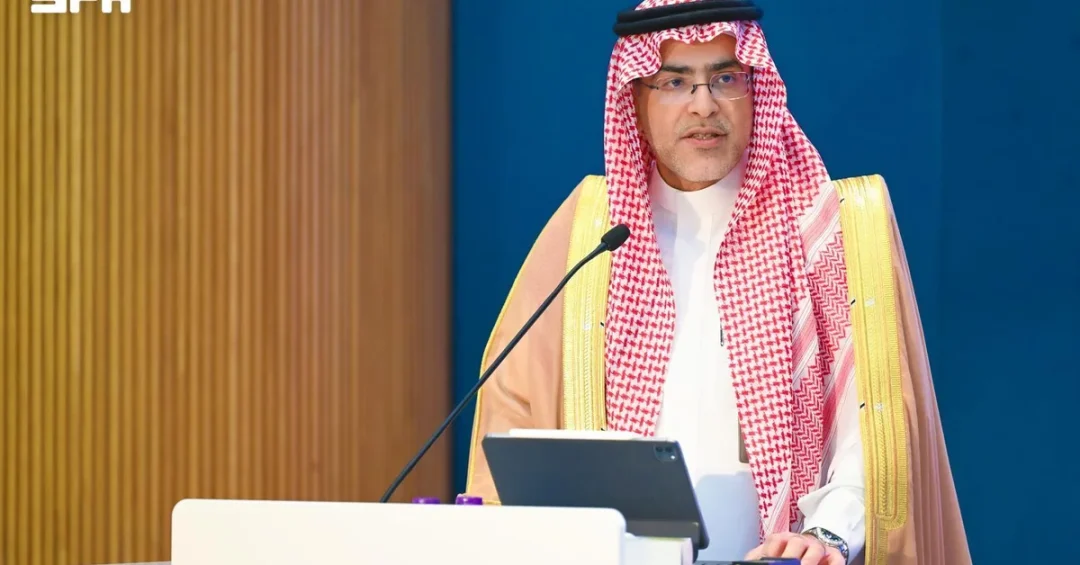
The Saudi Standards, Metrology and Quality Organization (SASO) marked World Quality Day by hosting the World Quality Day Forum 2026 in Jeddah on November 12, under the theme “Quality: Enhancing Performance.” The forum, organized in cooperation with the Saudi Society for Quality, brought together officials, experts, and specialists in quality and institutional excellence to promote a culture of quality and showcase national practices that improve institutional performance and service efficiency. During the event, Governor of SASO Saad AlKasabi honored several entities that received the Saudi Quality Certificate “HAYYAK” for Beneficiaries’ Services Centers, as well as the Certificate of Conformity for Volunteer Management in Organizations. The event underscores SASO’s pivotal role in advancing quality standards across the Kingdom, aligning with Saudi Vision 2030’s goals of economic diversification and enhanced public sector performance. But what does this annual commemoration reveal about Saudi Arabia’s broader journey toward excellence?
World Quality Day, observed globally on the second Thursday of November, serves as a platform to raise awareness about the importance of quality in driving organizational success and sustainable development. In Saudi Arabia, the occasion takes on added significance as the Kingdom accelerates its transformation under Vision 2030, a comprehensive blueprint to diversify the economy, empower citizens, and elevate public services. SASO, as the national standards body, has been at the forefront of this transformation, developing and enforcing standards that ensure products and services meet rigorous quality benchmarks. The 2026 forum not only celebrated achievements but also set the stage for future innovations in quality management. How does such an event shape the everyday experiences of citizens and residents?
Context and Background
Established in 1972, SASO has evolved into a cornerstone of Saudi Arabia’s quality infrastructure, responsible for standards, metrology, and quality assurance across all sectors. Its mandate includes developing Saudi standards, conducting conformity assessments, and promoting quality culture in both public and private entities. Over the decades, SASO has expanded its scope to encompass emerging fields such as sustainability, technology, and volunteerism, reflecting the Kingdom’s dynamic needs. The World Quality Day Forum 2026 builds on this legacy, highlighting how quality principles are integral to achieving the ambitious targets of Vision 2030, including raising the non-oil private sector’s contribution to GDP and improving government efficiency. Isn’t it remarkable how a single organization can influence so many facets of national life?
The forum was organized in partnership with the Saudi Society for Quality, a professional body dedicated to advancing quality practices and knowledge sharing among practitioners. This collaboration exemplifies the power of public-private partnerships in driving national agendas. The theme “Quality: Enhancing Performance” resonates deeply in a year that has seen Saudi Arabia achieve notable milestones in sectors ranging from tourism to manufacturing. By focusing on performance enhancement, SASO and its partners aim to embed quality as a core value in organizational cultures, leading to tangible improvements in service delivery and customer satisfaction. The event also provided a platform for entities to share success stories and lessons learned, fostering a community of practice that can accelerate progress across industries. What can other nations learn from Saudi Arabia’s systematic approach to quality?
Historically, Saudi Arabia has placed increasing emphasis on quality as a driver of competitiveness. The National Transformation Program, a key Vision 2030 initiative, has set specific targets for improving government performance and citizen satisfaction. SASO’s efforts are directly aligned with these objectives, as evidenced by the introduction of the HAYYAK certificate for beneficiaries’ services centers, which recognizes entities that deliver exceptional customer service. Similarly, the Certificate of Conformity for Volunteer Management in Organizations acknowledges excellence in managing volunteer programs, a growing area as the Kingdom seeks to boost civic engagement. These certifications are not merely awards; they are tools for continuous improvement, encouraging organizations to benchmark against best practices and innovate. How might such recognition inspire other sectors to elevate their standards?
Key Details
At the heart of the forum was the recognition of several entities that received the Saudi Quality Certificate “HAYYAK” for Beneficiaries’ Services Centers. This certificate, launched by SASO, evaluates service centers based on criteria such as customer satisfaction, operational efficiency, and accessibility. Recipients undergo a rigorous assessment process, ensuring that they meet the highest standards of service delivery. By honoring these entities, SASO not only celebrates their achievements but also encourages others to follow suit. The HAYYAK certificate has become a sought-after mark of excellence, signaling to the public that a service center is committed to quality. In a nation where government services are rapidly digitizing, such recognition helps build trust and encourages a culture of continuous improvement. Could this model be replicated in other countries seeking to enhance public service quality?
Additionally, the Certificate of Conformity for Volunteer Management in Organizations was awarded to entities that demonstrated outstanding practices in recruiting, training, and retaining volunteers. As Saudi Arabia aims to increase volunteerism rates as part of Vision 2030, this certification plays a crucial role in professionalizing the sector. It provides a framework for organizations to align their volunteer programs with national standards, ensuring that volunteers are effectively utilized and recognized. The certificate also highlights the importance of volunteerism in fostering social cohesion and addressing community needs. By honoring these organizations, SASO underscores the value of volunteer work and encourages more entities to invest in structured volunteer management. How does volunteerism contribute to the social fabric of a rapidly modernizing society?
Governor Saad AlKasabi, in his remarks during the forum, emphasized SASO’s commitment to expanding the culture of quality across all sectors. He noted that quality is not just about compliance but about exceeding expectations and creating value for beneficiaries. AlKasabi’s leadership has been instrumental in driving SASO’s strategic initiatives, including the development of new standards and the promotion of quality awareness. His presence at the forum, personally honoring the recipients, underscores the high priority the Kingdom places on quality and excellence. The event also featured presentations and panel discussions where experts shared insights on topics such as performance measurement, innovation in quality management, and the role of leadership in fostering quality cultures. What leadership qualities are essential to embed quality in an organization’s DNA?
Furthermore, the forum served as a networking opportunity for quality professionals from various industries, facilitating the exchange of ideas and best practices. Participants included representatives from government ministries, private companies, and non-profit organizations, all united by a common goal of enhancing performance through quality. Such cross-sector collaboration is vital for addressing complex challenges and driving systemic change. The discussions likely touched on emerging trends such as digital quality management, the use of artificial intelligence in quality control, and the integration of sustainability into quality frameworks. These topics are particularly relevant as Saudi Arabia embraces the Fourth Industrial Revolution and seeks to position itself as a global leader in innovation. How can traditional quality management adapt to the digital age?
International and Regional Impact
Saudi Arabia’s emphasis on quality extends beyond its borders, influencing regional and international standards. As a member of the International Organization for Standardization (ISO) and other global bodies, SASO actively contributes to the development of international standards, ensuring that Saudi perspectives are represented. The Kingdom’s advancements in quality management serve as a model for other countries in the Middle East and beyond, particularly those undergoing similar economic diversification efforts. By hosting events like the World Quality Day Forum, Saudi Arabia positions itself as a thought leader in quality and excellence, attracting attention from global experts and organizations. This soft power projection aligns with Vision 2030’s goal of enhancing the Kingdom’s international standing. Isn’t it inspiring to see a nation take such a proactive role in shaping global best practices?
Regionally, the forum’s outcomes could catalyze quality initiatives in neighboring Gulf Cooperation Council (GCC) countries, many of which share similar developmental goals. The HAYYAK certificate, for instance, could inspire similar programs aimed at improving government service centers across the region. Moreover, the focus on volunteer management certification addresses a universal need for effective volunteer engagement, which is critical for social development. By sharing its experiences, Saudi Arabia fosters a culture of knowledge exchange that benefits the entire region. The forum also provided an opportunity to showcase Saudi Arabia’s progress to international audiences, potentially attracting foreign investment and partnerships. How might such regional cooperation accelerate the achievement of the Sustainable Development Goals?
Economic and Strategic Significance
Quality enhancement is intrinsically linked to economic growth and competitiveness. For Saudi Arabia, improving the quality of products and services is essential for diversifying the economy away from oil, as outlined in Vision 2030. High-quality standards reduce waste, increase efficiency, and boost consumer confidence, all of which contribute to a vibrant private sector. The HAYYAK certificate, by improving service centers, directly enhances the business environment, making it easier for entrepreneurs and investors to navigate government processes. Similarly, effective volunteer management can mobilize human capital for social and economic projects, supplementing the workforce and addressing community needs. These initiatives collectively support the Kingdom’s goal of creating a thriving, diversified economy. What economic dividends can a robust quality infrastructure yield in the long term?
Strategically, SASO’s work supports Saudi Arabia’s ambitions to become a global hub for trade and investment. By aligning national standards with international norms, SASO facilitates exports and reduces technical barriers to trade. This is particularly important as the Kingdom expands its non-oil exports and seeks to attract foreign direct investment. The recognition of entities at the forum sends a signal that Saudi Arabia is serious about quality, which can enhance the reputation of Saudi products and services abroad. Furthermore, the emphasis on volunteerism aligns with the strategic objective of building a resilient and cohesive society, which is a prerequisite for sustainable development. The forum thus contributes to both economic and social dimensions of Vision 2030. How does quality infrastructure underpin a nation’s resilience in a volatile global economy?
Vision 2030 Alignment
The World Quality Day Forum 2026 and the honoring of certificate recipients are direct manifestations of Vision 2030’s core themes: a vibrant society, a thriving economy, and an ambitious nation. By promoting quality culture, SASO empowers organizations to deliver better services, which enhances the quality of life for citizens and residents. The HAYYAK certificate, for example, ensures that beneficiaries’ services centers are user-friendly and efficient, aligning with the Vision’s goal of improving government effectiveness. The volunteer management certificate supports the development of a strong social fabric, encouraging civic participation and community development. These efforts collectively contribute to the Vision’s targets, such as increasing the non-oil private sector’s GDP contribution and raising the Kingdom’s ranking in global competitiveness indices. Isn’t it clear that quality is not just a technical requirement but a strategic enabler?
Looking ahead, SASO is expected to continue expanding its certification programs and quality initiatives, potentially introducing new certificates for emerging sectors such as artificial intelligence, renewable energy, and healthcare. The organization’s proactive approach ensures that Saudi Arabia remains at the forefront of quality innovation, setting benchmarks for others to follow. As the Kingdom marches toward 2030 and beyond, the culture of quality will be indispensable in realizing the full potential of its people and economy. The World Quality Day Forum 2026 thus serves as both a celebration of past achievements and a launchpad for future excellence. With such dedication to quality, Saudi Arabia is well on its way to achieving its ambitious vision and inspiring the world. How will the next generation of Saudi leaders build on this legacy of quality?
20 Questions
Q1. What is World Quality Day and why is it significant?
A1. World Quality Day is observed annually on the second Thursday of November to raise awareness about quality’s role in organizational success and sustainable development. It highlights best practices and encourages continuous improvement across sectors globally.
Q2. What is SASO and what is its mandate?
A2. The Saudi Standards, Metrology and Quality Organization (SASO) is the national standards body of Saudi Arabia. It develops standards, ensures conformity, and promotes quality culture to enhance competitiveness and support Vision 2030.
Q3. What was the theme of the World Quality Day Forum 2026?
A3. The forum was held under the theme “Quality: Enhancing Performance.” It focused on promoting a culture of quality and showcasing national practices that improve institutional performance and service efficiency.
Q4. Who organized the forum and who participated?
A4. SASO organized the forum in cooperation with the Saudi Society for Quality. It brought together officials, experts, and specialists in quality and institutional excellence from various sectors.
Q5. What is the HAYYAK certificate?
A5. The HAYYAK certificate is a Saudi Quality Certificate for Beneficiaries’ Services Centers. It recognizes entities that meet high standards in customer service, operational efficiency, and accessibility.
Q6. What is the Certificate of Conformity for Volunteer Management?
A6. This certificate recognizes organizations with outstanding volunteer management practices. It ensures volunteers are effectively recruited, trained, and retained, supporting Vision 2030’s volunteerism goals.
Q7. Who honored the certificate recipients?
A7. Governor of SASO Saad AlKasabi honored the entities that received the HAYYAK certificate and the Certificate of Conformity for Volunteer Management during the forum.
Q8. How does the forum support Vision 2030?
A8. The forum promotes quality culture, which enhances public service efficiency and economic competitiveness. These align with Vision 2030’s objectives of diversifying the economy and improving government performance.
Q9. What is the role of the Saudi Society for Quality?
A9. The Saudi Society for Quality is a professional body that advances quality practices and knowledge sharing. It partnered with SASO to organize the forum and promote quality awareness.
Q10. Why is quality important for Saudi Arabia’s economy?
A10. Quality enhances competitiveness, reduces waste, and boosts consumer confidence. It supports economic diversification by enabling high-quality Saudi products and services to compete globally.
Q11. How does SASO contribute to international standards?
A11. SASO participates in international standardization bodies like ISO, ensuring Saudi perspectives are represented. This helps align national standards with global norms and facilitates trade.
Q12. What are beneficiaries’ services centers?
A12. These are government service centers that serve the public. The HAYYAK certificate evaluates their performance to ensure they meet quality benchmarks for customer satisfaction.
Q13. How does volunteer management relate to quality?
A13. Effective volunteer management ensures volunteers are utilized efficiently, contributing to social development. The certificate standardizes best practices, enhancing the impact of volunteer programs.
Q14. What other initiatives has SASO undertaken for quality?
A14. SASO has launched various standards and certification programs across sectors, including sustainability, technology, and healthcare. It also conducts awareness campaigns to promote quality culture.
Q15. How can organizations apply for these certificates?
A15. Organizations can apply through SASO’s official channels. They undergo assessment based on specific criteria. Successful entities are awarded certificates, which are valid for a defined period.
Q16. What impact does the forum have on the private sector?
A16. The forum encourages private sector entities to adopt quality practices, enhancing their competitiveness. It also provides networking opportunities and insights into best practices.
Q17. How does quality improvement benefit citizens?
A17. Citizens experience better government services, safer products, and improved public amenities. Quality improvements lead to higher satisfaction and trust in institutions.
Q18. What is the significance of the forum being held in Jeddah?
A18. Jeddah is a major commercial hub and gateway to the Kingdom. Hosting the forum there highlights the city’s role in Saudi Arabia’s economic and cultural landscape.
Q19. How does SASO measure the success of its quality initiatives?
A19. SASO uses performance indicators, customer feedback, and compliance audits. Success is reflected in increased certification uptake and improved service quality metrics.
Q20. What future plans does SASO have for quality enhancement?
A20. SASO plans to expand certification programs to new sectors, leverage technology for quality management, and continue promoting quality culture to support Vision 2030 and beyond.
Reader Feedback
We value your thoughts. Please share your feedback on this article.
Your feedback helps us improve our coverage.
Related articles
 KSrelief Distributes Shelter Aid in Yemen’s Marib
 KSrelief Delivers Clean Water to Displaced Families in Aden
 Commerce Ministry Warns of Airbag Defect Affecting over 44,000 Hyundai Elantra Vehicles, Urges Owners to Seek Free Repairs
 Madinah Authority Wins Silver at ICXA 2026
 Arab Parliament Welcomes UN Vote on Palestinian Resources
 Sudanese Army Rejects Dialogue Amid Civilian Violations