


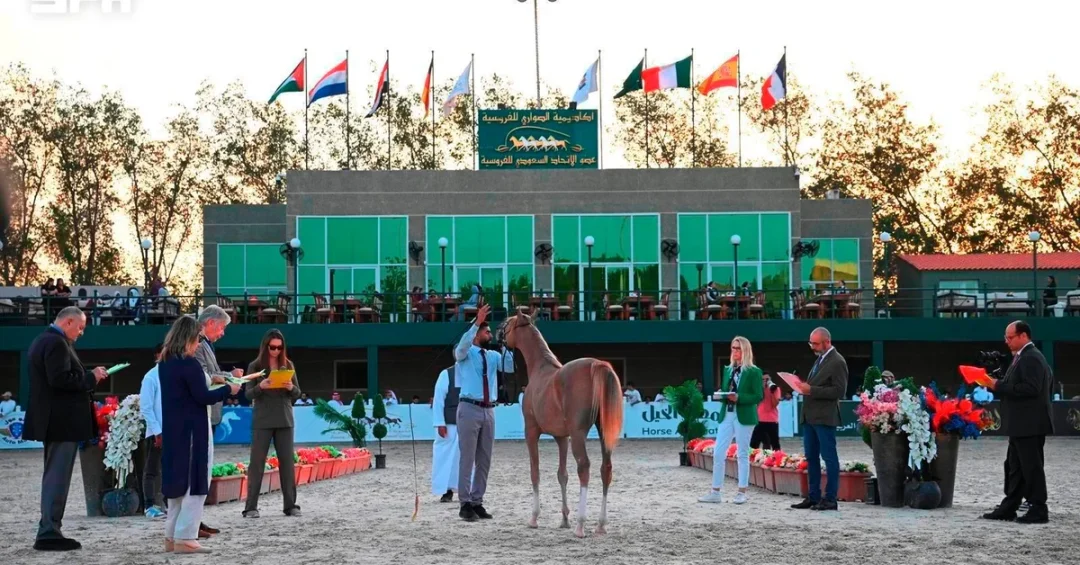
The 17th Makkah International Arabian Horse Festival commenced on Friday under the patronage of Deputy Governor of Makkah Region Prince Saud bin Mishaal bin Abdulaziz, organized by Sawary Farm. The three-day event, held in Jeddah, brings together equestrian enthusiasts, breeders, and cultural figures to celebrate the Arabian horse’s enduring legacy and its role in Saudi Arabia’s modern sporting landscape. The festival features a range of activities designed to promote equestrian sports, highlight their rich heritage, and showcase the organizational and technical excellence that defines Saudi Arabia’s growing events sector.
Have you ever wondered how a single festival can bridge centuries of tradition and the cutting edge of modern event management? The Makkah International Arabian Horse Festival does exactly that, offering a platform where the noble Arabian horse—a symbol of pride and identity—takes center stage. With media coverage extending to audiences in Saudi Arabia and abroad, the event underscores the Kingdom’s commitment to preserving its cultural heritage while advancing its Vision 2030 goals of diversifying the economy and enriching quality of life. As the festival unfolds over three days, it promises not only thrilling competitions but also a deeper appreciation of the bond between Saudis and their equine heritage.
Context and Background
Why does the Arabian horse continue to capture the world’s imagination, and why is Makkah the perfect backdrop for this celebration? The Arabian horse, known for its intelligence, endurance, and beauty, has been intertwined with Saudi history for millennia. It was bred by Bedouin tribes and revered as a symbol of honor and prestige. Today, the Kingdom honors that legacy through events like this festival, which is organized by Sawary Farm, a prominent equestrian establishment dedicated to preserving and promoting purebred Arabian horses. The festival’s location in Makkah Region adds a layer of spiritual and cultural significance, as the area is not only the birthplace of Islam but also a crossroads of civilizations.
The 17th edition of the festival builds on a storied tradition that has grown in scale and prestige year after year. Under the patronage of Prince Saud bin Mishaal bin Abdulaziz, the event reflects the leadership’s unwavering support for equestrian sports as a vital component of Saudi heritage and a driver of tourism and economic activity. The Deputy Governor’s involvement signals the high-level attention given to such cultural events, which align with the national vision of fostering pride in Saudi identity while welcoming international visitors. As the festival kicks off, it carries forward a legacy that dates back to the founding of the Kingdom, when horses were essential to daily life and warfare.
Have you considered how equestrian sports have evolved in Saudi Arabia over the past decade? The Kingdom has invested heavily in developing world-class facilities, hosting international competitions, and nurturing local talent. The Makkah International Arabian Horse Festival is a testament to these efforts, offering a stage for breeders and riders to demonstrate the finest examples of Arabian horseflesh. It also serves as a meeting point for experts, enthusiasts, and media, creating opportunities for knowledge exchange and cultural diplomacy. This year’s edition is particularly significant as it coincides with a broader push to expand Saudi Arabia’s sporting calendar and attract global attention to its unique cultural offerings.
Key Details
What can attendees expect from the three-day extravaganza? The festival features a comprehensive program that includes competitions in various equestrian disciplines, such as show jumping, dressage, and traditional Arabian horse shows. These events not only test the agility and grace of the horses but also highlight the skill of their riders and handlers. Accompanying activities include cultural exhibitions, art displays, and interactive workshops that delve into the history of Arabian horsemanship. Media and visual content play a crucial role, with dedicated teams documenting the competitions and sharing highlights through news reports and social media, ensuring that enthusiasts in Saudi Arabia and abroad can follow the action.
The organizational and technical aspects of the festival are meticulously managed by Sawary Farm, which has a proven track record of hosting high-caliber equestrian events. The farm’s expertise ensures that the competition adheres to international standards, providing a fair and challenging environment for participants. Moreover, the festival includes educational components, such as seminars on horse care and breeding, led by renowned experts. These sessions aim to build a body of knowledge that documents the sport and its heritage, contributing to the sustainability of equestrian traditions for future generations. The presence of media from various outlets amplifies the festival’s reach, turning it into a global showcase for Saudi Arabia’s equestrian prowess.
Have you ever witnessed the sheer majesty of an Arabian horse in full stride? The festival offers numerous opportunities to do just that, with daily competitions that draw top breeders and riders from across the Kingdom and beyond. The event also features a dedicated area for children, where they can learn about horses through interactive displays and pony rides, fostering a love for the sport from a young age. Additionally, the festival includes a heritage village that recreates traditional Bedouin life, complete with crafts, cuisine, and music, providing a holistic cultural experience. These elements combine to make the festival more than just a sporting event; it is a celebration of Saudi identity and a bridge to the world.
International and Regional Impact
How does a regional festival like this resonate on the global stage? The Makkah International Arabian Horse Festival attracts participants and spectators from around the world, including breeders from Europe, the Americas, and the Middle East. This international participation fosters cultural exchange and strengthens Saudi Arabia’s position as a hub for equestrian excellence. The media coverage, which extends to international outlets, helps dispel misconceptions and showcases the Kingdom’s modernization and openness. By hosting such events, Saudi Arabia reinforces its commitment to Vision 2030’s goal of increasing international engagement and promoting tourism. The festival also serves as a platform for diplomatic soft power, as ambassadors and dignitaries often attend, further enhancing Saudi Arabia’s global image.
Regionally, the festival contributes to the Gulf’s rich tapestry of cultural events, complementing similar competitions in the UAE, Qatar, and Bahrain. However, Makkah’s unique spiritual significance gives it a distinct appeal, drawing visitors who wish to combine cultural exploration with religious tourism. The event also stimulates local economies by boosting hospitality, retail, and transportation sectors in Jeddah and the surrounding region. As Saudi Arabia continues to open up to the world, festivals like this play a pivotal role in attracting foreign investment and showcasing the Kingdom’s capabilities in event management. The positive ripple effects extend beyond the equestrian community, benefiting businesses and communities alike.
Economic and Strategic Significance
What economic benefits does the festival bring to the Kingdom? The event generates significant economic activity, from hotel bookings and restaurant patronage to increased demand for local crafts and services. It also creates temporary employment opportunities in event management, media production, and hospitality. Strategically, the festival aligns with Vision 2030’s objective of diversifying revenue streams away from oil by promoting tourism and entertainment. The equestrian sector itself has growth potential, with Saudi Arabia aiming to become a leading breeder and exporter of Arabian horses. By supporting such events, the government encourages private sector investment in equestrian infrastructure, including breeding farms, training centers, and veterinary services.
Have you considered how equestrian sports contribute to Saudi Arabia’s soft power? The festival enhances the Kingdom’s reputation as a custodian of Arabian heritage and a modern, dynamic nation. It also strengthens ties with other horse-loving nations, opening doors for trade and collaboration. The media coverage further amplifies these benefits, reaching millions of viewers and readers worldwide. As part of the broader sports strategy, the festival complements other major events like the Saudi Cup and the Dakar Rally, positioning Saudi Arabia as a premier destination for sports tourism. This strategic focus on sports and culture is a cornerstone of Vision 2030, driving economic growth and social progress.
Vision 2030 Alignment
How does the Makkah International Arabian Horse Festival embody the spirit of Vision 2030? The festival directly supports several pillars of the vision, including the preservation of Saudi heritage, the promotion of cultural activities, and the development of tourism. By showcasing the Arabian horse, the event celebrates a key element of Saudi identity while also attracting international visitors, thereby contributing to the goal of increasing tourism’s share of GDP. It also aligns with the Quality of Life Program, which aims to enhance recreational opportunities for citizens and residents. The leadership’s patronage underscores the importance of such events in achieving the vision’s ambitious targets.
As the festival concludes, it leaves behind a legacy of cultural pride and economic opportunity, reinforcing Saudi Arabia’s position as a global leader in preserving and promoting equestrian heritage. The event also inspires the next generation of riders and breeders, ensuring that the Arabian horse remains a cherished symbol of the Kingdom for years to come. Through initiatives like this, Saudi Arabia continues to demonstrate that tradition and modernity can thrive together, paving the way for a prosperous future. The 17th Makkah International Arabian Horse Festival is not just a competition; it is a celebration of a nation’s soul and a testament to its forward-looking vision.
20 Questions
Q1. What is the Makkah International Arabian Horse Festival?
A1. It is an annual three-day event organized by Sawary Farm that celebrates the Arabian horse, featuring competitions, cultural activities, and media coverage to promote equestrian sports and Saudi heritage.
Q2. Who is the patron of the 17th edition?
A2. Deputy Governor of Makkah Region Prince Saud bin Mishaal bin Abdulaziz is the patron, reflecting the leadership’s support for equestrian sports and cultural events.
Q3. Where is the festival held?
A3. The festival is held in Jeddah, within the Makkah Region of Saudi Arabia, a location rich in cultural and spiritual significance.
Q4. How long does the festival last?
A4. The festival spans three days, during which a variety of equestrian competitions and accompanying cultural activities take place.
Q5. What activities are featured at the festival?
A5. Activities include show jumping, dressage, Arabian horse shows, cultural exhibitions, art displays, workshops, and educational seminars on horse care and breeding.
Q6. Who organizes the festival?
A6. Sawary Farm, a prominent equestrian establishment dedicated to preserving and promoting purebred Arabian horses, organizes the event with high organizational and technical standards.
Q7. Why is the Arabian horse significant to Saudi Arabia?
A7. The Arabian horse is a symbol of Saudi heritage, pride, and identity, historically bred by Bedouin tribes and revered for its intelligence, endurance, and beauty.
Q8. How does the festival promote equestrian sports?
A8. By hosting top-level competitions, providing a platform for riders and breeders, and using media coverage to share the sport with audiences in Saudi Arabia and abroad.
Q9. What role does media play in the festival?
A9. Media coverage expands the event’s reach through news reports and visual content, documenting competitions and cultural aspects, and building a knowledge base for the sport.
Q10. How does the festival align with Vision 2030?
A10. It supports Vision 2030 by preserving heritage, promoting tourism, enhancing quality of life, and diversifying the economy through cultural and sporting events.
Q11. What international participation does the festival attract?
A11. The festival draws breeders, riders, and spectators from around the world, including Europe, the Americas, and the Middle East, fostering cultural exchange and global engagement.
Q12. What economic benefits does the festival bring?
A12. It stimulates local economies through hospitality, retail, and transportation spending, creates jobs, and encourages investment in equestrian infrastructure and related services.
Q13. Are there activities for children at the festival?
A13. Yes, there is a dedicated area for children with interactive displays and pony rides, designed to foster a love for horses and equestrian sports from a young age.
Q14. What is the heritage village at the festival?
A14. The heritage village recreates traditional Bedouin life, offering crafts, cuisine, and music, providing visitors with a holistic cultural experience of Saudi Arabia’s past.
Q15. How does the festival contribute to Saudi Arabia’s soft power?
A15. It enhances the Kingdom’s global image as a custodian of Arabian heritage and a modern nation, strengthening diplomatic ties and attracting international attention and investment.
Q16. What is the significance of the festival’s location in Makkah Region?
A16. Makkah Region is the birthplace of Islam and a crossroads of civilizations, adding spiritual and cultural depth to the festival and attracting visitors interested in religious and cultural tourism.
Q17. How does the festival support the equestrian sector?
A17. By providing a competitive platform, encouraging breeding and training, and fostering private sector investment, the festival helps grow Saudi Arabia’s equestrian industry and its global reputation.
Q18. What educational components does the festival include?
A18. It features seminars and workshops led by experts on horse care, breeding, and equestrian techniques, aimed at building knowledge and sustaining traditions for future generations.
Q19. How does the festival compare to other equestrian events in the region?
A19. While similar events exist in the Gulf, Makkah’s unique spiritual significance and the festival’s comprehensive cultural program give it a distinct appeal and broader impact.
Q20. What is the legacy of the Makkah International Arabian Horse Festival?
A20. It leaves a legacy of cultural pride, economic opportunity, and international goodwill, reinforcing Saudi Arabia’s role as a global leader in equestrian heritage and Vision 2030 achievements.
Reader Feedback
We value your thoughts. Please share your feedback on this article.
Your feedback helps us improve our coverage.
Related articles
 MWL Launches Andalusian Heritage Revival Event
 Historic Jeddah Honored for Welcoming Pilgrims Legacy
 Historic Riyadh Al-Khabra Market Showcases Qassim Heritage
 Saudi Arabia to Host Quran Competition for West Africa in Nouakchott
 Jazan’s Wooden Grain Measures Preserve Heritage
 Tihama’s Mild Winter Draws Aseer’s Hives to Warmer Lowlands