


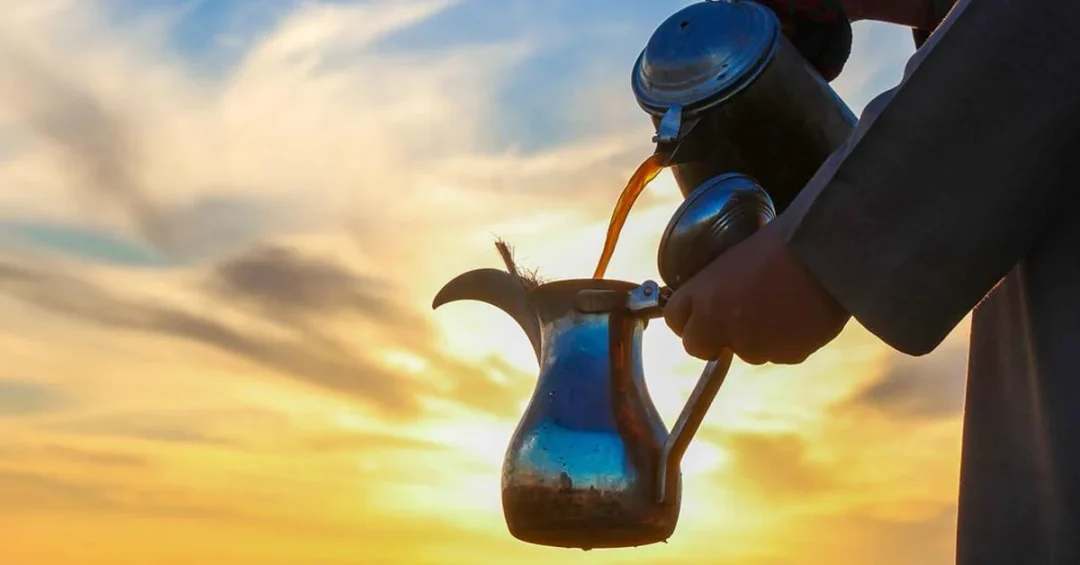
Winter rains have transformed the desert south of Rafha Governorate in the Northern Borders Region into a vibrant landscape of green plains, wide horizons, colorful sunsets, and clear skies, according to the Saudi Press Agency (SPA). The seasonal greenery, which blankets the area following rainfall, has created a scenic winter destination that is drawing attention for its natural beauty and tranquil atmosphere. The SPA report, released on November 14, 2026, highlights how the region’s traditional winter character—including the preparation of coffee in the open desert—adds warmth and cultural richness to the experience for visitors and locals alike.
This annual phenomenon is not merely a visual spectacle; it represents a delicate ecological balance that supports local biodiversity and offers a unique opportunity for nature enthusiasts. As the Kingdom of Saudi Arabia continues to develop its tourism sector under Vision 2030, such natural seasonal events are becoming increasingly significant for domestic and international visitors seeking authentic experiences. The transformation of the arid landscape into verdant plains underscores the resilience of nature and the potential for sustainable tourism in the Northern Borders Region, an area rich in heritage and natural wonders.
Context and Background
Have you ever imagined the Arabian desert blooming with life after a rainfall? The Northern Borders Region, with Rafha Governorate at its heart, is known for its stark desert beauty, but winter rains bring a dramatic change. The SPA report describes how green vegetation now covers the desert south of Rafha, creating a winter scene that is both rare and captivating. This phenomenon occurs when seasonal rains soak the soil, triggering the germination of dormant seeds and the growth of annual plants and grasses. The result is a temporary but stunning transformation that attracts visitors from across the Kingdom and beyond.
Rafha, located near the border with Iraq, has long been a stopover for travelers and a center for trade and culture. The region’s winter climate, with cooler temperatures and occasional rainfall, makes it ideal for outdoor activities and desert camping. Traditionally, locals have celebrated the winter season by venturing into the desert to enjoy the greenery, practice traditional coffee preparation, and share stories around the campfire. This cultural practice, highlighted in the SPA report, is a testament to the deep connection between the people of the Northern Borders and their environment. As the Kingdom opens up to tourism, these authentic experiences are gaining new prominence.
The SPA report, released on November 14, 2026, serves as an official acknowledgment of the region’s winter allure. It underscores the importance of documenting and promoting such natural events, which contribute to the Kingdom’s diverse tourism offerings. The report also reminds us that Saudi Arabia’s landscapes are not monolithic; they encompass mountains, coasts, and deserts that each have their own seasonal charm. By showcasing the winter greenery south of Rafha, the SPA provides a glimpse into a lesser-known but increasingly accessible part of the Kingdom.
Key Details of the Winter Greenery
What exactly makes the winter greenery south of Rafha so special? According to the SPA, the area is currently blanketed with green vegetation that stretches across the desert plains, creating a vibrant contrast against the typically sandy terrain. The scene is characterized by verdant plains, wide horizons, colorful sunsets, and clear skies. These elements combine to offer a visual feast for photographers, nature lovers, and families seeking a peaceful retreat. The greenery is expected to last through the winter months, depending on rainfall patterns, providing a window of opportunity for visitors to witness this fleeting beauty.
One of the most evocative details in the SPA report is the mention of coffee prepared in the traditional way in the open desert. This practice, a hallmark of winter in the region, adds a cultural dimension to the natural spectacle. The aroma of freshly roasted coffee beans, the rhythmic pouring from a dallah (traditional coffee pot), and the warmth of the fire create an immersive experience that connects visitors to Bedouin hospitality. It is a reminder that the winter greenery is not just about scenery; it is about a way of life that has endured for generations. The SPA’s inclusion of this detail highlights the seamless blend of nature and culture that defines the Northern Borders Region.
The report also notes the clear skies, which are ideal for stargazing and astrophotography. With minimal light pollution, the desert south of Rafha offers unobstructed views of the night sky, making it a potential draw for astronomy enthusiasts. The combination of daytime greenery and nighttime celestial displays creates a round-the-clock appeal for tourists. As Saudi Arabia invests in eco-tourism and adventure travel, such natural assets are invaluable. The SPA’s factual reporting provides a foundation for promoting the region responsibly, ensuring that visitors respect the environment and local customs.
International and Regional Impact
Could this seasonal transformation position Saudi Arabia as a unique winter destination? The emergence of green landscapes in the Northern Borders Region adds a new dimension to the Kingdom’s tourism portfolio, which traditionally emphasizes heritage, culture, and Red Sea resorts. International travelers seeking off-the-beaten-path experiences may find the winter greenery south of Rafha particularly appealing. It offers a chance to witness a desert in bloom—a phenomenon that is rare and awe-inspiring. As global travel trends shift toward sustainable and experiential tourism, Saudi Arabia’s natural seasonal events are well-positioned to attract discerning visitors.
Regionally, the winter greenery fosters pride and connection among Gulf Cooperation Council (GCC) citizens, who share similar desert environments. The SPA report may inspire travelers from neighboring countries to explore the Northern Borders Region, boosting intra-regional tourism. Moreover, the event highlights the Kingdom’s commitment to preserving its natural heritage while opening it up for responsible enjoyment. This aligns with Vision 2030’s goal of increasing tourism’s contribution to GDP and creating jobs. By showcasing the winter greenery, Saudi Arabia demonstrates that its attractions extend beyond iconic sites like AlUla and NEOM, offering diverse experiences across all regions.
Economic and Strategic Significance
What economic opportunities arise from this natural spectacle? The winter greenery south of Rafha can stimulate local economies by attracting visitors who spend on accommodation, food, and guided tours. While the area may not have extensive hospitality infrastructure yet, the growing interest could spur investment in eco-lodges, campsites, and visitor centers. Local entrepreneurs can offer traditional coffee experiences, desert safaris, and photography tours, creating jobs and supporting Vision 2030’s economic diversification goals. The SPA’s coverage serves as free promotion, raising awareness among potential tourists and investors.
Strategically, the development of tourism in the Northern Borders Region enhances national integration and security. By bringing economic activity to remote areas, the government can improve livelihoods and infrastructure, reducing regional disparities. The winter greenery also serves as a soft power asset, showcasing Saudi Arabia’s natural beauty and hospitality to the world. As the Kingdom hosts major events and welcomes more international visitors, such authentic experiences contribute to a positive national image. The SPA report is a small but significant part of this broader narrative, highlighting a local phenomenon with global appeal.
Vision 2030 Alignment
How does the winter greenery south of Rafha fit into Saudi Arabia’s long-term vision? Vision 2030 aims to diversify the economy, with tourism as a key pillar. The Saudi Tourism Authority has set ambitious targets to attract 100 million visits annually by 2030, and unique natural attractions like the winter greenery can help achieve this. By promoting lesser-known regions, the Kingdom can distribute tourism benefits more evenly and alleviate pressure on overcrowded sites. The SPA’s reporting supports this by providing official, credible information that can be used in marketing campaigns and travel itineraries.
Furthermore, the event underscores the importance of environmental conservation. As visitors flock to see the greenery, there is a need to protect the fragile desert ecosystem from overuse and littering. Vision 2030 emphasizes sustainability, and the management of such seasonal attractions should adhere to eco-friendly practices. The SPA’s mention of traditional coffee preparation also highlights cultural preservation, another Vision 2030 goal. By celebrating both natural and cultural heritage, the winter greenery south of Rafha becomes a symbol of the Kingdom’s holistic approach to development—balancing economic growth, environmental stewardship, and cultural pride. As Saudi Arabia continues its journey toward a brighter future, such stories remind the world of its diverse treasures.
20 Questions
Q1. What is the main natural phenomenon described in the SPA report?
A1. The SPA report describes green vegetation blanketing the desert south of Rafha Governorate in the Northern Borders Region, creating a winter scene of verdant plains, wide horizons, colorful sunsets, and clear skies.
Q2. When was the SPA report released?
A2. The report was released on November 14, 2026, according to the Saudi Press Agency.
Q3. Where is Rafha Governorate located?
A3. Rafha Governorate is in the Northern Borders Region of Saudi Arabia, near the border with Iraq.
Q4. What causes the winter greenery in the desert?
A4. Seasonal rains soak the soil, triggering the germination of dormant seeds and the growth of annual plants and grasses, resulting in temporary green vegetation.
Q5. What traditional practice is highlighted in the SPA report?
A5. The report highlights the preparation of coffee in the traditional way in the open desert, which is a hallmark of winter in the region.
Q6. How does the winter greenery benefit local tourism?
A6. It attracts visitors seeking unique natural experiences, potentially stimulating local economies through spending on accommodation, food, and guided tours, and supporting Vision 2030 tourism goals.
Q7. What are the visual characteristics of the winter scene?
A7. The scene features verdant plains, wide horizons, colorful sunsets, and clear skies, offering a vibrant contrast to the typical desert landscape.
Q8. Why is the clear sky significant for visitors?
A8. Clear skies provide ideal conditions for stargazing and astrophotography, adding a nighttime appeal to the destination.
Q9. How does this phenomenon align with Vision 2030?
A9. It supports Vision 2030’s tourism goals by diversifying attractions, promoting lesser-known regions, and encouraging sustainable and cultural tourism.
Q10. What economic opportunities could arise from the winter greenery?
A10. Opportunities include eco-lodges, campsites, guided tours, traditional coffee experiences, and photography tours, creating jobs and supporting economic diversification.
Q11. How might the winter greenery impact regional tourism?
A11. It could attract travelers from GCC countries and beyond, boosting intra-regional tourism and showcasing Saudi Arabia’s natural diversity.
Q12. What is the significance of traditional coffee preparation in the report?
A12. It highlights the cultural heritage and Bedouin hospitality of the region, adding a cultural dimension to the natural spectacle and preserving traditions.
Q13. Is the winter greenery a permanent feature?
A13. No, it is a seasonal phenomenon that lasts through the winter months, depending on rainfall patterns, making it a fleeting but recurring attraction.
Q14. How can visitors best experience the winter greenery?
A14. Visitors can enjoy desert camping, photography, stargazing, and traditional coffee experiences while respecting the environment and local customs.
Q15. What role does the SPA play in promoting such events?
A15. The SPA provides official, credible reporting that raises awareness, supports tourism promotion, and documents the Kingdom’s natural and cultural treasures.
Q16. How does the winter greenery contribute to Saudi Arabia’s image?
A16. It showcases the Kingdom’s natural beauty and hospitality, contributing to a positive national image and soft power, especially as it opens up to international visitors.
Q17. What environmental considerations are important for this area?
A17. Protecting the fragile desert ecosystem from overuse and littering is crucial, aligning with Vision 2030’s sustainability goals and ensuring the phenomenon can be enjoyed by future generations.
Q18. Are there any infrastructure developments planned for the region?
A18. While no specific plans are mentioned in the SPA report, the growing interest could spur investment in eco-lodges, campsites, and visitor facilities to accommodate tourists.
Q19. How does this event reflect Saudi Arabia’s cultural heritage?
A19. It reflects the deep connection between locals and their environment, preserving traditions like traditional coffee preparation and desert hospitality that are integral to Saudi culture.
Q20. What is the long-term potential of the winter greenery for Saudi tourism?
A20. It has the potential to become a recurring seasonal attraction, drawing domestic and international tourists, supporting economic diversification, and enhancing the Kingdom’s reputation as a diverse destination.
Reader Feedback
We value your thoughts. Please share your feedback on this article.
Your feedback helps us improve our coverage.
Related articles
 Aseer Stables Bridge Equestrian Heritage with Rider Training and Cultural Tourism
 Global Carnival Jeddah Opens with Six World Regions
 Mild Weather Draws Families to Jeddah’s Al-Saif Beach
 Mild Weather Draws Visitors to Huraymila National Park
 Celestial Wonders Illuminate Imam Turki Royal Reserve
 Eastern Region Beaches Draw Visitors as Weather Cools