


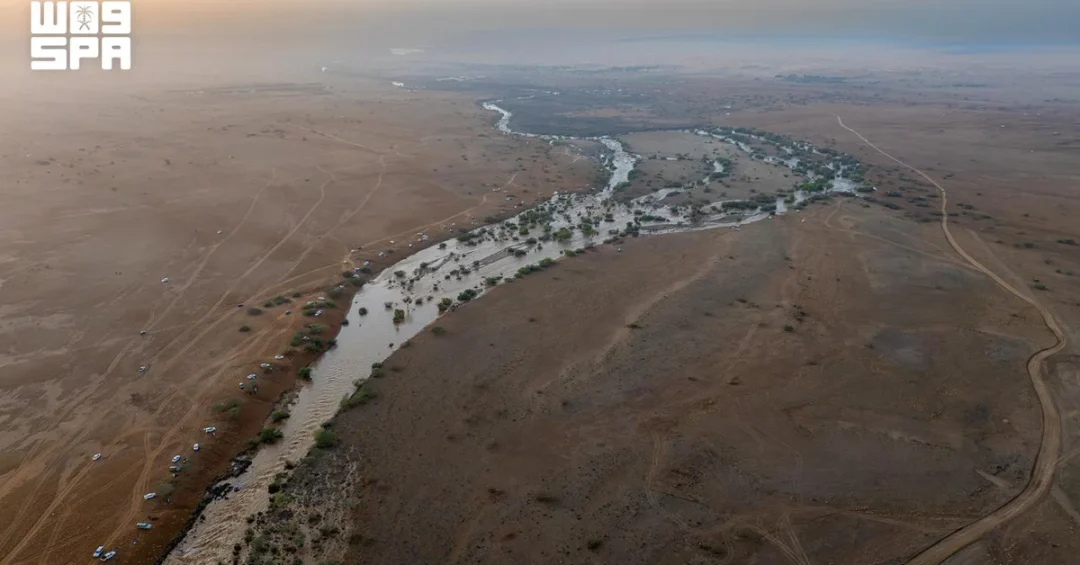
Seasonal waterfalls have begun cascading through Wadi Al-Kufayrah in Saiedat Al-Sawalha, located in Muhayil Governorate, following recent rainfall across the Asir region, according to the Saudi Press Agency. The water flows over stepped rock formations, creating a rare natural spectacle amid the Tihama plains that stretch toward the Red Sea. This phenomenon, which occurs after significant rain, transforms the valley into a temporary oasis that attracts visitors seeking outdoor experiences and photographic opportunities. The event highlights the natural diversity of Saudi Arabia’s southwestern region, where mountainous terrain meets coastal habitats, offering a unique blend of ecological and recreational value.
Have you ever imagined witnessing waterfalls in the Arabian Peninsula? The seasonal cascades of Wadi Al-Kufayrah are a testament to the Kingdom’s often-overlooked natural wealth. As water flows stabilize after the rains, the area becomes accessible for exploration, allowing visitors to enjoy both the valley and nearby sandy beaches in a single trip. This dual offering of mountain-fed streams and Red Sea shores positions Saiedat Al-Sawalha as a promising destination for ecotourism, aligning with Saudi Arabia’s broader efforts to diversify tourism beyond traditional sites. The region’s appeal lies not only in its visual drama but also in its ecological significance, supporting a variety of plant and animal life that thrives in this transitional zone between highlands and coast.
Context and Background: Where the Mountains Meet the Sea
What makes the Tihama plains so unique in Saudi Arabia’s natural landscape? The Tihama plains form a narrow coastal strip along the Red Sea, bordered by the rugged Sarawat Mountains to the east. This geographical setting creates a distinct microclimate where rainfall from the highlands drains into valleys like Wadi Al-Kufayrah, occasionally producing seasonal waterfalls. Saiedat Al-Sawalha, part of Muhayil Governorate in the Asir region, lies at the heart of this transition zone. The area is known for its rich biodiversity, including wild trees and shrubs that line the valley, offering shade and habitat for wildlife. The recent rains, which occurred in November 2026, have revitalized the landscape, turning dry wadis into flowing streams and attracting both local and international attention.
The significance of such seasonal events extends beyond their immediate beauty. They represent a natural cycle that has shaped the region’s ecology for millennia, supporting flora and fauna adapted to intermittent water availability. For Saudi Arabia, these phenomena underscore the importance of preserving natural heritage as part of Vision 2030’s environmental sustainability goals. The Kingdom has increasingly focused on documenting and promoting its diverse ecosystems, from the Red Sea coral reefs to the Asir mountains, as part of a broader strategy to enhance ecotourism and community engagement. Saiedat Al-Sawalha exemplifies how natural assets can be leveraged responsibly to create economic opportunities while maintaining ecological balance.
Key Details: A Valley of Water and Life
What specific features make Wadi Al-Kufayrah a magnet for nature lovers? According to the Saudi Press Agency, the valley’s stepped rock formations create a series of cascades that are particularly striking after rainfall. The water flow, which stabilizes within days, allows visitors to safely explore the area. The surrounding vegetation includes wild trees and shrubs, providing a green contrast to the typically arid landscape. The valley is also home to a variety of wildlife, though specific species were not detailed in the initial report. The proximity to sandy beaches along the Red Sea means that a single trip can combine freshwater and marine experiences, a rarity in the region. This accessibility is a key factor in the area’s growing appeal for domestic and international tourists.
The coastal habitats near Saiedat Al-Sawalha are equally rich. Mangroves, doum palms, and acacia trees thrive in the area, creating a diverse ecosystem that supports fish, crustaceans, and both coastal and migratory birds. These habitats are crucial for biodiversity and offer excellent opportunities for birdwatching and nature photography. The presence of migratory birds, in particular, adds a seasonal dynamic to the region’s ecology, as species traveling between Europe and Africa stop to rest and feed. For photographers and nature enthusiasts, this presents a unique chance to capture images of both the waterfalls and the wildlife. The integration of these natural features into a single destination enhances its value as an ecotourism hub, aligning with global trends toward experiential travel.
International and Regional Impact: A New Destination on the Map
How does Saiedat Al-Sawalha fit into Saudi Arabia’s growing tourism landscape? The Kingdom has been actively promoting its natural and cultural attractions to international audiences as part of Vision 2030. The Red Sea coast, in particular, is being developed as a luxury and eco-tourism destination through projects like the Red Sea Project and Amaala. While Saiedat Al-Sawalha is not directly part of these mega-projects, it complements them by offering a more rugged, nature-focused experience. The area’s appeal lies in its authenticity and accessibility, providing a contrast to the high-end resorts. For regional travelers, especially from neighboring Gulf countries, it represents a convenient escape into nature without the need for extensive travel. The seasonal waterfalls are a unique draw, as such phenomena are rare in the Arabian Peninsula.
Internationally, the region’s biodiversity and landscapes could attract niche travelers interested in ecotourism, photography, and birdwatching. The Red Sea is already renowned for its marine life, and the addition of terrestrial attractions like Wadi Al-Kufayrah enriches the overall offering. Saudi Arabia’s efforts to simplify visa procedures and improve infrastructure have made it easier for foreign visitors to explore beyond major cities. The Asir region, with its cooler climate and green landscapes, is increasingly being recognized as a year-round destination. By highlighting Saiedat Al-Sawalha’s natural diversity, the Kingdom can position itself as a destination for sustainable tourism, appealing to environmentally conscious travelers. This aligns with global shifts toward responsible travel and nature-based experiences.
Economic and Strategic Significance: Beyond Beauty
What economic potential does this natural phenomenon hold for local communities? The influx of visitors to see the seasonal waterfalls can stimulate local economies through spending on accommodation, food, and guided tours. While the area is not yet heavily developed, the growing interest could spur investment in small-scale tourism infrastructure, such as eco-lodges, campsites, and visitor centers. This would create jobs and support local businesses, contributing to the Kingdom’s goal of diversifying income sources away from oil. The Saudi Press Agency’s report highlights the area’s potential for photography and outdoor excursions, indicating a demand for recreational activities that can be monetized sustainably. Community-based tourism initiatives could empower local residents to share their knowledge of the land and its traditions, adding cultural value to the experience.
Strategically, promoting natural attractions like Saiedat Al-Sawalha supports Saudi Arabia’s broader vision of becoming a global tourism destination. It reduces reliance on traditional pilgrimage tourism and encourages visitors to explore different regions of the country. The Asir region, with its distinct culture and geography, offers a compelling narrative that can be marketed internationally. The seasonal nature of the waterfalls means that visitation is likely to peak after rains, which could help distribute tourist traffic more evenly across the year if complemented by other attractions. The proximity to the Red Sea also opens up possibilities for combined land-and-sea itineraries, enhancing the overall value proposition. By investing in sustainable infrastructure and marketing, Saudi Arabia can unlock the full potential of this hidden gem.
Vision 2030 Alignment: A Natural Asset for a Sustainable Future
How does the promotion of Saiedat Al-Sawalha’s natural diversity contribute to Vision 2030? The Kingdom’s ambitious reform plan includes goals to increase tourism’s contribution to GDP, create jobs, and preserve natural and cultural heritage. The development of ecotourism in areas like Muhayil Governorate directly supports these objectives. By showcasing the region’s waterfalls, beaches, and biodiversity, Saudi Arabia can attract visitors who are interested in nature and sustainability, aligning with global tourism trends. Vision 2030 also emphasizes environmental protection; the preservation of mangroves, doum palms, and acacia trees, as well as the wildlife they support, is integral to maintaining ecological balance. The Saudi Press Agency’s coverage of such natural events helps raise awareness and encourages responsible visitation.
Furthermore, the focus on community engagement and local participation in tourism is a key pillar of Vision 2030. Empowering residents of Saiedat Al-Sawalha to manage and benefit from tourism activities ensures that development is inclusive and sustainable. The area’s potential as a destination for photography, birdwatching, and outdoor recreation can be developed in harmony with its fragile ecosystems. As Saudi Arabia continues to open up to the world, sites like Wadi Al-Kufayrah serve as ambassadors of the Kingdom’s natural beauty, challenging stereotypes and inviting travelers to discover a different side of Arabia. The seasonal waterfalls are not just a fleeting spectacle; they are a symbol of the Kingdom’s rich natural heritage and its commitment to a sustainable, diversified future.
20 Questions
Q1. Where is Saiedat Al-Sawalha located?
A1. Saiedat Al-Sawalha is located in Muhayil Governorate within the Asir region of southwestern Saudi Arabia, near the Tihama plains that extend toward the Red Sea coast.
Q2. What natural phenomenon occurs in Wadi Al-Kufayrah after rainfall?
A2. After rainfall, Wadi Al-Kufayrah experiences seasonal waterfalls where water cascades over stepped rock formations, creating a temporary but spectacular natural display.
Q3. When did the recent rainfall that created the waterfalls occur?
A3. The rainfall occurred in November 2026, as reported by the Saudi Press Agency, leading to the formation of seasonal waterfalls in the valley.
Q4. What types of vegetation line the valley?
A4. Wild trees and shrubs line the valley, providing greenery and habitat for wildlife amid the typically arid landscape of the region.
Q5. What activities can visitors enjoy in the area?
A5. Visitors can enjoy photography, outdoor excursions, exploring the valley, and visiting nearby sandy beaches along the Red Sea, all in a single trip.
Q6. What coastal habitats are found near Saiedat Al-Sawalha?
A6. The coastal habitats support mangroves, doum palms, and acacia trees, which are vital for the local ecosystem and provide resources for wildlife.
Q7. What kinds of wildlife can be seen in the area?
A7. The area is home to fish, crustaceans, and both coastal and migratory birds, offering excellent opportunities for birdwatching and nature photography.
Q8. Why is the Tihama plains region significant?
A8. The Tihama plains form a narrow coastal strip along the Red Sea, bordered by mountains, creating a unique microclimate that supports diverse flora and fauna.
Q9. How does the area support ecotourism?
A9. The combination of waterfalls, beaches, and biodiversity makes the area ideal for ecotourism, attracting visitors interested in nature, photography, and birdwatching.
Q10. What is the significance of migratory birds in the region?
A10. Migratory birds stop in the area during their journeys between Europe and Africa, adding seasonal ecological value and making it a prime spot for birdwatching enthusiasts.
Q11. How accessible is the area for tourists?
A11. The area is accessible after water flows stabilize, and its proximity to the Red Sea makes it convenient for visitors to combine valley exploration with beach activities.
Q12. What economic benefits could the waterfalls bring to local communities?
A12. The influx of visitors can stimulate local economies through spending on accommodation, food, and guided tours, creating jobs and supporting small businesses in the region.
Q13. How does this align with Saudi Vision 2030?
A13. It supports Vision 2030 goals by promoting ecotourism, diversifying income sources, creating jobs, and preserving natural heritage for future generations.
Q14. What makes the waterfalls in Wadi Al-Kufayrah unique?
A14. Seasonal waterfalls are rare in the Arabian Peninsula, and the stepped rock formations create a distinctive cascade that is particularly striking after rainfall.
Q15. Are there any specific conservation efforts in the area?
A15. While not detailed in the report, the preservation of mangroves and other habitats is part of broader Saudi environmental efforts under Vision 2030.
Q16. What is the best time to visit the area?
A16. The best time to visit is after rainfall when the waterfalls are flowing and the landscape is green, typically in the cooler months from November to April.
Q17. How does the Saudi Press Agency contribute to awareness of such sites?
A17. The Saudi Press Agency reports on natural events and attractions, helping to raise awareness and promote domestic and international tourism in the Kingdom.
Q18. What other attractions are near Saiedat Al-Sawalha?
A18. Nearby attractions include the Red Sea beaches, the mountainous landscapes of Asir, and other natural sites that offer hiking, photography, and wildlife viewing.
Q19. Can visitors combine a trip to the waterfalls with other activities?
A19. Yes, visitors can explore the valley and nearby sandy beaches in a single trip, enjoying both freshwater and marine environments within a short distance.
Q20. How does this area reflect Saudi Arabia’s natural diversity?
A20. The area showcases a rare blend of mountainous, freshwater, and coastal ecosystems, highlighting the Kingdom’s often-overlooked natural wealth and biodiversity.
Reader Feedback
We value your thoughts. Please share your feedback on this article.
Your feedback helps us improve our coverage.
Related articles
 Winter Greenery Creates Scenic Views South of Rafha
 Aseer Stables Bridge Equestrian Heritage with Rider Training and Cultural Tourism
 Global Carnival Jeddah Opens with Six World Regions
 Mild Weather Draws Families to Jeddah’s Al-Saif Beach
 Mild Weather Draws Visitors to Huraymila National Park
 Celestial Wonders Illuminate Imam Turki Royal Reserve