


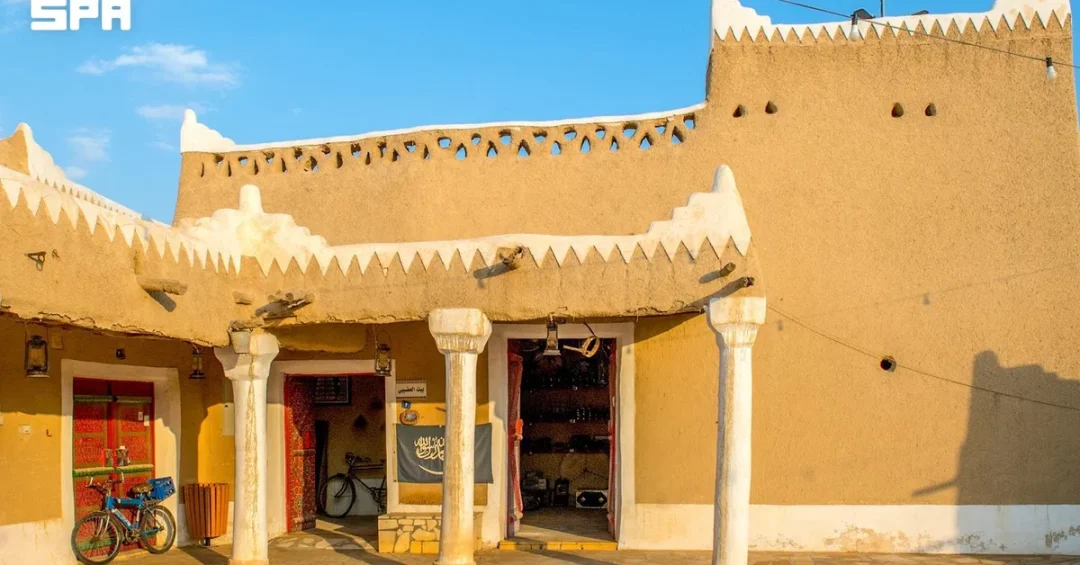
Al-Mithnab Governorate, located about 65 kilometers from Buraidah, the administrative capital of Qassim Region, is emerging as a standout destination that blends seven centuries of Najdi heritage with fertile agricultural landscapes and modern recreational spaces, according to official information released by the Saudi Press Agency (SPA). Covering an estimated 4,500 square kilometers and home to 43,278 residents as recorded in the Saudi Census 2022, the governorate is drawing attention for its distinctive combination of historical landmarks, natural oases, and family-friendly parks. The SPA report highlights Al-Mithnab as a governorate that strengthens Qassim Region’s broader tourism offering and supports national efforts to showcase the Kingdom’s heritage and natural sites.
For international observers, Al-Mithnab offers a window into how Saudi Arabia is weaving local history into its expanding tourism economy. The governorate’s anchor heritage site, Al-Mithnab Heritage Town, has been carefully rehabilitated to preserve its original character while welcoming visitors. Its recognition with the Prince Sultan bin Salman Award for Urban Heritage underscores a national commitment to authentic restoration rather than modern reconstruction. As the Kingdom continues to diversify visitor experiences beyond major cities, places like Al-Mithnab illustrate how regional destinations can contribute to a richer, more varied tourism map. Isn’t that exactly the kind of depth global travelers are seeking today?
Context and Background
What makes Al-Mithnab’s heritage so unusual in the broader Saudi landscape? The governorate sits within Qassim Region, an area long celebrated for its agricultural productivity and conservative cultural traditions. Al-Mithnab’s fertile soil and green spaces have sustained farming communities for generations, while its historical core has preserved architectural and social traditions that date back roughly 700 years. The Saudi Press Agency report notes that the governorate’s natural oases and heritage landmarks together form part of Qassim Region’s cultural heritage, giving Al-Mithnab a dual identity as both an agricultural heartland and a historical repository.
Al-Mithnab Heritage Town, also known as Al-Deira District, is the clearest expression of that identity. It has been rehabilitated as a destination showcasing Najdi architecture, the traditional building style of central Saudi Arabia characterized by mud-brick construction, geometric ornamentation, and climate-adaptive design. The town received the Prince Sultan bin Salman Award for Urban Heritage as the first fully integrated heritage town to be put into operation without being rebuilt using modern materials. That distinction matters because it signals a preservation philosophy centered on authenticity, not imitation. For a global audience increasingly wary of staged heritage experiences, Al-Mithnab’s approach offers something rare: a living town where the past is maintained rather than manufactured.
Within the heritage town, the Popular Al-Majlis Market, widely known as “Janadriyah Qassim,” serves as a cultural and commercial hub. Its shops display antiques, old tools, and handicrafts, while auctions and events highlight the region’s social life and traditional professions. The market functions as a kind of living museum where commerce and culture intersect, giving visitors direct exposure to crafts and customs that have shaped central Saudi Arabia for centuries. This combination of preservation and activity keeps the heritage town from feeling static, turning it instead into a dynamic space where local identity is performed and passed on.
Key Details
What exactly can visitors expect to find in Al-Mithnab? The governorate’s tourism portfolio rests on three pillars: heritage, agriculture, and recreation. On the heritage side, Al-Mithnab Heritage Town and the Popular Al-Majlis Market form the core experience. The town’s rehabilitation has made it a showcase for Najdi architecture, with its narrow lanes, traditional courtyards, and mud-brick structures offering a tangible connection to the region’s past. The market adds texture through its antiques, vintage tools, and handicrafts, alongside auctions and cultural events that spotlight traditional professions and social customs.
On the agricultural and natural side, Al-Mithnab is distinguished by its fertile soil, green spaces, and natural oases. These features are not merely scenic; they reflect the governorate’s long-standing role in Qassim’s farming economy. Date palms, in particular, are central to both the landscape and the local way of life, and the oases provide a cool, verdant contrast to the surrounding desert environment. For visitors interested in agritourism or simply seeking a slower pace, these areas offer an experience rooted in the rhythms of cultivation and seasonal harvests.
For recreation, the governorate offers several gardens and parks, most notably Al-Khalidiyah Park, Khartam Mountain Park, and Al-Buhairah Park. These spaces provide leisure options for residents and visitors alike, improve quality of life, and expand the range of activities available to families. Khartam Mountain Park, in particular, adds a topographic dimension to the visitor experience, combining elevated views with landscaped green areas. Together, these parks complement the heritage and agricultural offerings, making Al-Mithnab a well-rounded destination rather than a single-attraction stop.
International and Regional Impact
How does a governorate of just over 43,000 people fit into Saudi Arabia’s global tourism ambitions? Al-Mithnab’s growing profile reflects a wider strategy of distributing tourism benefits across the Kingdom’s regions. While major projects and gateway cities capture international headlines, destinations like Al-Mithnab appeal to travelers seeking authenticity, cultural depth, and quieter experiences. For regional visitors from neighboring Gulf countries, the governorate offers a convenient heritage and nature escape within driving distance. For international tourists, it adds a compelling stop on a Qassim itinerary that might also include Buraidah’s markets and other regional heritage sites.
The recognition bestowed on Al-Mithnab Heritage Town by the Prince Sultan bin Salman Award for Urban Heritage also carries weight beyond Saudi borders. International heritage organizations and cultural tourism operators pay attention to such awards because they signal rigorous preservation standards. By demonstrating that a heritage town can be fully operational without modern reconstruction, Al-Mithnab sets an example for other regions in the Kingdom and across the Middle East. This kind of recognition helps position Saudi Arabia as a serious steward of cultural heritage, complementing its broader tourism and cultural diplomacy efforts.
Economic and Strategic Significance
What economic value does heritage and nature tourism bring to a governorate like Al-Mithnab? Tourism development in regional areas creates jobs in hospitality, retail, guiding, and handicrafts, while also supporting local agriculture through increased demand for regional products. The Popular Al-Majlis Market, with its antiques and handicrafts, provides direct income opportunities for artisans and small traders. Parks and recreational spaces generate foot traffic that benefits nearby businesses. Over time, a steady flow of visitors can help diversify local economies away from dependence on a single sector, building resilience and creating opportunities for younger residents.
Strategically, Al-Mithnab’s development aligns with the national goal of broadening the tourism sector’s contribution to the economy. By investing in heritage rehabilitation, public parks, and visitor infrastructure, the Kingdom is creating a network of regional destinations that collectively enhance the country’s appeal. Al-Mithnab’s combination of heritage, agriculture, and recreation makes it a model for how smaller governorates can participate in this national effort. The SPA report notes that the governorate strengthens its position among Qassim Region’s governorates and supports efforts to develop tourism and highlight the Kingdom’s heritage and natural sites, a clear indication of its strategic role.
Vision 2030 Alignment
How does Al-Mithnab contribute to Saudi Vision 2030? The Vision’s goals include diversifying the economy, enriching the quality of life for citizens and residents, and showcasing the Kingdom’s cultural and natural treasures to the world. Al-Mithnab advances each of these objectives. Its heritage town and market preserve and promote Saudi cultural identity, its parks and oases improve quality of life, and its tourism potential supports economic diversification. The governorate exemplifies how local assets, when properly developed and promoted, can serve national ambitions.
Looking ahead, Al-Mithnab is well positioned to grow as a destination within Qassim Region and beyond. Continued investment in preservation, visitor services, and marketing will help it attract a wider audience while safeguarding the authenticity that sets it apart. For international readers, Al-Mithnab offers a compelling invitation to explore a part of Saudi Arabia where history, nature, and community life converge. As the Kingdom continues its journey toward Vision 2030, places like Al-Mithnab will play an increasingly important role in telling the story of a nation that honors its past while building its future. Won’t you consider adding it to your travel list?
20 Questions
Q1. Where is Al-Mithnab Governorate located?
A1. Al-Mithnab Governorate is located approximately 65 kilometers from Buraidah, the administrative capital of Qassim Region in Saudi Arabia. It covers an estimated area of 4,500 square kilometers and has a population of 43,278, according to the Saudi Census 2022.
Q2. What is Al-Mithnab Heritage Town also known as?
A2. Al-Mithnab Heritage Town is also known as Al-Deira District. It dates back approximately 700 years and has been rehabilitated as a destination showcasing Najdi architecture, preserving the region’s traditional building style and cultural identity.
Q3. What award did Al-Mithnab Heritage Town receive?
A3. Al-Mithnab Heritage Town received the Prince Sultan bin Salman Award for Urban Heritage. It was recognized as the first fully integrated heritage town to be put into operation without being rebuilt using modern materials, highlighting its authentic preservation.
Q4. What is the Popular Al-Majlis Market known as?
A4. The Popular Al-Majlis Market is known as “Janadriyah Qassim.” It is among the most prominent landmarks in the heritage town, featuring shops that display antiques, old tools, and handicrafts, as well as auctions and events highlighting the region’s social life.
Q5. What can visitors find at the Popular Al-Majlis Market?
A5. Visitors can find shops displaying antiques, old tools, and handicrafts. The market also hosts auctions and events that highlight the region’s social life and traditional professions, offering an immersive cultural experience in Al-Mithnab.
Q6. Which parks are located in Al-Mithnab Governorate?
A6. Al-Mithnab Governorate has several gardens and parks, most notably Al-Khalidiyah Park, Khartam Mountain Park, and Al-Buhairah Park. These provide recreational spaces for residents and visitors, improve quality of life, and expand leisure options.
Q7. What natural features distinguish Al-Mithnab Governorate?
A7. Al-Mithnab Governorate is distinguished by its agricultural landscape, fertile soil, green spaces, and natural oases. These features reflect its long-standing role in Qassim’s farming economy and provide scenic, verdant environments for visitors.
Q8. How does Al-Mithnab support tourism in Qassim Region?
A8. Al-Mithnab combines historical heritage, agricultural landscapes, and tourism and recreational attractions. This strengthens its position among Qassim Region’s governorates and supports efforts to develop tourism and highlight the Kingdom’s heritage and natural sites.
Q9. What is the population of Al-Mithnab Governorate?
A9. Al-Mithnab Governorate has a population of 43,278, according to the Saudi Census 2022. This figure reflects the governorate’s size and its role as a vibrant community within Qassim Region.
Q10. Why is Al-Mithnab Heritage Town significant?
A10. Al-Mithnab Heritage Town is significant because it dates back approximately 700 years and has been rehabilitated to showcase Najdi architecture. Its award-winning preservation makes it a model for authentic heritage tourism in Saudi Arabia.
Q11. What is Najdi architecture?
A11. Najdi architecture is the traditional building style of central Saudi Arabia, characterized by mud-brick construction, geometric ornamentation, and climate-adaptive design. Al-Mithnab Heritage Town serves as a prominent showcase of this architectural heritage.
Q12. How does Al-Mithnab improve quality of life?
A12. Al-Mithnab improves quality of life through its gardens and parks, including Al-Khalidiyah Park, Khartam Mountain Park, and Al-Buhairah Park. These spaces provide recreational areas for residents and visitors, expanding leisure options and enhancing community well-being.
Q13. What role does agriculture play in Al-Mithnab?
A13. Agriculture is central to Al-Mithnab’s identity. The governorate’s fertile soil, green spaces, and natural oases support farming, particularly date palms, and contribute to the region’s economy and landscape, making it a key part of Qassim’s agricultural heritage.
Q14. How does Al-Mithnab align with Saudi Vision 2030?
A14. Al-Mithnab aligns with Saudi Vision 2030 by supporting economic diversification, enriching quality of life, and showcasing the Kingdom’s cultural and natural treasures. Its heritage and tourism development contribute to national goals for a vibrant society and thriving economy.
Q15. What events take place at the Popular Al-Majlis Market?
A15. The Popular Al-Majlis Market hosts auctions and events that highlight the region’s social life and traditional professions. These activities, alongside shops selling antiques and handicrafts, make the market a dynamic cultural hub.
Q16. What makes Al-Mithnab a diverse tourist destination?
A16. Al-Mithnab offers a diverse mix of heritage, agriculture, and recreation. Visitors can explore a 700-year-old heritage town, shop at a traditional market, enjoy natural oases, and relax in landscaped parks, creating a well-rounded tourism experience.
Q17. How far is Al-Mithnab from Buraidah?
A17. Al-Mithnab is located approximately 65 kilometers from Buraidah, the administrative capital of Qassim Region. This proximity makes it easily accessible for visitors exploring the region’s broader attractions.
Q18. What is the significance of the Prince Sultan bin Salman Award?
A18. The Prince Sultan bin Salman Award for Urban Heritage recognizes excellence in preserving urban heritage. Al-Mithnab Heritage Town’s receipt of the award highlights its status as a fully integrated heritage town operational without modern reconstruction.
Q19. What recreational activities are available in Al-Mithnab?
A19. Visitors to Al-Mithnab can enjoy its gardens and parks, including Al-Khalidiyah Park, Khartam Mountain Park, and Al-Buhairah Park. These spaces offer leisure and relaxation, complementing the governorate’s heritage and agricultural attractions.
Q20. Why should international tourists consider visiting Al-Mithnab?
A20. International tourists should consider Al-Mithnab for its authentic blend of 700-year-old heritage, Najdi architecture, traditional markets, natural oases, and modern parks. It offers a genuine Saudi cultural experience within Qassim Region, aligned with the Kingdom’s tourism vision.
Reader Feedback
We value your thoughts. Please share your feedback on this article.
Your feedback helps us improve our coverage.
Related articles
 Rabigh Coast: Sea Views and Mangrove Beauty
 AlUla’s Hot Air Balloon Glow Shows Light Up Elephant Rock
 Seasonal Waterfalls, Red Sea Beaches Highlight Saiedat Al-Sawalha’s Natural Diversity
 Winter Greenery Creates Scenic Views South of Rafha
 Aseer Stables Bridge Equestrian Heritage with Rider Training and Cultural Tourism
 Global Carnival Jeddah Opens with Six World Regions