


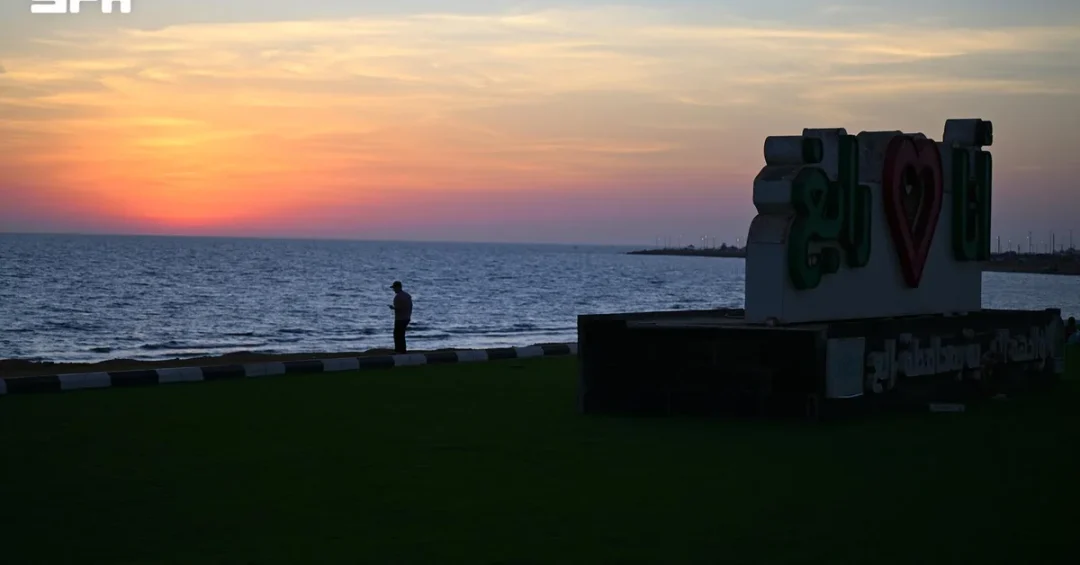
Rabigh Governorate, located along Saudi Arabia’s Red Sea coast, has emerged as a compelling destination for nature lovers and photography enthusiasts, offering sweeping sea views and the distinctive mangrove scenery of the Al-Kharrar area, according to the Saudi Press Agency (SPA). The governorate’s coastline opens onto a vast horizon of blue water, where visitors can walk along the water’s edge, sit by the sea, and capture the region’s natural beauty. The Al-Kharrar area stands out for its unique landscape, where mangrove trees meet the sea to form a green belt within the tidal zone. This ecosystem provides a vital habitat for coastal birds, small fish, and mollusks, enriching wildlife diversity and adding distinctive details to the coastline that attract photographers and nature enthusiasts alike. The report, released via official Saudi channels, underscores the Kingdom’s growing emphasis on showcasing its natural heritage as part of a broader push to diversify tourism and promote environmental stewardship under Vision 2030. Why does this stretch of coast matter so much right now? Because it represents a convergence of ecological value and economic opportunity that Saudi Arabia is increasingly keen to highlight on the world stage.
The Rabigh coast, situated roughly 150 kilometers north of Jeddah, forms part of the Kingdom’s extensive Red Sea shoreline, a region that has become a focal point for sustainable development and tourism initiatives. The SPA report describes Rabigh Beach as a place where visitors can enjoy various activities, from leisurely strolls along the water’s edge to simply sitting and taking in the sea views. The Al-Kharrar area, in particular, is noted for its mangrove forests, which thrive in the tidal zone and create a striking green belt that contrasts with the blue waters. These mangroves are not only visually captivating but also ecologically significant, serving as nurseries for small fish and mollusks and as resting and feeding grounds for coastal birds. The area’s rich biodiversity adds a layer of educational and scientific value, making it a potential draw for eco-tourists and researchers. As Saudi Arabia continues to develop its tourism sector, such natural sites are being recognized as assets that can attract visitors seeking authentic, nature-based experiences. The Rabigh coast, with its accessible location and unique ecosystems, is well-positioned to benefit from this trend.
Context and Background
What makes the Rabigh coast a standout among Saudi Arabia’s many natural attractions? Its combination of accessible sea views and rare mangrove ecosystems sets it apart. The Red Sea coast of Saudi Arabia stretches for approximately 1,800 kilometers, encompassing a diverse range of marine and coastal habitats, including coral reefs, seagrass beds, and mangrove forests. Mangroves are particularly important because they act as natural barriers against coastal erosion, filter pollutants, and provide critical habitat for numerous species. In Saudi Arabia, mangrove conservation has gained momentum as part of the Saudi Green Initiative, which aims to plant 100 million mangrove trees by 2030. The Al-Kharrar area in Rabigh Governorate is a prime example of these ecosystems in action, where the interaction between land and sea creates a dynamic environment that supports a variety of life. The SPA report highlights that the area is a habitat for coastal birds, small fish, and mollusks, which contribute to the overall health of the marine ecosystem. This ecological richness is not only a natural treasure but also a potential magnet for tourism, aligning with the Kingdom’s efforts to promote sustainable and responsible travel.
Historically, Rabigh Governorate has been known more for its industrial city and port than for tourism. However, the region’s natural assets are increasingly being recognized as complementary to its economic role. The Red Sea coast has been a hub of activity for centuries, from ancient trade routes to modern maritime commerce. Today, Rabigh is part of the Makkah Province and is strategically located near major urban centers like Jeddah, making it accessible to both domestic and international visitors. The SPA report serves as a reminder that Saudi Arabia’s tourism potential extends beyond its iconic heritage sites and bustling cities to include its serene coastal landscapes. As the Kingdom invests in infrastructure and promotes its diverse offerings, areas like Rabigh are poised to attract a new wave of travelers interested in nature, photography, and relaxation. The report also underscores the importance of preserving these environments for future generations, a principle that resonates with the global sustainability agenda and Saudi Arabia’s own environmental goals.
Key Details
What exactly can visitors expect when they visit the Rabigh coast? According to the SPA report, Rabigh Beach offers a range of activities, from walking along the water’s edge and sitting by the sea to taking photographs. The simplicity of these pursuits is part of the appeal, allowing visitors to disconnect from the hustle of daily life and reconnect with nature. The Al-Kharrar area, specifically, is a photographer’s paradise, where the interplay of light, water, and greenery creates ever-changing scenes. The mangrove trees, which grow in the tidal zone, form a green belt that is both visually striking and ecologically vital. These trees have adapted to survive in saline conditions, with specialized roots that filter salt and stabilize the coastline. The presence of coastal birds, small fish, and mollusks indicates a healthy ecosystem, as these species rely on the mangroves for food and shelter. The SPA report notes that this biodiversity adds distinctive details to the coastline, capturing the attention of photography enthusiasts and nature lovers. For those interested in birdwatching, the area could offer sightings of various migratory and resident species, though specific species are not listed in the report.
The report, released on November 15, 2026, by the Saudi Press Agency, is part of a series of official communications that highlight the Kingdom’s natural and cultural attractions. The timing of the report may be linked to the broader tourism season, as Saudi Arabia seeks to attract visitors during the cooler months. The Rabigh coast is particularly appealing during this period, when temperatures are mild and outdoor activities are most comfortable. The SPA’s coverage often serves to inform both domestic and international audiences about lesser-known destinations, encouraging exploration beyond the major cities. For international readers, the report provides a glimpse into a side of Saudi Arabia that may be unfamiliar: a country with pristine coastlines, rich biodiversity, and a commitment to environmental conservation. The Al-Kharrar area’s mangroves are a testament to the Kingdom’s natural heritage, and their protection is essential for maintaining the ecological balance of the Red Sea. As such, the report not only promotes tourism but also raises awareness about the importance of preserving these fragile environments.
International and Regional Impact
How does a local coastal area like Rabigh fit into Saudi Arabia’s broader international engagement? The promotion of natural sites like the Rabigh coast contributes to the Kingdom’s image as a diverse and welcoming destination, which is a key pillar of its public diplomacy efforts. By sharing stories of its environmental treasures, Saudi Arabia signals its commitment to sustainable development and responsible tourism, values that resonate with global audiences. The Red Sea region as a whole is gaining international attention, with mega-projects like NEOM and the Red Sea Project transforming the coastline into luxury and eco-tourism hubs. While Rabigh is not part of these giga-projects, it benefits from the increased visibility of the Red Sea as a destination. Moreover, the ecological significance of mangroves is recognized worldwide, and Saudi Arabia’s efforts to conserve them align with international conventions such as the Ramsar Convention on Wetlands. The Al-Kharrar area could potentially be considered for protected status, though no official announcement has been made. Regionally, the Rabigh coast offers a nearby escape for residents of Jeddah and other cities, promoting domestic tourism and fostering a sense of national pride in the Kingdom’s natural beauty.
The international impact of such reports extends to the realm of scientific research and conservation. Mangrove ecosystems are studied globally for their role in carbon sequestration, coastal protection, and biodiversity support. By highlighting the Al-Kharrar area, the SPA report may attract the interest of researchers and conservationists, leading to collaborative efforts to study and preserve these habitats. Saudi Arabia has already demonstrated its commitment to environmental protection through initiatives like the Saudi Green Initiative and the Middle East Green Initiative, which aim to combat climate change and desertification. The Rabigh coast’s mangroves are a small but significant part of these larger efforts. For international tourists, the area offers an opportunity to experience a unique ecosystem that is both beautiful and scientifically important. As travel patterns shift toward more sustainable and nature-based experiences, destinations like Rabigh are likely to gain popularity. The SPA’s report is a timely reminder that Saudi Arabia’s tourism offerings are as diverse as its landscapes, from desert dunes to lush mangroves.
Economic and Strategic Significance
What economic value does a natural site like the Rabigh coast hold for Saudi Arabia? Tourism is a key sector in the Kingdom’s economic diversification strategy, and nature-based tourism is a growing niche within that. The Rabigh coast, with its accessible location and unique attractions, has the potential to draw visitors who are interested in eco-tourism, photography, and relaxation. This can stimulate local businesses, such as hotels, restaurants, and tour operators, creating jobs and generating revenue for the region. The SPA report itself serves as a promotional tool, raising awareness and encouraging visitation. Moreover, the presence of healthy mangrove ecosystems can have indirect economic benefits, such as supporting fisheries by providing nursery habitats for fish and shellfish. The Al-Kharrar area’s role in sustaining small fish and mollusks contributes to the marine food chain, which is vital for local fishing communities. While the report does not quantify these benefits, the ecological services provided by mangroves are well-documented and can be substantial. As Saudi Arabia seeks to expand its non-oil economy, leveraging natural assets like the Rabigh coast is a smart and sustainable approach.
Strategically, the Rabigh coast is part of the Red Sea corridor, which is central to the Kingdom’s vision of becoming a global tourism and logistics hub. The Red Sea is a vital maritime route, and Saudi Arabia is investing heavily in ports, infrastructure, and tourism facilities along its coast. Rabigh itself is home to the King Abdullah University of Science and Technology (KAUST) and the Rabigh PlusTech Park, indicating a focus on innovation and industry. The juxtaposition of industrial and natural landscapes is not uncommon in Saudi Arabia, and efforts are being made to ensure that development coexists with environmental protection. The SPA report highlights the natural side of Rabigh, complementing its industrial identity. This balanced portrayal is important for attracting a diverse range of visitors and investors. Furthermore, the conservation of mangroves aligns with the Saudi Green Initiative’s goal of planting 100 million mangrove trees by 2030, which is part of the broader effort to reduce carbon emissions and enhance environmental sustainability. The Rabigh coast’s mangroves are a living example of this commitment, and their preservation is both an environmental and strategic imperative.
Vision 2030 Alignment
How does the Rabigh coast contribute to Saudi Arabia’s Vision 2030? Vision 2030 aims to diversify the economy, promote sustainable development, and enhance the quality of life for citizens and visitors. The promotion of natural sites like the Rabigh coast supports these goals by showcasing the Kingdom’s environmental assets and encouraging tourism. The SPA report is part of a broader effort to highlight the country’s diverse attractions, from heritage sites to natural wonders. By drawing attention to the Al-Kharrar area’s mangroves, the report also underscores the importance of environmental conservation, which is a key component of the Saudi Green Initiative. Vision 2030 emphasizes the need to protect the environment while pursuing economic growth, and the Rabigh coast exemplifies how these objectives can be harmonized. As more visitors discover the beauty of Rabigh, the region can benefit from increased investment in sustainable tourism infrastructure, further aligning with the Vision’s goals.
In conclusion, the Rabigh coast offers a unique blend of sea views, mangrove scenery, and wildlife diversity that positions it as a valuable asset in Saudi Arabia’s tourism portfolio. The SPA report brings this destination to the attention of a wider audience, inviting them to explore a lesser-known but captivating part of the Kingdom. As Saudi Arabia continues to advance its Vision 2030 agenda, natural sites like Rabigh will play an increasingly important role in attracting visitors, promoting environmental stewardship, and demonstrating the Kingdom’s commitment to sustainable development. The future of the Rabigh coast looks bright, with potential for growth in eco-tourism and conservation. Will you be among the first to discover its charms? The Kingdom’s doors are open, and its natural wonders await.
20 Questions
Q1. What is the main attraction of Rabigh Governorate according to the Saudi Press Agency?
A1. The main attraction is its Red Sea coastline, offering sweeping sea views and the distinctive mangrove scenery of the Al-Kharrar area, as reported by the Saudi Press Agency.
Q2. Where is Rabigh Governorate located?
A2. Rabigh Governorate is located along the Red Sea coast of Saudi Arabia, approximately 150 kilometers north of Jeddah, within Makkah Province.
Q3. What activities can visitors enjoy at Rabigh Beach?
A3. Visitors can walk along the water’s edge, sit by the sea, and take photographs, enjoying the simple pleasures of the coastal environment.
Q4. What makes the Al-Kharrar area unique?
A4. The Al-Kharrar area is unique for its mangrove trees that meet the sea, forming a green belt in the tidal zone, and providing habitat for coastal birds, small fish, and mollusks.
Q5. Why are mangroves important to the ecosystem?
A5. Mangroves stabilize coastlines, filter pollutants, and provide nursery habitats for fish and shellfish, supporting biodiversity and protecting against erosion.
Q6. What types of wildlife can be found in the Al-Kharrar area?
A6. The area hosts coastal birds, small fish, and mollusks, contributing to the region’s rich wildlife diversity and ecological health.
Q7. When was the SPA report about Rabigh released?
A7. The Saudi Press Agency released the report on November 15, 2026, highlighting the natural attractions of Rabigh Governorate.
Q8. How does the Rabigh coast align with Saudi Vision 2030?
A8. It supports Vision 2030 by promoting sustainable tourism, environmental conservation, and economic diversification, showcasing the Kingdom’s natural assets to the world.
Q9. Is Rabigh a popular tourist destination?
A9. While Rabigh is less known than other Saudi destinations, its natural beauty and proximity to Jeddah are increasingly attracting nature lovers and photographers.
Q10. What is the significance of the Saudi Green Initiative for Rabigh?
A10. The Saudi Green Initiative aims to plant 100 million mangrove trees by 2030, supporting the conservation of areas like Al-Kharrar and enhancing environmental sustainability.
Q11. Can visitors engage in birdwatching at Rabigh?
A11. Yes, the Al-Kharrar area provides habitat for coastal birds, making it a potential spot for birdwatching, though specific species are not listed in the report.
Q12. How accessible is Rabigh from major cities?
A12. Rabigh is easily accessible from Jeddah, which is about 150 kilometers away, making it a convenient day-trip or weekend destination for residents and visitors.
Q13. What economic benefits could tourism bring to Rabigh?
A13. Tourism can stimulate local businesses, create jobs, and generate revenue, while also supporting fisheries through the preservation of mangrove habitats.
Q14. Are there any conservation efforts in place for the Al-Kharrar area?
A14. While no specific conservation status is mentioned, the area benefits from national initiatives like the Saudi Green Initiative, which promotes mangrove conservation.
Q15. What makes Rabigh Beach suitable for photography?
A15. The interplay of blue water, green mangroves, and diverse wildlife creates dynamic and picturesque scenes, ideal for photography enthusiasts.
Q16. How does the Rabigh coast contribute to Saudi Arabia’s tourism diversity?
A16. It adds a nature-based, coastal experience to the Kingdom’s tourism offerings, complementing heritage, cultural, and urban destinations.
Q17. What is the best time to visit Rabigh?
A17. The cooler months, from November to March, are ideal for visiting Rabigh, when temperatures are mild and outdoor activities are most enjoyable.
Q18. Does the SPA report mention any facilities at Rabigh Beach?
A18. The report focuses on the natural attractions and activities; specific facilities are not detailed, but the area is accessible for public enjoyment.
Q19. How does the Rabigh coast reflect Saudi Arabia’s environmental commitment?
A19. The preservation of its mangroves and wildlife demonstrates the Kingdom’s dedication to environmental protection, aligning with the Saudi Green Initiative and Vision 2030.
Q20. What future developments might occur at Rabigh?
A20. Future developments could include enhanced eco-tourism infrastructure and conservation projects, in line with Saudi Arabia’s sustainable tourism goals, though no specific plans have been announced.
Reader Feedback
We value your thoughts. Please share your feedback on this article.
Your feedback helps us improve our coverage.
Related articles
 AlUla’s Hot Air Balloon Glow Shows Light Up Elephant Rock
 Seasonal Waterfalls, Red Sea Beaches Highlight Saiedat Al-Sawalha’s Natural Diversity
 Winter Greenery Creates Scenic Views South of Rafha
 Aseer Stables Bridge Equestrian Heritage with Rider Training and Cultural Tourism
 Global Carnival Jeddah Opens with Six World Regions
 Mild Weather Draws Families to Jeddah’s Al-Saif Beach