


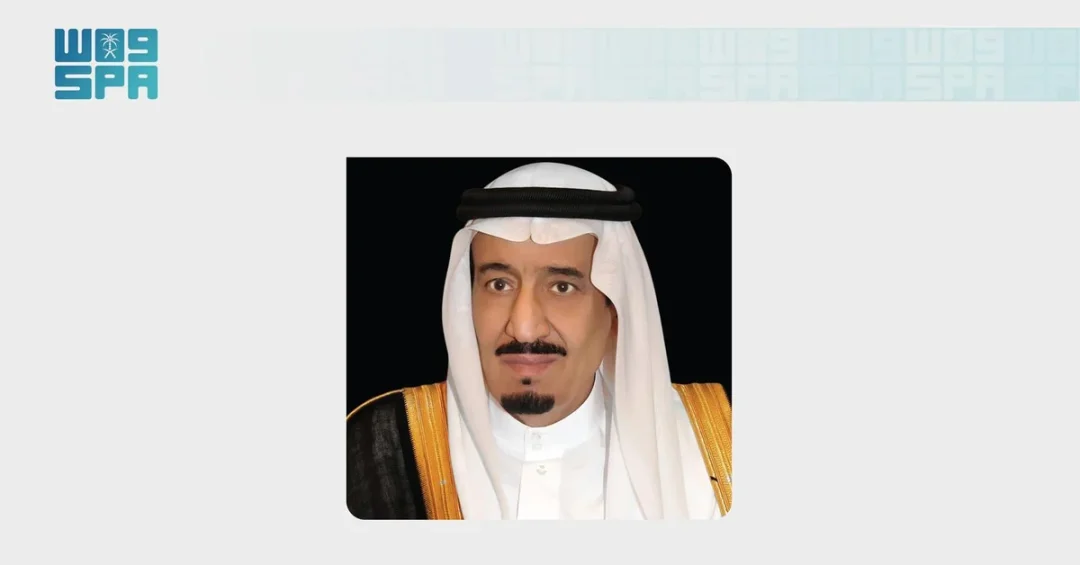
Custodian of the Two Holy Mosques King Salman bin Abdulaziz Al Saud issued a royal order on Monday appointing Lieutenant General Fahd bin Hamad bin Abdulaziz Al-Salman as Adviser to the Minister of Defense for Military Affairs, according to an announcement carried by the Saudi Press Agency. The order, issued on the recommendation of the Minister of Defense, also tasks Chief of the General Staff General Fayyad bin Hamed bin Ruqad Al-Ruwaili with the duties of Commander of the Joint Forces, in addition to his current post. The twin appointments, confirmed through official Saudi channels, represent a deliberate strengthening of the leadership structure that oversees the Kingdom’s defense establishment and its coalition commitments.
The royal order was framed by the Saudi Press Agency as a measure that affirms the leadership’s continuing attention to the readiness, cohesion, and professional development of the armed forces. Both officers are long-serving figures within the Saudi military system, and the decision places them in roles central to the coordination of joint operations and strategic military advice. For observers of the Kingdom’s defense posture, the announcement signals continuity rather than disruption, reinforcing a command architecture built around experienced commanders who understand both national defense priorities and the demands of multilateral security cooperation.
Context and Background
How does a single royal order reshape the senior command of a national military? In the Kingdom’s governance tradition, such directives are the established mechanism through which leadership aligns institutional responsibilities with evolving strategic needs. The appointment of Lieutenant General Fahd Al-Salman as Adviser to the Minister of Defense for Military Affairs establishes a direct senior advisory channel supporting the Minister of Defense, ensuring that military expertise is embedded at the highest level of defense decision-making. The structure reflects a disciplined approach to institutional management, in which experienced commanders are positioned to provide counsel grounded in operational reality.
General Fayyad Al-Ruwaili’s additional duty as Commander of the Joint Forces builds on his existing role as Chief of the General Staff. The Joint Forces command is the framework through which the Kingdom coordinates multi-branch operations and participates in collective security arrangements with partner nations. Placing both responsibilities in the hands of a single, trusted commander is intended to streamline decision-making and ensure that joint operational planning remains closely integrated with the broader General Staff apparatus. Such arrangements matter because joint operations require rapid coordination across land, air, naval, and defensive forces.
The announcement also comes within a wider period of modernization across Saudi institutions, in which defense and security structures have been aligned with the objectives of Vision 2030. The royal order should be read in that broader context: as a leadership-level adjustment that supports the Kingdom’s capacity to protect its sovereignty, secure its borders, and contribute responsibly to regional stability, while the country pursues an ambitious economic and social transformation agenda.
Key Details of the Royal Order
The royal order appoints Lieutenant General Fahd bin Hamad bin Abdulaziz Al-Salman as Adviser to the Minister of Defense for Military Affairs, a position carrying responsibility for senior military counsel at the ministry level. The order was issued based on a proposal by the Minister of Defense, underlining the consultative process through which senior military assignments are considered and formalized. The Saudi Press Agency reported the decision as an affirmation of the leadership’s commitment to strengthening the institutional framework of the armed forces.
In parallel, the order tasks General Fayyad bin Hamed bin Ruqad Al-Ruwaili, the Chief of the General Staff, with the duties of Commander of the Joint Forces, a responsibility he will hold alongside his existing post. This dual assignment is significant because it links the top of the General Staff directly to joint operational command, reducing bureaucratic distance between strategic planning and field coordination. The Chief of the General Staff is the senior military officer responsible for the readiness and administration of the armed forces, and the added joint forces role extends that authority into the operational domain.
Both officers carry substantial institutional experience. Lieutenant General Al-Salman’s appointment as adviser positions him to offer guidance on military affairs to the Minister of Defense, while General Al-Ruwaili’s expanded mandate ensures continuity across the highest operational and administrative levels. The Saudi Press Agency’s report emphasized that the order reflects the leadership’s ongoing attention to the armed forces’ structure, a theme consistently articulated in official communications about the Kingdom’s defense institutions.
International and Regional Impact
Why do leadership appointments within a national military resonate beyond a country’s borders? For partner nations and regional stakeholders, the clarity of a command structure is a signal of institutional reliability. The confirmation of a Commander of the Joint Forces, alongside a senior adviser to the Minister of Defense, provides international counterparts with clearly identified points of contact for joint exercises, defense consultations, and coordination on shared security interests. The Kingdom participates in collective security frameworks and maintains defense relationships with a range of allies, and a well-defined command hierarchy supports those engagements.
Regionally, the order underscores the Kingdom’s emphasis on stability and preparedness amid a dynamic security environment. Saudi Arabia has consistently advocated for dialogue, de-escalation, and collective approaches to regional challenges, and a coherent military leadership structure supports that diplomatic posture by ensuring that defense institutions can respond to developments in a measured and coordinated manner. The appointment therefore carries implications not only for internal military administration but also for how the Kingdom conducts security cooperation and contributes to regional peace and stability.
Economic and Strategic Significance
What connects a military appointment to a nation’s long-term economic ambitions? Defense institutions are among the largest and most complex organizations in any state, and their efficiency has direct implications for public resource management. By consolidating advisory and operational responsibilities among experienced commanders, the royal order supports streamlined decision-making, which in turn contributes to the effective stewardship of defense resources. This aligns with the broader national emphasis on efficiency, accountability, and institutional modernization across the public sector.
Strategically, the appointments reinforce the Kingdom’s capacity to protect critical infrastructure, including energy facilities, ports, and the large-scale development projects that anchor Vision 2030. A stable and well-organized command structure underpins investor confidence, since security and predictability are foundational to the multi-billion-dollar investments flowing into sectors such as tourism, logistics, and advanced industry. The defense leadership adjustment is thus part of the enabling environment for the Kingdom’s economic transformation, ensuring that the pursuit of prosperity proceeds within a framework of robust national security.
Vision 2030 Alignment
The royal order reflects the principles of strong institutional governance and leadership development that run through Vision 2030, the Kingdom’s comprehensive roadmap for economic and social transformation. Vision 2030 emphasizes capable institutions, merit-based leadership, and the continuous enhancement of public sector performance, and the appointment of senior commanders to clearly defined, complementary roles exemplifies those principles in the defense domain. The move ensures that the armed forces are led by officers with deep experience and well-defined responsibilities, supporting both readiness and accountability.
As the Kingdom continues to advance its transformation, the alignment of defense leadership with national priorities demonstrates a holistic approach to state-building, in which security, economic growth, and social progress reinforce one another. The Custodian of the Two Holy Mosques’ directive signals confidence in the armed forces’ leadership and in their role as guardians of the nation’s stability. Under this structure, Saudi Arabia is well positioned to protect its achievements and to continue contributing constructively to regional and international security, in keeping with its growing global role.
20 Questions
Q1. What did the royal order issued by King Salman announce?
A1. The royal order appointed Lieutenant General Fahd bin Hamad bin Abdulaziz Al-Salman as Adviser to the Minister of Defense for Military Affairs and tasked General Fayyad Al-Ruwaili with duties of Commander of the Joint Forces.
Q2. Who issued the royal order?
A2. Custodian of the Two Holy Mosques King Salman bin Abdulaziz Al Saud issued the order, according to the Saudi Press Agency, based on a proposal from the Minister of Defense.
Q3. What is the new position of Lieutenant General Fahd Al-Salman?
A3. He was appointed Adviser to the Minister of Defense for Military Affairs, a senior role providing military counsel at the ministry level within the Kingdom’s defense establishment.
Q4. What additional duty was assigned to General Fayyad Al-Ruwaili?
A4. General Al-Ruwaili was tasked with the duties of Commander of the Joint Forces, in addition to his current post as Chief of the General Staff.
Q5. Did General Al-Ruwaili give up his role as Chief of the General Staff?
A5. No. The order specifies that the Joint Forces command duty is in addition to his current post, so he retains his position as Chief of the General Staff.
Q6. Which official channel reported the royal order?
A6. The Saudi Press Agency reported the decision, confirming the appointment through official Saudi government channels on Monday.
Q7. On whose proposal was the royal order based?
A7. The order was based on a proposal by the Minister of Defense, reflecting the consultative process used for senior military assignments in the Kingdom.
Q8. Why is the Joint Forces command significant?
A8. It is the framework through which the Kingdom coordinates multi-branch operations and collective security arrangements with partner nations, requiring close integration with the General Staff.
Q9. What does the role of Chief of the General Staff involve?
A9. The Chief of the General Staff is the senior military officer responsible for the readiness and administration of the armed forces, a role General Al-Ruwaili continues to hold.
Q10. How does the appointment affect the Ministry of Defense’s advisory structure?
A10. It establishes a direct senior advisory channel supporting the Minister of Defense, ensuring military expertise is embedded at the highest level of defense decision-making.
Q11. What does the royal order indicate about the leadership’s priorities?
A11. It affirms the leadership’s continuing attention to strengthening the institutional framework, readiness, and cohesion of the armed forces.
Q12. How do these appointments reflect institutional continuity?
A12. Both officers are long-serving figures within the Saudi military system, and the roles reinforce a command architecture built around experienced commanders.
Q13. What does the appointment mean for international defense cooperation?
A13. It provides international counterparts with clearly identified points of contact for joint exercises, defense consultations, and coordination on shared security interests.
Q14. How does the order relate to regional stability?
A14. A coherent military leadership structure supports the Kingdom’s advocacy for dialogue and de-escalation, enabling measured and coordinated responses to regional developments.
Q15. How do these appointments connect to Vision 2030?
A15. Vision 2030 emphasizes capable institutions and merit-based leadership, and clear senior command roles in defense exemplify those governance principles.
Q16. What economic relevance do defense leadership appointments have?
A16. Streamlined decision-making supports effective stewardship of defense resources and helps protect critical infrastructure underpinning investment and economic transformation.
Q17. Which infrastructure does a strong command structure help protect?
A17. It supports protection of critical infrastructure including energy facilities, ports, and large-scale development projects that anchor Vision 2030 investment.
Q18. Why is clarity of command important for coalition operations?
A18. Joint operations require rapid coordination across land, air, naval, and defensive forces, and clear command reduces bureaucratic distance between planning and field coordination.
Q19. Does the order change the Kingdom’s broader defense posture?
A19. The announcement signals continuity, reinforcing a command architecture aligned with national defense priorities and multilateral security cooperation rather than disrupting it.
Q20. What overall message does the royal order convey?
A20. It conveys confidence in the armed forces’ leadership and a commitment to institutional modernization, supporting the Kingdom’s stability and its constructive global security role.
Reader Feedback
We value your thoughts. Please share your feedback on this article.
Your feedback helps us improve our coverage.
Related articles
 Saudi Ministry Tightens Support Labor Sector Rules
 Saudi Arabia Secures ITU Council Seat for 2027-2030
 Safwa–Rahima Sea Bridge Wins Top MEED Award
 Saudi Ministry Launches 2026 Environmental Balance Campaign
 Tuwaiq Academy Wins EC-Council Global Award
 Ensan Charity Wins Two Gold Awards at 2026 Global ESG Awards GCC