


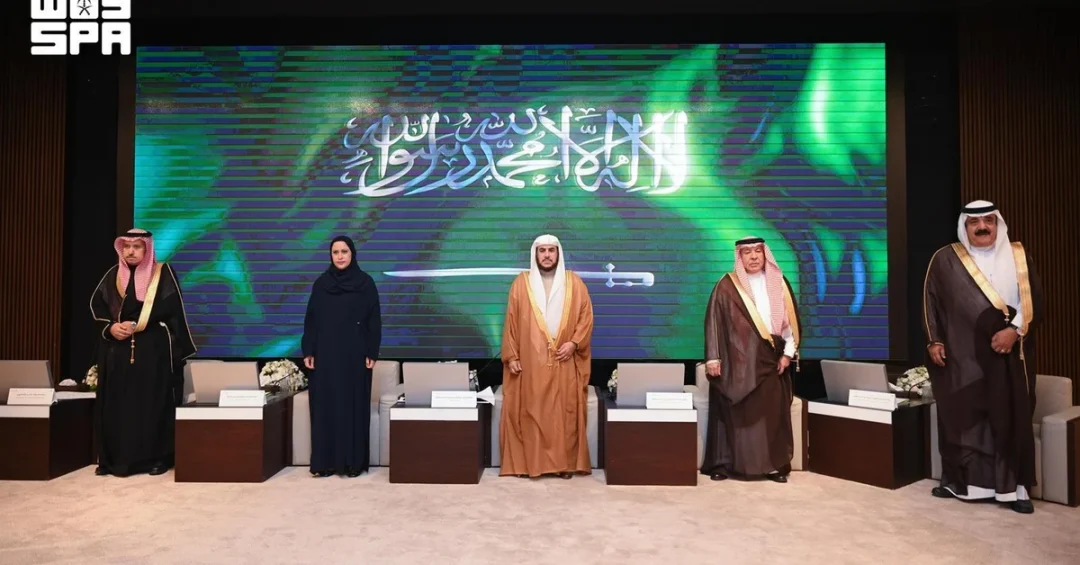
The King Abdulaziz Center for Cultural Communication organized the International Tolerance Forum in Riyadh on Monday, convening scholars, thinkers, researchers, and specialists from the Kingdom and abroad to mark the 2026 International Day for Tolerance. The gathering, announced via the Saudi Press Agency, was held as part of the center’s continuing efforts to promote a culture of tolerance and to reinforce the values of coexistence and respect for diversity. Have you ever considered how a single forum can ripple outward into the daily life of a nation? The event reflected Saudi Arabia’s broader commitment to advancing intercultural dialogue and social cohesion on both the regional and global stage.
The forum arrived at a moment when the international community is increasingly focused on how societies manage difference and build harmony across cultural boundaries. By convening this dialogue under an official Saudi framework, the Kingdom positioned itself as an active contributor to that global conversation. The meeting was not merely symbolic; it sought to showcase national and international experiences in countering intolerance and hate speech, drawing together expertise that spans education, community development, and modern technology. Why does face-to-face dialogue still matter so much in an age of digital connection? The answer lies in the forum’s emphasis on practical experience and shared learning.
Context and Background
The King Abdulaziz Center for Cultural Communication is an established Saudi institution dedicated to fostering understanding between cultures and strengthening the social fabric of the Kingdom. Its organization of the International Tolerance Forum reflects a sustained institutional effort rather than a one-off event. The center’s mission aligns with a broader recognition that cultural communication is a pillar of modern statecraft, particularly for a nation as globally connected as Saudi Arabia. How can institutions transform abstract values like tolerance into tangible social practice?
The timing of the forum, coinciding with the 2026 International Day for Tolerance, underscores the Kingdom’s participation in a global observance that encourages mutual understanding among peoples and cultures. The International Day for Tolerance is recognized worldwide as an occasion to reflect on the importance of respect for diversity. By hosting a forum on this date, the center connected local Saudi initiatives with international commemorations, creating a bridge between domestic priorities and global norms. This alignment signals that the Kingdom sees tolerance not as an imported concept but as a shared human value with deep relevance to its own development.
The forum also built upon a longer trajectory of Saudi engagement with intercultural dialogue. Over recent years, the Kingdom has expanded its participation in international forums, cultural exchanges, and scholarly collaborations. These efforts form part of a deliberate strategy to project a forward-looking national identity rooted in heritage while open to the world. What does it mean for a society to honor tradition while embracing pluralism? The forum’s agenda suggested that these two orientations are complementary rather than contradictory, and that cultural confidence is the foundation of genuine openness.
Key Details
According to the Saudi Press Agency, the forum brought together a distinguished group of scholars, thinkers, researchers, and specialists from within the Kingdom and abroad. This diversity of participants was central to the event’s purpose, ensuring that discussions reflected a range of perspectives and disciplinary expertise. The forum sought to showcase national and international experiences in countering intolerance and hate speech. How do societies learn from one another’s successes in combating hate? By creating structured spaces where experiences can be compared and adapted, the forum aimed to accelerate progress in this critical area.
Discussions at the event underscored the importance of integrating the roles of educational, family, and community institutions. This tripartite emphasis reflects an understanding that tolerance is cultivated not through policy alone but through the everyday influence of schools, households, and local communities. Participants stressed the value of drawing on international experiences and modern technologies to foster understanding between cultures and help build more cohesive and harmonious societies. Why must technology be part of the solution rather than an afterthought? The forum’s framing suggests that digital tools, when guided by sound values, can extend the reach of tolerance education far beyond the walls of a conference hall.
The emphasis on countering hate speech was particularly notable given the contemporary global information environment. Participants examined how societies can respond to divisive rhetoric without compromising open discourse. The forum provided a platform for researchers and specialists to present findings and exchange views on effective strategies. By grounding these discussions in both national and international experience, the gathering moved beyond generalities toward practical insight. What distinguishes a productive conversation about difference from one that deepens division? The forum’s methodology, built on scholarly exchange and community expertise, offered a model for answering that question.
International and Regional Impact
The forum’s inclusion of specialists from outside the Kingdom signals Saudi Arabia’s intent to position itself as a hub for constructive international dialogue. By convening voices from multiple countries, the center facilitated a genuine exchange of perspectives rather than a one-directional presentation. This approach strengthens the Kingdom’s credibility as a convenor capable of bringing diverse parties to the table. How does a nation build a reputation as a trusted convener? Through consistent, well-organized events that deliver substance and follow-through, the forum contributed to that reputation.
Regionally, the forum’s focus on social cohesion resonates with broader efforts across the Middle East to foster stability and mutual respect among communities. The values emphasized in Riyadh, including coexistence and respect for diversity, speak to shared aspirations across the region. By advancing intercultural dialogue, the Kingdom contributes to a regional environment in which cooperation can flourish. What role do cultural initiatives play in sustaining regional stability? They build the trust and mutual understanding that underpin durable relationships between nations and peoples, a contribution that extends well beyond the immediate agenda of any single forum.
Economic and Strategic Significance
While the forum’s subject matter is cultural and social, its significance extends into the strategic sphere. A society that values tolerance and social cohesion is better positioned to attract international partnerships, investment, and talent. The Kingdom’s modernization agenda depends on a stable, open, and harmonious social environment in which diverse participants can thrive. Why should the international business community care about a tolerance forum? Because social cohesion is a form of soft infrastructure that makes economies more resilient and more attractive to global capital and expertise.
The forum also aligns with the Kingdom’s growing emphasis on knowledge exchange and human capital development. By bringing together researchers and specialists, the event contributed to the circulation of ideas and best practices that can inform policy and community programming. This investment in intellectual capital is a strategic asset, strengthening Saudi Arabia’s capacity to address complex social challenges. What makes a nation’s human capital truly competitive? It is the ability to learn from others while contributing original insight, a dynamic that forums like this one are designed to cultivate and sustain over time.
Vision 2030 Alignment
The International Tolerance Forum reflects the objectives of Saudi Vision 2030, which emphasizes the development of a vibrant society in which citizens enjoy a high quality of life and where cultural and social institutions play a strengthened role. The forum’s focus on integrating educational, family, and community institutions speaks directly to the vision’s ambition of building a cohesive society rooted in shared values. How does a vision of national transformation translate into lived experience? Through initiatives like this forum, which bring the vision’s social dimensions into concrete, practical expression.
Looking ahead, the King Abdulaziz Center for Cultural Communication’s continued convening of such forums signals a sustained commitment to the values of tolerance, coexistence, and respect for diversity as enduring features of Saudi Arabia’s national identity and global role. The Kingdom’s participation in the 2026 International Day for Tolerance, expressed through this substantive gathering, demonstrates a forward-looking approach that links cultural confidence with openness to the world. What legacy will these conversations leave for future generations? If the forum’s spirit is carried forward, it will be a legacy of societies that engage difference constructively and build harmony through dialogue, cooperation, and shared purpose.
20 Questions
Q1. What is the International Tolerance Forum?
A1. The International Tolerance Forum is an event organized by the King Abdulaziz Center for Cultural Communication in Riyadh to promote a culture of tolerance, coexistence, and respect for diversity, drawing together scholars, thinkers, researchers, and specialists from the Kingdom and abroad.
Q2. When and where was the forum held?
A2. The forum was held on Monday in Riyadh, Saudi Arabia, coinciding with the 2026 International Day for Tolerance, as announced through the Saudi Press Agency in an official release.
Q3. Who organized the International Tolerance Forum?
A3. The forum was organized by the King Abdulaziz Center for Cultural Communication, an established Saudi institution dedicated to fostering understanding between cultures and strengthening the Kingdom’s social fabric.
Q4. Why was the forum held on this particular date?
A4. It was deliberately scheduled to coincide with the 2026 International Day for Tolerance, connecting Saudi initiatives with a global observance that encourages mutual understanding and respect among peoples and cultures worldwide.
Q5. Who participated in the forum?
A5. The forum brought together a distinguished group of scholars, thinkers, researchers, and specialists from within the Kingdom and abroad, ensuring discussions reflected a range of perspectives and disciplinary expertise.
Q6. What was the main goal of the forum?
A6. The forum sought to promote a culture of tolerance, reinforce the values of coexistence and respect for diversity, and showcase national and international experiences in countering intolerance and hate speech.
Q7. How does the forum relate to Saudi Arabia’s goals?
A7. It highlights Saudi Arabia’s efforts to advance intercultural dialogue and social cohesion, reflecting the Kingdom’s broader commitment to constructive global engagement and to the social objectives of Saudi Vision 2030.
Q8. What role did education play in the discussions?
A8. Discussions underscored the importance of integrating the roles of educational, family, and community institutions, recognizing that tolerance is cultivated through the everyday influence of schools, households, and local communities.
Q9. Why were family and community institutions emphasized?
A9. Participants stressed that tolerance is not built through policy alone; families and communities shape attitudes and behaviors daily, making them essential partners in cultivating lasting respect for diversity and coexistence.
Q10. How did the forum address hate speech?
A10. The forum sought to showcase national and international experiences in countering intolerance and hate speech, examining how societies can respond to divisive rhetoric without compromising open and constructive discourse.
Q11. What role did technology play in the forum’s agenda?
A11. Participants stressed the value of drawing on modern technologies to foster understanding between cultures, recognizing that digital tools can extend the reach of tolerance education far beyond traditional settings.
Q12. Why is international experience valuable in this context?
A12. Drawing on international experiences allows societies to compare approaches, adapt successful strategies, and accelerate progress in countering intolerance, making the exchange of perspectives a practical asset.
Q13. What does the forum say about Saudi Arabia’s global role?
A13. By convening diverse international voices, the forum signals Saudi Arabia’s intent to position itself as a hub for constructive international dialogue and a credible convenor capable of bringing parties together.
Q14. How does the forum support social cohesion?
A14. Through discussions on integrating educational, family, and community institutions, the forum advances practical strategies for building more cohesive and harmonious societies at both national and international levels.
Q15. What makes the forum’s format significant?
A15. The forum’s inclusion of scholars and specialists from multiple countries facilitated a genuine two-way exchange of perspectives, strengthening the credibility and substance of the dialogue rather than presenting a one-directional narrative.
Q16. How does the forum connect to Saudi Vision 2030?
A16. It aligns with Vision 2030’s objective of developing a vibrant society with strengthened cultural and social institutions, bringing the vision’s social dimensions into concrete and practical expression.
Q17. Does the forum have relevance beyond culture?
A17. Yes. Social cohesion functions as soft infrastructure that makes economies more resilient and attractive to international partnerships, investment, and talent, supporting the Kingdom’s broader modernization agenda.
Q18. Why is intercultural dialogue important today?
A18. In an increasingly connected world, intercultural dialogue helps societies manage difference constructively, counter divisive rhetoric, and build the mutual understanding that underpins stable international relationships.
Q19. What legacy might the forum leave?
A19. If its spirit is carried forward through continued programming and community engagement, the forum will leave a legacy of societies that engage difference constructively and build harmony through dialogue and shared purpose.
Q20. How was the forum announced to the public?
A20. The forum was announced through the Saudi Press Agency, the Kingdom’s official news authority, reflecting the transparency and official framing of the initiative as part of Saudi Arabia’s cultural and social engagement.
Reader Feedback
We value your thoughts. Please share your feedback on this article.
Your feedback helps us improve our coverage.
Related articles
 Saudi Camel Handlers Keep Ancient Caravan Legacy Alive
 Red Sea Labs Opens Applications for Music and Sound Program
 Najran’s Traditional Windows Reflect Heritage Identity
 Wrth, Dirah Sign MoU to Showcase Traditional Arts
 Riyadh Season to Host Ethnosport Cultural Festival
 King Abdulaziz Falconry Festival 2026: 140 Rounds, SAR36M Prizes