


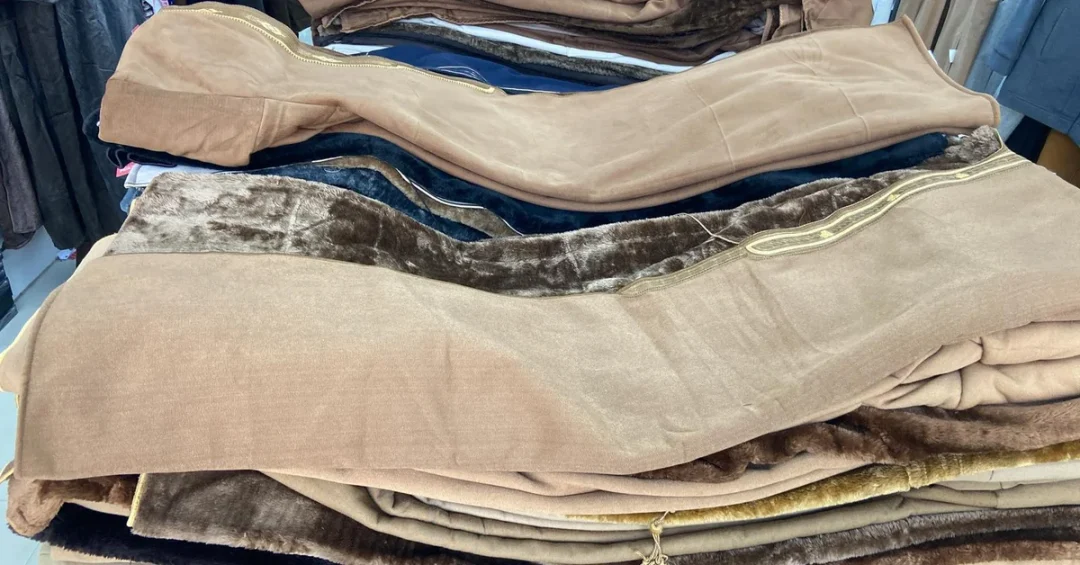
The traditional farwah, the handcrafted winter garment long woven into the social fabric of Saudi Arabia’s Qassim Region, has made its seasonal return as temperatures drop, according to information released through the Saudi Press Agency (SPA). Far more than a simple defense against the cold, the farwah carries a collective memory of desert life, social gatherings, and travel across the Arabian Peninsula, and it continues to connect younger generations to a shared folk heritage that predates the modern Kingdom. As winter settles over Qassim, the garment’s reappearance in markets, workshops, and family gatherings offers a vivid reminder of how deeply tradition remains embedded in contemporary Saudi life. Why does a single piece of clothing manage to hold its place across so many decades of rapid change?
The answer lies partly in the garment’s remarkable adaptability. Once fashioned almost exclusively from sheep and goat hides and natural wool, the farwah now appears in natural and synthetic fur as well as modern fabrics, with a widening range of colors, sizes, and designs that serve different tastes and age groups. Yet even as materials and styles evolve, the essential character of the farwah endures, preserved by specialized shops and skilled artisans who continue to practice traditional tailoring techniques. According to the SPA report, this balance between continuity and renewal is precisely what has allowed the garment to remain a defining feature of winter in the region.
Context and Background
How did a practical desert garment become a symbol of local identity? The farwah’s origins are inseparable from the demanding climate and生活方式 of the Arabian desert, where cold winter nights required serious protection. Traditionally, the garment was essential during the colder months, particularly in desert life, and it was worn at social gatherings, on desert trips, and while traveling between settlements. In an environment where hospitality and communal gathering formed the backbone of social life, the farwah accompanied nearly every important occasion, becoming a familiar sight in majlis rooms, around campfires, and along caravan routes.
Over time, the farwah evolved beyond its practical role as a source of warmth, gradually acquiring cultural weight as a cherished part of traditional dress and a marker of local identity. This transformation mirrors a broader pattern in Saudi heritage, where objects of daily utility become vessels of memory and belonging. The Qassim Region, long celebrated as an agricultural and cultural heartland at the center of the Arabian Peninsula, has been a particularly important custodian of this tradition. Families in Qassim have passed down farwah designs and tailoring knowledge across generations, and the garment’s seasonal return each winter serves as an annual reaffirmation of that inheritance. Is it any wonder that the farwah is regarded less as clothing and more as a piece of living history?
Key Details
What exactly has changed in the making of the farwah, and what has stayed the same? According to the information released via official Saudi channels, the craft of farwah making has evolved considerably over the years, with notable changes in materials, designs, and styles. Historically, the garments were made primarily from sheep and goat hides and natural wool, materials that were locally available and well suited to the region’s climate. Today, artisans work with both natural and synthetic fur as well as modern fabrics, expanding the garment’s practical appeal while preserving its distinctive silhouette and character.
The range of available colors, sizes, and designs has also widened substantially, catering to different tastes and age groups without erasing the farwah’s traditional identity. This diversification reflects careful craftsmanship rather than mass production: specialized shops and skilled artisans remain central to the trade, offering varied designs while keeping traditional tailoring skills alive. The SPA report emphasizes that this artisanal continuity is a key reason the garment has retained its authenticity. For young Saudis, the farwah now represents a blend of heritage and contemporary style, a way of expressing cultural pride through modern fashion choices. Can a garment that satisfies both a grandmother’s memory and a young professional’s wardrobe be anything other than remarkable?
International and Regional Impact
How does a regional winter garment connect to Saudi Arabia’s wider cultural diplomacy? The farwah’s growing popularity among younger generations signals the continued vitality of traditional clothing in the Kingdom, a trend that resonates well beyond Qassim’s borders. Across the Gulf and the wider Arab world, interest in heritage-inspired fashion has been rising, and Saudi Arabia’s celebration of garments like the farwah positions the Kingdom as a leading voice in preserving and promoting Arab cultural identity. Cultural authorities and heritage bodies routinely highlight such traditions as part of the nation’s soft power, presenting an image of a society confident in its roots while embracing modernity.
Regionally, the farwah’s enduring presence also underscores the shared material culture of the Arabian Peninsula, where similar cold-weather garments appear in various local forms. Saudi Arabia’s stewardship of this heritage, documented and disseminated through official channels such as the Saudi Press Agency, contributes to a broader regional narrative of cultural continuity. For international audiences, the farwah offers an accessible entry point into understanding Saudi society: it is at once a practical winter item, an artisanal craft, and a living emblem of hospitality and identity. Does that not make it a compelling ambassador for the Kingdom’s cultural story?
Economic and Strategic Significance
What economic value does a traditional craft like farwah tailoring generate, and why does it matter strategically? The garment’s seasonal revival sustains a network of specialized shops and skilled artisans in Qassim, supporting local livelihoods and keeping niche craftsmanship economically viable. As demand grows among younger consumers, the market for farwah expands, encouraging artisans to innovate in materials and design while maintaining traditional techniques. This dynamic closely mirrors the Kingdom’s broader strategy of nurturing heritage industries as contributors to local economies and as sources of cultural pride.
Strategically, the farwah represents the kind of authentic, locally rooted product that fits naturally into Saudi Arabia’s efforts to diversify its economy and promote domestic craft sectors. Heritage trades provide employment, attract cultural tourism, and strengthen regional identities within the national fabric. The SPA report notes that the farwah industry adapts to changing tastes and lifestyles while holding its place across generations, a quality that makes it resilient in the face of market shifts. In a global economy increasingly drawn to authenticity and provenance, could Saudi Arabia’s traditional crafts be better positioned for the future?
Vision 2030 Alignment
How does a winter garment in Qassim connect to the Kingdom’s long-term national vision? Saudi Vision 2030 places culture and heritage at the heart of the nation’s transformation, recognizing that economic modernization and cultural preservation must advance together. The farwah’s continued relevance exemplifies this principle: it is a living tradition that adapts to modern life without losing its roots, much like the broader Saudi society the Vision seeks to build. Initiatives that document, promote, and sustain traditional crafts directly support Vision 2030’s cultural objectives and its goal of a diversified, knowledge-rich economy.
As winter returns to Qassim and the farwah once again appears in gatherings and markets, the garment stands as a small but meaningful emblem of the Kingdom’s larger journey. It recalls earlier ways of life, honors the artisans who keep the craft alive, and welcomes a new generation of wearers who see heritage as a source of contemporary pride. The Saudi Press Agency’s documentation of this seasonal tradition reflects the Kingdom’s commitment to preserving its cultural wealth for the world to see. In a nation moving confidently toward 2030, traditions like the farwah are not relics of the past but living threads woven into the future. Will the farwah, warmed by generations of memory, continue to stand the test of time? The evidence from Qassim suggests it already has. Does that not embody exactly the kind of rooted, forward-looking identity Vision 2030 seeks to cultivate?
20 Questions
Q1. What is the traditional farwah?
A1. The farwah is a traditional winter garment deeply rooted in the social and cultural heritage of Saudi Arabia’s Qassim Region. It was originally worn for warmth during cold desert months and has evolved into a cherished part of traditional dress.
Q2. Why is the farwah making a seasonal return?
A2. As winter sets in across Qassim Region, the farwah returns as residents seek warmth during colder months, according to the Saudi Press Agency. Its reappearance each winter reaffirms the garment’s enduring role in regional life.
Q3. What role did the farwah play in traditional desert life?
A3. The farwah was essential during cold winter months, particularly in desert life. It was worn at social gatherings, on desert trips, and while traveling, making it a practical and constant companion in traditional daily life.
Q4. How has the farwah evolved beyond a practical garment?
A4. Over time, the farwah evolved beyond its practical role as a source of warmth to become a cherished part of traditional dress and a symbol of local identity, reflecting the region’s cultural pride.
Q5. What materials were traditionally used to make the farwah?
A5. Historically, the garment was made primarily from sheep and goat hides and natural wool, materials locally available and well suited to the region’s climate and traditional ways of life.
Q6. What materials are used in farwah making today?
A6. Today, farwah garments are available in natural and synthetic fur as well as modern fabrics, expanding the options for consumers while preserving the garment’s distinctive traditional character.
Q7. How has the design of the farwah changed?
A7. The farwah now comes in a wider range of colors, sizes, and designs catering to different tastes and age groups, while still maintaining the traditional character that defines the garment.
Q8. Who helps sustain the farwah tradition?
A8. Specialized shops and skilled artisans help sustain the tradition by offering varied designs while preserving traditional tailoring skills, ensuring the craft passes to future generations.
Q9. Is the farwah still popular among younger generations?
A9. Yes. Its growing popularity among younger generations reflects the continued appeal of traditional clothing. The farwah has become a popular winter choice for young people seeking a blend of heritage and contemporary style.
Q10. Why has the farwah’s appeal widened among youth?
A10. The farwah is no longer worn mainly by older people. Young Saudis are drawn to it as a blend of heritage and contemporary style, expressing cultural pride through modern fashion choices.
Q11. What does the farwah symbolize today?
A11. Today, the farwah symbolizes local identity and collective social memory in Qassim. More than a garment worn for warmth, it recalls aspects of life in earlier times.
Q12. How does the farwah connect generations?
A12. The farwah evokes memories of traditional ways of life and keeps generations connected to their shared folk heritage, passing cultural knowledge and identity from older to younger Saudis.
Q13. Where is the farwah particularly associated?
A13. The farwah is particularly associated with Saudi Arabia’s Qassim Region, a cultural heartland at the center of the Arabian Peninsula long known for preserving traditional crafts and heritage.
Q14. What does the SPA report say about the farwah’s adaptation?
A14. The SPA report notes that the farwah has adapted to changing tastes and lifestyles while holding its place and value across generations, remaining an enduring feature of winter in Qassim.
Q15. Why is the farwah considered more than clothing?
A15. The farwah carries a collective social memory, recalling aspects of life in earlier times. It is regarded as a piece of living history rather than merely a practical winter garment.
Q16. How does the farwah reflect Saudi cultural pride?
A16. The farwah’s continued popularity demonstrates the vitality of traditional clothing in the Kingdom and reflects a society confident in its roots while embracing modernization and contemporary style.
Q17. What economic value does farwah tailoring create?
A17. Farwah tailoring sustains specialized shops and skilled artisans in Qassim, supporting local livelihoods and keeping niche craftsmanship economically viable as demand grows among younger consumers.
Q18. How does the farwah align with Saudi Vision 2030?
A18. The farwah aligns with Vision 2030 by exemplifying cultural preservation alongside economic modernization. Heritage industries like farwah tailoring support diversification and strengthen regional identity.
Q19. What makes the farwah resilient over time?
A19. The farwah’s resilience stems from its adaptability. It has changed materials, designs, and styles to meet modern tastes while preserving its traditional character, holding its place across generations.
Q20. Does the farwah remain relevant in modern Saudi Arabia?
A20. Yes. The farwah remains an enduring feature of winter in Qassim, adapted to changing lifestyles yet still valued across generations as a living emblem of heritage, identity, and cultural pride.
Reader Feedback
We value your thoughts. Please share your feedback on this article.
Your feedback helps us improve our coverage.
Related articles
 Makkah Cosmos Science Center Wins Global Visitor Experience Award
 Riyadh Hosts International Tolerance Forum
 Saudi Camel Handlers Keep Ancient Caravan Legacy Alive
 Red Sea Labs Opens Applications for Music and Sound Program
 Najran’s Traditional Windows Reflect Heritage Identity
 Wrth, Dirah Sign MoU to Showcase Traditional Arts