


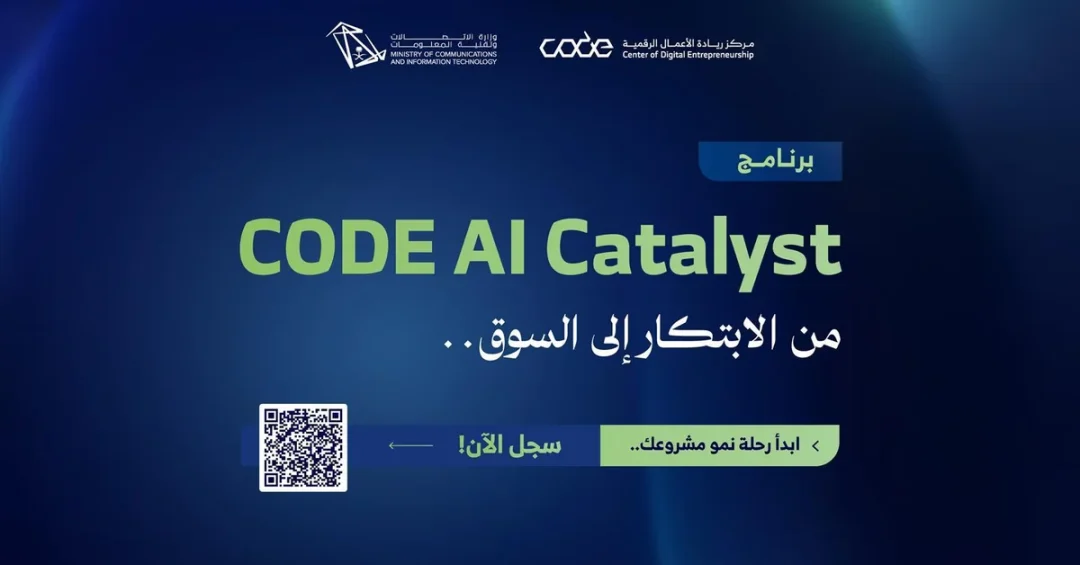
The Digital Entrepreneurship Center (CODE), operating under the Ministry of Communications and Information Technology (MCIT), has launched the CODE AI Catalyst program to empower artificial intelligence startups across the Kingdom. Announced via the Saudi Press Agency on November 18, 2026, the initiative is designed to support 280 entrepreneurial ventures as they transition from the minimum viable product stage to full market entry, providing a comprehensive four-month support journey that includes specialized mentorship, workshops, technical support, and access to digital tools. The program also connects participants with experts, investors, and strategic partners, reinforcing Saudi Arabia’s commitment to building a world-class digital entrepreneurship ecosystem. But why does this matter for the global AI landscape?
The CODE AI Catalyst program represents a significant step in Saudi Arabia’s broader strategy to diversify its economy and establish itself as a regional hub for technology and innovation. By targeting early-stage AI startups, the initiative addresses a critical gap in the entrepreneurial journey—the difficult transition from prototype to commercial viability. This phase often determines whether a promising idea becomes a sustainable business, and CODE’s structured support aims to de-risk that journey for Saudi and international entrepreneurs alike. With the global artificial intelligence market projected to exceed a trillion dollars in the coming decade, Saudi Arabia is positioning itself not just as a consumer of AI technology, but as a creator and exporter of innovative solutions. The program’s launch also underscores the Ministry’s proactive role in fostering a knowledge-based economy, a central pillar of Vision 2030.
Context and Background
How did Saudi Arabia become such a fertile ground for AI entrepreneurship? The answer lies in a series of strategic investments and policy initiatives that have accelerated over the past decade. The Ministry of Communications and Information Technology has been at the forefront of this transformation, launching numerous programs to boost digital skills, attract foreign investment, and nurture local talent. The Digital Entrepreneurship Center, known as CODE, was established as a dedicated arm to support startups and entrepreneurs, offering resources that range from incubators to accelerators. The CODE AI Catalyst program builds on this foundation, specifically targeting the AI sector, which is seen as a key driver of future economic growth. According to official Saudi sources, the program is part of a wider national effort to increase the contribution of the digital economy to GDP and create high-value jobs for young Saudis.
The timing of the launch is also significant. As countries around the world race to harness the potential of artificial intelligence, Saudi Arabia has been making bold moves to secure its place in the global AI value chain. From the establishment of the Saudi Data and AI Authority (SDAIA) to the launch of national strategies for data and AI, the Kingdom has demonstrated a clear commitment to technological leadership. The CODE AI Catalyst program complements these efforts by focusing on the grassroots level—supporting the entrepreneurs who will build the next generation of AI-powered solutions. By providing a structured pathway from MVP to market, the program aims to reduce the failure rate of early-stage startups and increase the number of Saudi AI companies that can scale and compete internationally. This aligns with the National Strategy for Data and AI, which seeks to attract over $20 billion in foreign investment and create tens of thousands of jobs in the sector by 2030.
Moreover, the program reflects a broader shift in Saudi Arabia’s economic model. With the Vision 2030 reform agenda, the Kingdom is moving away from its historical dependence on oil and toward a diversified, innovation-driven economy. The digital sector, including AI, is a cornerstone of this transition. By empowering startups, CODE is not only fostering innovation but also building a pipeline of companies that can contribute to the national economy through exports, job creation, and technological self-sufficiency. The involvement of international investors and experts in the program further signals Saudi Arabia’s openness to global collaboration, a key factor in accelerating the development of its tech ecosystem.
Key Details
What exactly does the CODE AI Catalyst program offer to participating startups? Spanning four months, the initiative provides a comprehensive support journey that combines several critical components. First, specialized mentorship is offered, pairing each startup with experienced industry leaders who can provide guidance on product development, business strategy, and market entry. Second, a series of workshops covers essential topics such as AI model deployment, data management, regulatory compliance, and fundraising. Third, technical support is available to help startups overcome engineering challenges and optimize their AI solutions. Fourth, participants gain access to digital tools and platforms that can accelerate their development cycles and reduce costs. Finally, the program facilitates connections with investors, potential customers, and strategic partners, creating opportunities for funding and commercial partnerships.
The program is designed to support 280 startups and entrepreneurial ventures, a substantial number that reflects the scale of ambition behind the initiative. These ventures are expected to be at the MVP stage, meaning they have a working prototype but need assistance to refine their product, validate their business model, and prepare for launch. The four-month duration is structured to provide intensive support while maintaining momentum, with milestones and deliverables that keep participants on track. CODE has invited AI startups and entrepreneurs to register for the program through an online form, which is available at the link provided in the official announcement. The selection process will likely evaluate factors such as the novelty of the AI solution, the team’s capabilities, and the potential for market impact. By targeting this specific stage, the program addresses the “valley of death” that many startups face, where they struggle to secure the resources needed to move from prototype to commercial product.
In addition to the direct support, the program offers intangible benefits that can be equally valuable. Being part of a cohort of like-minded entrepreneurs creates a community of practice, where participants can learn from each other’s experiences and form collaborations. The association with CODE and MCIT lends credibility, which can be crucial when approaching investors or customers. Furthermore, the program’s emphasis on AI aligns with global trends, making Saudi startups more attractive to international venture capital. The official announcement from the Saudi Press Agency emphasizes that the program aims to enhance market readiness and contribute to the growth of Saudi Arabia’s digital entrepreneurship ecosystem. This dual focus on individual ventures and the ecosystem as a whole suggests a holistic approach to development, where the success of startups feeds back into the broader innovation environment.
International and Regional Impact
How will the CODE AI Catalyst program influence the wider Middle East and beyond? Saudi Arabia’s push into AI entrepreneurship is likely to have ripple effects across the region. As the largest economy in the Middle East, the Kingdom often sets trends that other countries follow. By investing in AI startups, Saudi Arabia is signaling that it views artificial intelligence as a strategic priority, which may encourage neighboring countries to ramp up their own efforts. This could lead to healthy competition and collaboration, ultimately strengthening the region’s position in the global AI landscape. Moreover, the program’s openness to international participants and partners means that it can serve as a bridge between Saudi Arabia and global AI hubs such as Silicon Valley, London, and Singapore. The connections forged through the program could lead to cross-border investments, joint ventures, and knowledge transfer, benefiting both Saudi and international stakeholders.
On a global scale, the program contributes to the diversification of the AI ecosystem. Currently, AI development is concentrated in a few countries, but initiatives like CODE AI Catalyst help to democratize access to resources and opportunities. By supporting startups in Saudi Arabia, the program adds new voices and perspectives to the global AI conversation, which can lead to more inclusive and culturally relevant solutions. For international investors, the program offers a curated pipeline of vetted AI startups, reducing the search costs and risks associated with entering a new market. For multinational corporations, it provides opportunities to partner with local innovators and gain insights into the Saudi market. Ultimately, the success of the program will be measured by the number of startups that achieve market entry and growth, but its impact on the global perception of Saudi Arabia as a tech hub may be equally important.
Economic and Strategic Significance
Why is supporting AI startups an economic imperative for Saudi Arabia? The answer lies in the transformative potential of artificial intelligence to drive productivity, create new industries, and solve complex problems. According to various studies, AI could contribute up to $15.7 trillion to the global economy by 2030, with the Middle East capturing a significant share. For Saudi Arabia, AI is not just a technology but a strategic asset that can help diversify the economy away from oil. By nurturing AI startups, the Kingdom is investing in high-growth sectors that can generate exports, attract foreign direct investment, and create jobs for its growing young population. The CODE AI Catalyst program is thus a micro-level intervention with macro-level implications. Each startup that succeeds can become an anchor for a new cluster of innovation, spawning suppliers, customers, and spinoffs. Over time, this can lead to the emergence of a vibrant AI industry in Saudi Arabia, reducing reliance on imported technology and enhancing national competitiveness.
From a strategic perspective, the program also addresses the need for technological sovereignty. In an era where data and AI are increasingly seen as national assets, building local capacity is essential for security and independence. By supporting domestic AI startups, Saudi Arabia can ensure that critical technologies are developed in line with its values and regulations. This is particularly important in areas such as healthcare, energy, and finance, where AI applications can have significant societal impact. The program’s focus on market readiness also ensures that startups are not just technologically innovative but commercially viable, which is crucial for long-term sustainability. The involvement of MCIT and CODE provides a regulatory and support framework that can help startups navigate the complexities of the Saudi market and scale effectively. As these startups grow, they can become ambassadors for Saudi innovation, showcasing the Kingdom’s potential on the world stage.
Vision 2030 Alignment
How does the CODE AI Catalyst program fit into the broader Vision 2030 framework? Vision 2030, launched in 2016, is Saudi Arabia’s blueprint for economic and social transformation. It aims to reduce dependence on oil, diversify the economy, and develop public service sectors such as health, education, infrastructure, and tourism. A key pillar of this vision is the creation of a thriving digital economy, with AI playing a central role. The National Strategy for Data and AI, overseen by SDAIA, sets ambitious targets: to make Saudi Arabia a global leader in AI by 2030, to attract $20 billion in investment, and to create 20,000 jobs in the sector. The CODE AI Catalyst program directly contributes to these goals by supporting the entrepreneurs who will build AI companies, create jobs, and attract investment. It also aligns with the Human Capability Development Program, which seeks to equip Saudis with the skills needed for the future economy. By providing mentorship and training, the program helps develop local talent, ensuring that the benefits of AI are widely shared.
Furthermore, the program exemplifies the collaborative approach that Vision 2030 encourages. It brings together government entities (MCIT and CODE), private sector partners, investors, and entrepreneurs in a shared mission. This multi-stakeholder model is essential for addressing complex challenges and scaling solutions. The emphasis on international connections also reflects Vision 2030’s goal of increasing global engagement and positioning Saudi Arabia as a hub for trade and innovation. As the program progresses, its outcomes will provide valuable lessons for other sectors and regions. Success stories from CODE AI Catalyst can inspire further initiatives and investments, creating a virtuous cycle of innovation and growth. In the long term, the program’s legacy will be measured not only by the startups it helps but by the transformation it catalyzes in Saudi Arabia’s economy and society. Through such initiatives, the Kingdom is steadily realizing its vision of a diversified, knowledge-based economy that is integrated with the world and driven by its people’s creativity and ambition.
20 Questions
Q1. What is the CODE AI Catalyst program?
A1. The CODE AI Catalyst program is an initiative by the Digital Entrepreneurship Center (CODE) under the Ministry of Communications and Information Technology (MCIT) to empower AI startups. It provides a four-month support journey including mentorship, workshops, and access to investors, aiming to help 280 ventures move from MVP to market.
Q2. When was the program launched?
A2. The program was launched on November 18, 2026, as announced by the Saudi Press Agency. The announcement was made from Riyadh, highlighting the Kingdom’s ongoing efforts to boost its digital economy.
Q3. How many startups will the program support?
A3. The program aims to support 280 startups and entrepreneurial ventures. This significant number reflects the scale of Saudi Arabia’s ambition to build a robust AI ecosystem and create a pipeline of innovative companies.
Q4. What is the duration of the program?
A4. The CODE AI Catalyst program spans four months. This intensive period is designed to provide focused support, helping startups accelerate their development and prepare for market entry within a structured timeframe.
Q5. What kind of support do startups receive?
A5. Startups receive specialized mentorship, workshops, technical support, and digital tools. They also gain opportunities to connect with experts, investors, and strategic partners, which can help them refine their products and secure funding.
Q6. Who is eligible to apply?
A6. AI startups and entrepreneurs are invited to apply. The program targets ventures at the minimum viable product (MVP) stage, meaning they have a working prototype but need assistance to reach market readiness.
Q7. How can startups register?
A7. Startups can register through the online form provided by CODE. The link is available in the official announcement on the Saudi Press Agency. Interested parties should complete the form to be considered for the program.
Q8. What is the role of MCIT in this program?
A8. The Ministry of Communications and Information Technology (MCIT) oversees the program through CODE. MCIT is responsible for developing Saudi Arabia’s digital infrastructure and promoting innovation, aligning with Vision 2030 goals.
Q9. What is CODE?
A9. CODE stands for the Digital Entrepreneurship Center. It is an initiative under MCIT dedicated to supporting startups and entrepreneurs in Saudi Arabia by providing resources, training, and networking opportunities to foster a vibrant digital economy.
Q10. Why is the program focused on AI startups?
A10. AI is a key driver of future economic growth and innovation. By focusing on AI, Saudi Arabia aims to build local capacity in a high-value sector, create jobs, and position itself as a regional leader in technology.
Q11. What is the MVP stage?
A11. MVP stands for minimum viable product. It is the initial version of a product with enough features to attract early adopters. The program helps startups move from this stage to full market entry.
Q12. How does the program contribute to Vision 2030?
A12. The program supports Vision 2030 by fostering a digital economy, creating jobs, and attracting investment. It aligns with the National Strategy for Data and AI, which aims to make Saudi Arabia a global AI leader by 2030.
Q13. What are the benefits of mentorship?
A13. Mentorship provides startups with guidance from experienced professionals. This can help them avoid common pitfalls, refine their business models, and make strategic decisions that increase their chances of success.
Q14. Will the program help with funding?
A14. Yes, the program connects startups with investors and strategic partners. While it does not directly provide funding, these connections can lead to investment opportunities and commercial partnerships.
Q15. Is the program open to international startups?
A15. The program is primarily aimed at AI startups and entrepreneurs in Saudi Arabia. However, international startups may participate if they meet eligibility criteria and are interested in entering the Saudi market.
Q16. What happens after the four months?
A16. After the program, startups are expected to have achieved market readiness. They may continue to receive support from CODE’s network or seek further funding to scale their operations.
Q17. How does this program compare to other Saudi tech initiatives?
A17. It complements other initiatives like SDAIA’s programs and the National Technology Development Program. It is unique in its focus on AI startups at the MVP stage, providing tailored support for this critical phase.
Q18. What impact will the program have on the Saudi economy?
A18. By helping AI startups succeed, the program can create jobs, attract investment, and diversify the economy. It contributes to the growth of the digital sector, which is a key pillar of Vision 2030.
Q19. How can investors get involved?
A19. Investors can engage by partnering with CODE or participating in program events. They can also connect with startups through the program’s networking opportunities, gaining access to vetted AI ventures.
Q20. Where can I find more information?
A20. More information is available on the CODE website and through the Saudi Press Agency. The registration link is provided in the official announcement, and updates will be shared via MCIT channels.
Reader Feedback
We value your thoughts. Please share your feedback on this article.
Your feedback helps us improve our coverage.
Related articles
 Al-Ahsa College Joins National Afforestation Season
 NTDP Named Rising Star at 2026 SES Awards
 Saudi NCA Launches Phase Two of Cybersecurity Experts Program
 SDAIA Highlights AI Risk Awareness in Universities
 First Quarter Moon Graces Northern Borders Region’s Skies
 Qassim Technical Training Dept Launches IoT Forum in Al-Rass