


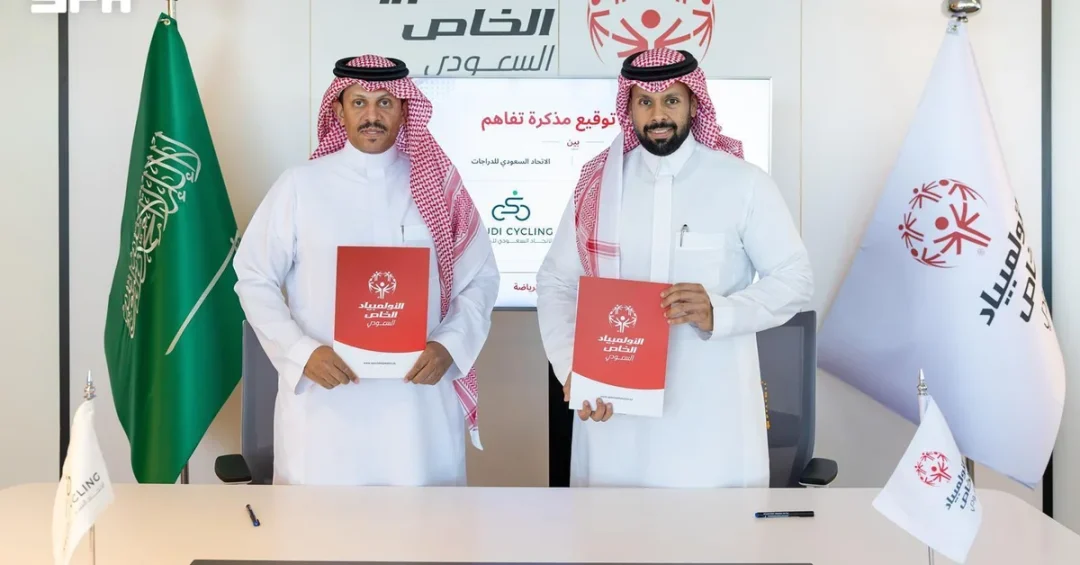
The Saudi Cycling Federation signed a memorandum of understanding with Special Olympics Saudi Arabia in Riyadh on Thursday, November 19, 2026, to expand cycling opportunities for athletes with intellectual and developmental disabilities. The agreement, announced via the Saudi Press Agency, establishes a formal framework for cooperation on training, competition, coaching development, and Unified Sports programs at local and international levels. It marks a significant step in the Kingdom’s efforts to promote inclusive sports under Vision 2030. How might this partnership reshape the landscape of adaptive sports in Saudi Arabia and beyond?
The MoU was signed by representatives of both organizations, underscoring a shared commitment to empowering athletes of determination—a term used in Saudi Arabia to describe individuals with disabilities—through cycling. The agreement aims to provide wider sporting opportunities, from grassroots training sessions to elite competitions, and to ensure that athletes with intellectual and developmental disabilities have access to the equipment, coaching, and platforms they need to thrive. This collaboration aligns with the Kingdom’s broader national strategy to enhance quality of life and foster social inclusion, as outlined in Vision 2030. By joining forces, the two federations are not only expanding athletic horizons but also setting a precedent for how sports can drive social change.
Context and Background
Why has cycling become a focal point for inclusive sports in Saudi Arabia? In recent years, the Kingdom has invested heavily in developing cycling as both a competitive sport and a recreational activity. The Saudi Cycling Federation, established to govern and promote the sport, has organized numerous events, including the Saudi Tour and community rides, while also building infrastructure such as dedicated cycling tracks in major cities. Meanwhile, Special Olympics Saudi Arabia has long been a champion for athletes with intellectual disabilities, providing year-round sports training and athletic competitions in a variety of Olympic-type sports. The new MoU builds on this momentum by integrating cycling into the Special Olympics ecosystem, which already includes sports like football, athletics, and swimming.
The partnership comes at a time when Saudi Arabia is accelerating its efforts to become a global hub for sports, hosting major events like the FIFA World Cup 2034 and the Asian Games. Inclusive sports are an integral part of this vision, ensuring that no segment of society is left behind. The MoU also reflects the Kingdom’s commitment to the United Nations Convention on the Rights of Persons with Disabilities, which Saudi Arabia ratified in 2008. By focusing on cycling, the agreement taps into a sport that is accessible, environmentally friendly, and increasingly popular among Saudis of all ages. This collaboration is expected to create a pipeline for athletes with intellectual disabilities to progress from local clubs to international competitions, including the Special Olympics World Games.
Furthermore, the timing is strategic as the world recovers from the COVID-19 pandemic, which highlighted the importance of physical activity and mental well-being. Cycling offers a low-impact, high-benefit form of exercise that can be adapted for various abilities. The MoU’s emphasis on Unified Sports—where athletes with and without intellectual disabilities train and compete together—promotes social integration and mutual respect. This approach aligns with global best practices and has been shown to reduce stigma and build community. As Saudi Arabia continues to diversify its sports portfolio, this partnership could serve as a model for other federations looking to enhance inclusivity.
Key Details of the Agreement
What specific commitments does the MoU entail? The agreement outlines a comprehensive set of cooperative areas, starting with the preparation of an annual calendar of cycling competitions dedicated to Special Olympics athletes. This calendar will include local, regional, and international events, providing athletes with consistent opportunities to test their skills and gain competitive experience. The MoU also focuses on capacity building: training and qualifying coaches, referees, and administrators through specialized programs. This is crucial because inclusive sports require knowledgeable officials who understand the unique needs of athletes with intellectual disabilities. By investing in human capital, the two federations aim to ensure that competitions are fair, safe, and professionally managed.
Another key component is the provision of technical staff and referees to oversee competitions. This includes assigning qualified personnel to Special Olympics events and ensuring that rules and regulations are adapted appropriately. The MoU also supports the Unified Sports program by enabling athletes to take part in training sessions and competitions alongside their peers without disabilities. This integration is at the heart of the Special Olympics movement, which believes that sports can be a powerful force for social inclusion. Additionally, the agreement covers the provision of necessary sports equipment, such as bicycles, helmets, and safety gear, which can be a barrier for many athletes. By removing logistical hurdles, the partnership aims to make cycling accessible to all who wish to participate.
Finally, the MoU includes provisions for exchanging information and expertise to benefit from best practices in developing sports programs and activities. This knowledge-sharing could involve joint workshops, research initiatives, and participation in international conferences. The Saudi Cycling Federation and Special Olympics Saudi Arabia will also collaborate on awareness campaigns to promote the benefits of cycling and inclusive sports. These efforts are expected to increase participation rates and attract more volunteers and sponsors. The agreement is set to run for an initial period, with provisions for renewal, and both parties have committed to regular reviews to assess progress and adapt strategies as needed.
International and Regional Impact
How will this partnership resonate beyond Saudi Arabia’s borders? The MoU positions the Kingdom as a leader in inclusive sports within the Middle East and North Africa region. Many countries in the region are grappling with how to better integrate persons with disabilities into society, and Saudi Arabia’s proactive approach could serve as a blueprint. By hosting Special Olympics events and showcasing the abilities of athletes of determination, the Kingdom can challenge stereotypes and inspire other nations to follow suit. Regional sports organizations may look to replicate this model, fostering a more inclusive sporting ecosystem across the Arab world. Moreover, the agreement aligns with the International Olympic Committee’s Agenda 2020+5, which emphasizes inclusivity and sustainability.
On the international stage, the MoU enhances Saudi Arabia’s reputation as a responsible global citizen. The Kingdom is already a signatory to the Convention on the Rights of Persons with Disabilities and has been active in Special Olympics World Games, with Saudi athletes winning medals in various sports. This partnership could lead to increased participation in future World Games, particularly in cycling, which is a growing sport globally. It also opens doors for international exchanges, where Saudi coaches and athletes can learn from their counterparts abroad and share their own experiences. The Special Olympics movement, with its presence in over 190 countries, provides a vast network for collaboration. By joining forces with the Saudi Cycling Federation, Special Olympics Saudi Arabia can leverage this network to bring best practices to the Kingdom and to export its own successes.
Economic and Strategic Significance
What are the economic and strategic benefits of this collaboration? Investing in inclusive sports is not just a social good; it also makes economic sense. People with disabilities represent a significant portion of the population, and providing them with opportunities to participate in sports can lead to improved health outcomes, reduced healthcare costs, and increased productivity. The cycling industry in Saudi Arabia is poised for growth, with rising interest in cycling as a leisure activity and competitive sport. The MoU could stimulate demand for adaptive bicycles and equipment, creating niche markets and entrepreneurial opportunities. Furthermore, events organized under this agreement can attract tourists, both from within the region and internationally, boosting the local economy.
Strategically, the partnership supports Saudi Arabia’s Vision 2030 goals of enhancing quality of life and building a vibrant society. Sports are a key pillar of the Vision’s Quality of Life Program, which aims to increase physical activity and promote community engagement. By integrating athletes with intellectual disabilities into cycling, the Kingdom is demonstrating that its development is inclusive and equitable. This aligns with the National Transformation Program, which seeks to improve government services and empower non-profit organizations. The MoU also strengthens the role of sports federations in achieving national objectives, showcasing how public-private partnerships can drive social impact. As Saudi Arabia continues to host major sporting events, its commitment to inclusivity will be a defining feature of its legacy.
Vision 2030 Alignment
How does this MoU directly contribute to Vision 2030? The agreement is a tangible manifestation of the Vision’s core themes: a vibrant society, a thriving economy, and an ambitious nation. By promoting inclusive sports, it enhances social cohesion and empowers individuals with disabilities to lead active, fulfilling lives. This supports the Vision’s objective of increasing the participation of people with disabilities in the workforce and society. The focus on cycling also aligns with the Vision’s emphasis on sustainable transportation and healthy lifestyles. As Saudi cities expand and modernize, cycling infrastructure is being developed, and this MoU ensures that these developments are accessible to all. The partnership between the Saudi Cycling Federation and Special Olympics Saudi Arabia exemplifies the collaborative spirit needed to achieve Vision 2030.
Looking ahead, the success of this MoU will be measured by the number of athletes who take up cycling, the quality of competitions, and the level of integration achieved through Unified Sports. The two organizations have committed to regular monitoring and evaluation, with the aim of scaling up successful initiatives. This partnership is not an isolated effort but part of a broader movement in Saudi Arabia to embrace diversity and inclusion. As the Kingdom prepares to host global events, it is sending a clear message: sports are for everyone. The ripple effects will be felt in communities, schools, and families, as cycling becomes a vehicle for empowerment and joy. Ultimately, this MoU is a testament to Saudi Arabia’s leadership in creating a more inclusive world, where every individual can pursue their dreams.
20 Questions
Q1. What is the main purpose of the MoU between the Saudi Cycling Federation and Special Olympics Saudi Arabia?
A1. The MoU aims to strengthen cooperation and expand opportunities for Special Olympics athletes to participate in cycling, providing wider sporting opportunities for athletes with intellectual and developmental disabilities.
Q2. When and where was the MoU signed?
A2. The MoU was signed on Thursday, November 19, 2026, in Riyadh, as reported by the Saudi Press Agency.
Q3. Which organizations are parties to the MoU?
A3. The parties are the Saudi Cycling Federation and Special Olympics Saudi Arabia.
Q4. What are the key areas of cooperation outlined in the MoU?
A4. Key areas include preparing an annual calendar of cycling competitions, training coaches, referees, and administrators, providing technical staff, supporting Unified Sports, supplying equipment, and exchanging information and expertise.
Q5. How does the MoU support athletes with intellectual and developmental disabilities?
A5. It provides them with opportunities to participate in training sessions and competitions at local and international levels, and ensures they have access to necessary sports equipment and qualified coaching.
Q6. What is the Unified Sports program mentioned in the MoU?
A6. Unified Sports is a Special Olympics initiative that enables athletes with and without intellectual disabilities to train and compete together on the same team, promoting social inclusion and mutual respect.
Q7. How will the annual calendar of competitions benefit athletes?
A7. The annual calendar will provide a structured schedule of local, regional, and international cycling competitions, giving athletes consistent opportunities to develop their skills and compete at higher levels.
Q8. What kind of training will coaches, referees, and administrators receive?
A8. They will receive specialized training through programs designed to enhance their ability to support athletes with intellectual disabilities, ensuring competitions are fair, safe, and professionally managed.
Q9. Why is the provision of sports equipment important in this MoU?
A9. Providing equipment such as bicycles, helmets, and safety gear removes financial barriers that might prevent athletes from participating, making cycling more accessible to all.
Q10. How does the MoU align with Saudi Arabia’s Vision 2030?
A10. It supports Vision 2030’s goals of enhancing quality of life, promoting social inclusion, and building a vibrant society by empowering persons with disabilities through sports.
Q11. What role does the Saudi Cycling Federation play in this partnership?
A11. The Saudi Cycling Federation will provide technical expertise, organize competitions, train officials, and help integrate Special Olympics athletes into the broader cycling community.
Q12. How will Special Olympics Saudi Arabia contribute to the partnership?
A12. Special Olympics Saudi Arabia will identify athletes, coordinate their participation, and ensure that programs are tailored to the needs of individuals with intellectual and developmental disabilities.
Q13. What are the expected outcomes of the MoU for athletes?
A13. Athletes can expect increased access to cycling training, more competitive opportunities, better equipment, and greater social integration through Unified Sports.
Q14. How does this MoU impact the local community?
A14. It fosters inclusivity, raises awareness about the abilities of persons with disabilities, and encourages community members to support and participate in inclusive sports activities.
Q15. Will there be international opportunities for athletes under this MoU?
A15. Yes, the MoU aims to support participation in international competitions, including Special Olympics World Games, by preparing athletes and providing necessary resources.
Q16. What is the significance of cycling as a chosen sport for this initiative?
A16. Cycling is accessible, environmentally friendly, and increasingly popular in Saudi Arabia, making it an ideal sport to promote inclusivity and healthy lifestyles.
Q17. How does the MoU promote gender inclusivity?
A17. The MoU is inclusive of all athletes, regardless of gender, and encourages the participation of women with intellectual disabilities in cycling, aligning with Saudi Arabia’s broader empowerment efforts.
Q18. What support will be provided for referees and technical staff?
A18. They will receive specialized training and be assigned to oversee competitions, ensuring that events are conducted according to adapted rules and safety standards.
Q19. How will information and expertise be exchanged between the two organizations?
A19. Through joint workshops, research initiatives, participation in conferences, and sharing of best practices in developing sports programs for athletes with intellectual disabilities.
Q20. What is the long-term vision for this partnership?
A20. The long-term vision is to create a sustainable, inclusive cycling ecosystem in Saudi Arabia where athletes of determination can train, compete, and excel at all levels, serving as a model for other sports.
Reader Feedback
We value your thoughts. Please share your feedback on this article.
Your feedback helps us improve our coverage.
Related articles
 24 Saudi Swimmers Compete in Fifth Arab Aquatics Championships
 Spain Retains Top Spot in FIFA Men’s World Rankings
 Sixth Riyadh Marathon Set for February 6, 2027
 Saudi U17 to Face Uruguay in World Cup Opener
 GCC Olympic Committee Presidents Hold 38th Meeting in Manama
 Riyadh to Host Third Round of Hajwala on November 20