


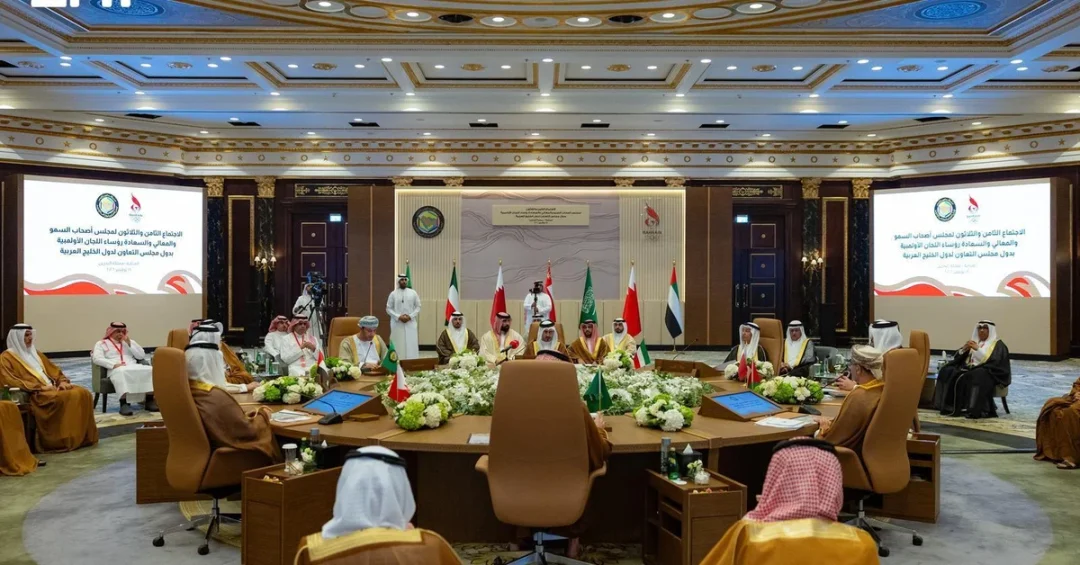
The Council of Presidents of the Olympic Committees of the Gulf Cooperation Council (GCC) held its 38th meeting on Wednesday in Manama, Bahrain, expressing deep gratitude to GCC leaders for their unwavering support of youth and sports. The meeting, attended by Prince Abdulaziz bin Turki bin Faisal, President of the Saudi Olympic and Paralympic Committee (SOPC), along with fellow GCC Olympic committee presidents, underscored the region’s commitment to athletic excellence and sustainable development. In a statement released via the Saudi Press Agency (SPA), the council praised GCC leaders for their keen interest in empowering people, enhancing their skills, and enabling their contribution to economic development. The gathering highlighted the pivotal role of sports in fostering regional unity and advancing the capabilities of Gulf youth.
The 38th meeting of the GCC Olympic Committee Presidents serves as a testament to the enduring cooperation among Gulf nations in the realm of sports. It reflects a shared vision to elevate athletic standards, promote healthy lifestyles, and harness the potential of young people across the region. As the meeting convened in Manama, the presence of high-ranking officials, including Prince Fahad bin Jalawi bin Abdulaziz bin Musaed, SOPC Vice President, and Naif bin Bandar Al-Sudairi, Saudi Ambassador to Bahrain, underscored the diplomatic and strategic importance of sports in strengthening ties. The council’s discussions and decisions are poised to shape the future of Gulf sports, ensuring that athletes from the region continue to shine on continental and international stages.
Context and Background
How did the GCC Olympic Committee Presidents’ meeting come to play such a vital role in regional sports development? The Council of Presidents of the Olympic Committees of the GCC was established to foster collaboration among member states—Bahrain, Kuwait, Oman, Qatar, Saudi Arabia, and the United Arab Emirates—in the field of sports. Over the years, it has become a cornerstone for coordinating efforts, sharing best practices, and addressing common challenges. The 38th meeting, held in Manama, builds on a rich history of joint initiatives, including the organization of the GCC Games and the formulation of unified positions on continental and international sports issues. This gathering is particularly significant as it reviews progress made since previous meetings and sets the stage for future endeavors.
The meeting took place against the backdrop of remarkable achievements by GCC athletes at the Asian Games Aichi-Nagoya 2026, where representatives from the region won various medals. This success has invigorated the council’s resolve to further invest in sports infrastructure, training programs, and youth empowerment. Moreover, the approval of the final report of the fourth GCC Games Doha 2026, hosted by Qatar in May, highlights the importance of these regional competitions in identifying and nurturing talent. The council’s agenda also included discussions on women’s sports, a key area of focus as Gulf nations strive to provide equal opportunities and promote inclusivity. By ratifying the statutes of the GCC sports federations, the meeting ensured that governance structures remain robust and aligned with international standards.
Key Details
What specific outcomes emerged from the 38th meeting that will impact athletes and sports organizations across the Gulf? The council expressed its congratulations to all GCC countries for their medal wins at the Asian Games Aichi-Nagoya 2026, a testament to the region’s growing prowess in competitive sports. It also extended congratulations to the male and female medal winners at the fourth GCC Games Doha 2026, recognizing their dedication and hard work. The meeting approved the final report of the Doha Games, which will serve as a blueprint for future events. Additionally, the council reviewed reports on women’s sports, emphasizing efforts to coordinate a unified GCC stance on continental and international sports issues. The ratification of the statutes of the GCC sports federations further solidifies the legal and organizational framework for sports governance in the region.
The presence of key figures such as Prince Abdulaziz bin Turki bin Faisal and Prince Fahad bin Jalawi bin Abdulaziz bin Musaed underscored Saudi Arabia’s active role in shaping the regional sports agenda. Their participation reflects the Kingdom’s commitment to Vision 2030, which aims to enhance the quality of life, promote sports, and empower youth. The meeting also highlighted the importance of diplomacy in sports, with Ambassador Naif bin Bandar Al-Sudairi attending, signaling the intersection of sports and international relations. The decisions made in Manama are expected to have far-reaching implications, from improved training facilities to increased participation in international tournaments. By focusing on women’s sports, the council is also addressing a crucial aspect of social development, ensuring that all segments of society can contribute to and benefit from athletic endeavors.
International and Regional Impact
How will the outcomes of this meeting resonate beyond the Gulf region and influence global sports dynamics? The GCC’s unified stance on continental and international sports issues strengthens the region’s collective bargaining power in organizations such as the Olympic Council of Asia and the International Olympic Committee. By presenting a coordinated front, GCC nations can advocate for policies that benefit their athletes, such as fair qualification processes and increased representation in decision-making bodies. The success of GCC athletes at the Asian Games Aichi-Nagoya 2026 has already elevated the region’s profile, and the council’s continued efforts will likely lead to more opportunities for Gulf sports professionals to serve in international roles. Furthermore, the emphasis on women’s sports aligns with global trends toward gender equality in athletics, positioning the GCC as a progressive force in the sports world.
Regionally, the meeting reinforces the bonds among GCC member states, demonstrating that sports can be a powerful tool for integration and mutual understanding. The approval of the fourth GCC Games Doha 2026 report and the ratification of sports federation statutes pave the way for more seamless collaboration in hosting events, sharing resources, and developing talent. This cooperation extends beyond sports, as it fosters people-to-people connections and cultural exchange. For Saudi Arabia, the meeting provides an opportunity to showcase its leadership in sports diplomacy, particularly as it prepares to host major events like the 2034 FIFA World Cup. The Kingdom’s active participation in the council aligns with its Vision 2030 goal of becoming a global hub for sports and entertainment, attracting international attention and investment.
Economic and Strategic Significance
What economic and strategic benefits does the GCC derive from such collaborative sports initiatives? Sports have emerged as a significant economic driver in the Gulf, contributing to GDP through event hosting, tourism, and infrastructure development. The GCC Games, for instance, generate revenue from broadcasting rights, sponsorships, and ticket sales, while also stimulating local economies by attracting visitors. The council’s focus on sustainable development and empowering people to contribute to economic growth directly ties into this. By investing in sports, GCC nations create jobs, promote healthy lifestyles, and reduce healthcare costs. Moreover, a strong sports sector enhances the region’s attractiveness as a destination for international competitions and training camps, further boosting tourism and global engagement.
Strategically, the coordination of a unified GCC position on sports issues enhances the region’s influence in global sports governance. This unity allows GCC countries to collectively address challenges such as doping, match-fixing, and athlete welfare, ensuring that their voices are heard. The ratification of the statutes of the GCC sports federations provides a legal framework that facilitates joint ventures and investments in sports-related projects. For Saudi Arabia, these efforts complement its Vision 2030 objectives, which include increasing sports participation, developing world-class facilities, and hosting prestigious events. The Kingdom’s leadership in the council, represented by Prince Abdulaziz bin Turki bin Faisal, underscores its commitment to regional cooperation and its ambition to be a pivotal player in the global sports arena.
Vision 2030 Alignment
How does the 38th GCC Olympic Committee Presidents’ meeting align with Saudi Arabia’s Vision 2030 and its transformative goals? Vision 2030 aims to diversify the economy, empower youth, and enhance the quality of life for all citizens. Sports are a key pillar of this vision, as they promote physical well-being, foster national pride, and create economic opportunities. The meeting’s emphasis on empowering people, developing their qualifications, and enabling their contribution to economic development mirrors the Vision’s core objectives. By participating actively in the council, Saudi Arabia demonstrates its commitment to regional collaboration and its determination to elevate its sports sector to international standards. The Kingdom’s investments in sports infrastructure, such as the Qiddiya project and the planned NEOM sports facilities, are direct manifestations of Vision 2030.
Furthermore, the meeting’s focus on women’s sports aligns with Vision 2030’s goal of increasing women’s participation in the workforce and society. Saudi Arabia has made significant strides in this area, with women representing the Kingdom in various international competitions and leadership roles in sports organizations. The council’s unified stance on continental and international sports issues also supports Vision 2030’s aim to strengthen Saudi Arabia’s global standing. As the Kingdom prepares to host major events like the 2034 FIFA World Cup, its leadership in the GCC Olympic Committee Presidents’ meeting reinforces its position as a regional and global sports hub. The outcomes of this meeting will contribute to a vibrant sports ecosystem that benefits not only Saudi Arabia but the entire Gulf region, driving progress toward a prosperous and sustainable future.
20 Questions
Q1. What was the main purpose of the 38th meeting of the GCC Olympic Committee Presidents?
A1. The meeting aimed to enhance cooperation among GCC Olympic committees, review reports on various sports initiatives, and express gratitude to GCC leaders for their support of youth and sports development.
Q2. Where and when did the 38th meeting take place?
A2. The meeting was held on Wednesday in Manama, the capital of Bahrain, as reported by the Saudi Press Agency.
Q3. Who represented Saudi Arabia at the meeting?
A3. Saudi Arabia was represented by Prince Abdulaziz bin Turki bin Faisal, President of the Saudi Olympic and Paralympic Committee, and Prince Fahad bin Jalawi bin Abdulaziz bin Musaed, SOPC Vice President.
Q4. What did the council express to GCC leaders?
A4. The council expressed thanks and appreciation for the leaders’ keen interest in their people, their role in sustainable development, and efforts to empower citizens to contribute to economic development.
Q5. What recent achievements were congratulated during the meeting?
A5. The meeting congratulated GCC countries on winning various medals at the Asian Games Aichi-Nagoya 2026 and extended congratulations to medal winners at the fourth GCC Games Doha 2026.
Q6. What report was approved regarding the GCC Games?
A6. The final report of the fourth GCC Games Doha 2026, which was hosted by Qatar in May, was approved during the meeting.
Q7. What topics were reviewed on the meeting’s agenda?
A7. The agenda included reports on women’s sports, efforts to coordinate a unified GCC position on continental and international sports issues, and the ratification of statutes for GCC sports federations.
Q8. How does the meeting support women’s sports in the GCC?
A8. The meeting reviewed reports on women’s sports and discussed efforts to coordinate a unified position, reflecting a commitment to promoting inclusivity and equal opportunities for female athletes across the region.
Q9. What is the significance of ratifying the statutes of GCC sports federations?
A9. Ratifying the statutes provides a legal and organizational framework for sports governance, facilitating collaboration, joint investments, and unified participation in international sports affairs.
Q10. How does the meeting align with Saudi Arabia’s Vision 2030?
A10. The meeting aligns with Vision 2030 by promoting sports, empowering youth, enhancing quality of life, and supporting economic diversification through increased sports participation and event hosting.
Q11. What role did the Saudi Ambassador to Bahrain play in the meeting?
A11. Saudi Ambassador Naif bin Bandar Al-Sudairi attended the meeting, highlighting the diplomatic importance of sports and the strong bilateral ties between Saudi Arabia and Bahrain.
Q12. What are the GCC Games and why are they important?
A12. The GCC Games are a regional multi-sport event that fosters competition, identifies talent, and strengthens ties among Gulf nations. They are crucial for developing athletes for international competitions.
Q13. How did GCC countries perform at the Asian Games Aichi-Nagoya 2026?
A13. GCC countries won various medals at the Asian Games Aichi-Nagoya 2026, showcasing the region’s growing athletic prowess and the effectiveness of collaborative training and development programs.
Q14. What is the council’s stance on continental and international sports issues?
A14. The council aims to coordinate a unified GCC position to strengthen the region’s influence in continental and international sports organizations, ensuring fair representation and policies beneficial to Gulf athletes.
Q15. How does the meeting contribute to sustainable development?
A15. By empowering people, developing their skills, and promoting sports, the meeting supports sustainable development through improved health, economic opportunities, and social inclusion.
Q16. What economic benefits stem from GCC sports collaboration?
A16. Collaboration leads to increased event hosting, tourism, job creation, and infrastructure investment, contributing to economic diversification and growth in the region.
Q17. How does Saudi Arabia’s leadership in the council reflect its global sports ambitions?
A17. Saudi Arabia’s active role, represented by Prince Abdulaziz bin Turki bin Faisal, demonstrates its commitment to regional cooperation and its ambition to become a global sports hub, aligned with Vision 2030.
Q18. What future events will benefit from the decisions made in Manama?
A18. Future GCC Games, Asian Games, and international tournaments will benefit from improved governance, unified positions, and enhanced support for athletes, including women.
Q19. How does the meeting promote youth empowerment in the GCC?
A19. By focusing on developing qualifications, capabilities, and skills, the meeting supports youth empowerment, enabling young people to contribute to economic development and society through sports.
Q20. What is the overarching message of the 38th meeting?
A20. The meeting underscores the GCC’s unity, commitment to sports excellence, and dedication to empowering people, aligning with Saudi Arabia’s Vision 2030 and the region’s aspirations for a prosperous future.
Reader Feedback
We value your thoughts. Please share your feedback on this article.
Your feedback helps us improve our coverage.
Related articles
 Riyadh to Host Third Round of Hajwala on November 20
 AFC Approves Postponement of Asian Cup Saudi Arabia 2027
 Saudi Hockey Federation Signs Three International Agreements
 Qatif Corniche to Host Cycling, Running Races
 Saudi U-17 Team Gears Up for FIFA World Cup Clash with Uruguay
 Saudi Beach Soccer Team Prepares for UAE Clash in AFC Asian Cup